

Flip open a suit jacket and you can see what the tailor had in mind. Some are lined closed from shoulder to hem, smooth and glossy as silk. Some line only the upper back, revealing neat bound seams. Some are fully unlined, laying every stitch of the craftsman bare. Each style is its own choice, and in the climate of Ho Chi Minh City that choice bears directly on whether you can wear the jacket all day. This article compares the unlined suit jacket with the other styles.
Quick answer
An unlined suit jacket is the coolest and lightest, but it needs cleanly finished seams and creases more easily. Half-lined is balanced: breathable across the back, still easy to slip on, and it holds its shape. Full lining is the warmest and most durable, suited to cooler seasons. In summer, choose half-lined or unlined together with a light, breathable cloth.
What is a suit jacket lining for?
The lining is not just there to “make the inside pretty”. It does four things:
- Lets the jacket glide. A smooth lining allows the sleeves and body to slide over the shirt when putting on and taking off, without dragging and creasing.
- Hides the inner construction. The interfacing, shoulder pads and seams all sit behind the lining.
- Holds the shape. A lining that is moderately taut helps the jacket keep its shape at the chest and back.
- Protects the outer cloth. Sweat soaks into the lining first, reducing its effect on the main cloth.
An unlined or partly lined jacket keeps some of these functions, but trades them for breathability, lightness and a hand-finished look.
Common lining styles
| Style | Description | Coolness | Durability | Shape retention | Suits |
|---|---|---|---|---|---|
| Full lining | Lined across the body and sleeves | Low | High | Very good | Thick wool cloth, cool seasons |
| Half lining | Lined at the front, upper back and sleeves; the lower half of the back left with bound seams | Fairly good | Fairly good | Good | Medium-weight cloth, year-round |
| Shoulder lining | Lined only at the shoulders, sleeves and upper back; front left with bound seams | High | Medium | Fairly good | Light cloth, hot season |
| Unlined | No body lining, sleeve lining only, all seams bound and finished | Very high | Medium | Depends on the interfacing | Linen, cotton, light wool |
In most unlined suit jackets, the sleeves are still lined so your arms slip in easily. That is normal.
Choosing a lining style by cloth
The cloth decides the lining style more than personal taste does:
- Linen, cotton, seersucker: unlined or shoulder-lined. The cloth is already breathable, and a full lining would cancel the advantage.
- Light wool (tropical style): half-lined or shoulder-lined. A balance of coolness and shape.
- Medium-weight wool: half or full lining depending on taste, budget and how often it is worn.
- Thick wool, tweed, velvet: full lining. Heavy cloth needs a lining so it slides easily and does not itch.
If you are interested in summer fabrics, the article men’s linen suits for the hot season covers this group of cloth in more detail.
The lining material matters too
Two jackets with the same lining style can breathe completely differently simply because of the lining material:
- Cupro (bemberg): soft, breathable and absorbent. A common choice for high-end suits.
- Viscose: breathable, reasonably priced, creases slightly.
- Polyester: durable and cheap, but stuffy and hot. Best avoided for summer suits.
- Silk: very smooth and cool, but expensive and in need of careful care.
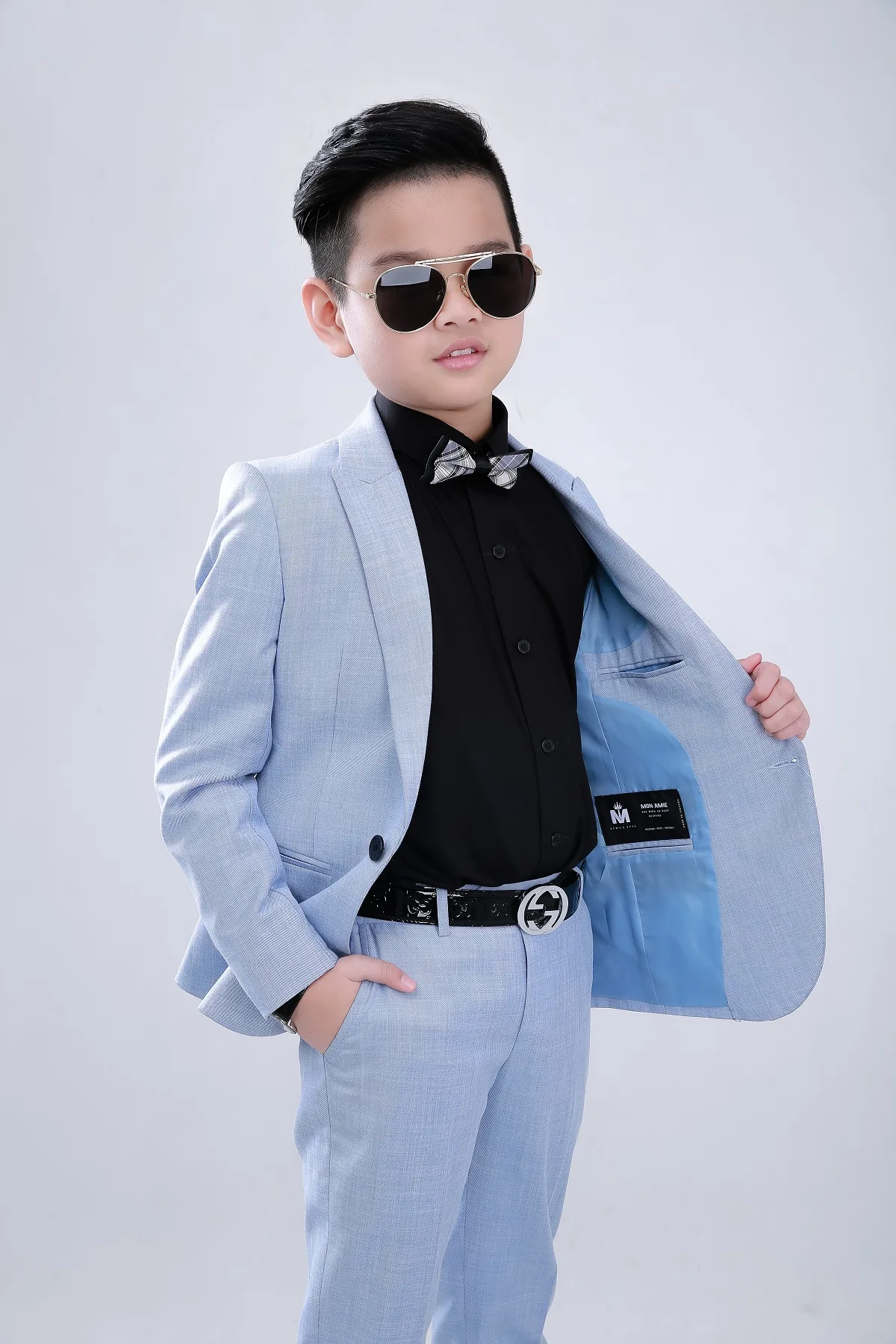
One appealing thing about made-to-measure is that the lining can be personalised: colour, pattern, even monogram initials. Look closely inside the jacket and you will see the wearer’s character.
How to choose for summer in Ho Chi Minh City
The weather is hot and humid and you sweat a lot, yet the office air-conditioning is cold. A few quick principles:
- Everyday office suit: half-lined with cupro or viscose, light wool cloth. Cool outdoors, and it still holds its shape in meetings.
- Suit for outdoor parties and daytime weddings: unlined or shoulder-lined, linen-blend or light wool cloth, light colours.
- Suit for people who sweat a lot: favour unlined or shoulder-lined, and make sure to have it dry-cleaned more often.
- Suit for people who are often in cold rooms: half-lined is enough; no need for full lining.
The article wearing a suit in summer has more tips on styling and care.
Caring for unlined and half-lined suits
An unlined suit is lighter but more “bare”. A few notes:
- Dry-clean more often. Sweat soaks directly into the main cloth, especially around the underarms and back.
- Hang on a broad-shouldered hanger so the jacket keeps its shape and the shoulders do not sag.
- Avoid heavy pockets. Without a lining, a pocket full of items pulls on the cloth harder.
- Check the bound seams. If there is a loose thread, have it repaired early.
When should the lining be replaced? In a fully lined jacket, a lining that has torn or worn out after many years can be replaced. The article when to replace a suit jacket lining gives detailed guidance.
Common mistakes and tips from Mon Amie’s master tailors
- Choosing unlined for thick wool. Thick cloth without a lining itches and does not slide easily.
- Choosing a polyester lining for summer. The two go together about as well as a sweater and April in Saigon.
- Thinking unlined means less careful tailoring. The opposite: unlined demands much cleaner seams, because there is nothing to hide them.
- Skipping the sleeve lining. Sleeves almost always need lining so your arms go in easily.
- Chasing coolness too far. A suit that is too thin, with no interfacing and no lining, will crease quickly and lose its shape.
Trade tip: a half lining with bound seams on light cloth is a very good choice for a suit in Ho Chi Minh City. You still get a light feel, but the jacket keeps its shape.
Frequently asked questions
What does a suit jacket lining do?
A lining lets the jacket glide on easily, hides the inner construction, holds the shape and protects the outer cloth from sweat. A good lining also helps the jacket last longer and feel more comfortable. Details on lining fabrics are in the article what is suit jacket lining fabric.
Which thin summer suit jacket should I choose?
Choose a lightweight wool weave or a linen blend, in a half-lined or unlined style, in a light or neutral colour. Pay attention to light interfacing so the jacket is soft but still holds its shape.
How should men dress in a summer suit to stay cool?
Choose breathable cloth (linen blend, light wool), half-lined or unlined, in light colours such as beige, light grey or light navy. Wear a cotton or linen shirt underneath and soft leather shoes, and avoid shiny cloth and polyester.
Can the lining be removed from a jacket that has already been made?
It is not advisable. A lined jacket is cut and finished around that construction; removing the lining would expose raw seams and make the jacket lose its shape. If you want a cooler jacket, have it remade, or make a new one in a half-lined or unlined style.
Final thoughts
There is no universally “best” lining style, only the one that suits the cloth, the weather and the wearer’s habits. If you want to see each style in person, you can book a measuring appointment and ask the stylist about a half lining on the very cloth you plan to choose. For a suit that needs adjusting down to every detail, the Bespoke tailoring service lets you decide both the lining style and the material.