
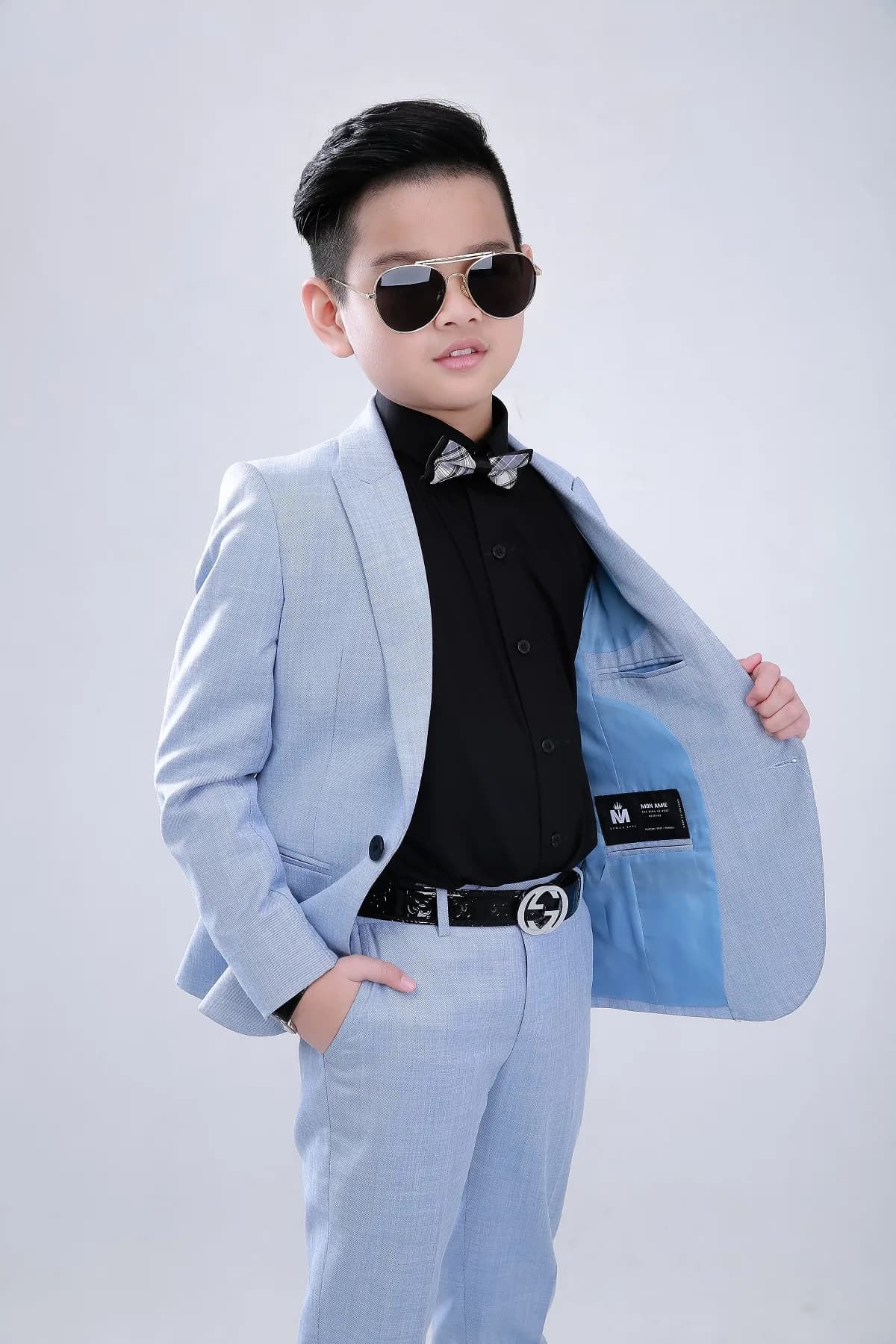
The suit jacket still looks good. The outer fabric is still fresh, the shoulders still stand, the colour is still elegant. But when you take it off, hold it up and look inside, the lining at the underarm is torn wide open and a thread hangs out like an old wound. Many people think of discarding the whole suit at that point. In fact, replacing a suit jacket lining is one of the most worthwhile ways to “revive” it, provided you know when to do it and which lining to choose.
The short answer
Replace a suit jacket lining when it is torn at the underarm or its seams have come apart, when it has sagged and bunched up inside the jacket, when it is dull or carries a sweat odour that can't be treated, and when the outer fabric and the cut are still good. For Saigon's climate, choose breathable cupro or viscose and avoid stuffy polyester.
Signs the lining needs replacing
Turn the jacket inside out and check in this order, from what fails fastest to what fails slowest:
- Underarms. The area that takes the most friction and sweat. Tears, holes, split seams or clear yellowing are the strongest signal.
- Sleeve lining. Putting your arms in and out every day wears the sleeve lining before the body lining. If it has worn into creases or sticks to the sleeve when you put the jacket on, replace it.
- Back lining. Sagging and bunched up, so that the outer fabric is “pulled” into odd creases across the back.
- Inside pockets. Frayed mouths, worn bottoms, hard to hold a wallet and phone.
- Colour and smell. A lining that is dull, stained or smells of sweat even after dry cleaning is a sign the fibres are saturated.
- How it feels to wear. If the jacket “clings” to your shirt or catches whenever you raise your arm, the lining has deteriorated even if it doesn't look torn.
Is it worth replacing the lining? Weighing it against the value of the suit
Replacing a lining is laborious work: the old lining has to be taken out, a pattern made from it, the new lining sewn and everything reassembled to the correct shape. So the question to ask is: is your suit still worth the investment?
| Situation | Replace the lining? |
|---|---|
| Outer fabric good, fit still right, only the lining damaged | Yes. This is where a replacement gives the greatest value |
| Outer fabric shiny at the elbows, worn at the collar, heavily pilled | Consider carefully. A new lining can't save worn outer fabric |
| Sagging shoulders, interlining and shoulder pads ruined | Usually better to consider a new suit, because relining doesn't fix the shape |
| A made-to-measure suit that fits well and has been with you for years | Yes. The measurements and cut are already right, and replacing the lining keeps the suit that belongs to you |
| A suit full of memories (wedding suit, an important suit) | Replace it if you still want to wear it again |
| Cost of relining close to a new suit | Think carefully, especially when the outer fabric has deteriorated |
The exact cost depends on the lining fabric, the type of lining (full or half) and the complexity of the jacket. What is worth doing is having a skilled tailor look at the suit in person and give a quote, rather than guessing over the phone.
Choosing lining fabric for a men's suit jacket: a quick comparison
The lining is the part that gets little attention but decides how a suit feels over many hours of wear. The table below compares the common types:
| Lining | Breathability | Feel | Durability | Suited to |
|---|---|---|---|---|
| Cupro | Very good, absorbs moisture and releases vapour | Smooth, cool, drapes well | Good with proper care | Office suits worn for many hours in Saigon |
| Viscose | Good | Soft, smooth, slightly prone to creasing | Fair | Everyday suits, a friendlier price than cupro |
| Polyester | Poor, stuffy and prone to static | Slick, smooth | Durable, resists creasing | Suits worn rarely or in cool weather |
| Silk | Very good | Luxurious, smooth | Needs careful care | High-end suits, special occasions |
| Cotton | Good | Natural, absorbent | Creases easily, less slippery | Summer blazers, half lining |
To understand each material more deeply, you can read What is suit lining fabric? Cupro, viscose or polyester. For Saigon's hot, humid climate, we usually suggest cupro or viscose for the body and sleeves, because you wear a suit many hours a day and need a lining that lets sweat escape.
Full lining or half lining?
If your suit was originally fully lined (the whole back and body lined), then when replacing the lining, in most cases it is still best to keep the full lining. Switching to a half lining means recalculating the structure of the back, not every jacket can take it, and a master tailor needs to assess it in person. If you are undecided when having a new suit made, see Unlined or half-lined suit jackets to choose what suits the weather.
Choosing lining colour and pattern
- Same tone as the outer fabric (or slightly darker): safe, discreet, suited to formal office settings.
- Contrasting colours such as green, wine red or pale yellow: a personal accent, visible only when you open the jacket or when the wind blows.
- Striped sleeve lining: classic, and it helps the arm slide in more easily.
- The lining colour can change from the old suit: replacing the lining is also a chance to “change your taste” discreetly without changing the suit.
A simple rule: the lining should match the tone of the outer fabric or contrast on purpose; don't choose a colour that is too loud if the suit is often worn in serious settings.
Caring for the lining to extend its life
- Rotate your suits. Don't wear one suit several days in a row; the lining needs to rest so it can dry completely.
- Keep light things in the inside pocket. A phone or thick wallet drags the pocket mouth off line and makes the back sag.
- Hang on a wide-shouldered hanger, with airflow. Avoid sealing it in nylon after wearing, because moisture is trapped.
- Dry-clean properly. Each dry clean makes the lining more brittle; clean only when truly needed.
- Wear an absorbent undershirt beneath your dress shirt if you sweat a lot, which protects the underarms of the jacket.
Tips from Mon Amie's master tailors
We often tell clients: the lining is the part you don't see, but your body feels it every second. When deciding to replace the lining, check the shoulders and interlining first. If the structure is still good, a new lining is a very worthwhile investment. If the cut is ruined, the money is better spent on a new suit. And entrust the job to a tailor who knows how to make suit jackets, meaning one who can take out the lining without deforming the outer fabric, not a shop that only alters ready-to-wear clothes.
For suits made to measure at Mon Amie, the bespoke tailoring service comes with long-term alteration cover after you collect your garment. You can bring your suit to a showroom for a master tailor to look at in person and advise on how to proceed.
Frequently asked questions
Which lining fabric should I choose for a men's suit jacket?
Cupro is the most breathable and smoothest choice for Saigon's climate, viscose is the balanced choice, and polyester should be used only if you wear the suit rarely or the weather is cool. Choose according to how often you wear it and your budget.
Can a torn underarm lining be repaired?
If the lining fabric is still good, a tailor can patch it or re-stitch the seam. But if the lining fabric has rotted, stitching is only a temporary fix; replacing the whole area or the entire lining lasts longer. The master tailor will assess it after seeing the jacket in person.
Can I replace only the sleeve lining?
Usually yes, because the sleeve lining wears faster than the body lining. But if the body lining has deteriorated too, replacing them together keeps colour and durability even, so you don't have to do it several times.
Can a suit lining be washed?
The lining shouldn't be washed on its own. The right way is to have the whole jacket dry-cleaned by an experienced professional so that the canvas, outer fabric and lining don't shrink differently. If there is only a slight odour, hang the jacket somewhere airy and steam it lightly.
In closing
Replacing a suit jacket lining isn't just a repair; it is a way to keep a suit that already fits you and has become yours. Check the underarms, sleeves and cut first, choose a breathable lining for Saigon, then hand it to a tailor who knows suit jackets. If you would like a master tailor to look at the suit you already own, you are welcome at the Mon Amie showroom.