
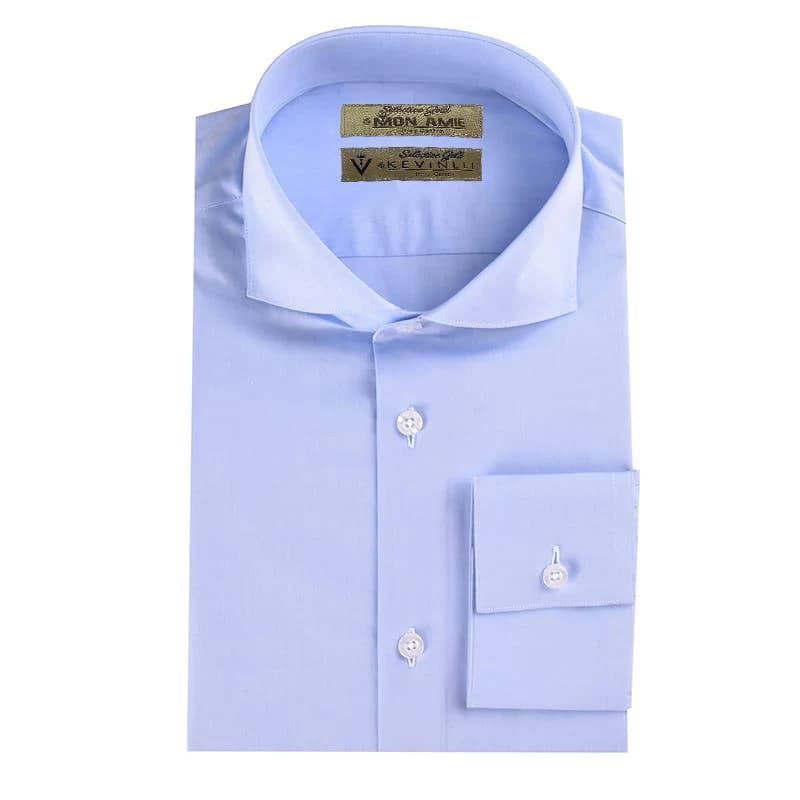
Seven in the morning, twenty minutes on a motorbike in the sun, and by the time you reach the office there is a damp patch across your back. You walk into the air conditioning, and that wet patch sits cold against you for another half hour. A shirt worn in Saigon has to survive both stretches, and the fibre decides most of whether it is comfortable or not.
The short answer
In Saigon, a shirt for work or for wearing under a suit should be made in 100% cotton with a light weave such as poplin. Cotton blended with bamboo or modal feels softer and cooler to the touch, which suits anyone who dislikes stiff cloth. Linen is the coolest in direct sun but creases heavily, so keep it for weekends. If you sweat a lot, avoid cloth blended with a lot of polyester.
What hot weather asks of a shirt
In this city a shirt does three jobs at once. It has to let heat escape when you are outdoors, absorb sweat so it doesn't cling to your back, and not hold a damp layer against your skin for too long when you walk into a cold room. All three depend on the fibre, the thickness and the weave.
- Fibre: cotton, linen and the regenerated fibres from wood pulp or bamboo pulp, such as modal and bamboo, all absorb moisture well. Polyester barely absorbs any, so sweat sits between shirt and skin.
- Thickness: thin cloth breathes better, but too thin shows your undershirt and sweat marks.
- Weave: poplin is a flat, light, cool weave. Oxford has a basket-like texture, thicker, durable and a little warmer. Twill is a fine diagonal weave, firm and also warmer than poplin.
The names and how to recognise each weave are in what fabric is a men's shirt made from; this article only considers one question, heat.
Comparison in Saigon's climate
The comparison is at the thickness normally used for work shirts. It is based on trade experience, not laboratory measurement.
| Cloth | In sun, on a bike | When you sweat | In air conditioning | After a day | Suits |
|---|---|---|---|---|---|
| 100% cotton poplin | Breathes | Absorbs well, dries moderately | A damp back feels cold for a while | Creases at the elbows and back | Work, wearing under a suit |
| Cotton oxford | A little warmer than poplin | Absorbs well | Fine | Creases less than poplin | Work without a jacket, weekends |
| Cotton-bamboo blend | Soft, cool to the touch | Absorbs a lot, hangs close to the body when wet | Fine | Creases almost like cotton but the creases are soft | Those who like soft cloth, hot days |
| Cotton-modal blend | Smooth, cool | Absorbs well | Fine | Usually creases a little less than cotton | Long days, evening events, dark colours |
| Linen | Cool, dries fast | Absorbs and dries fast | Slightly chilly | Creases heavily | Weekends, outdoor receptions |
| Cloth with a lot of polyester | Stuffy | Clings to the back, holds odour | Fine | Hardly creases | Uniforms that need a lot of washing |
The table misses one factor, colour. Sweat marks show clearly on pale blue and pale grey; white, fine stripes and small patterns hide them better. If you sweat heavily across the back, keep a few patterned shirts in the wardrobe.
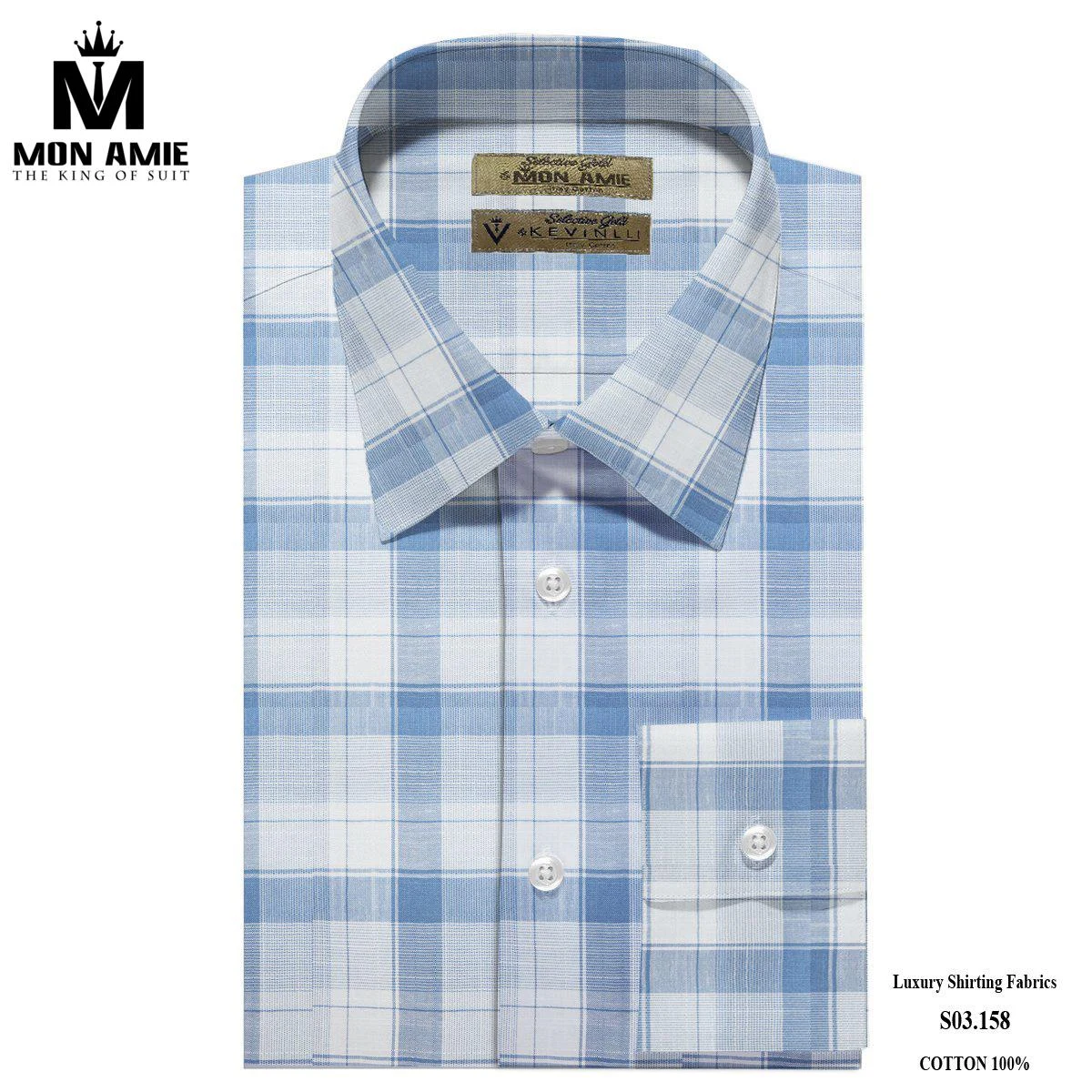
Choose 100% cotton when
- You wear the shirt under a suit and need the collar and cuffs to stand up all day.
- You work five days a week, wash the shirt constantly and need it durable.
- You spend most of the time in air conditioning and only go out into the sun for short stretches. A thin poplin is the safe choice for the whole wardrobe.
Choose a cotton-bamboo or cotton-modal blend when
- You find cotton stiff and want cloth that feels soft and cool as soon as you put it on.
- It is a long day with a lot of sitting, and you want fewer crease marks when you stand up.
- The shirt is a dark colour or for an evening event and needs a slight sheen. Modal holds deep colours well.
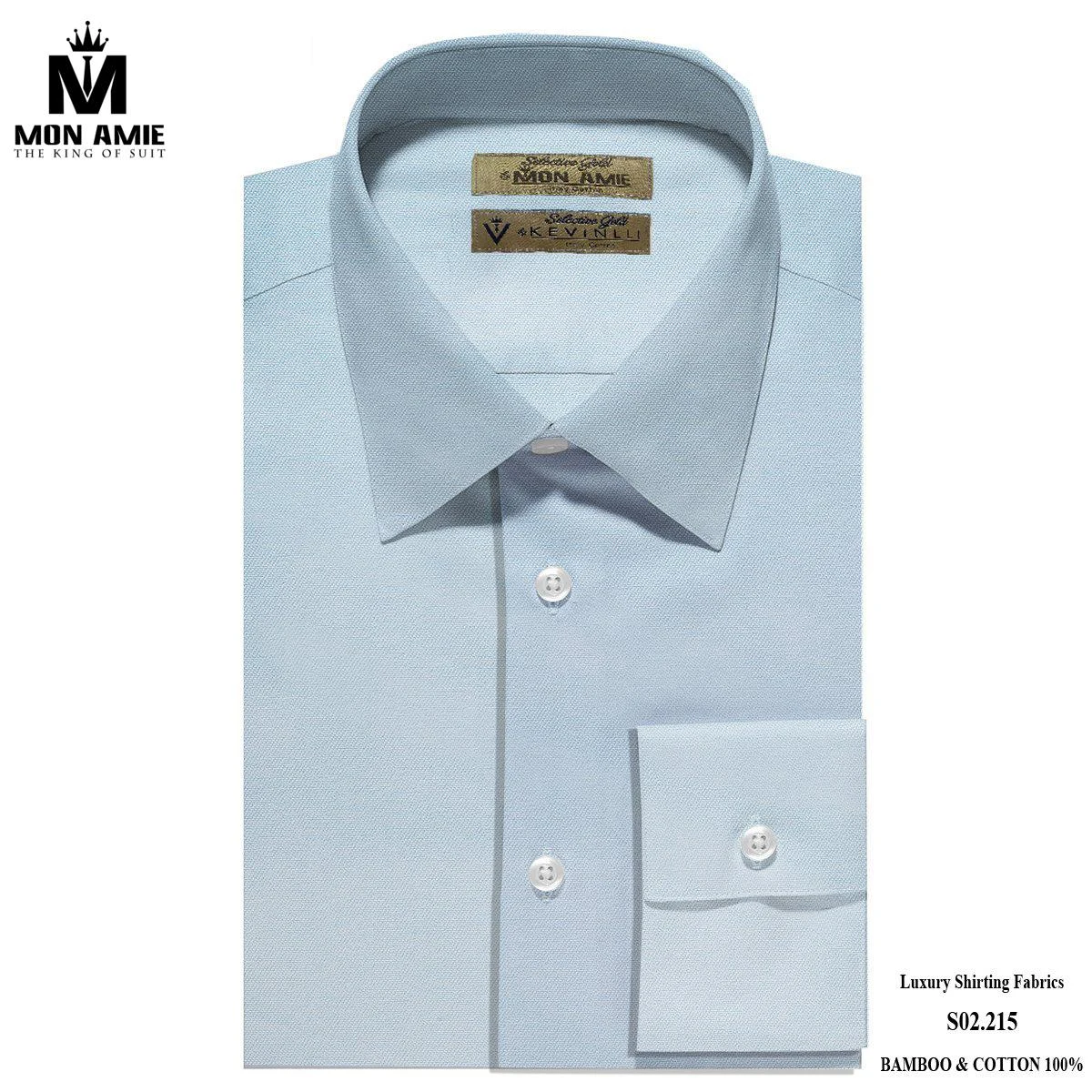
Choose linen when
- It is an outdoor wedding, the beach, weekend coffee, or a long time standing in the sun.
- You accept creases as part of the shirt.
- You don't plan to wear it under a suit to a meeting, because linen creases show clearly at the collar and placket.
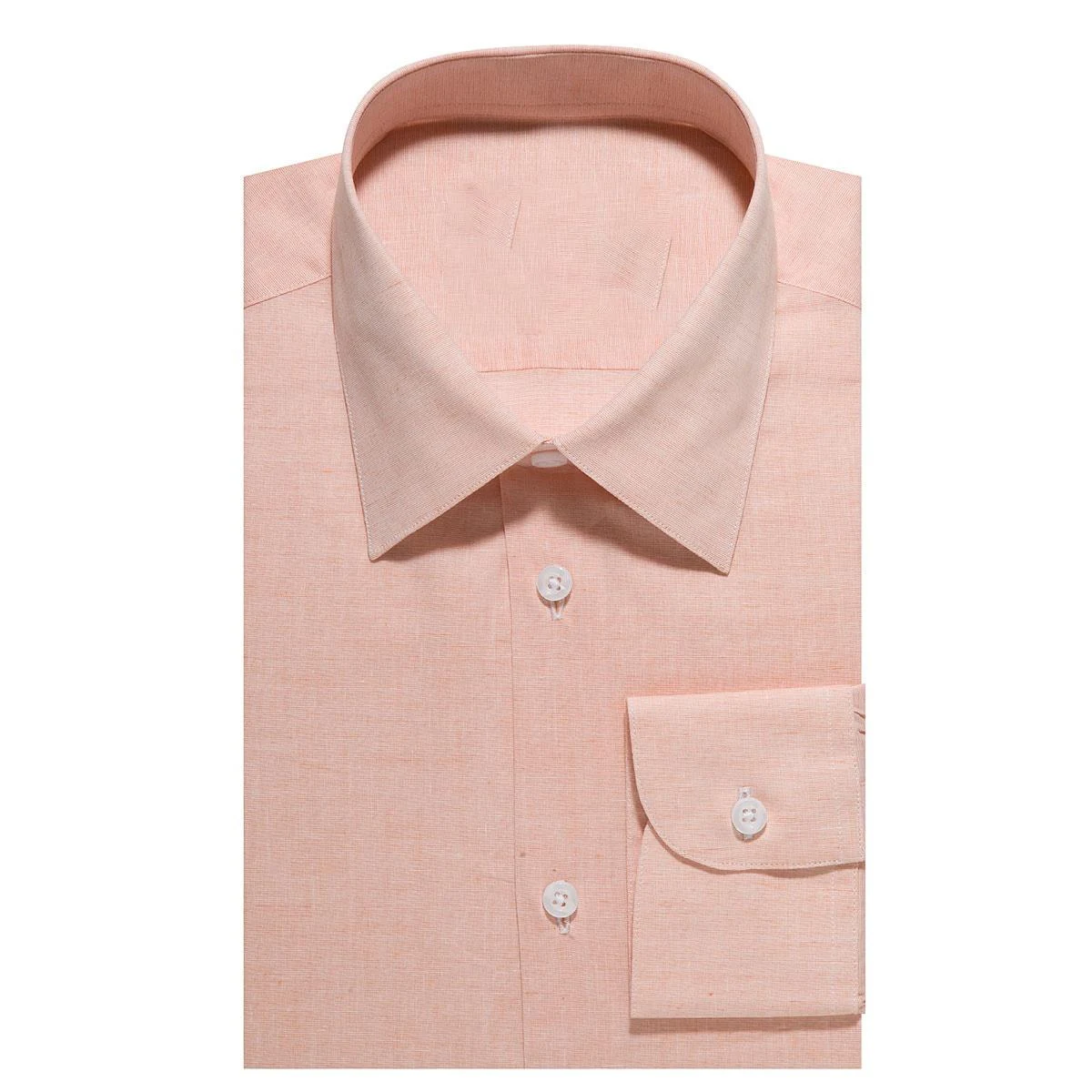
The model SM-107 is a linen shirt for weekends, with a medium spread collar and no need for a tie.
Avoid cloth with a lot of polyester when
- You ride a motorbike, spend a lot of time in the sun or sweat easily.
- The shirt has to be worn all day without changing. It really does crease little, but by the afternoon it is usually stuffy and holds odour.
Polyester still has a place: uniforms that need frequent washing, hard wear and a low price. For a shirt you wear for yourself, it is the weakest choice in hot weather.
What Mon Amie recommends
For the office, worn under a suit: the 100% Cotton line, in a thin weave, VND 1.7 million a shirt. For something softer and cooler to the touch at a lower price: Cotton Bamboo at VND 1.2 million or Cotton Modal at VND 850,000. Prices exclude 8% VAT; how each cloth feels to wear and how to split the budget across a wardrobe are in is a cotton shirt good.
For someone who commutes by motorbike, the shirt wardrobe should lean towards thin white cotton and fine stripes for meeting days, with one or two bamboo shirts for the scorching days. Don't wear the suit jacket while riding at midday; fold it inside out into a shoulder bag and put it on when you arrive, as in the tips in wearing a suit in summer.
Frequently asked questions
Should I wear an undershirt under a dress shirt in hot weather?
Yes, if it is a very thin cotton or modal one with a deep V-neck so it doesn't show at the collar. The undershirt absorbs sweat first, so the shirt stays drier and the underarms stain less. Choose a colour close to your skin tone rather than white, because a white undershirt under a white shirt actually shows more.
Is it worth making a short-sleeved shirt?
You can make one to wear on its own on hot days, for outings or site visits. A short-sleeved shirt isn't worn under a suit, because no cuff shows at the wrist. For an office, a long-sleeved shirt rolled up two turns usually looks neater.
Is “non-iron” shirt cloth cool?
Usually less breathable than ordinary cotton, because most of it is a polyester blend or has been finished to stay flat. The advantage is less ironing, useful for business trips. On hot days, with a lot of time outside, thin cotton is more comfortable.
What do I do about yellowing at the collar and underarms of white shirts?
Wash the shirt the same day; don't leave it damp with sweat overnight. A stain left to sit soaks into the fibre and is very hard to remove. If you use a roll-on deodorant, wait until it is completely dry before putting on the shirt, which also reduces yellow marks under the arms.
One shirt to try first
If you try only one shirt: a 100% cotton poplin in white or a fine stripe, worn for a week at work, then decide on the next. Book an appointment and visit a showroom to feel the sample shirts in each cloth before choosing.