
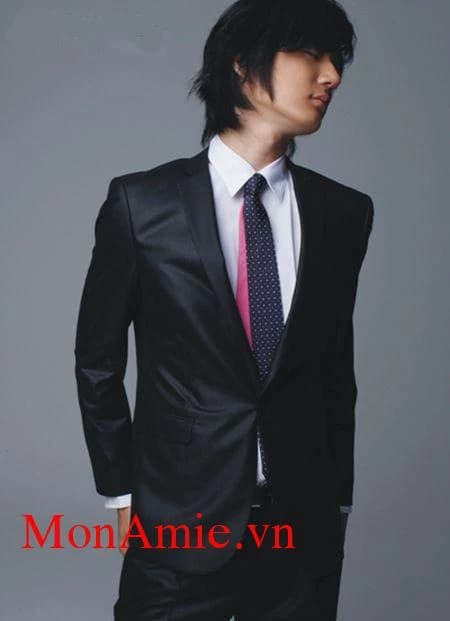
Set two navy suits of the same colour side by side on the cutting table and an untrained eye will say they are identical. A master tailor is different: a glance at the lapel width, the trouser leg and the height of the armhole is enough to tell which was cut in the classic tradition and which is a modern men's suit. The difference is measured in a few centimetres, but it is enough to make a man look as if he stepped out of an old photo album, or as if he has just left a first-quarter meeting.
The short answer
A modern men's suit differs from a classic one in six details: a soft shoulder, a shorter jacket, a narrower lapel, a higher armhole with a slimmer sleeve, a shaped waist, and tapered trousers in place of full, pleated legs. The classic suit is imposing; the modern one is lean and young. The right level of modern is the level that still looks good after a few years.
Comparison table: classic suit vs modern suit
The measurements below are commonly used reference values in the made-to-measure trade and will vary with size and build.
| Detail | Classic suit | Modern suit |
|---|---|---|
| Shoulder | Clearly padded, square and firm shoulder line | Soft or natural shoulder, lightly padded |
| Jacket length | Covers almost the whole seat | Shorter, just covering the seat or a little higher |
| Lapel width | Wide, about 8–10 cm | Narrower, about 6–8 cm |
| Armhole and sleeve | Low armhole, roomy sleeve, comfortable | High armhole, slim sleeve fitted around the bicep |
| Waist | Relaxed, little waist suppression | Clearly suppressed waist, trim body |
| Trouser leg | Wide, about 22–24 cm, pleated, straight hem | Tapered, about 17–19 cm, few pleats or none |
| Number of buttons | Two buttons, three buttons or double-breasted | Mostly one or two buttons |
One thing worth remembering that they share: classic or modern, the basic structure of a suit is still a jacket with a proper shoulder, lapels, buttons, lining and trousers. What changes is the proportion between those parts.
Each detail up close
Shoulder: where the difference is clearest
A classic shoulder has padding and firm structure, giving a square shoulder line that suggests authority. A modern shoulder is softer, with the line following the wearer's actual shoulder bone almost exactly. If you have sloping shoulders, a soft shoulder will suit you very well; if you have broad, level shoulders and want to add presence, keep a moderate amount of padding. The article What is the shoulder? The suit shoulder line goes deeper into this detail.
Jacket length and armhole height
A classic jacket is long enough to cover the seat, with a low armhole, so it is comfortable but can make the figure look “boxy”. A modern jacket is a little shorter with a higher armhole: the sleeve fits closely, and when you raise your arm it doesn't drag the whole body of the jacket up with it. For a tall man, a moderately shorter jacket makes the legs look longer; for a shorter man, don't go too short, because the figure will look stumpy.
Lapel width: the narrower, the more “modern”, but not to extremes
A wide lapel suits a classic jacket and broad shoulders. A narrow lapel makes the upper body trim and young, but a lapel that is too narrow will look out of tune on a man with a full chest or big shoulders. Choose the lapel width by the proportions of your face and build rather than by fashion: see also What is a lapel? How to choose a suit lapel.
Trouser leg and hem
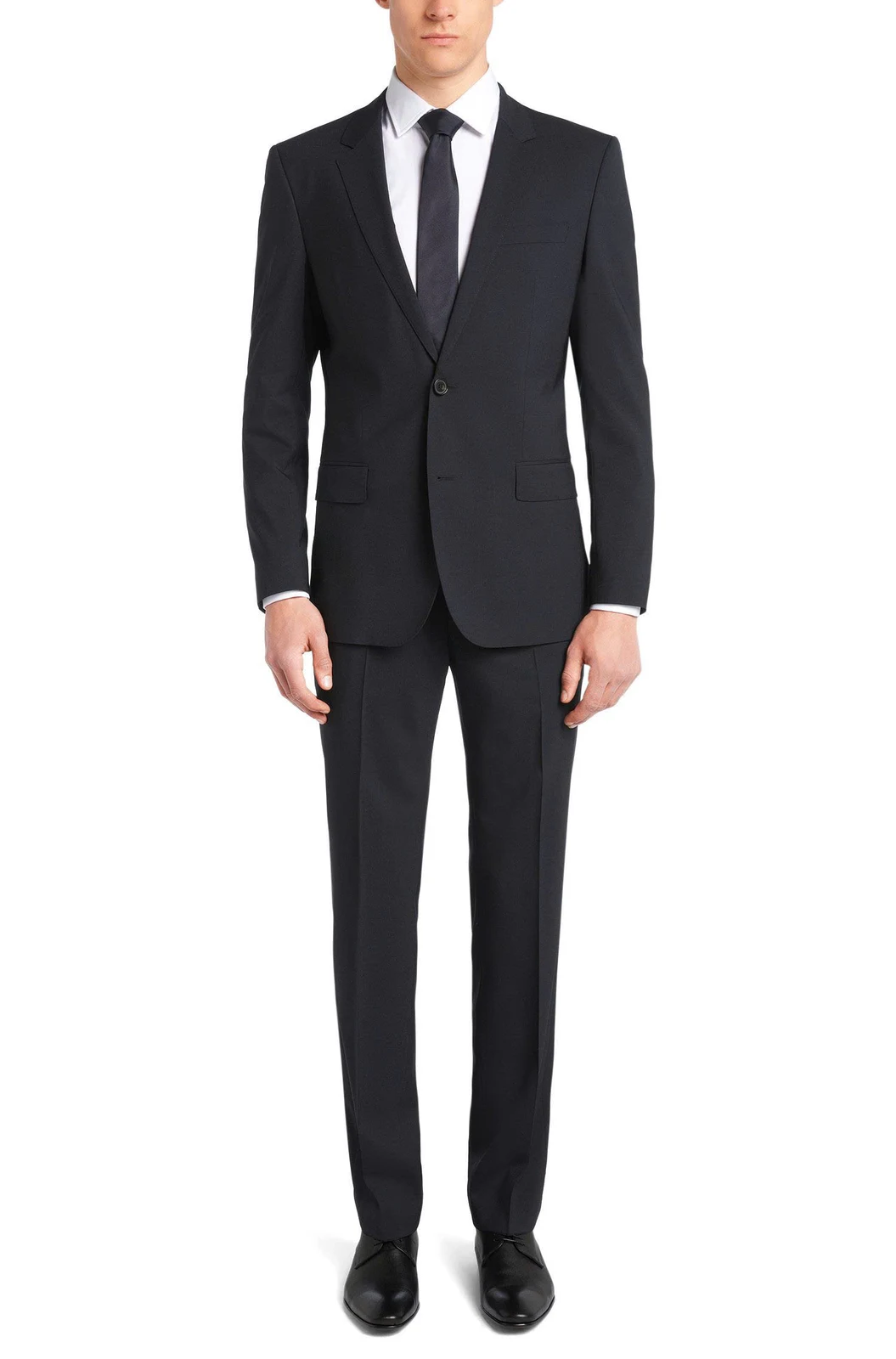
Modern trousers are usually tapered, with few pleats or none, and a clean hem that just kisses the shoe. Classic trousers have a full leg, prominent pleats and a straight hem. An easy rule to remember: the more tapered the leg, the shorter and cleaner the hem should be, so that just a little of the shoe's upper shows.
How to choose a “modern enough” level
Not everyone should wear an extreme modern suit, and it isn't something to chase either. You can ask yourself three questions:
- What is my working environment? Banking, law and finance usually favour the classic suit or a restrained modern one; creative fields, media and start-ups are more relaxed.
- What suits my build? Slim men suit a fitted jacket; fuller men should choose a moderately fitted jacket and avoid tightness, because a jacket that is too tight shows up the fuller areas.
- How many years will this suit be worn? If you want to wear it for a long time, choose a medium lapel, a medium trouser leg and a neutral colour. Overly “fashionable” points such as an ultra-narrow lapel or cropped trousers date quickly.
For most working gentlemen, a restrained modern men's suit, meaning a soft shoulder, a medium lapel, a trim jacket and slightly tapered trousers, is the kind of jacket you can wear a hundred times and never get wrong.
What is the difference between a new-style suit and a fashion suit?
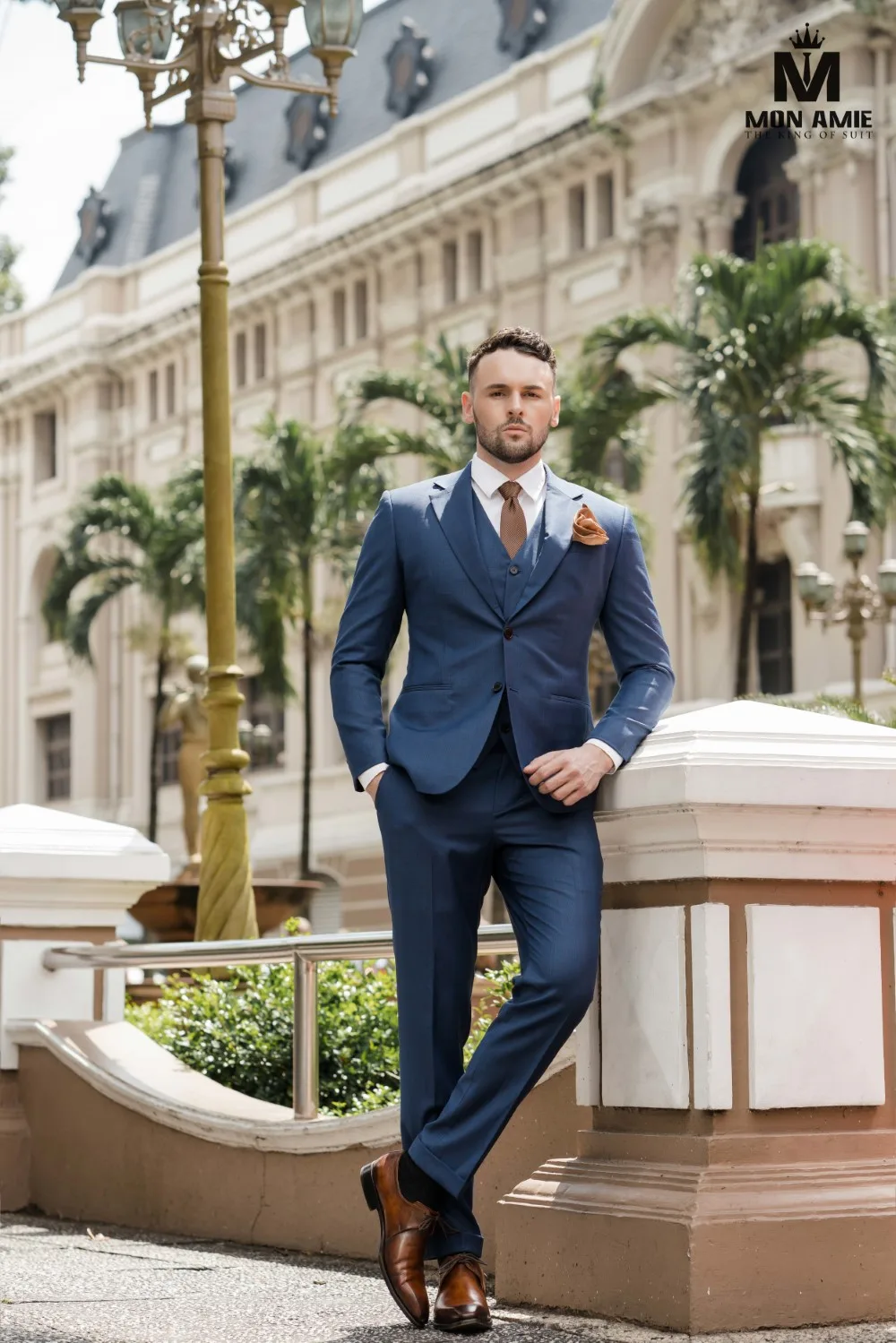
People searching online often type “new-style men's suit” or “fashion suit for men” to mean suits with unusual details: unexpected colours, bold patterns, special buttons, shimmering cloth. That is the “decoration”, whereas “modern” describes the cut. The two are independent: you can perfectly well wear a plain navy modern suit, very discreet and still thoroughly of today. Colour and pattern should be added gradually, once you already have a few foundation suits.
Common mistakes when choosing a modern suit
- Choosing too tight. Easy-to-spot signs: horizontal creases across the back, or the jacket button pulled into an X shape. A modern suit is trim, not tight.
- Chasing an ultra-narrow lapel. It dates quickly and looks out of balance on broad shoulders.
- Trousers that are too short and too tapered. They look like your younger brother's trousers; let the hem just kiss the shoe.
- Pairing a modern suit with heavy, classic shoes. Choose shoes with a slim toe and a thin sole so the whole look works together.
Tips from Mon Amie's master tailors
When trying on a jacket, stand straight, let your arms hang naturally, then fasten one button. If the jacket fits well, you will see the front panels lie flat, the collar hugging the shirt collar, and the sleeve fitting the bicep while still letting you raise your arm. Sufficiently detailed measurements make this much easier, which is why the made-to-measure journey at our showroom takes more than 30 measurements for each client. You can read more about the tailoring process or try combining styles right away with the design-your-own-suit tool.
Frequently asked questions
What is a “new-style” men's suit?
That is the familiar name for suits with a cut or details close to today's trends: a trim jacket, a medium or narrow lapel, tapered trousers. They can be a neutral dark colour or bolder colours, depending on the occasion.
Can a modern suit be worn to a corporate office?
Yes, if you choose a restrained version: good wool cloth, in navy, grey or black, with a moderately fitted cut. For very traditional industries, choose a gentle level of slimness and avoid overly prominent details.
Is the classic suit still in style?
Yes. The classic cut is elegant, stands the test of time and suits middle-aged men or fuller builds very well. Many people choose a “modern classic”: keeping a firm shoulder, a moderate lapel and a jacket that fits the body.
What colour should a fashion suit be so it doesn't go out of style quickly?
Build your foundation with navy, charcoal or mid grey. For a more fashionable touch, add accents with the shirt, tie and pocket square, because these are easier to change than a whole suit.
Closing thoughts
The modern suit and the classic suit are not two opposing camps, just two ways of dividing the proportions of the same outfit. What matters is that the suit fits, suits your environment and is durable enough to be worn for many years. If you would like to try several proportions before choosing, come by the Mon Amie showroom and let a stylist compare the lapel, armhole and trouser leg on your own frame.