
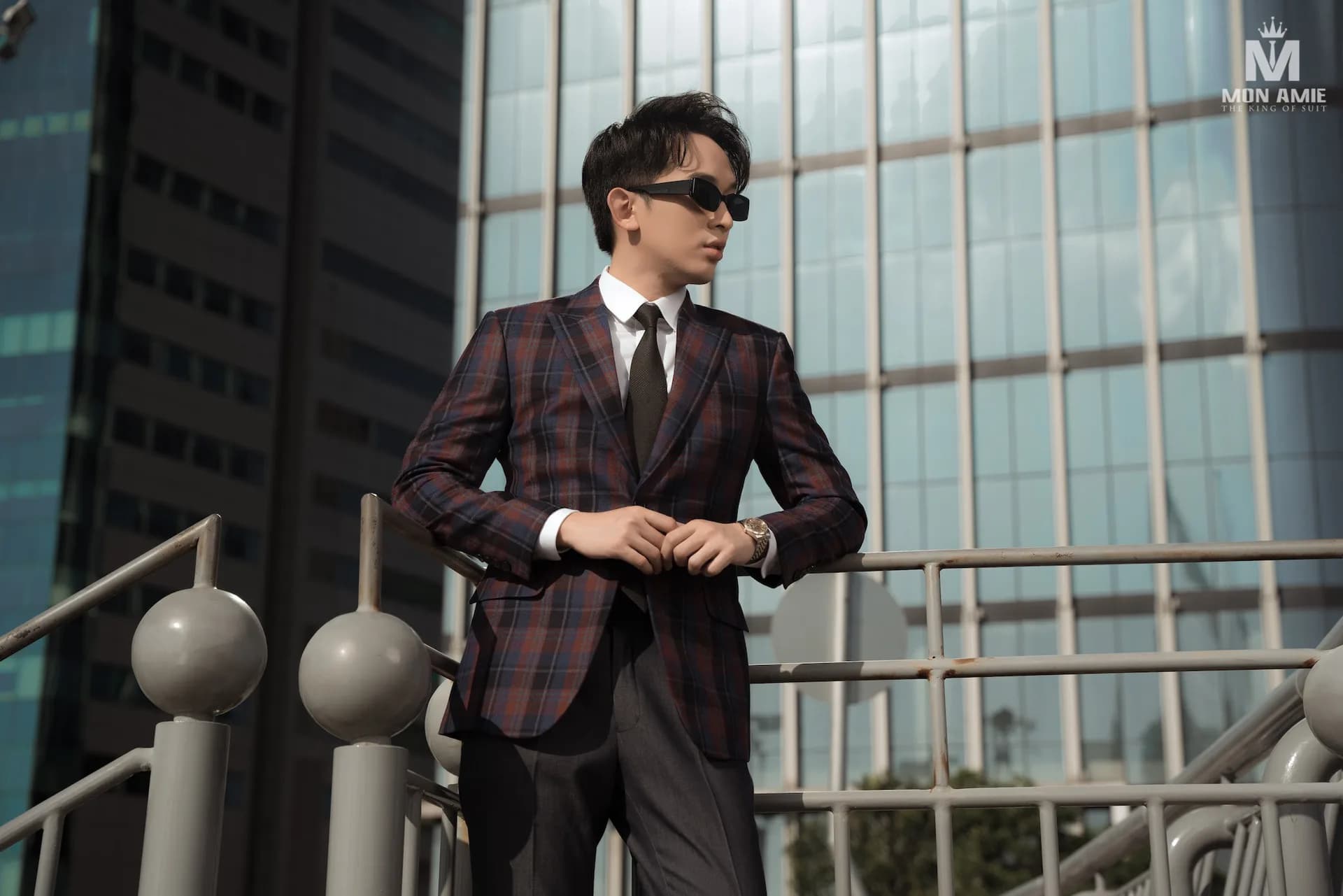
On a Sunday afternoon you pull out the blazer you wear to work to go for coffee with friends, and suddenly feel you are still sitting in the meeting room. The jacket isn't wrong; it is simply missing a few details to become a true men's casual blazer.
The quick answer
A casual blazer differs from an office blazer in six details: patch pockets instead of jetted pockets, a soft shoulder with little padding, a textured fabric such as tweed or linen, horn or matte metal buttons, half lining and a shorter hem. A blazer needs only two or three of these to be relaxed and still polished.
Six details that separate a casual blazer from an office blazer
1. Patch pockets instead of jetted pockets
Office blazers usually have jetted pockets (a flat slit, with or without a flap). Patch pockets are pieces of cloth sewn on the outside of the body, looking like the two pockets of a pair of jeans, and they give a much more down-to-earth feel. Patch pockets also make the overall look less like a “suit that has been split up”.
2. Soft shoulder, little padding
The shoulder is the “symbol” of seriousness. Heavy padding and a sharp shoulder line give a sense of authority. A casual blazer usually has a soft shoulder, a shoulder line that falls naturally and a lightly gathered sleeve head, which feels more approachable. You can read more in the article on the unstructured lightweight men's blazer.
3. Textured fabric
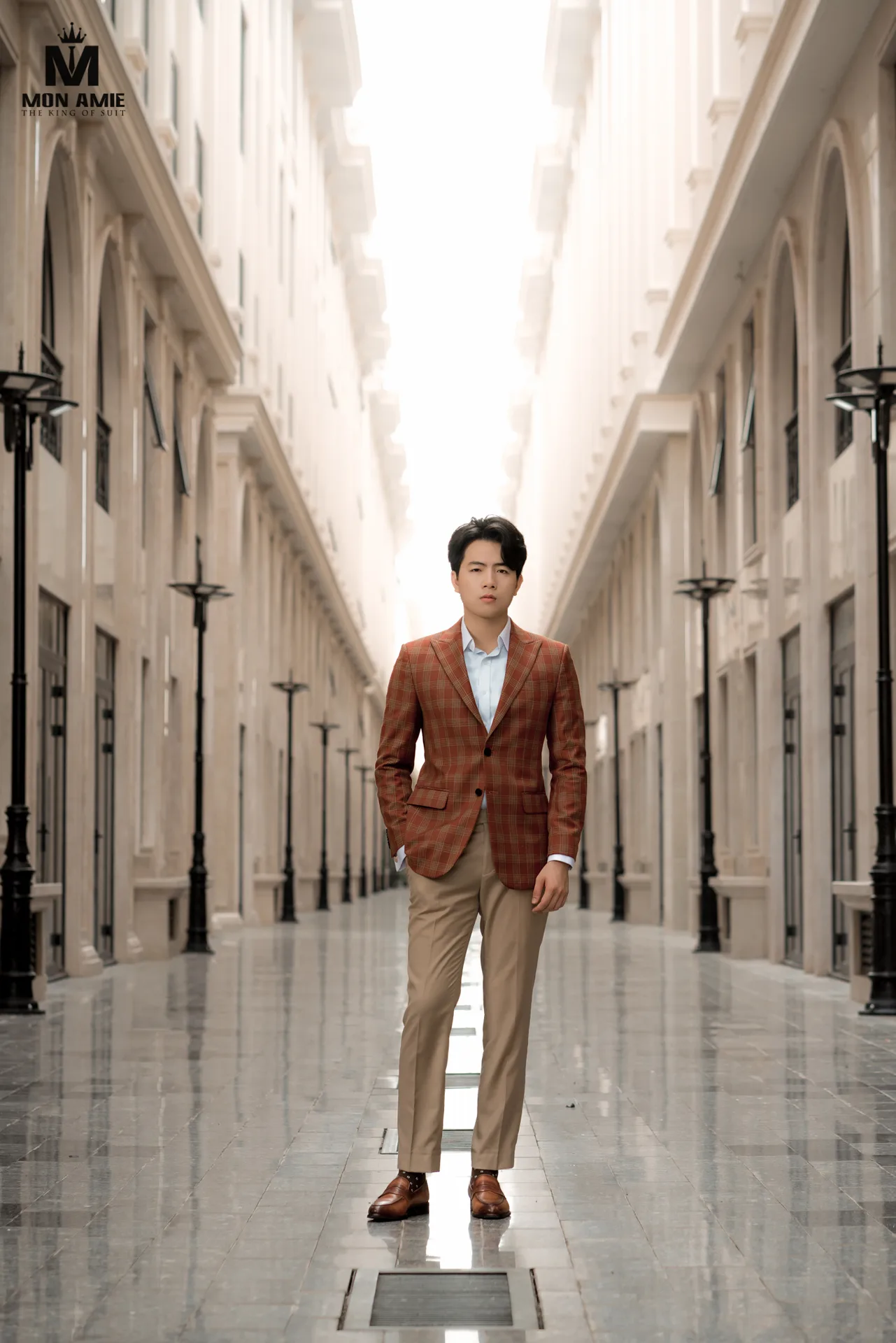
Office blazers are usually flat-woven, smooth and slightly glossy wool. Casual blazers lean towards tweed, flannel, hopsack, wool-linen blends, checks or herringbone. A grainy or textured surface catches the light more slowly and feels warm and friendly.
4. Horn, wood or matte metal buttons
Black plastic buttons or buttons in the cloth colour are the office standard. Horn, wood or leather buttons, or matte textured metal, are the detail that makes a jacket “step out of the office”. Don't choose shiny gold buttons if you want to keep a refined look.
5. Half lining or no lining
A half lining makes the jacket light and airy, and when you look inside you see neat bound seams. This is a detail that wearers rarely see when the jacket is on, but feel very clearly.
6. A shorter, rounded hem
A square hem gives a formal feel, while a rounded hem is softer. A slightly shorter length (reaching the fingertips when the arm hangs straight) keeps the jacket neat when paired with chinos and jeans.
A quick comparison
| Detail | Office blazer | Casual blazer |
|---|---|---|
| Pockets | Jetted, may have a flap | Patch, on the outside |
| Shoulder | Padded, sharp shoulder line | Soft, natural |
| Fabric | Flat-woven, smooth wool | Tweed, flannel, linen, check |
| Buttons | Black plastic or same as cloth | Horn, wood, leather, matte metal |
| Lining | Full | Half or none |
| Hem | Square, medium length | Rounded, slightly shorter |
What a men's casual blazer suits, and what to pair it with
| Occasion | Suggested colour and fabric | Pair with |
|---|---|---|
| Coffee, meeting friends | Beige, earth brown, light check | Oxford shirt, chinos, loafers |
| A relaxed day at work | Navy, blue-grey, textured fabric | Plain shirt, grey trousers, derby shoes |
| Travel, on the move | Wool-linen blend, light blue | Polo or plain crew-neck T-shirt, chinos |
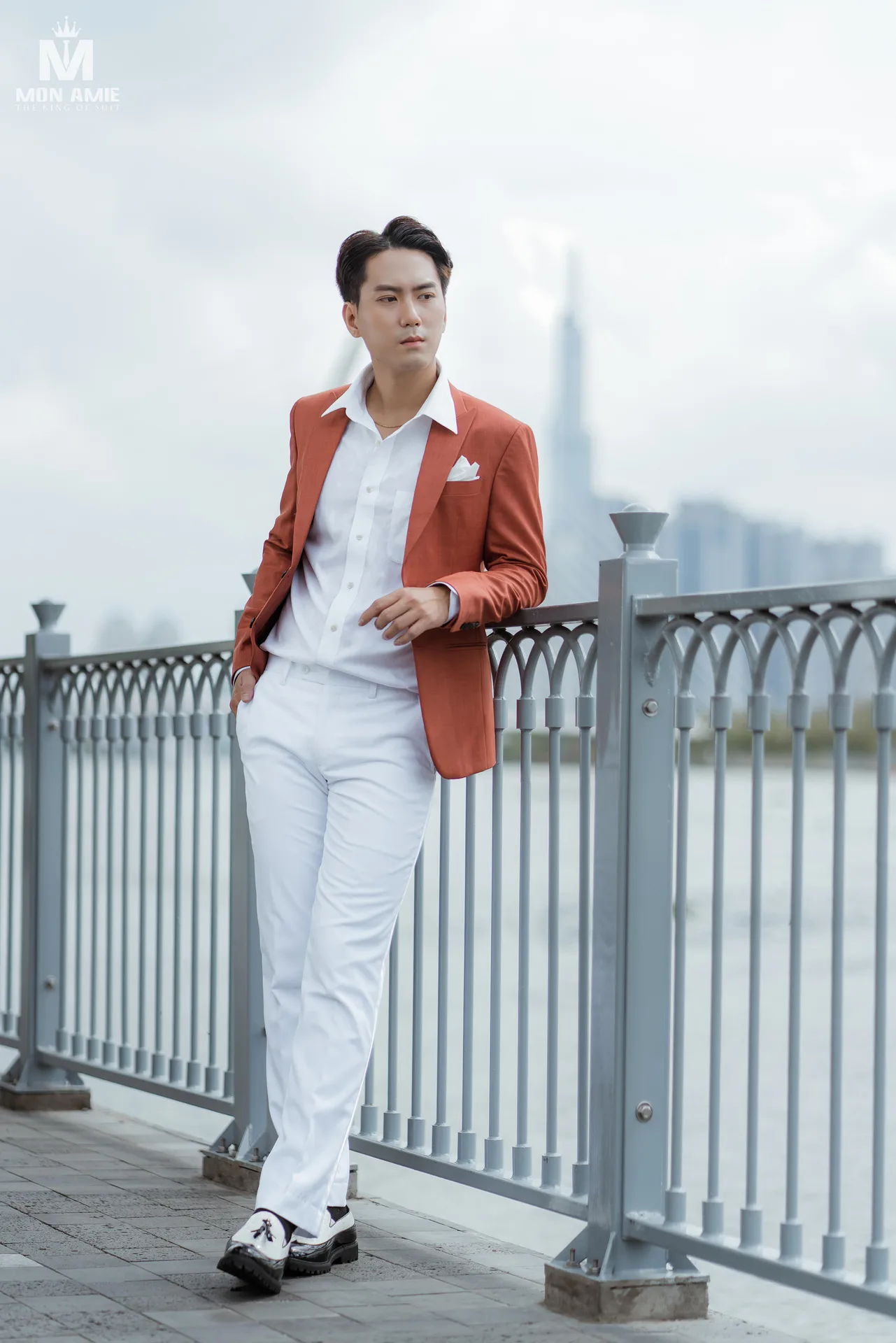
| Daytime outdoor party | Light beige, linen blue | White shirt, white or cream trousers |
| Evening date | Deep navy, dark brown | Black or deep blue shirt, dark jeans, boots |
What keeps a men's casual blazer from looking sloppy is the neatness of everything worn with it. Trousers with a pressed crease, clean shoes, a smooth shirt. The softer the blazer, the more put-together the rest needs to be to balance it.
The “two to three” rule
This is a rule the master tailors often repeat: a blazer needs only two to three casual details. If you gather all six, you end up with a jacket rather than a blazer, which means losing the smartness you meant to keep. For example:
- Soft shoulder + herringbone cloth + horn buttons: easy to wear, suited to both an informal meeting and a day out.
- Patch pockets + wool-linen blend + half lining: suited to travel and sunny days, but best avoided at formal events.
Blazers for younger men: three outfits to start with
- Beige or light blue blazer + light blue shirt + cream chinos. The gentlest outfit for a sunny day.
- Navy blazer + dark polo + dark blue jeans. A balance between respectable and youthful.
- Brown or grey check blazer + plain shirt + charcoal dress trousers. For wearing to work on Friday, the day when dressing more freely is allowed.
For more ideas, read how to style a men's blazer, and if you are still unsure between a blazer and a jacket, remember that a blazer has the shoulder, lapel and pocket structure of a suit jacket, while a jacket is usually softer and less structured.
Caring for a casual blazer so it lasts
Because casual fabrics usually have a surface texture and a soft canvas, the jacket needs more careful care than a firm blazer. Hang it on a wide hanger straight after wearing, don't stuff the patch pockets with heavy items because the pockets will sag and pull the front out of line, and steam lightly at the lapels and elbows rather than ironing hard. With tweed or flannel, brush gently along the direction of the cloth so the soft nap doesn't pill.
A tip from Mon Amie's master tailors
When making a casual blazer to measure, the first thing the master tailor asks is: “Where will you wear it most?” From that answer the pockets, buttons and length are decided. In the same charcoal-grey cloth, if you wear it to meetings choose jetted pockets, and if you wear it to coffee, patch pockets suit better. The measuring and baste fitting in bespoke tailoring let you see the details on your own body, not just on a model.
Common mistakes
- Using shiny metal buttons, which makes the whole jacket lose its casual character.
- Choosing a casual fabric that is too thick, which feels stuffy on a hot day.
- Letting the sleeves run too long. On a casual blazer the sleeve should reach the wrist bone and show about 1 cm of shirt cuff.
- Wearing a wide tie with it, so the overall look is confused between two styles.
Frequently asked questions
Can a men's casual blazer be worn to work?
Yes, if the office allows relaxed dress. Choose a neutral colour, a fabric with little pattern, and pair it with a shirt and dress trousers or chinos so the whole look is polished enough.
Which blazer style for men suits younger guys?
A slim navy blazer with a soft shoulder, paired with a polo or an oxford shirt and chinos, is the easiest starting outfit. If you want to stand out more, try a light check in brown or grey.
Is a blazer style any different from an ordinary blazer?
Only in details and how you style it. A blazer style usually stresses comfort, sometimes with less canvas or lining, or added patch pockets.
Should you have a casual blazer made in wool?
Yes. A textured woven wool such as hopsack or flannel still gives a comfortable feel while the cut holds its shape, far better than most synthetic fabrics.
Choose the right details for the right day
A good men's casual blazer is one that knows where it is going. If you would like to see the same fabric in several button and pocket styles, visit the fabric library or try the online suit design tool to combine details before booking with a master tailor.