
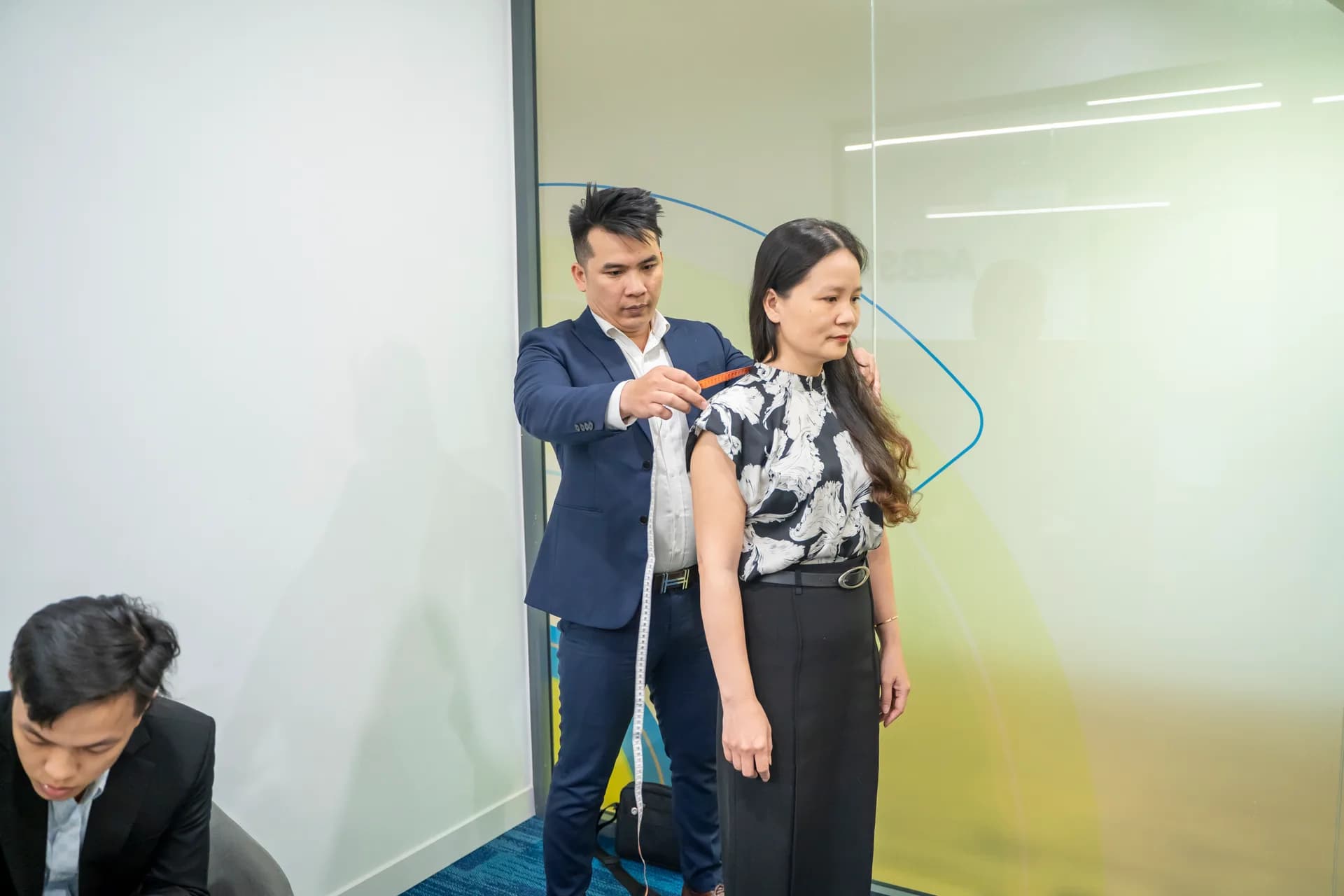
Turn out the inside of a suit pocket and you find a small label printed “100% Virgin Wool”. It sounds very grand, but what is virgin wool, and is it truly better than ordinary wool? The short answer: virgin wool tells you about the origin of the fibre, and says nothing about fineness or durability. Understanding one line on a label keeps you from paying for words instead of quality.
Quick answer
Virgin wool is wool taken from sheep's fleece and spun into yarn for the first time, never recycled from old garments. It differs from recycled wool. The label tells you the fibre is “new”, but softness, durability and the price of a suit still depend on micron, fibre length and weave.
What is virgin wool?
Virgin wool, also called pure new wool or pure sheep's wool, is wool fibre made from freshly shorn fleece, washed, combed, and spun into yarn for the first time. The word “virgin” here means “unused”; it has nothing to do with young sheep or with a premium ranking.
On international labels you will also see the phrase pure new wool. The two are generally used with the same meaning: new wool with no recycled content. When Vietnamese shoppers search for “sheep's wool fabric”, this is usually the category they are asking about.
Telling common wool labels apart
| Label | Meaning | Typical characteristics |
|---|---|---|
| Virgin wool, pure new wool | New wool, not recycled | Longer fibres, good elasticity, a soft and clean feel |
| Recycled wool | Wool recovered from old cloth or garments, shredded and re-spun into yarn | Shorter fibres, less durable, usually blended with other fibres to keep strength |
| Wool blend | Wool mixed with polyester, viscose, silk, cashmere… | Price, creasing, durability and hand feel depend on the blend ratio |
| Lambswool | Wool from the first shearing of young sheep | Very soft, often used for sweaters, rarely for suits |
| Merino wool | Wool from the merino breed, known for fine fibres | Smooth, light, wearable even in hot climates |
One point is often mixed up: merino is the name of a sheep breed, while virgin describes the state of the fibre. A cloth can be both merino and virgin wool. A virgin wool cloth may also not be merino and be much coarser.
Is virgin wool better than recycled wool?
In principle, yes, because new fibres are longer and keep their full elasticity. Recycled wool has been pulled apart at least once, so the fibres are shorter and the cloth tends to pill and wear quickly unless it is blended with other fibres.
But “better than recycled wool” is not the same as “absolutely good”. Three cloths all labelled “virgin wool” can differ as much as three different people:
- One with fine fibres, tightly woven, soft as silk.
- One with coarse fibres, loosely woven, itchy and quick to pill.
- One with medium fibres, durable, right for everyday wear.
What really determines quality
When reading a label, put “virgin wool” on your list, then ask four more things:
- Micron: the fineness of the fibre. The finer the fibre, the softer and lighter the cloth. The Super number (100s, 120s, 150s…) is the wool trade's way of converting micron into an easy-to-read figure.
- Fibre length: long, well-combed fibres (worsted) give a smooth, durable cloth that pills little. Short fibres (woollen) give a springy, warm cloth, right for tweed and flannel.
- Weave: twill, herringbone, hopsack, plain weave, each with its own drape, creasing and breathability.
- Fabric weight: light cloth suits hot climates; heavy cloth suits cold seasons and a structured silhouette.
The article premium wool cloth: what micron, Super and origin tell you goes deeper into the first three criteria. And if you are torn between pure wool and a wool blend, the article on wool blend fabric will help you compare.
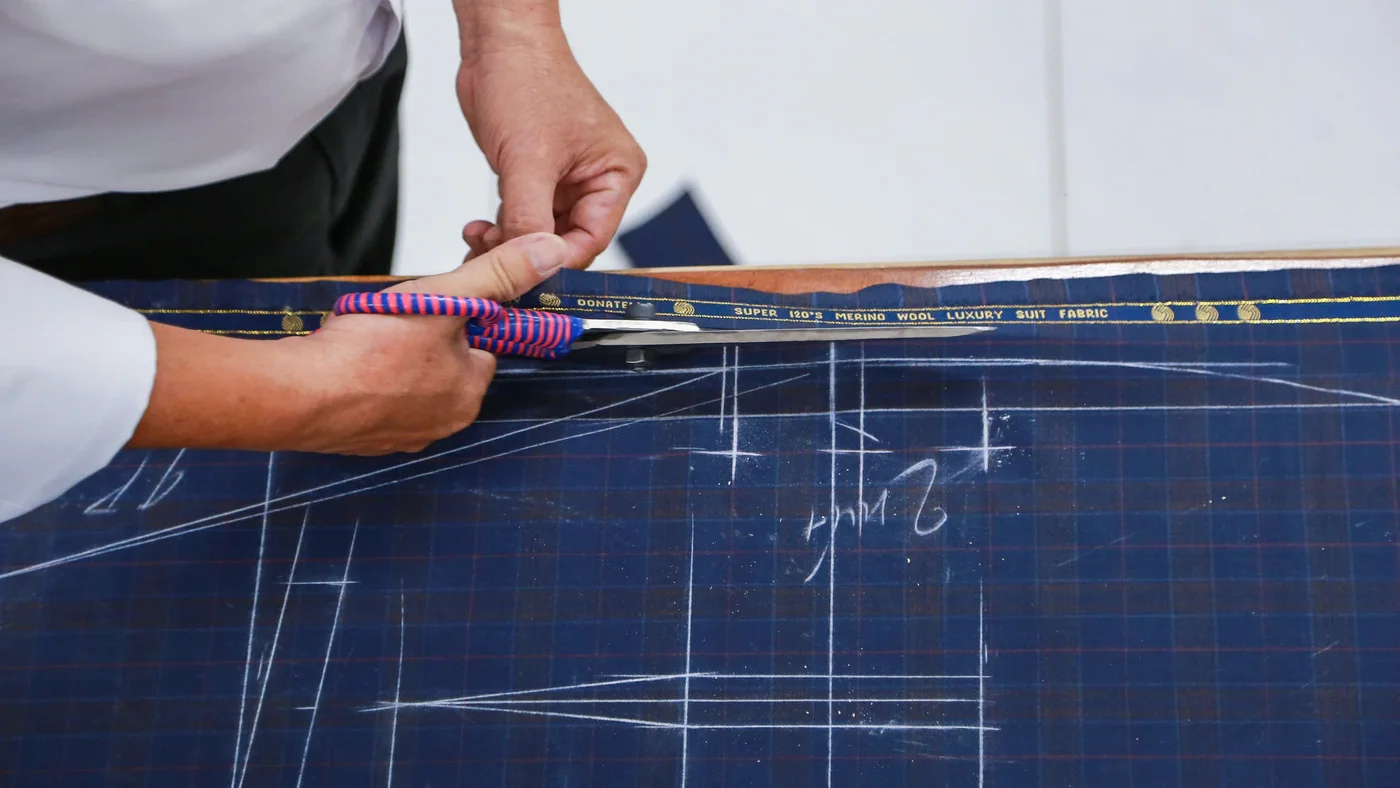
How does virgin wool affect durability and softness?
- Durability: new fibres are long and elastic, so a suit keeps its shape longer and pills less. But durability also depends on whether the weave is tight or loose.
- Softness: decided by micron, not by the label. A virgin wool 100s feels far gentler than a virgin wool 80s.
- Creasing: wool recovers from creases far better than many other fibres. Hang a jacket overnight and the creases fade away.
- Breathability: wool absorbs moisture and releases vapour well, so a wool suit worn for a long time doesn't feel stuffy like synthetic cloth, even in Ho Chi Minh City.
Virgin wool and the price of a suit
A suit's price is affected by several layers: the mill, the Super number, the wool percentage, the origin, and the workmanship. In Mon Amie's made-to-measure price list, wool percentage and s-count are divided by line:
- Essential (VND 4.8 – 10 million): Kevinlli cloth with 40–70% wool, 100s–140s, a standard-fit starting point.
- Signature (VND 10 – 20 million): Kevinlli with 80–100% wool 140s–150s, plus Dolce & Taylor, Luciano, Salford and Vercelli.
- Heritage (over VND 20 million): cloth from Italian and English mills such as Canonico, Holland Sherry, Dormeuil and Scabal.
Worth remembering: two cloths both labelled wool but with different percentages, different s-counts and different mills cannot cost the same. For the details of each line, see the price list.
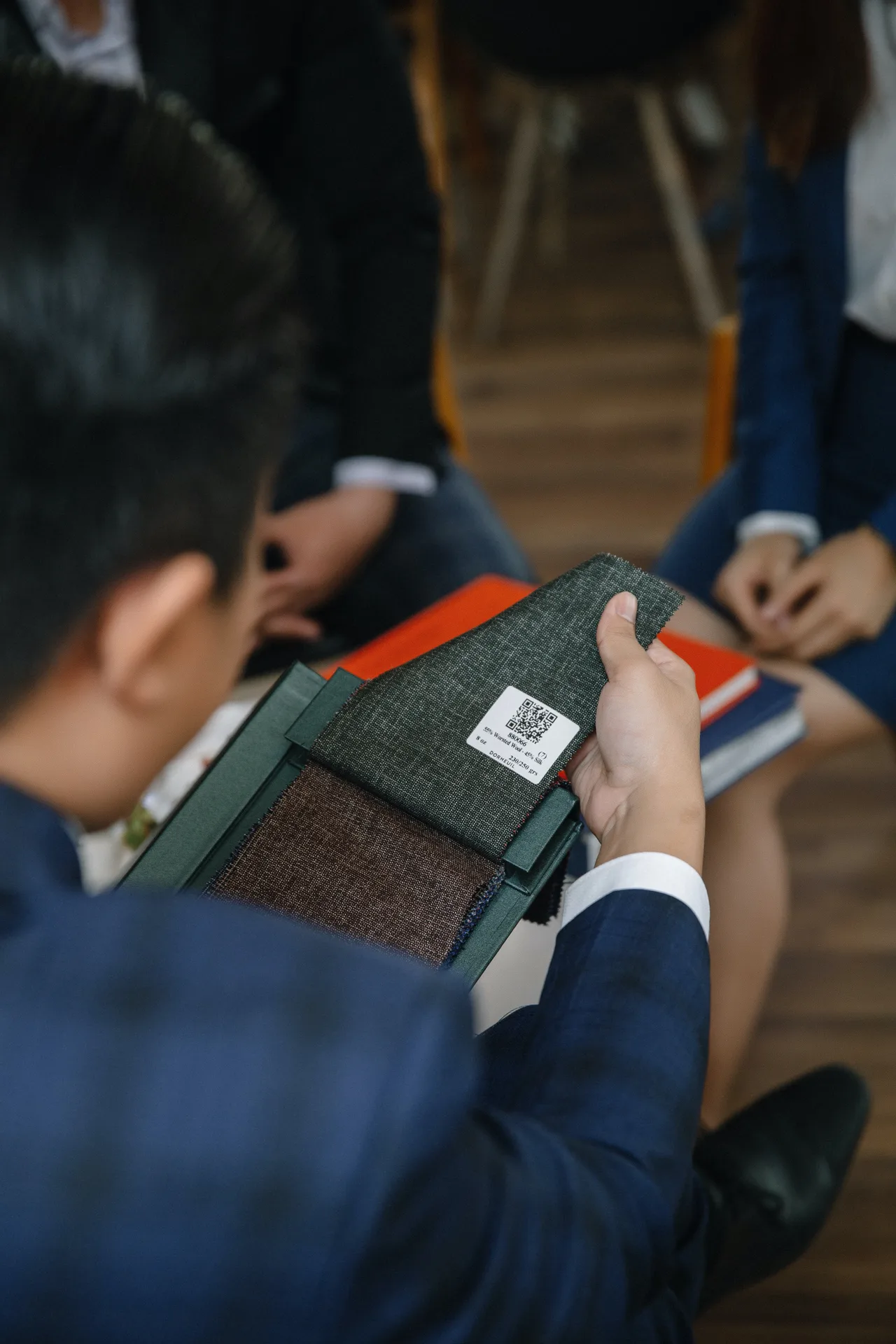
How to read a fabric label when buying or ordering
When you pick up a swatch or a suit, look for three lines:
- Composition: for example “100% wool”, “70% wool 30% polyester”. If it only says “wool” without making clear whether it is virgin or recycled, ask.
- Super number or weight: a figure such as 120s or 150s, or the weight in grams per metre of cloth. This number lets you compare cloths against each other.
- Place of weaving: the mill or the country. Note that a “Made in Italy” label on cloth usually tells you where it was woven, not necessarily where the sheep was shorn.
Common mistakes
- Assuming “virgin” means the softest and most luxurious. Coarse fibre can still be virgin.
- Confusing virgin wool with lambswool or merino. Three different concepts.
- Buying by a very high Super number. A Super number that is too high gives cloth that is fine but fragile, unsuited to daily wear.
- Not asking for the blend ratio. “Contains wool” does not mean “mostly wool”.
A tip from Mon Amie's master tailor
The master tailor has a very down-to-earth way of testing cloth: clench a corner of cloth in your palm for ten seconds, then let go. Good wool springs open by itself and the creases fade quickly. Poorer cloth crumples and keeps its creases. Also, touch the cloth with the inside of your wrist, where the skin is thinnest. If it itches or prickles, the fibre is coarse, whatever the label says. You can also come to Mon Amie's fabric library to touch, compare and hear a stylist explain each cloth. The question “is wool fabric good” is a very common one, and the article is wool fabric good answers this part in detail.
Frequently asked questions
Is virgin wool fabric hot?
Not as hot as many people think. Wool absorbs moisture and releases vapour well, so a light wool suit can still be worn in Ho Chi Minh City, especially when the cloth has a high Super number and a breathable lining.
Is sheep's wool fabric itchy?
Whether it itches depends on the micron. Coarse fibre feels prickly, fine fibre feels almost smooth. A suit using fine fibre and a lining rarely feels itchy.
Can sheep's wool fabric be washed?
A wool suit shouldn't be washed in water at home. Hang it in the open air, steam it lightly to flatten it, and dry-clean only when really necessary. For the detailed method, see the suit-care articles in our Journal.
How does sheep's wool differ from cashmere?
Sheep's wool comes from the fleece of sheep. Cashmere comes from goats. Cashmere is usually finer and lighter, but also more delicate and more expensive. Many suit fabrics blend in a percentage of cashmere to increase softness.
Closing thoughts
What is virgin wool? The answer fits in a few words: “new wool, not recycled”, a fact worth knowing but not enough on its own to choose a cloth. Read on for micron, Super number, weave and blend ratio, then choose according to how you wear your suits. If you want to put your hand on real cloth, book a fitting at Mon Amie and let a stylist walk you through each step of choosing.