
Your chest measures 96 cm. Two shirts, both labelled M, hang side by side: one is baggy, the other so fitted it looks hard to breathe in. The difference is not in the size but in the small word on the label: regular or slim. If you are wondering what a regular fit men's shirt is, here is how to read each cut using real measurements.
Quick answer
A regular fit is a straight-cut shirt with a moderately roomy body and sleeves, leaving extra fabric at the chest, waist and armhole for easy movement. Slim is closer, body fit follows the lines of the body, and oversize hangs loose. Under a suit, a slim or a trimmed regular usually fits best; avoid a roomy regular, since the surplus cloth bunches.
What is a regular fit?
Regular (also called classic fit, or straight cut) is a cut with generous ease around the body. Most wearers feel no pull anywhere when bending, raising an arm or sitting for a long time. How to recognise it:
- Straight body from armpit to hem, almost no waist shaping.
- Roomy armhole and sleeve, wider than in closer cuts.
- Shoulder seam sits at the shoulder point or slightly dropped.
- Long hem, usually worn out or tucked in.
This is the most comfortable cut, suited to those who move a lot or have a fuller build.
The regular fit men's shirt: pros and cons
Pros: freedom of movement, little strain on the buttons, suits a fuller build, comfortable worn outside the trousers, and, when buying a ready-to-wear shirt, it demands little precise measuring.
Cons: extra fabric in the body and armhole, so when tucked in it tends to bunch, looking less neat and a little “baggy”. Under a suit jacket, the surplus cloth is pushed behind the back and makes the jacket sit less smoothly.
That is why regular works best for shirts worn outside the trousers, for builds that need ease, and for casual occasions. When you need a clean line under a suit, consider slim or a trimmed regular.
Slim, body, oversize: what sets them apart
The cuts differ mainly in the ease of the shirt relative to the body's measurements. The figures below are for reference only; each brand and each tailor has their own standards:
| Cut | Chest ease | Body and waist | Armhole and sleeve | Feel |
|---|---|---|---|---|
| Regular | About 12 to 16 cm | Straight, slight shaping | Roomy | Comfortable, roomy |
| Slim | About 8 to 10 cm | Moderately tapered | Neat | Neat, still comfortable |
| Body (fitted) | About 4 to 6 cm | Close-fitting, clearly shaped | Very neat | Follows the lines of the body |
| Oversize | 20 cm or more | Loose, long | Very roomy | Relaxed, comfortable, fashion-led |
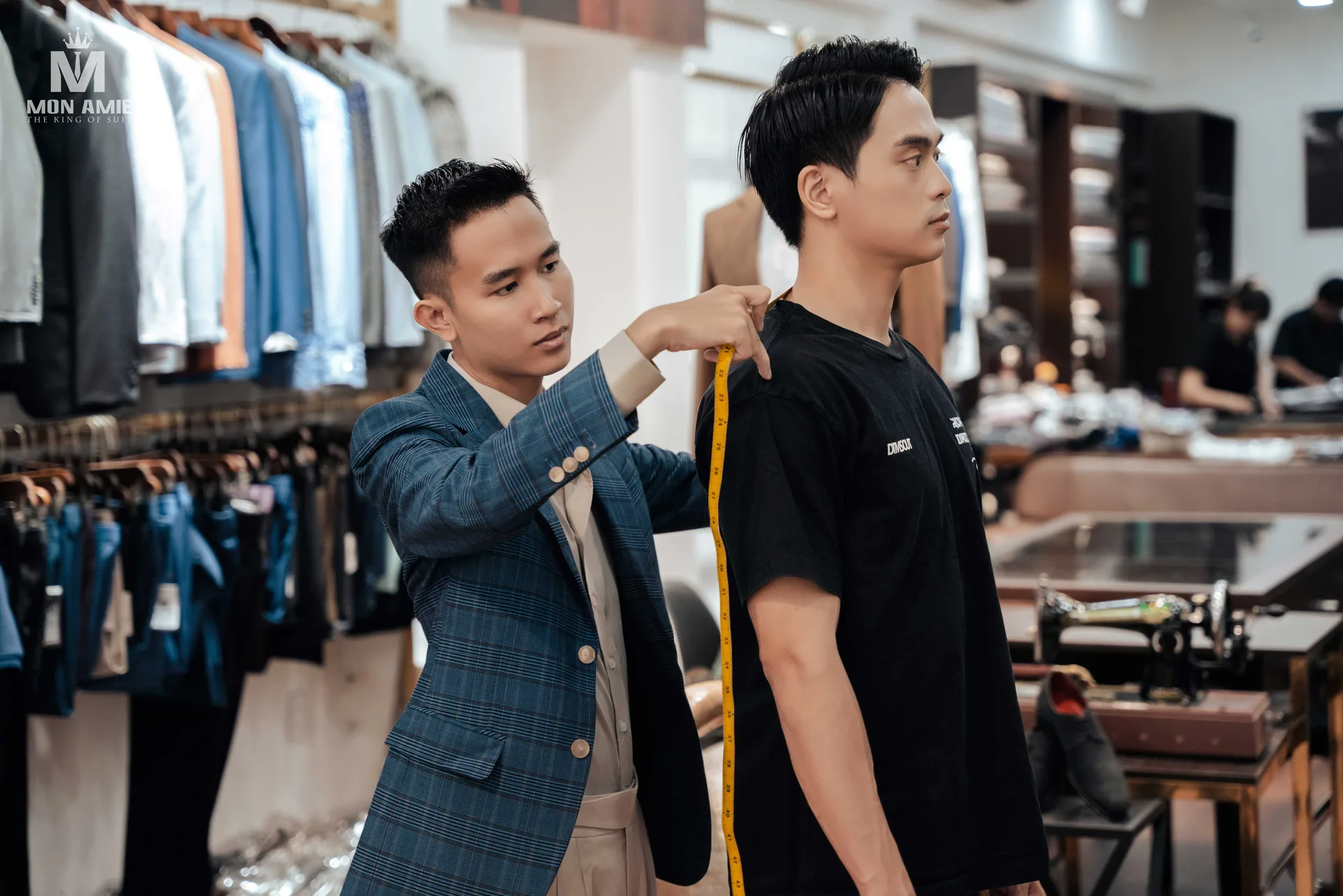
Reading the cut through three measurements: chest, waist, armhole
When choosing a shirt, look at three places:
- Chest: button up, then pinch the fabric at the side with two fingers. A regular lets you pull out a clear handful, a slim only a little, and a body fit almost none.
- Waist: a regular shirt is much wider than your actual waist, so tucked in it will bunch. Slim and body fit follow the waist, so the body is cleaner.
- Armhole: an armhole that is too low drags the shirt up when you raise your arm, while a high, neat armhole moves easily. This is the clearest difference between a good shirt and an ordinary one.
Which cut suits which build
- Slim build: slim is the safe choice. Body fit can show up thinness if cut too tight, and regular tends to look baggy.
- Fuller midsection: regular or a straight-cut slim. Avoid body fit, since the buttons strain and X-shaped creases appear at the belly.
- Broad shoulders, deep chest: slim with a high armhole. Avoid regular, since the body has surplus cloth.
- Shorter men: a moderate slim, with a moderate shirt length. Avoid oversize.
- Tall, slim men: regular or slim with long sleeves, and a body long enough not to pull out of the trousers.
Wearing a shirt under a suit: which cut to choose
Under a suit jacket the shirt needs to be neat, so that it does not leave surplus folds inside the jacket or make the jacket puff out. The two cuts that suit best are:
- Slim: balances neatness and comfort, and suits most builds.
- Tailored regular (a regular cut, trimmed): the body is lightly shaped, suitable for those who need a little more ease.
Both need a collar that stands well and fits closely enough for the tie to sit neatly. A white men's body fit or slim fit shirt gives the suit clean lines, but a body fit that is too tight strains the buttons, creases in an X at the chest and restricts movement.
For a similar article about suits, you can read how a slim fit suit differs from a regular fit to see the same logic applied to the jacket.
Why one brand's “size M” differs from another's
There is no common sizing standard. An M from one brand may equal an L from another, and two shirts both marked M but cut differently (regular and slim) will also differ greatly. That is why many people still cannot find a shirt that fits even after trying a dozen. If you are still wondering about choosing a size by weight, remember that weight is only a rough guide; as for fabrics, see the article what a men's shirt is made of.
A tip from Mon Amie's master tailors
A tailor does not choose a shirt by its label but by three questions: what will you wear it for, do you sit more or move around more, and will it be tucked in or worn outside. From the answers, the master tailor decides the ease at the chest, the shaping at the waist and the height of the armhole. On the same build, a man who sits at a desk all day is cut differently from one who is on his feet receiving clients. With made-to-measure, everything is calculated from your real measurements; you can see the bespoke tailoring service. If you live far away, online made-to-measure guides the measuring over a video call.
Common mistakes
- Choosing a size by weight without measuring the chest and shoulders.
- Assuming body fit is automatically the most flattering. A close fit looks good only when it is right; too tight just feels uncomfortable.
- Wearing a roomy regular under a fitted suit: the surplus cloth is pushed up the back.
- Forgetting to check the armhole and sleeve: the hardest places to alter.
Frequently asked questions
Is a straight-cut men's shirt the same as regular?
Yes, straight cut is regular: a straight body, moderate ease, little waist shaping. It suits those who like comfort or need to move a lot.
How does a white slim fit men's shirt differ from regular?
Slim is closer, with a more tapered body and neater sleeves. Regular is roomier at the chest, waist and armhole. Under a suit, slim is usually neater.
Is a white body fit men's shirt suitable for the office?
Yes, if your build is balanced and the measurements are exact. If it is too tight, the buttons strain and movement is restricted, so choose slim.
How does a premium body fit men's shirt differ from an ordinary body fit?
The difference is in the cut and the cloth: a high, neat armhole, a well-interlined collar, clean seams. The proportions are carefully calculated, so it fits close yet moves easily.
Which shirt cut suits men with a belly?
Regular or a straight-cut slim, with a body long enough and a smooth cloth. Avoid body fit and cloth that is too thin and clings to the belly.
Measure first, choose the cut after
Knowing what a regular fit men's shirt is helps you name what you need, but which cut suits you has to be tried on the body. If you are not sure which cut suits you, the fastest way is to let a master tailor measure you and have you try a few sample cuts for comparison. You can make an appointment through the booking page and say which occasions you wear shirts for, and the master tailor will advise from there.