
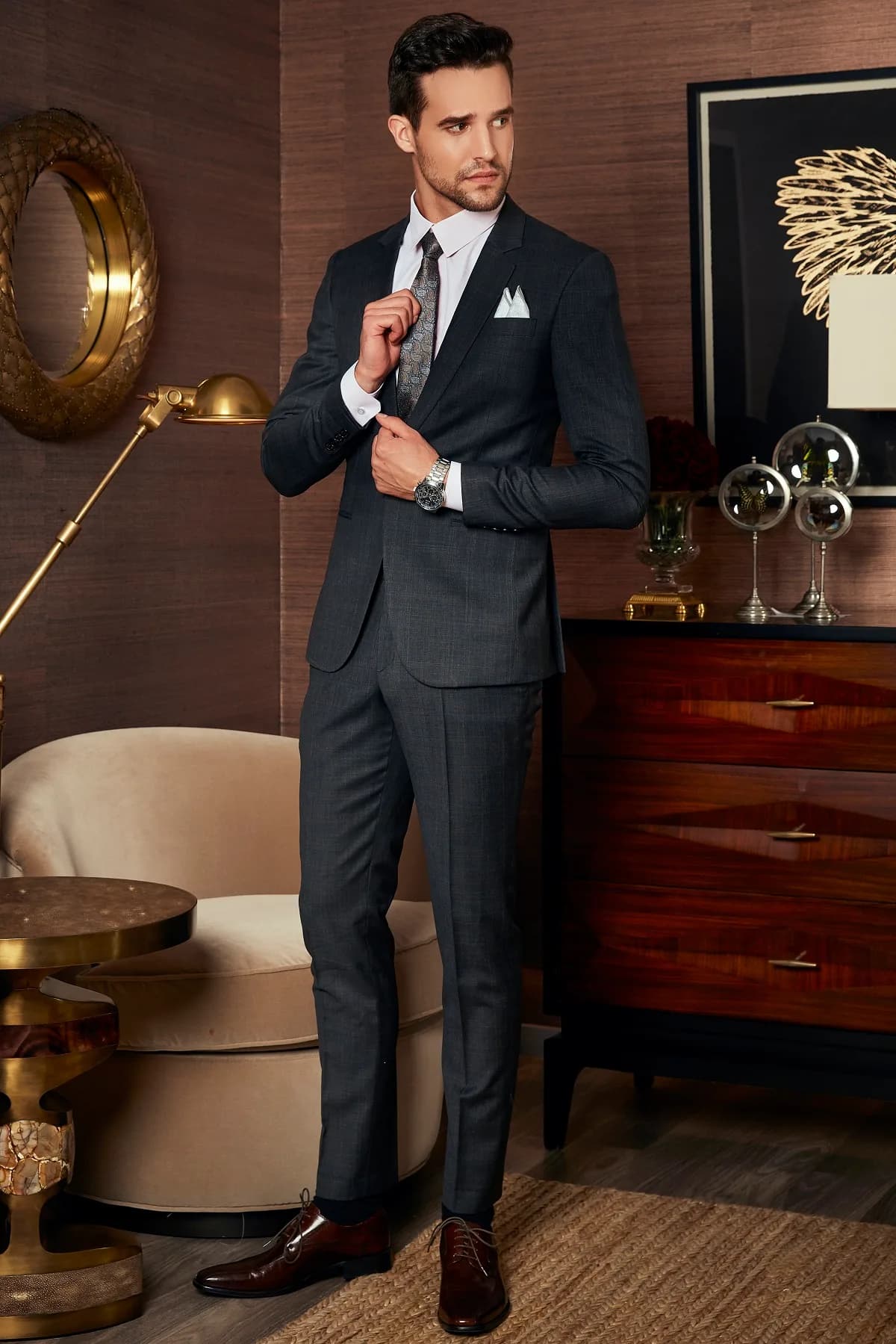
Stand tall and stretch both arms out in front of you, as if shaking hands with someone far away. If the back of the jacket pulls tight like a tarpaulin, or the whole body of the jacket rides up when you raise your arms, the slim fit suit you are wearing is already too tight, even if the label says it is your size. This small test tells you more than any size chart, and it is why a "snug but comfortable" fit is always harder than people expect.
The Short Answer
A slim fit suit takes in the body, waist and sleeves compared with a classic cut, but the shoulders must still fit exactly. Ease at the chest is usually only about 6–9 cm, compared with 10–14 cm for regular fit. Slim fit suits people with average shoulders and a lean torso; those with a belly or very broad shoulders should choose regular or semi-slim so they can still move.
What Is a Slim Fit Suit?
Fit refers to the cut, meaning how a jacket follows the body. A suit has three main points of "ease": at the chest, at the waist and in the sleeves. A slim fit suit keeps the shoulders as on any other suit, then gradually takes in the chest, waist, upper arm and trouser leg for a leaner line.
A common misunderstanding: slim fit does not mean wearing a smaller size. A properly made slim fit jacket carries the same chest size as a regular fit; only the pattern differs. If you go down a size to get a "close" fit, the shoulders pinch and the sleeves twist with them, which is the quickest way to make an expensive suit look borrowed.
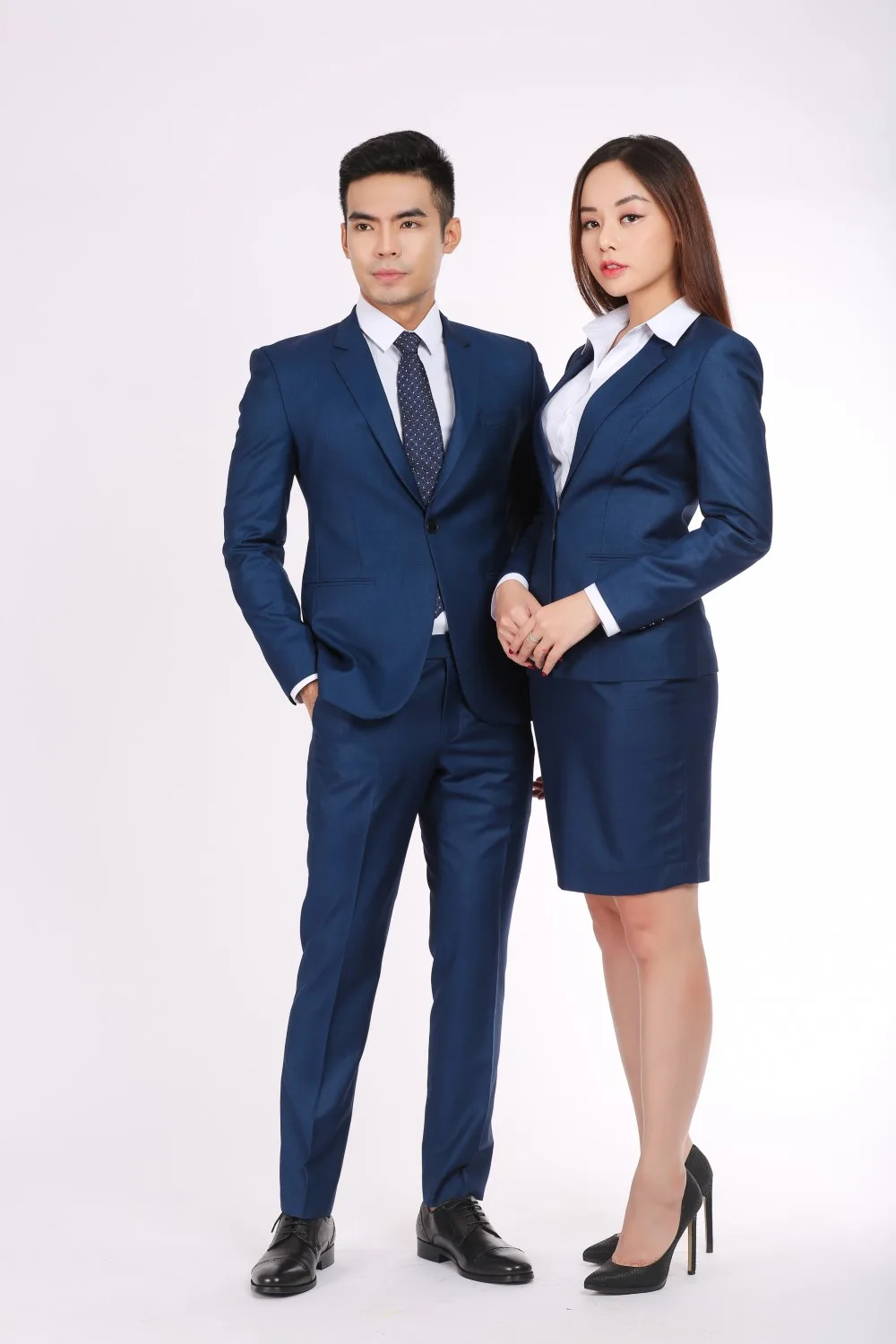
How Many Centimetres Separate Slim Fit, Regular Fit and Body Fit?
Ease is the difference between your actual chest measurement and the chest measurement of the finished jacket. The figures below are common reference values in the tailoring trade; each tailor works to its own pattern standard.
| Criterion | Regular fit | Slim fit | Body fit (super slim) |
|---|---|---|---|
| Chest ease | about 10–14 cm | about 6–9 cm | about 3–5 cm |
| Waist | nearly straight, lightly shaped | clearly shaped, defined waistline | tightly shaped, hugging the waist |
| Sleeves | relaxed, roomy upper arm | tapering toward the wrist | close to the upper arm |
| Trouser leg (measured flat at the hem) | about 20–22 cm | about 17–19 cm | about 15–17 cm |
| Movement | comfortable raising your arms or driving | still comfortable if the pattern is right | pulls easily when seated or reaching |
| Suitable occasions | full office days, negotiations | modern office, parties | short parties, photoshoots, events |
Two things come out of the table. First, a men's slim fit suit still leaves room for at least one layer of shirt and a deep breath. Below about 6 cm of ease you have crossed into body-fit territory, where you have to sit upright for the whole session. Second, regular fit is not "old-fashioned": it is a cut designed so that someone sitting through eight hours of meetings still feels comfortable.
Who Should Wear a Slim Fit Suit, and Who Should Choose Regular Fit?
Slim fit looks good when the body and the cut "speak to each other". A few pictures to help you compare yourself:
- Suits slim fit: average or slightly narrow shoulders, a clear difference between chest and waist, a flat stomach, thighs that are not too muscular. Young professionals, people who go out to parties, or those who stand more than they sit.
- Choose semi-slim or regular: those with a protruding stomach, broad shoulders, a thick back, well-developed thigh muscles (cyclists, weightlifters), or who drive and sit through long meetings. A jacket that is too close then creases in horizontal lines across the stomach and pushes the front panels apart.
- Middle-aged men: you can still wear slim, but at a "gently tapered" level. A cut that is too close highlights exactly what you would rather hide. A light waist shape and correct shoulders look better than a skin-tight jacket.
If you are not sure which group you belong to, read more in how to choose a suit for your body shape and then come back to the table above. Body shape decides the cut more than trends do.
5 Signs a Slim Fit Suit Has Become Too Tight
This is the checklist Mon Amie's master tailors often use when a client tries on a jacket:
- X-shaped creases around the fastened button. Fasten one button and let your arms hang naturally. The front must lie flat. Creases radiating from the button in an X are the clearest sign of a tight chest or a tight waist.
- Flared front panels. The two fronts do not close in parallel but open out like a fishtail. The jacket is being pushed out by the stomach or hips.
- A collar that gapes when you raise your arms. Raise both arms to shoulder height and the jacket collar lifts away from the shirt collar, pulling the body of the jacket with it. The back yoke is too narrow.
- Horizontal creases across the back. When you reach forward (as if holding a steering wheel), the back pulls into two horizontal folds. Letting out the back is difficult work, so spot it early at the fitting.
- Trousers tight across the thigh, pockets gaping. When you sit, the trouser leg rides up above the shoe or the hip pockets flare open. Slim trousers still need just enough spare cloth at the thigh and seat.
If a jacket shows two or more of these signs, there are two routes: let out the pattern if the inside seams still have enough spare cloth (the tailor will check for you), or switch to a regular cut. Do not try to "hold your breath to fit in", because a suit is worn all day, not for a single photograph.
Choosing the Right Closeness: Four Things Master Tailors Often Say
Shoulders first, waist second. Shoulders cannot be altered, so a slim fit jacket only looks good when the shoulder seam sits exactly at the end of the shoulder bone. The waist and sleeves can be adjusted later.
Say how you actually wear it. Do you drive a lot, sit through long meetings, or stand all evening at events? Each case needs a different amount of ease. Tell the tailor before the pattern is cut; do not just say "a little close".
Try it with the right shirt. A thicker or thinner shirt really changes how a jacket fits. Bring the shirt you plan to wear to the fitting.
Do not copy photos you see online. Models in pictures usually have the jacket clipped at the back to build the shape. A suit you wear all day needs to let you raise your arms, sit and bend.
Common Mistakes With a Body Slim Fit Suit
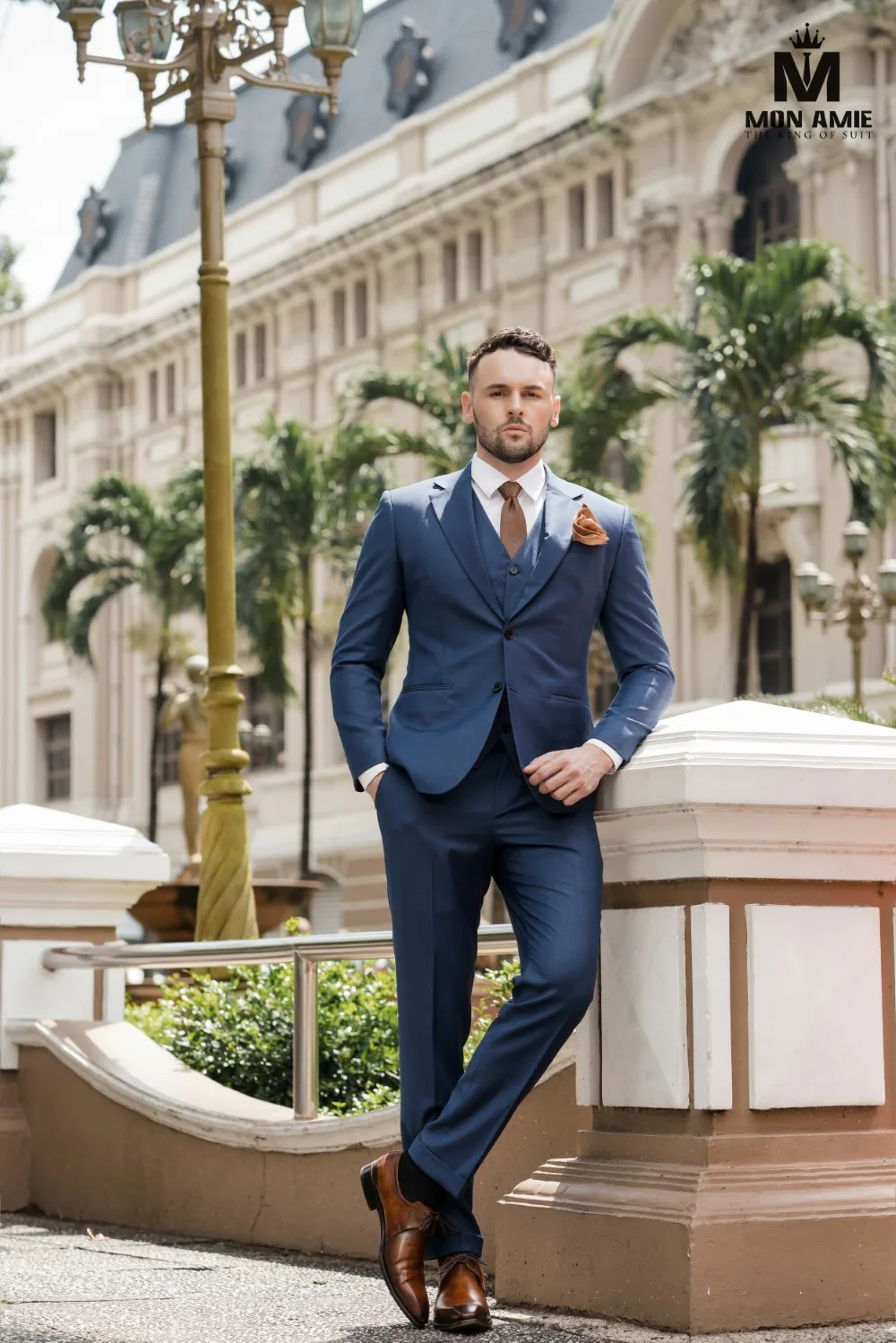
Many men see a beautiful body slim fit suit on a mannequin and want it exactly the same. But a mannequin does not sit, drive or bend to tie a shoelace. The most frequent mistake is choosing a model's closeness for your own body and your own job. The second mistake is altering a ready-to-wear jacket by taking in the waist while forgetting that the chest and upper arms are still tight.
A small trick: put on the suit, sit down on a low chair with the button fastened, then stand up. If you have to pull the jacket down before you can stand straight, the cut is closer than it needs to be.
Frequently Asked Questions
How does a slim fit suit differ from body fit?
The difference is ease. Slim fit leaves about 6–9 cm at the chest, enough for normal movement. Body fit leaves only about 3–5 cm, so the jacket almost clings to the body; it suits a lean frame and short occasions such as parties or photoshoots, not sitting through meetings all day.
Does a slim fit suit work for someone with a stomach?
Yes, but choose a gently tapered level, not a close one. A correct pattern takes in the waist lightly at the back and sides so the stomach is not emphasised, while the fronts still close flat. Fastening one button instead of two also makes the line neater.
Is a slim fit men's blazer the same as a slim fit suit jacket?
They follow the same principle of closeness, but a blazer usually lacks the heavy canvas and shoulder padding of a suit, so it is more comfortable at the same slim level. That makes a slim fit blazer easier to wear, while the slim fit jacket of a suit needs its ease calculated more carefully.
Which size should I choose when buying a ready-to-wear slim fit suit?
Choose by chest and shoulders; do not go down a size to get a closer fit. If your two measurements point to two different sizes, prioritise the shoulders. The waist and sleeves can be altered by a tailor, but the shoulders are very hard to change.
Will wearing a slim fit suit all day at work be tiring?
No, provided the chest ease is sufficient and the shoulders fit. Tiredness usually comes from a jacket that is too tight at the underarm or the back. If it feels stiff when you reach up, the jacket needs to be let out or the cut changed.
In Short
Slim fit is a good choice when it goes with your body and your work, not a smaller number on the label. If you want to decide the closeness for each part yourself, you can visit bespoke tailoring at a Mon Amie showroom, where a master tailor takes more than 30 measurements, or try out styles with the online suit design tool. If you do not know where to start, the article 7 steps to choosing a suit for men is a tidy starting point.