
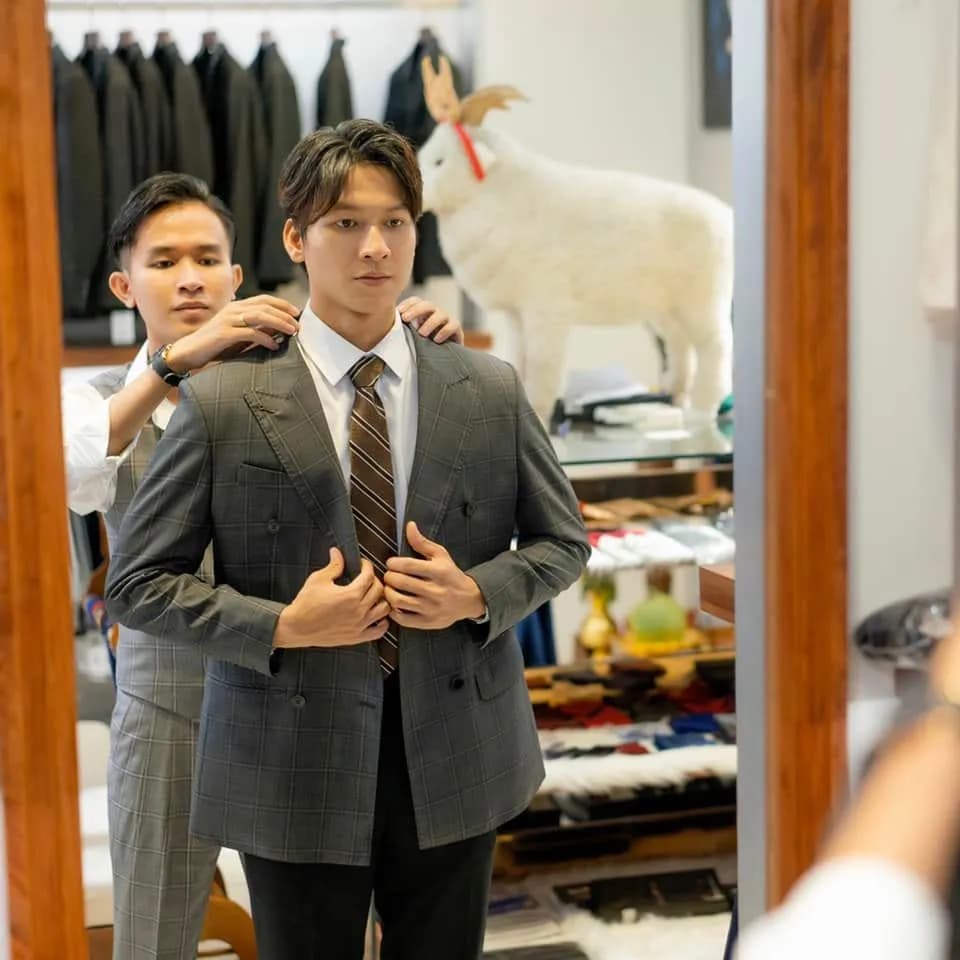
Put on a thin shirt, stand side-on to the mirror and look at the line from the base of your neck out to the tip of your shoulder. Some people see an almost horizontal line, some see a slope, and some see the right shoulder sitting lower than the left. Whether to use shoulder padding is decided by that line, and fashion is only a side issue.
The short answer
Whether a blazer has shoulder pads depends on your shoulder shape. Sloping shoulders need light to medium padding so the jacket shoulder does not collapse. Square shoulders take very light padding or none. Uneven shoulders need pads of different thickness on each side. A relaxed blazer on balanced shoulders can go without.
What shoulder padding does in a jacket
A shoulder pad is a layered pad set at the top of the shoulder, between the outer cloth and the lining, thickest at the sleeve edge and tapering toward the neck. It fills the gap between your real shoulder and the shoulder line of the jacket, so the line does not break and the sleeve hangs straight.
Padding is not the same as the canvas. The canvas is the stiff layer between outer cloth and lining across the chest, which helps the body of the jacket stand, while the pad works only at the shoulder. Leave out the pad but keep the canvas and the chest still has its shape; only the shoulder turns soft. For the case of leaving out both pad and lining, read the article an unstructured, thin men's blazer.
To picture it, you can think of three levels: light padding of about half a centimetre or less, medium padding of about a centimetre, and thicker than that. Padding cannot widen the shoulder by much. Push the jacket's shoulder line out beyond your real shoulder tip and the sleeve head will dimple, which tells anyone the jacket does not fit.
Padding level compared by shoulder shape
| Shoulder shape | How to recognise it | Padding to use | If the padding is wrong |
|---|---|---|---|
| Sloping | Ready-made shirts crease diagonally from the neck to the armpit; bag straps often slip | Light to medium, plus adjusting the slope of the shoulder on the pattern | Too little: the jacket shoulder collapses, with a diagonal crease under the collar. Too thick: the shoulder looks square and stiff, as if the hanger were still inside |
| Square | Ready-made jackets show a horizontal crease just under the back of the collar; the shoulders look broad even without training | Very light or none | Thick padding: the shoulder becomes a ruler line and the neck looks shorter |
| Uneven | A photograph from behind shows one side lower; one jacket front tends to sag | Thicker pad on the lower side than the higher, with the pattern adjusted for each side | Equal padding both sides: a diagonal crease on the low side, a jacket front that hangs crooked |
| Balanced | None of the signs above | Light for work, can be left out for weekends | Rarely wrong, mostly a matter of taste |
Uneven shoulders are not rare. People who often carry a bag on one side, or do much of their work with one hand, commonly have one shoulder lower. A ready-made jacket cannot deal with this, because both shoulders are cut identically.
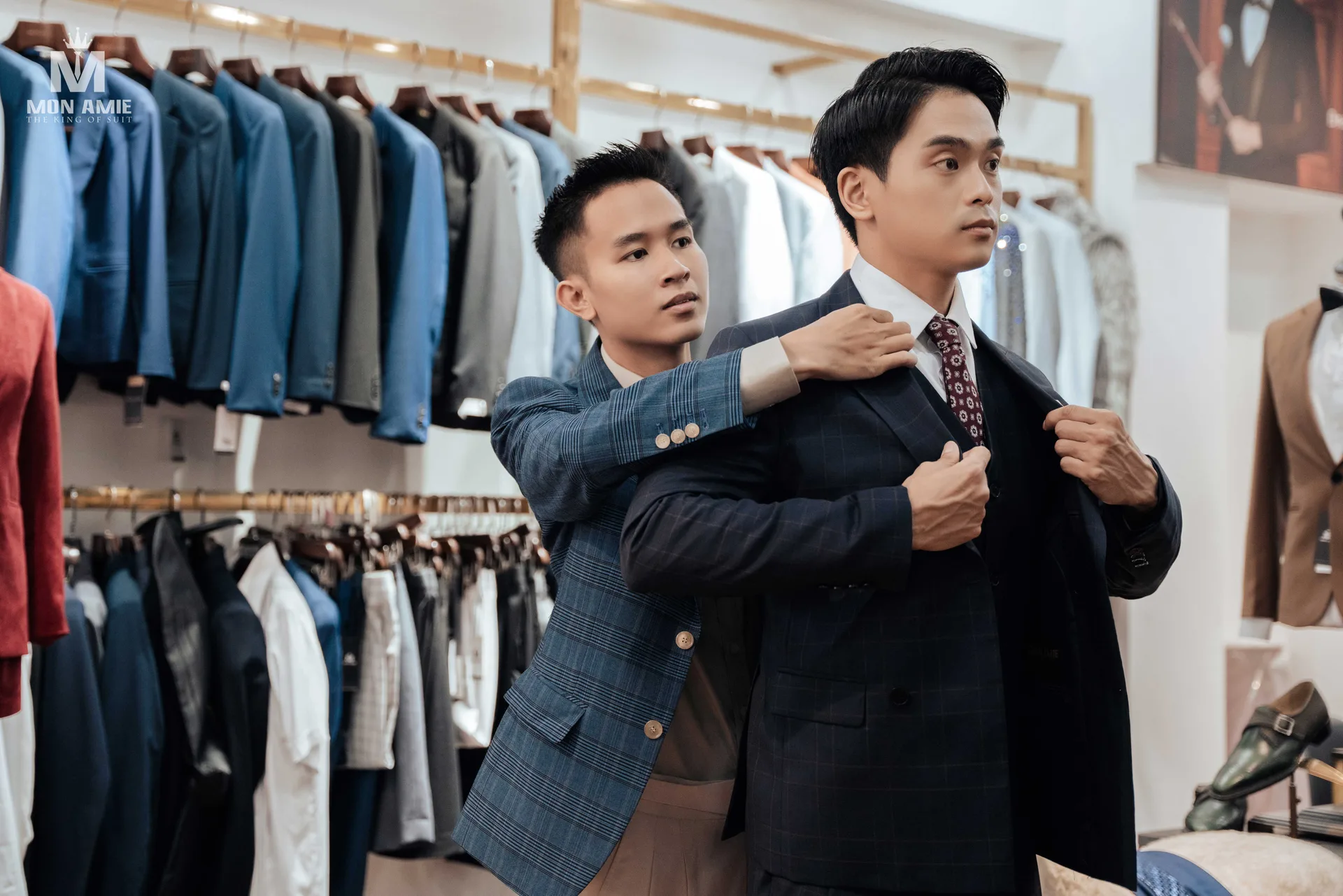
Choose padding when
- Your shoulders clearly slope. Without padding the jacket shoulder follows the shoulder down, and the whole blazer looks as if it is sliding off you.
- Your shoulders are uneven. Padding is a simple way to make the two sides of the jacket look level.
- A work blazer worn for meetings all day. Light padding holds the shoulder shape after many hours of sitting and many times of taking the jacket off and on.
- You are slim with narrow shoulders. Light padding makes the upper half look a little firmer. Do not use thick padding, or the shoulder will stick out past your body.
Leave out the padding when
- Your shoulders are square, or already broad from training. More padding only makes them broader.
- A weekend blazer, worn over a polo or T-shirt, in linen or cotton. A soft shoulder suits the relaxed spirit of the jacket.
- You like a light, soft jacket, like an overshirt. Without padding the jacket is lighter and your arms move more easily. As for coolness, shoulder padding has little effect; the lining and the chest canvas are what make a jacket hot.
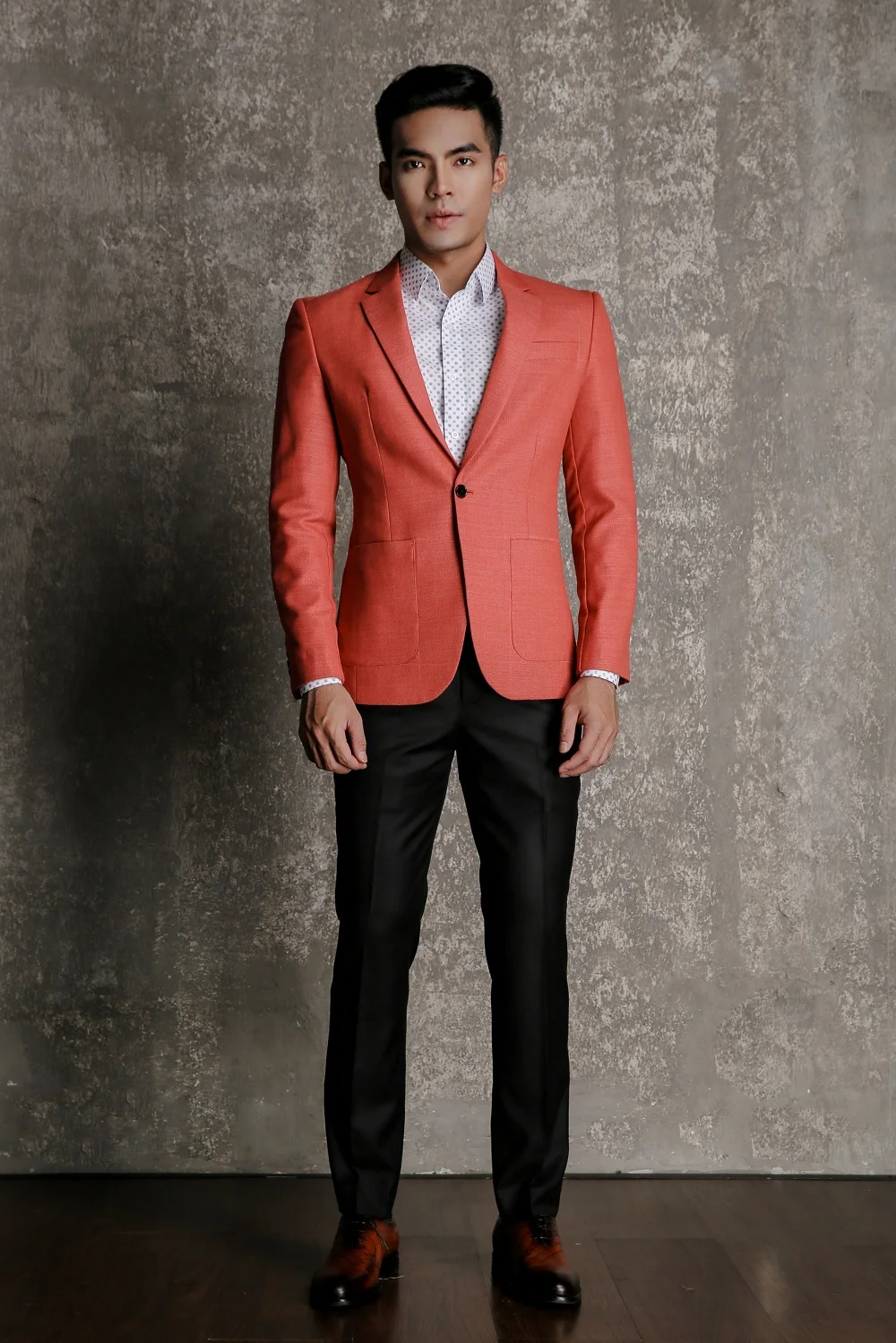
Checking your shoulders in five minutes
- Wear a thin shirt, stand straight with your arms relaxed. Ask someone to photograph you from behind, with the camera level with your shoulders.
- Lay a straight ruler across both shoulder tips on the photo. If one side is clearly lower, you have uneven shoulders.
- Take a side photo too: if the line from the base of the neck to the shoulder tip slopes a lot, the shoulders are sloping; if it is nearly horizontal, they are square.
- Try on a ready-made blazer. A horizontal crease just below the back of the collar means your shoulders are squarer than the pattern. A diagonal crease from the neck to the armpit means they slope more than the pattern.
- Look at the sleeve head: a dent where the sleeve joins the body means the jacket shoulder is wider than your real shoulder, or the padding is not enough.
These steps give you a rough answer. To settle the padding level, let a stylist or tailor look at your shoulders directly, from the front, the back and the side.
What Mon Amie recommends
A work blazer for most clients should have light padding, with the shoulder line following the real shoulder. For sloping shoulders, light to medium padding, but the main work should be adjusting the shoulder slope on the pattern, not leaving the padding to do it all. For square shoulders, leave out the padding or use a very thin one. For uneven shoulders, a different pad on each side, and tell your stylist which side you usually carry your bag on.
For a blazer you already own that is uneven at the shoulders, adding a thin layer of padding on the lower shoulder is usually a small alteration. A jacket whose shoulders are much too wide or too narrow is very hard to alter well, since the shoulder is the hardest place on a jacket to fix. Mon Amie looks over garments you had made elsewhere at no charge to say whether it can be done; the section on outside alterations is on the price list.
Padding is only one part of the shoulder line. The length of the jacket, the width of the lapel and the button position also decide whether a blazer looks trim or heavy; those points are in the article how to choose a men's blazer.
Frequently asked questions
Can I take the shoulder pads out myself?
Not advisable. The pad is sewn in together with the sleeve head, and removing it means opening the lining, while the sleeve head was cut to wrap around the pad. Taking the padding out after the jacket is finished usually leaves the shoulder tip wrinkled or dented.
How should I hang an unpadded blazer so the shoulders do not distort?
Use a wooden hanger with wide shoulders that curve like a human shoulder, not a thin wire hanger. A soft shoulder has no padding to support it, so it takes the hanger mark more easily. How to choose a hanger is in the article hangers and accessories for suits.
Should a wedding suit have shoulder padding?
Usually light to medium padding is right. A groom stands for hours of photographs and keeps raising an arm to greet guests, and the padding helps the jacket shoulder keep a good line in the pictures. With square shoulders, keep it very light.
Do broad shoulders and a deep chest need padding?
Almost never. The shoulders already have the frame, and the jacket's job is to follow them, not to build them up. A very thin layer is only needed when the shoulders slope.
Shoulder shape first, jacket style second
Once you know whether your shoulders are sloping, square or uneven, choosing the padding is quick. When you book an appointment for measuring, say your shoulder shape and what occasion the blazer is for, so the stylist can set the right padding level.