
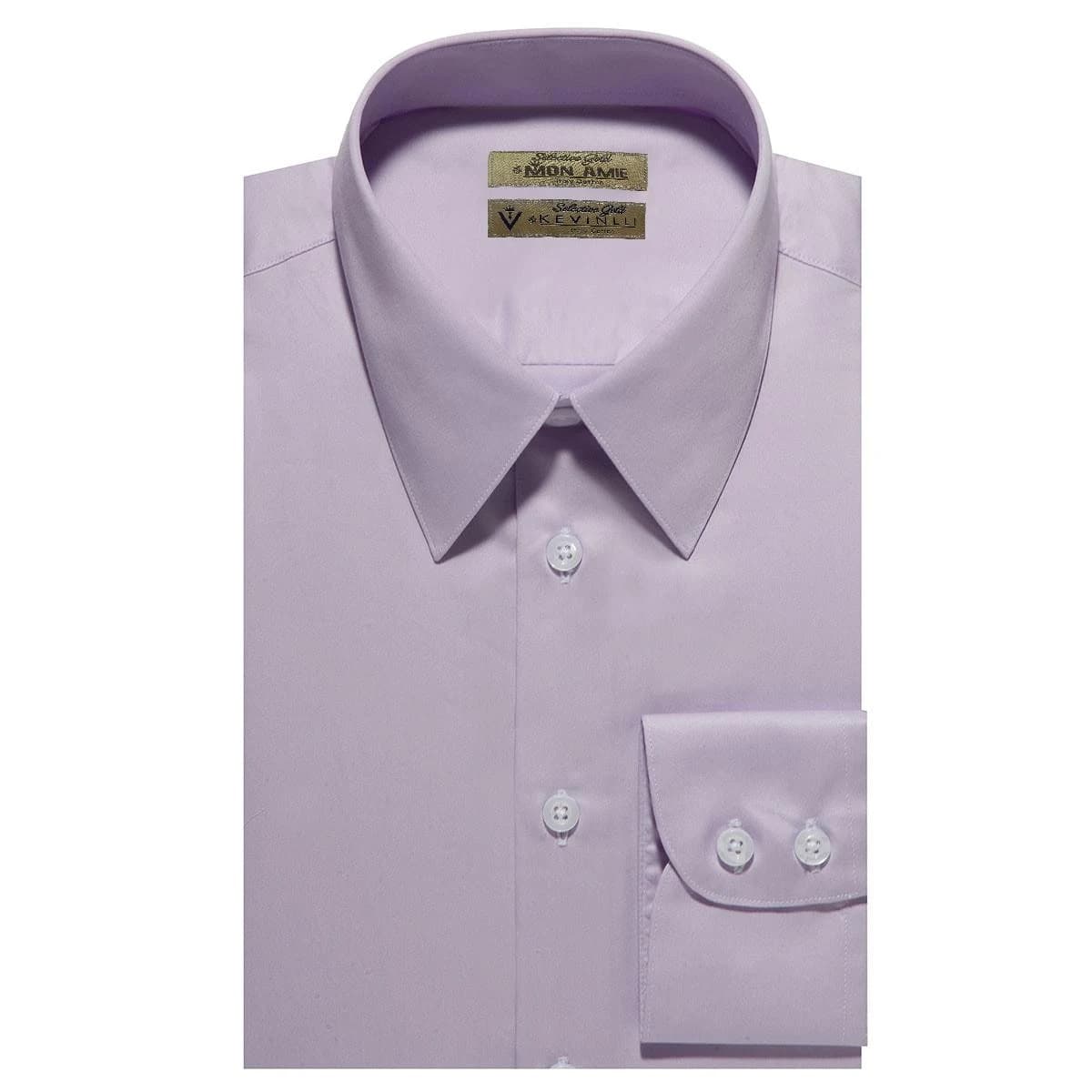
The work shirt that looks as flat as a sheet of paper from across the room, with a standing collar and no visible texture, is most likely poplin. That flatness is both its strength and its weakness. It irons up crisp very fast, but after two hours sitting in a meeting, the creases at the stomach show up just as clearly.
The short answer
Cotton poplin is a tight, flat-faced plain weave that suits office shirts and wearing under a suit jacket. It irons quickly to a sharp finish but shows creases after a few hours of sitting. For a white shirt, choose a two-ply or medium-weight poplin so your undershirt does not show. If you dislike ironing, mix in a twill shirt.
Why poplin is so flat
Poplin is woven in a plain weave: the weft goes over one warp yarn, under one, and repeats. The warp yarns are finer and packed more densely than the weft, so the surface has tiny horizontal ribs that are almost invisible to the eye. The result is a flat surface with a slight sheen, cool to the touch.
Two specifications are worth asking about when you choose poplin:
- Yarn count, written as 80s, 100s, 120s. The higher the number, the finer the yarn and the smoother the cloth, but also the more it creases and the faster the cuffs fray with daily wear.
- Single or two-ply yarn. Two-ply yarn (two strands twisted together, often written 2-ply) gives a firmer, more opaque cloth that pills less than single yarn of the same fineness.
For a work shirt worn several times a week, a moderate, two-ply yarn usually lasts longer than an ultra-fine one.
Poplin against oxford
The two cloths most often chosen for a work shirt are poplin and oxford, so putting them side by side is the easiest way to decide.
| Criterion | Cotton poplin | Oxford |
|---|---|---|
| Surface | Flat, smooth, a slight sheen | A fine texture, slightly coarse |
| Thickness | Thin | Clearly thicker |
| Air-conditioned room, then out into the sun | Breathable, less stuffy | Stuffier |
| Creases after a sitting session | Clear at the stomach and elbows | Present, but the textured surface hides some |
| Ironing | Fast, a sharp crease | Slower, hard to get perfectly flat |
| Does a white shirt show through | A thin one may | Less |
| Suits | Under a suit jacket, with a tie, the office | No jacket, button-down collar, weekends |
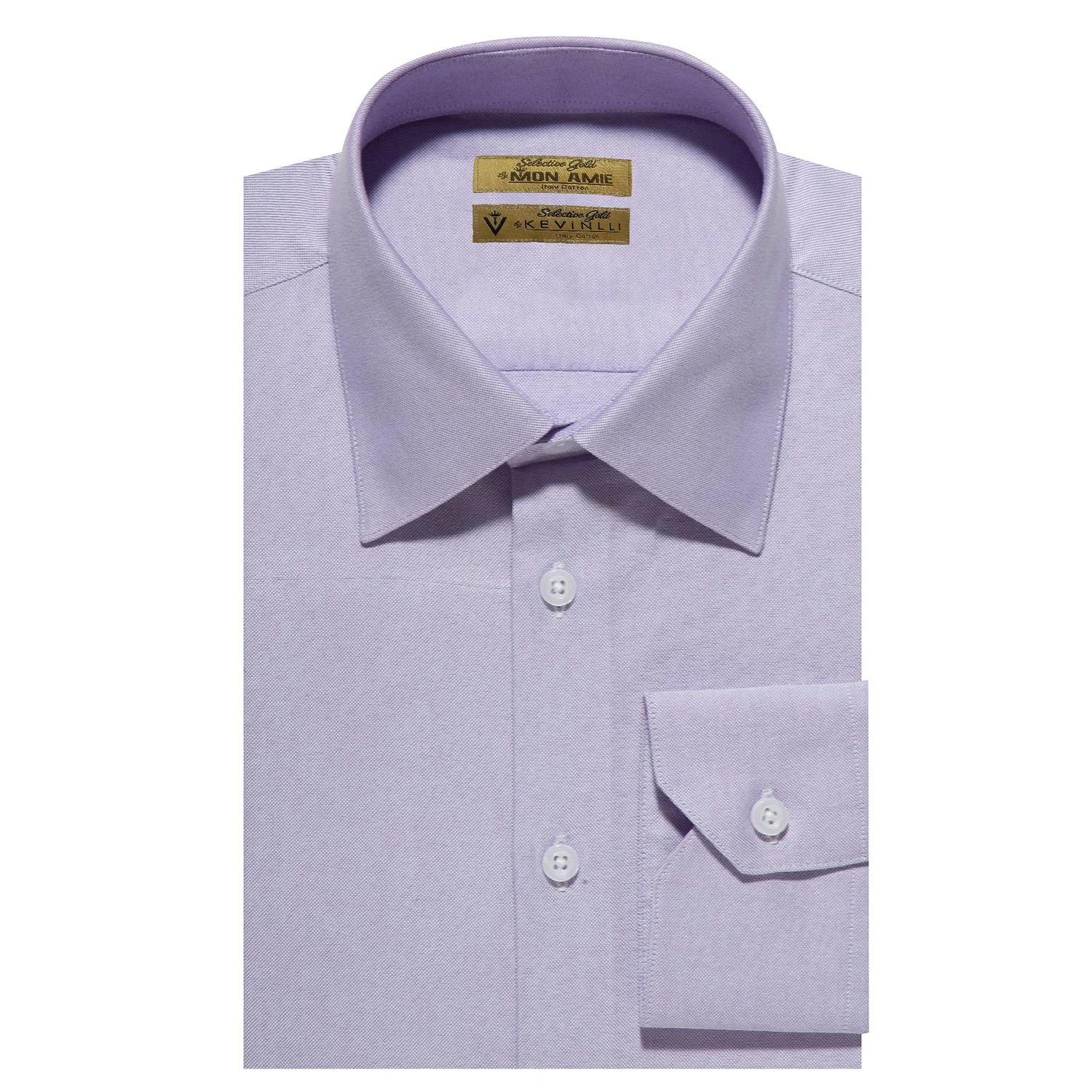
Twill is the third option. Its diagonal weave makes it softer and less prone to showing creases than poplin. The comparison of the different weaves is in the article what cloth is a men's dress shirt made of.
Ironing poplin: quick, but in the right order
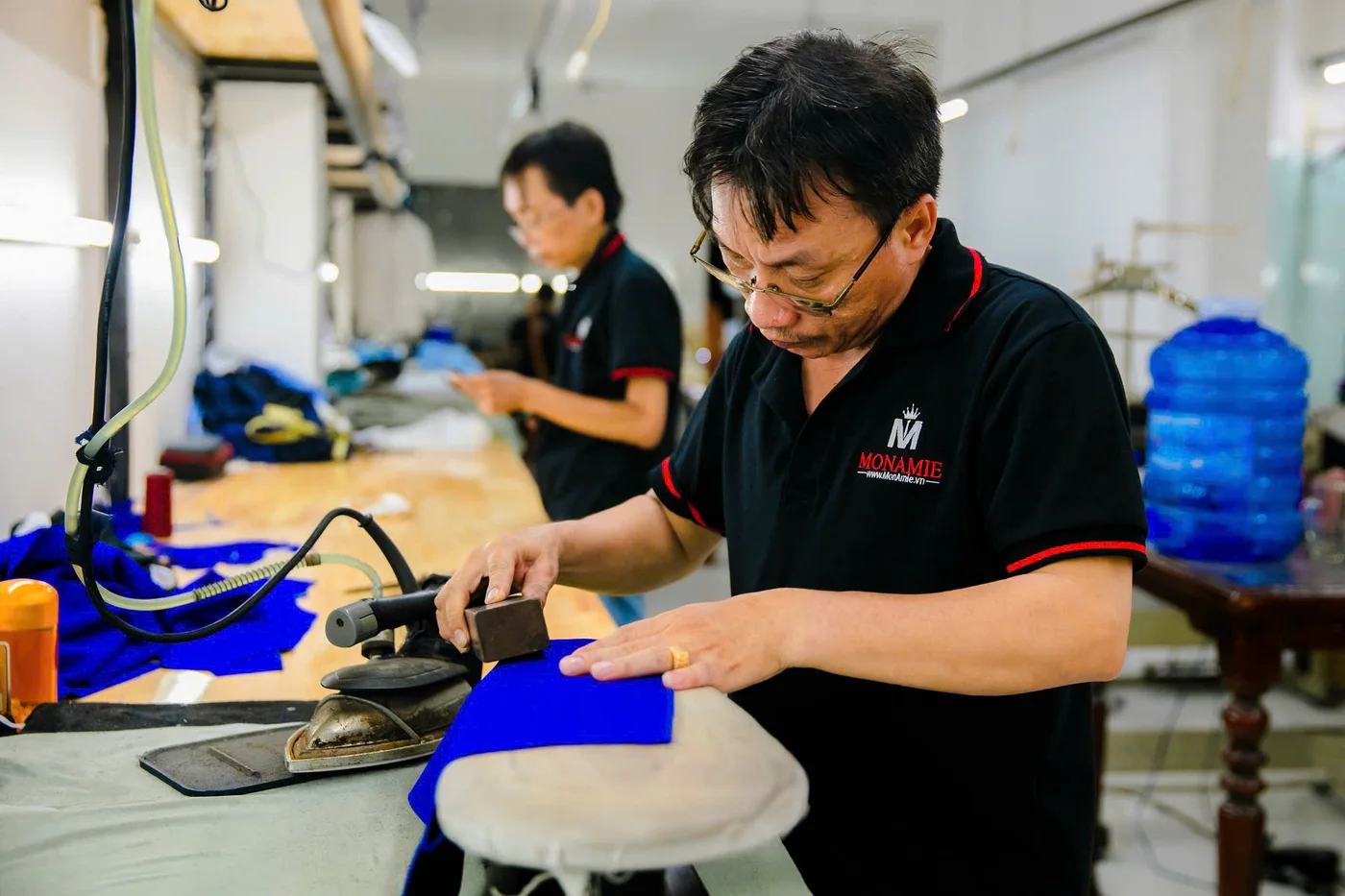
Poplin is one of the easier shirt cloths to iron, provided you iron while the cloth is still slightly damp. Bone-dry cloth still shows marks after several passes.
- Dampen it. Take the shirt off the line while still slightly damp, or spray it evenly. Set the iron to the cotton setting; steam makes it easier still.
- Collar first. Iron the inside, then the outside, working from the two points toward the centre. Going the other way pushes the cloth into small folds at the points.
- Cuffs, then sleeves. Lay the sleeve flat along the underarm seam. If you do not want a crease down the sleeve, do not press over the folded edge.
- Yoke, back, then the two fronts. Around the button band, iron on the reverse side or slip the tip of the iron between the buttons, never pressing on them.
- Hang it at once. Do up the top button, hang it, and let it cool before wearing or putting it away.
Done properly, it takes a few minutes per shirt. The commonest mistakes are ironing when the shirt is bone dry, pressing over buttons, and holding a very hot iron in one place on the collar, where there is fused interlining inside.
Does a white poplin shirt show through
It can, if it is a thin, single-ply poplin. Under bright light, the person across from you can see the edge of a vest, a tattoo, even the colour of your skin. When you sweat and the cloth sticks to the skin, it shows even more.
A quick test when you choose a shirt: slip your hand inside one layer of cloth at the front and stand under a light. If you can clearly see the lines of your fingers and the colour of your skin, that shirt calls for a carefully chosen undershirt.
- An undershirt in a skin tone or light grey, with a deep round neck or V-neck. A white undershirt actually shows up more under a white shirt.
- Choose a two-ply or medium-weight poplin for a white shirt worn under stage lights or in a brightly lit meeting room.
- Switch to pale blue if you sweat a lot. At the same weight, pale blue shows through less than white.
- Wash the same day. Sweat left overnight in a laundry basket is a common reason the collar and underarms of a white shirt turn yellow.
Choose poplin when
- You wear a shirt under a suit jacket or with a tie, and need a standing collar and a flat body.
- You work in an air-conditioned room and step outside for short stretches.
- You are willing to iron each morning, or used to sending shirts to a laundry by the week.
- You need a plain white or pale blue shirt for meetings, interviews and events.
Choose another cloth when
- You dislike ironing, sit for long periods or travel by vehicle a lot: twill shows creases less.
- A shirt worn out, with no jacket, at weekends: oxford looks more fitting.
- You stand in the sun for a long time: linen or an open-weave cotton is cooler.
What Mon Amie recommends
The first shirt to wear under a suit jacket should be a white or pale blue cotton poplin, medium weight, two-ply if available. Add a twill shirt afterwards for the days you do not have time to iron. How to build up enough shirts for a whole working week is in the article dress shirts for work for men.
Shirt prices at Mon Amie are set by cloth range, from VND 850,000 at the lowest (Cotton Modal), VND 1.7 million for the 100% Cotton range, up to VND 2.5 million at the top, excluding 8% VAT; the full ranges are on the price list. You can see the cloth directly on the sample shirts in the showroom. A shirt takes 3–7 days to make, and 24 hours at the fastest when you need it urgently.
Frequently asked questions
Is poplin suitable for someone who sweats a lot?
The cloth is breathable and absorbent, but sweat makes thin cloth stick to the skin and show through. Wear a thin moisture-absorbing undershirt, and choose pale blue or a medium-weight white. If you are outdoors all day, bring a spare shirt to change into.
Can I machine wash a poplin shirt?
Yes. Do up all the buttons, turn it inside out, use a laundry bag, wash in cool water and wring gently. Hang it on a hanger while still damp and smooth the placket and collar flat, and the shirt will be much easier to iron. Avoid tumble drying, since cotton can shrink and the collar interlining can be affected.
Is poplin hot to wear under a suit jacket?
Poplin is thin and breathable, so with a jacket over it, it is usually more comfortable than oxford. The heat then comes mainly from the jacket. For a closer look at choosing a shirt for hot weather, see the article which fabric to choose for a shirt in hot weather.
Make your first shirt a poplin
Under a suit jacket, in an air-conditioned office, cotton poplin is a sensible place to start, as long as you are willing to iron. Visit a showroom and see the cloth on the sample shirts; feeling it in your hand will tell you more than any comparison table.