

Every time the weather turns cool, the showroom gets the same question: “I’d like a woollen overcoat made for a trip to Korea at the end of the year. What’s the difference between dạ cloth and len cloth?” It is a hard one to answer in a sentence, because on the market “dạ”, “nỉ” and “len” are called by each other’s names so often that even sellers shy away from explaining. So what is woollen cloth, and should you use it for a suit? Mon Amie unpicks it layer by layer below.
Quick answer
Dạ is a woollen cloth woven from woollen-spun yarn and then milled so the fibres lock tightly together, which makes it thick and warm, with a fine nap that hides most of the weave. Dạ suits coats, blazers and cold-season suits; a business suit for year-round wear in Ho Chi Minh City should use a lighter worsted wool.
What is woollen cloth (dạ)?
“Len” here means the material itself, sheep’s wool. From wool, fibres are spun into yarn, and yarn falls into two main families:
- Worsted yarn. The fibres are combed straight, the short ones are removed, and the rest is spun into fine, strong yarn. The cloth woven from it is flat, dry and smooth, with every thread of the weave clearly visible. This is the family of most suits.
- Woollen-spun yarn. The fibres are not combed fully straight and the short ones are kept, so the yarn is airy and holds plenty of air. The cloth woven from it is soft, thick and warm, with a slightly fluffy surface.
Dạ belongs to the second family and usually goes through one more step called milling (also known as fulling): the cloth is pressed under heat and moisture, and the fibres shrink and interlock. After milling, the weave blurs, the surface takes on a fine nap, and cut edges fray less. That nap holds air and blocks the wind, which is why dạ is far warmer than suiting cloth of the same composition.
Dạ, nỉ and len: three names that often get mixed up
| Name | What it actually is | Characteristics | Commonly used for |
|---|---|---|---|
| Dạ | Cloth woven from woollen-spun yarn, usually milled | Thick, warm, fine nap, heavy drape | Overcoats, blazers, cold-season suits |
| Nỉ | Felt (fibres pressed together) or a very heavily milled woven cloth, many types blended with synthetic fibre | Flat, firm, little drape, pills easily if heavily blended | Jackets, uniforms, hats, linings |
| Len | A general term for wool yarn or knitted goods | Soft, stretchy, pills easily | Sweaters, scarves; “vải len”, by contrast, is simply cloth made from wool |
Because the names are not standardised, the surest way is to read the composition on the label: what percentage is wool and what it is blended with. “Dạ wool” means dạ made from sheep’s wool; “dạ pha len” (wool-blend dạ) is dạ mixed with other fibres, usually synthetic, to lower the price and add durability, at the cost of being less warm and less breathable.
How does dạ differ from ordinary suiting cloth?
| Criterion | Suiting cloth (worsted wool) | Dạ (woollen-spun, milled) |
|---|---|---|
| Surface | Flat, weave clearly visible | Napped, weave blurred |
| Feel | Cool, dry, smooth | Warm, soft, slightly “fluffy” |
| Weight | Light to medium | Medium to heavy |
| Shape retention | Sharp crease, clear seams | Heavy drape, softer crease |
| Season | Year-round, depending on weight | Autumn and winter |
| Care | Hang, steam, press with steam | Dry clean, brush the nap, rest between wears |
To understand why there are knitted and woven fabrics and what sets each apart, you can read knitted or woven wool cloth.
Common types of dạ for suits and coats
- Flannel. The lightest relative of dạ, with a soft, fluffy surface and a gentle hand. A grey flannel suit is the classic for cold weather.
- Tweed. Coarsely woven, flecked with colour and mixed yarns; often used for blazers and sporty jackets.
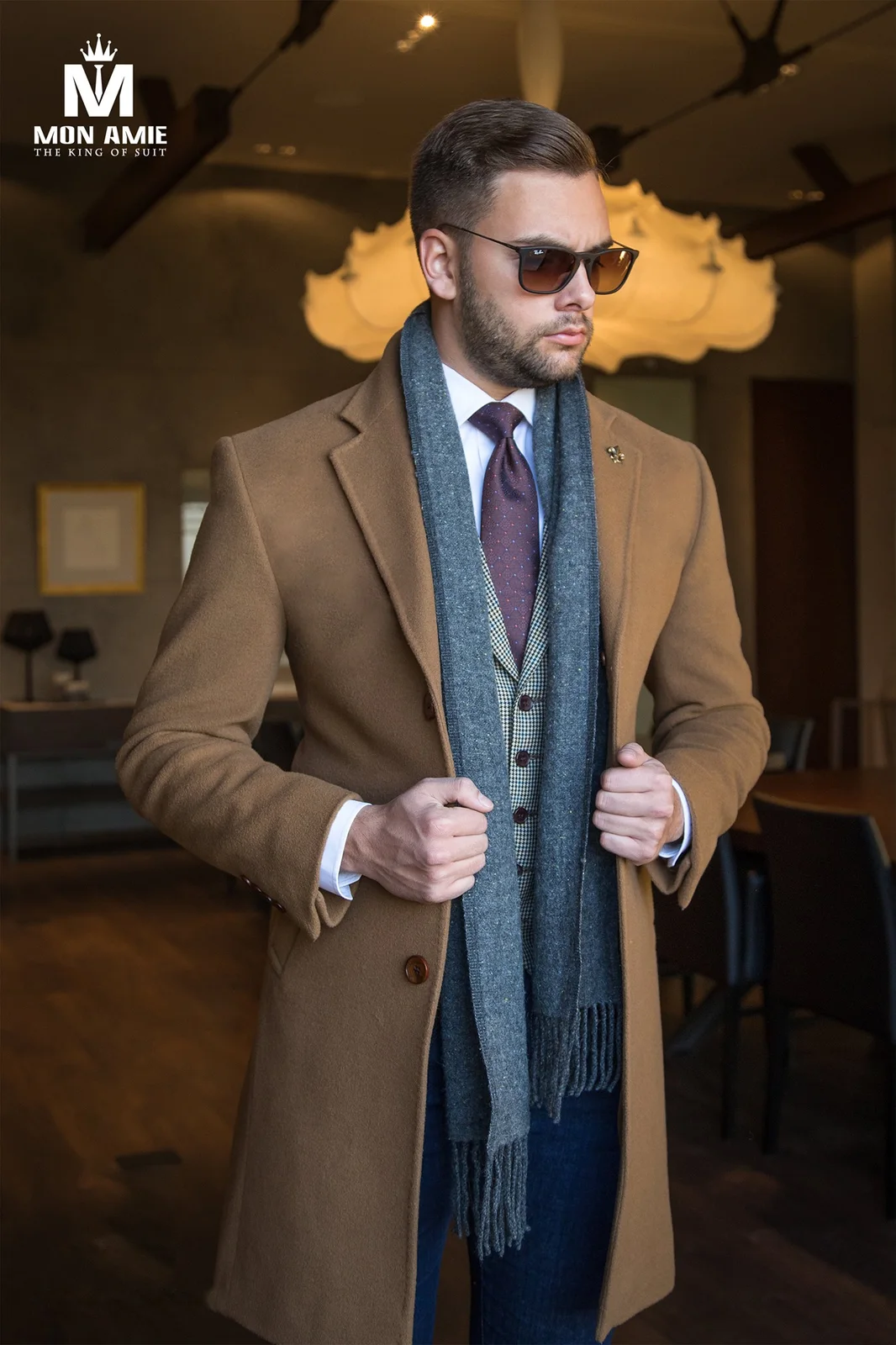
- Melton. Milled very thick and tight, with a smooth face that looks almost felted; the familiar cloth for overcoats.
- Dạ blended with synthetic fibre. Gentler on the price and even on the surface, but less warm and prone to pilling over time.
When is dạ a sensible choice for a suit?
“What is woollen cloth?” is really only the first half of the question; the second half is “when do I use it?” To be straight with you: in Saigon’s climate, a suit worn every day should be a medium-weight worsted wool that is cool, durable and holds its crease. Dạ is only truly worth the money in three situations:
- A trip somewhere cold. Đà Lạt in winter, the northern mountains, Korea, Japan or Europe: a dạ overcoat over your suit keeps you much warmer than many layers of sweaters piled on top of each other.
- A flannel blazer or suit for evening events. Air-conditioned rooms, year-end parties, indoor events: a light dạ gives a warm feel while still looking elegant.
- An outer coat over a three-piece suit. Thick dạ with a heavy drape pairs beautifully with a dark suit for formal occasions.
Conversely, dạ is not for someone who is out walking in the sun, perspires heavily, or needs a suit to wear five days a week.

How to recognise good woollen cloth
- Read the label. The higher the wool percentage, the warmer, more breathable and more colourfast the cloth. Dạ blended with less than about 30% wool tends to pill and go flat quickly.
- Squeeze it. Clench a swatch tightly for ten seconds and then release it: real wool usually springs back and the creases fade gradually; cloth blended with a lot of synthetic fibre creases deeply or feels slick to the touch.
- Look at the surface in the light. The nap should be even, with no bald patches and no unusual harsh shine.
- Rub two pieces of cloth together. If the surface fuzzes up fast, the fibres are short and poor. Good dạ loses its nap only very slowly.
You can see the swatch books in person in the Mon Amie fabric library and ask a stylist to read the composition of each cloth for you.
Tips from Mon Amie’s master tailors
- Baste fitting over the right inner layer. Thick dạ should be fitted while you wear the thin sweater you plan to wear with it. If you fit in a shirt and then add a sweater, the coat will be tight across the shoulders.
- Don’t force dạ into a cut that is too slim. Thick cloth needs a little extra ease in the shoulders and chest to hold its shape well.
- Brush rather than wash. Use a soft-bristle brush, stroking in the direction of the nap after every few wears; hang the coat on a wide-shouldered hanger and let it rest for at least a day.
- Avoid heavy steaming and pressing. Steam and an iron pressed straight on flatten the nap and leave shiny patches.
- Choose dạ for where you will wear it, not for where you are living now.
If you are torn between dạ and ordinary suiting cloth, is wool fabric any good? lays out the pros and cons of wool in a suit.
Frequently asked questions
What is wool-blend dạ?
It is dạ in which wool is mixed with another fibre, usually polyester or another synthetic. The price is friendlier and it lasts longer, but it is less warm, less breathable and more prone to pilling than all-wool dạ. Check the wool percentage on the label to know exactly.
What is “nỉ len”, and is it the same as dạ?
Not quite. Nỉ in the strict sense is cloth made by pressing fibres together, with no weave; dạ is cloth that is woven and then milled. In shops the two words are often used interchangeably, so ask about the composition and how the cloth is made rather than going by the name alone.
Does dạ wool feel itchy?
Dạ made from coarse yarn is usually itchier than fine wool. If your skin is sensitive, choose a light flannel or a dạ with some cashmere in it, and always wear a lining or a cotton shirt underneath.
Is dạ too hot for a suit?
Yes, especially in Saigon. If you need a suit to wear all year round, choose a light, thin worsted wool. Keep dạ for coats, blazers and cold-weather trips.
Final word
Knowing what woollen cloth is, and being able to tell dạ, nỉ and len apart, keeps you from buying a coat that is warmer than you need. If you would like to feel each cloth in your hands, book a fitting at a Mon Amie showroom, or explore the full bespoke tailoring journey to choose the right cloth for the right occasion.