
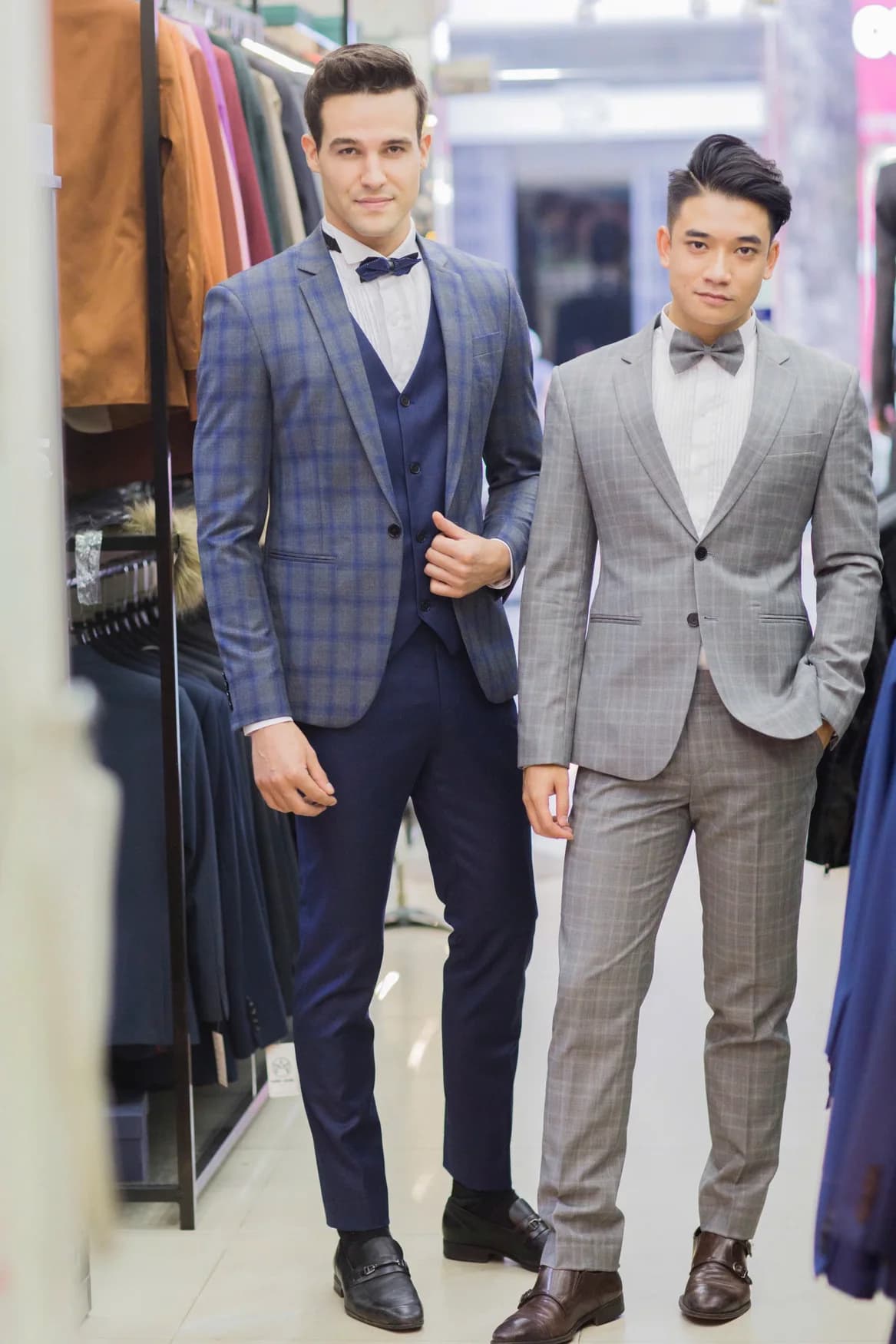
From a distance, three details are enough to tell you a suit belongs to the Korean cut: shoulders so clean they look unpadded, a short jacket that ends close to the seat, and slim trouser legs that stop high enough to show the ankle. That is the first impression of a Korean-style suit, and it is why the style appeals to so many young men who want a suit that feels light and airy rather than heavy like the traditional office suit.
Quick answer
A Korean-style suit is recognised by six features: narrow, soft shoulders; a fitted body with a suppressed waist; a short jacket ending at or above the seat; small, thin lapels; slim, straight trousers that show the ankle; and light colours. This cut suits slim to medium builds with small shoulders and a taste for a youthful look, and it needs adjusting when it is made for Vietnamese builds.
The 6 features of the Korean-style suit cut
Every country has its own “character” in how a suit is cut. The Korean cut stands out in the following six points.
1. Narrow, soft shoulders, almost no padding
The shoulder follows the line of the shoulder bone exactly, with thin padding or none at all. As a result the jacket feels easy and not stiff, and the wearer looks neat through the upper body. For someone with small shoulders, this is the feature that suits most. For someone with broad shoulders, a shoulder that is too narrow will make the jacket pull.
2. A fitted body with a clearly suppressed waist
The body is closer-fitting than the British cut, with the waist drawn in to create a gentle V shape. The youthful feel comes from here, but this is also where it easily goes “too far”: a jacket that is too tight wrinkles around the button and is hard to sit in.
3. A short jacket, hem at or above the seat
Jacket length is the easiest detail to spot. A Korean-style jacket is usually shorter than a classic suit, with the hem ending level with or slightly above the seat. The short line makes the legs look longer, which suits young men with a slender build.
4. Small, thin lapels, a high button stance
A small notch lapel, usually around 6–7 cm (compared with the moderate 8–9 cm of the classic cut), with the fastening point a little higher, usually on a one- or two-button jacket. Overall it looks neat, light and less “imposing”.
5. Slim, straight trousers that show the ankle
The trousers are slim to tapered, with a short hem that stops right at or above the ankle bone, showing a stretch of ankle (usually paired with coloured socks or loafers). This is the detail that makes the strongest impression in this style.
6. Light colours, soft cloth
Colours lean towards light grey, beige, cream, pastel blue and bright navy; seldom black or dark navy. The cloth is soft with a gentle drape, sometimes with a stretch fibre blended in for comfort when moving.
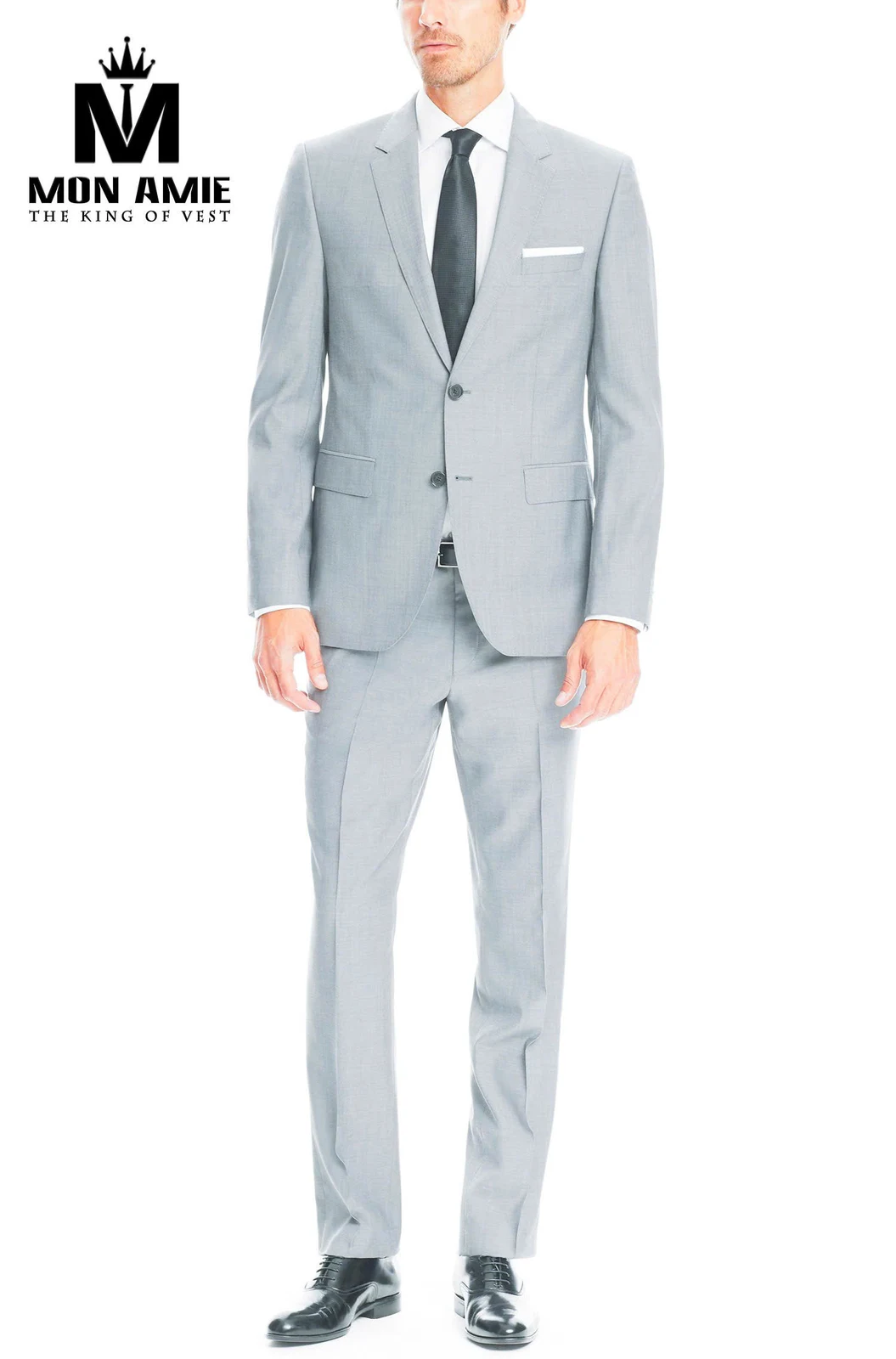
Comparing the Korean, Italian and British cuts
| Detail | Korean cut | Italian cut | British cut |
|---|---|---|---|
| Shoulders | Narrow, soft, little padding | Soft, natural, little padding | Structured, clearly padded |
| Body | Fitted, clearly suppressed waist | Slim, well fitted | Straight, relaxed |
| Length | Shortest | Short to medium | Longer |
| Lapels | Small, thin | Medium to wide | Medium, classic |
| Trousers | Slim, short hem | Tapered, medium hem | Straight, long hem |
| Feel | Youthful, light | Elegant, easy-going | Dignified, classic |
No cut is more “correct” than another. Each suits a different build and a different setting. If you want to read more about the difference between fitted and straight, the article what is a slim-fit suit and how does it differ from regular fit will help you.
Who looks good in a Korean-style suit?
| Suits | Think carefully |
|---|---|
| Slim to medium build | A large belly (a fitted jacket shows it) |
| Small to medium shoulders | Broad shoulders, a full chest (a fitted jacket pulls easily) |
| Average to tall, with slender legs | Heavy thighs or calves (a slim leg is hard to fit) |
| Aged 20–35, who like a youthful look | Jobs that demand formality (banking, law) |
| Creative industries, parties, youthful weddings | People who need to move around freely |
If you fall in the “think carefully” column, that does not mean you cannot wear it; it means you should adjust a few details: ease the body a little, use a regular-cut leg instead of a close one, or go one step longer on the jacket.
Adjusting the Korean cut when it is made for Vietnamese builds
The Korean cut is designed around its own body type. When it is made for Vietnamese men, a few adjustments help the suit fit better and be easier to wear:
- Do not narrow the shoulder too much. A shoulder that is too narrow makes it hard to raise your arm. The shoulder should end exactly at the tip of the shoulder bone, not bind.
- Consider the jacket length against your height. A shorter man may suit a short jacket, but a taller man or one with a belly should leave the jacket 1–2 cm longer to be safe.
- Set the trouser hem for the shoes you usually wear. Trousers that show the ankle look good with loafers or leather sneakers. If you usually wear high-cut lace-up leather shoes, leave the hem a little longer.
- Choose breathable cloth. The hot, humid climate of Ho Chi Minh City does not suit heavy cloth; a lightweight wool, half-lined, is more comfortable.
- Keep the fit moderate. A fitted jacket must still button, let you sit and let you raise your arms.
Styling in a youthful Korean manner
- Light office formula: light grey suit, white shirt, no tie, brown loafers, coloured socks.
- Weekend formula: beige suit, a T-shirt or a thin crew-neck sweater, white leather sneakers.
- Party formula: bright navy suit, light blue shirt, a slim plain tie or a small bow tie.
If you like light and youthful shades, a pastel blue or beige suit also works. The article Korean-style men's blazer, straight cut offers more options if you prefer a more relaxed cut.
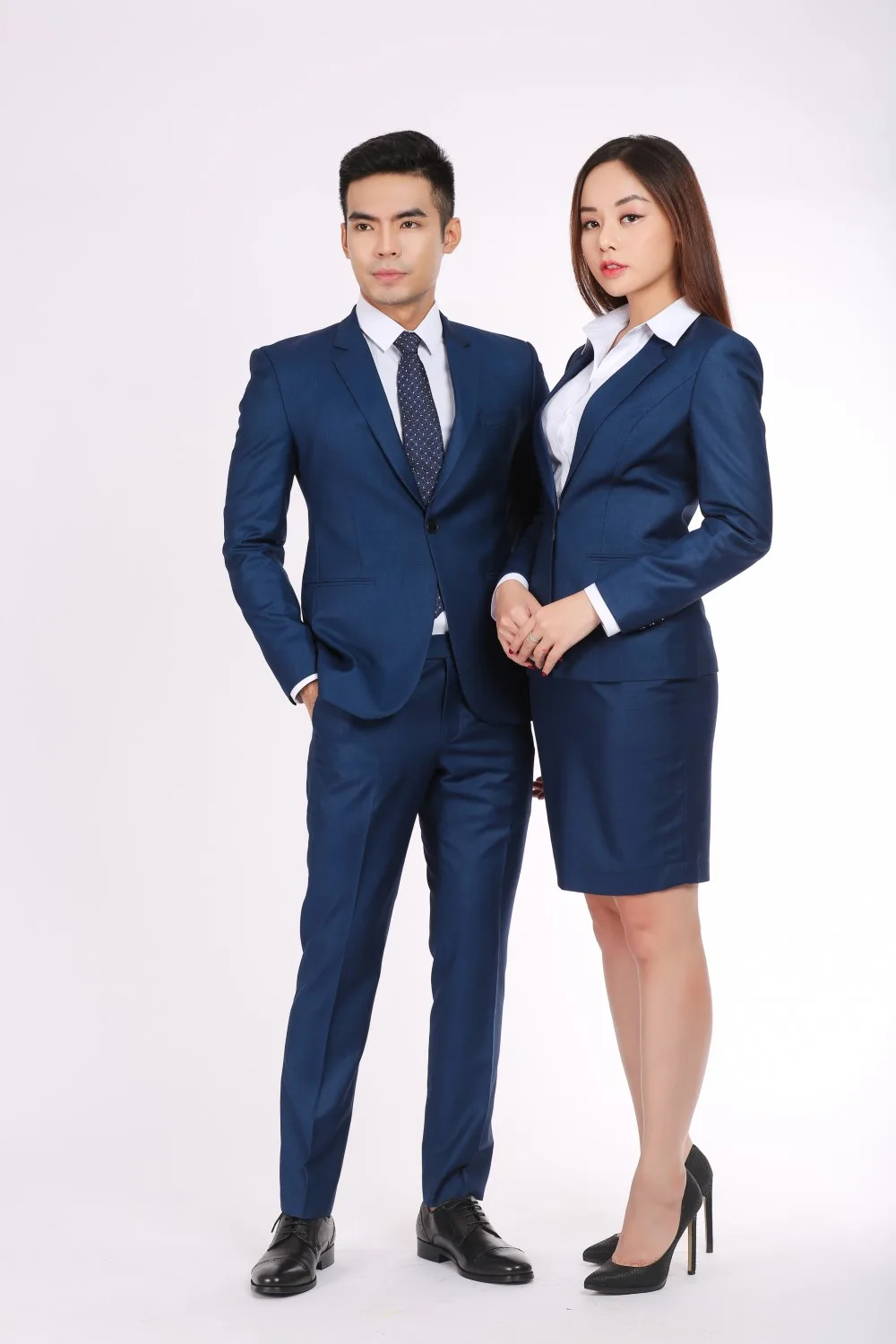
Tips from Mon Amie's master tailors
Bring a reference photo to your consultation. “Korean style” is a general label and everyone understands it differently. A single photo lets the stylist know how you want the shoulder, how short the jacket should be and how small the lapel.
Sit down before deciding on the fit. A fitted jacket looks good standing, but if the button strains and creases run across the belly when you sit, it is too tight. Ask the master tailor to leave enough room at the waist.
Do not go too far with fashion. Fashion cuts change quickly. A suit with a moderate fit and moderate lapels will last longer.
Frequently asked questions
What colours should I choose for a youthful Korean-style men's suit?
Light grey, beige, cream, bright navy or pastel blue are the typical shades. Choose a tone that suits your skin colour and the occasion, rather than chasing the colour of the moment.
How is a Korean-style suit different from a slim-fit suit?
Slim fit describes only how closely the body of the jacket is cut. The Korean style is a combination of all six features: shoulder, body, length, lapel, trousers and colour. You could say a suit in the Korean cut is usually slim fit, but a slim-fit suit is not necessarily Korean in style.
Can someone with a belly wear a Korean-style suit?
Yes, but adjust it: ease the body moderately, make the jacket a little longer, and use high-waisted trousers. The article suits for men with a belly has specific principles.
Can I have a Korean-cut suit made at Mon Amie?
Mon Amie makes to each person's own measurements, and the stylist advises one to one. You can bring reference photos so that together with the artisan you adjust the shoulder, length and lapel to suit your build.
Conclusion
The Korean cut is attractive for its neatness and youthfulness, but it only looks right when it truly fits the wearer. If you want to try it, start by deciding how close a fit you are comfortable with, then design your own suit online to picture it, or book a measuring appointment at a showroom. The Bespoke tailoring service lets you adjust every detail to your own taste.