
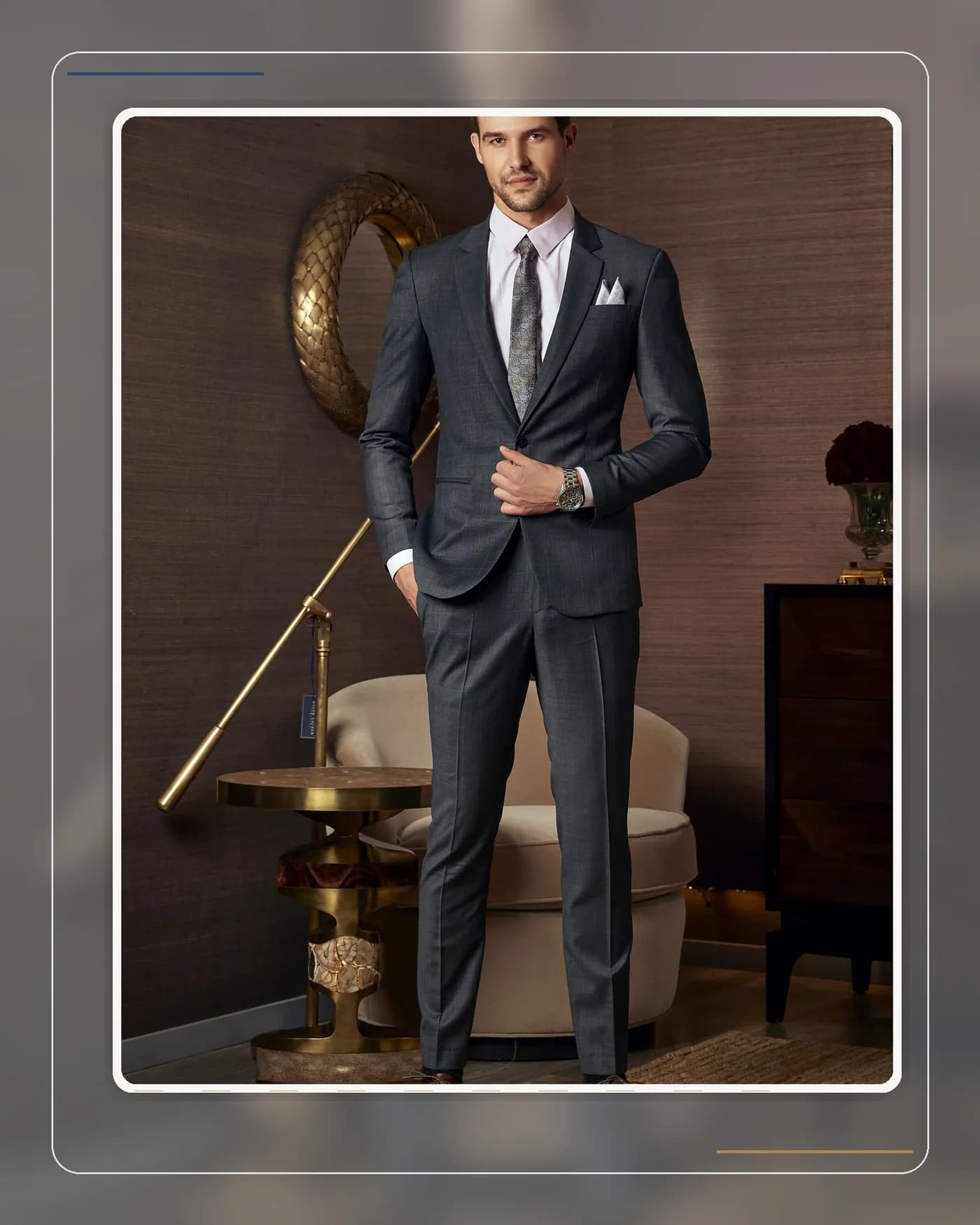
Quiet luxury has been everywhere, from on-screen billionaires to the major runways. But in the Vietnamese office environment it is no passing fad: it is exactly the dressing philosophy that experienced tailors have followed since long before the phrase existed.
The short answer
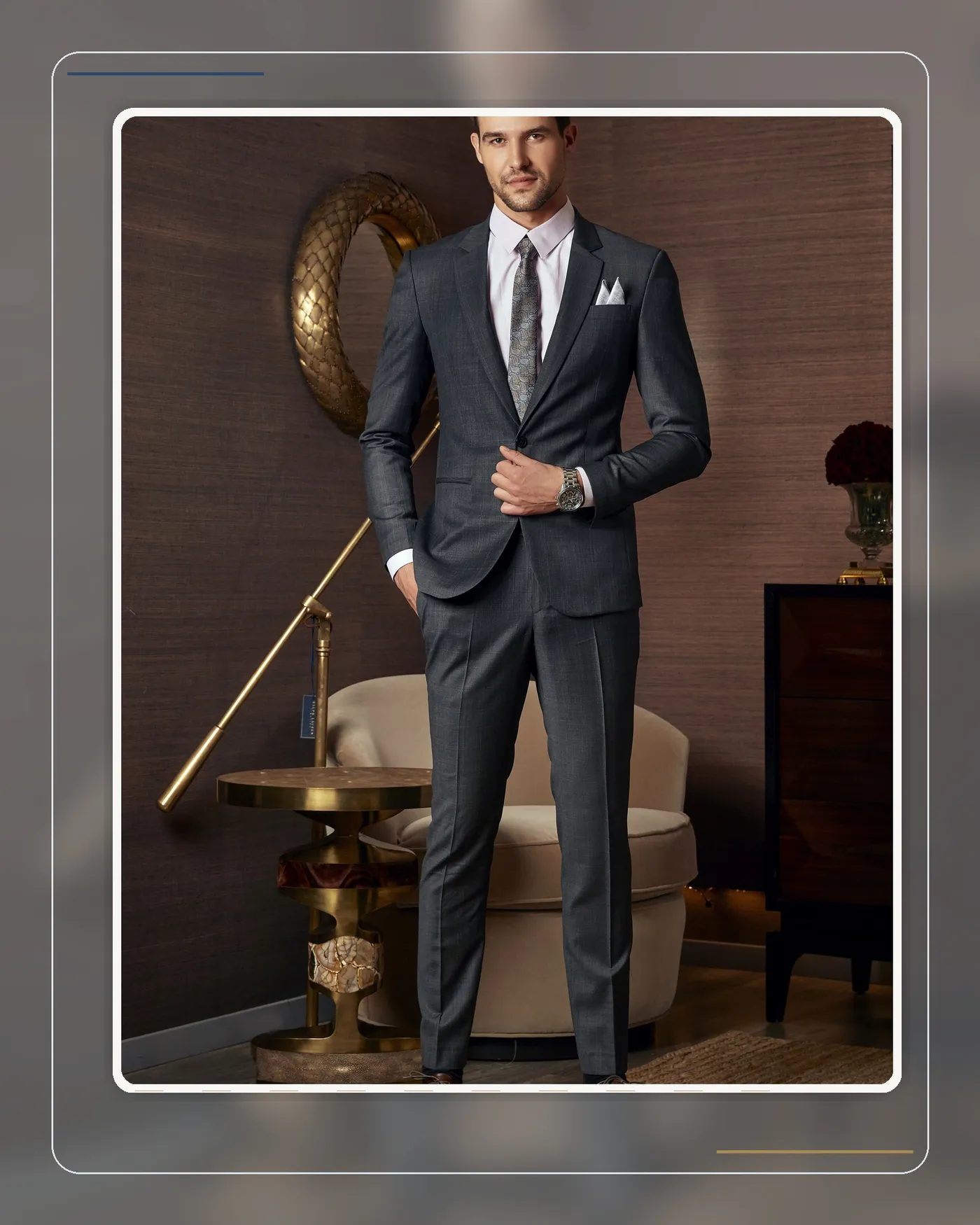
Quiet luxury in office suiting is elegance that comes from quality rather than logos: fine cloth, a fit cut precisely to your body, muted colors (navy, grey, earth brown), and refined but discreet details. The right way to apply it is to shift your budget from "buying brands" to "buying fabric and fit" — a beautifully clothed, well-cut suit with no visible branding speaks for itself to anyone with a trained eye.
What quiet luxury actually is
The core idea: people with real standing don't need to prove it. Applied to suits, that means:
- Cloth speaks instead of logos. Fine merino wool, cashmere blends — drape and surface are things the person opposite feels even without naming them.
- A precise fit is the most "expensive" item. Correct shoulders, a gently shaped waist, a clean trouser break — a perfect fit is far rarer than an expensive label, and far more refined.
- A muted, plain palette. Navy, charcoal, mid-grey, earth brown, beige — any pattern is a faint stripe or light texture visible only up close.
- Details hidden on the inside. Real horn buttons, hand-sewn buttonholes, a beautiful lining — things only the owner and the tailor know about.
How to apply it to an office wardrobe
Quiet luxury does not mean buying everything expensive in beige. In practice:
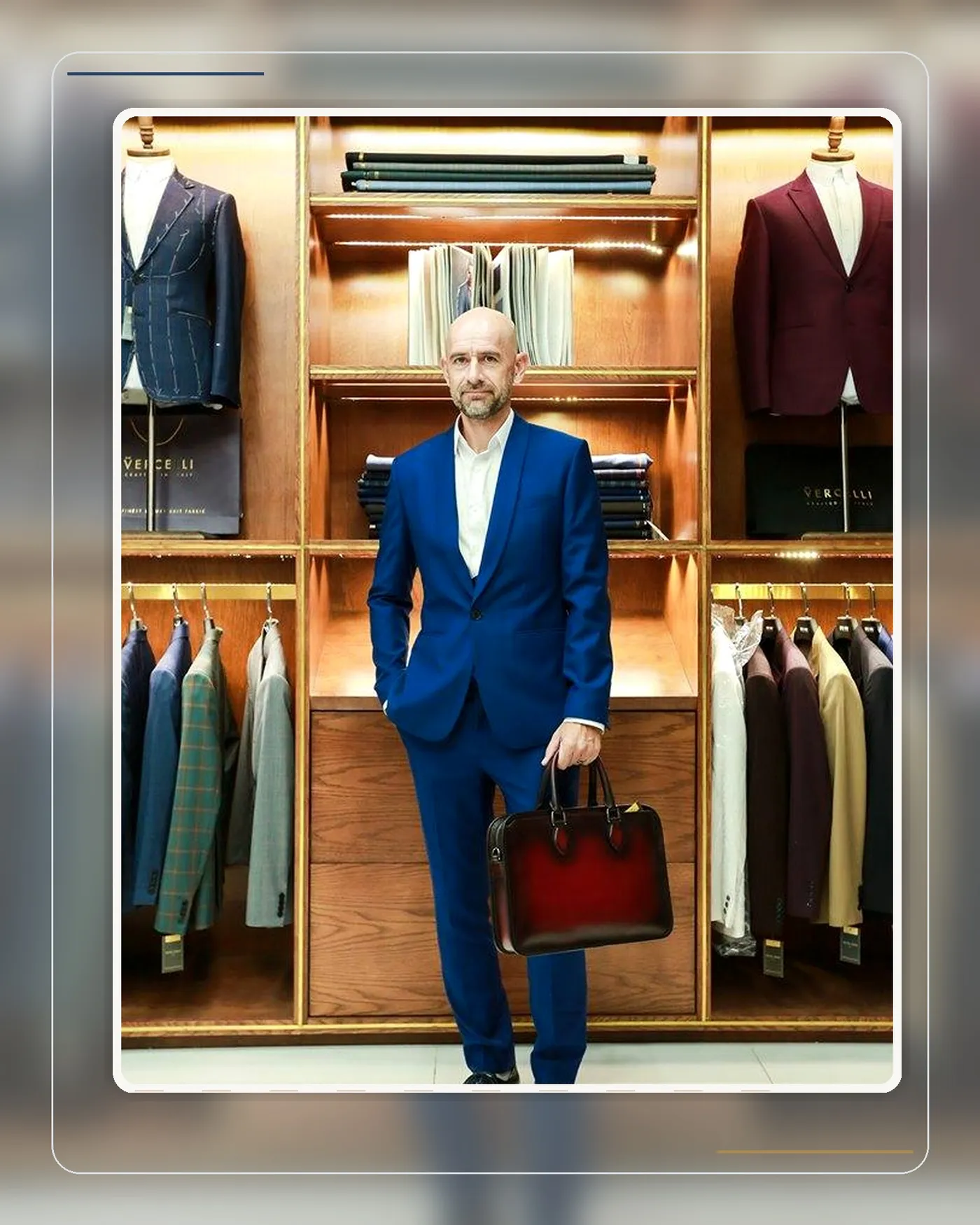
- Start with one truly good base suit. Instead of three average suits, invest in one navy or grey suit in premium cloth, tailored to your body — wearing it will teach you what quiet luxury means before you buy anything else.
- Turn down everything that "shouts". Bold-patterned ties, wide belt buckles, oversized watches — dial each down one notch and the whole outfit moves up one.
- Care for the details nobody mentions. Polished shoes, a pressed shirt, exact trouser length — quiet luxury collapses the moment one careless detail appears.
Common mistakes
- Mistaking quiet luxury for "expensive clothes without logos" — a thousand-dollar jacket in a baggy fit still isn't elegant.
- Flattening it into blandness: quiet luxury still needs good proportions and subtle texture, not just featureless plainness.
- Copying the beige-and-cream palette of Western film wardrobes when the Vietnamese office still calls for navy and grey as the backbone.
A word from Mon Amie's artisans
To a longtime tailor, quiet luxury is not a trend — it is how bespoke has worked for centuries: the value lives in the stitching inside, in the canvassed chest, in the hand-sewn buttonhole no outsider sees. When clients ask Mon Amie about quiet luxury, we often hand them two bolts of navy cloth of different grades — the hand instantly understands what the eye struggles to name. Discreet elegance starts there: with the material, before any statement.
Frequently asked questions
Does quiet luxury mean buying very expensive clothes? No — the core is good cloth and a precise fit; a mid-range tailored suit that fits perfectly is more "quiet luxury" than a designer label worn in the wrong size.
Which colors suit quiet luxury in the Vietnamese office? Navy, charcoal, and mid-grey as the backbone; earth brown and beige for less formal days — all plain or with a very faint pattern.
Will quiet luxury look dated when the trend passes? No, because at heart it is the minimal classic style that existed before the name — the trend will pass, and a well-cut suit in fine cloth will still be right.
Conclusion
Quiet luxury in office suiting is a budget reallocation: pay less for logos, put it into cloth, fit, and refined hidden details. The trained eye will notice — and everyone else will simply see that you look expensive, without knowing why.
If you would like to feel the difference in cloth and stitching with your own hands, book an appointment with Mon Amie or explore our bespoke service.