
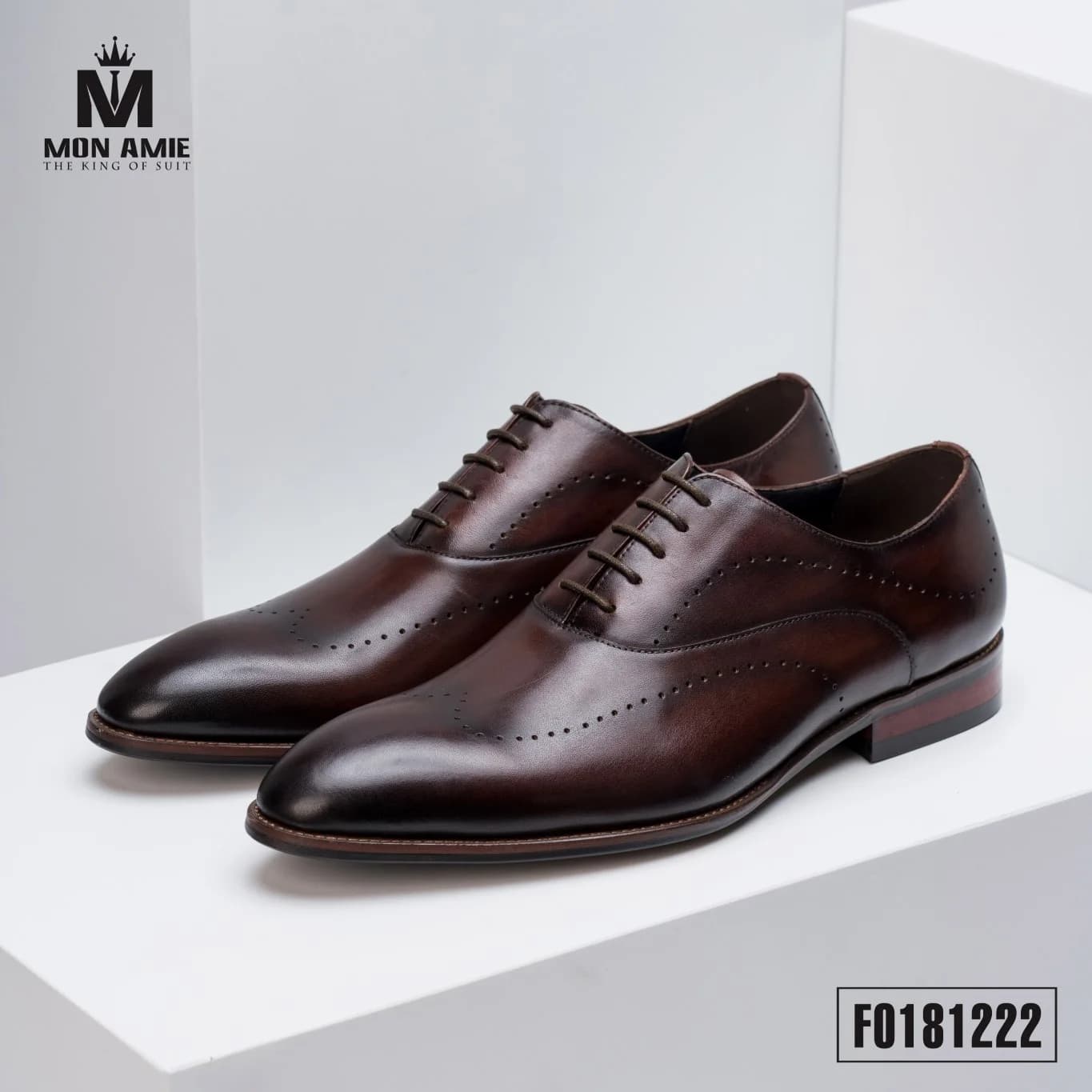
Your shoelace comes undone just as you step up to the podium. Nobody says a word, but every eye settles on your shoes. After decades of tying laces “out of habit”, many gentlemen have never actually been shown how to lace dress shoes properly. This article gathers what master tailors and stylists often mention at fittings: four lacing styles, how to tie a secure knot, and a few small rules so that knowing how to lace dress shoes neatly completes a polished suit.
The short answer
The four standard lacing styles for men's dress shoes are: straight bar (the neatest, suited to Oxfords and formal occasions), criss-cross (the most common, suited to Derbies and everyday wear), over-under (a flat surface with evenly hugging laces) and heel lock (prevents heel slip). Tie a bow with two even loops lying flat across the shoe so it doesn't slip.
Before lacing: Oxford or Derby, and how long a lace
The two most common types of dress shoe differ in how the eyelet panels are constructed:
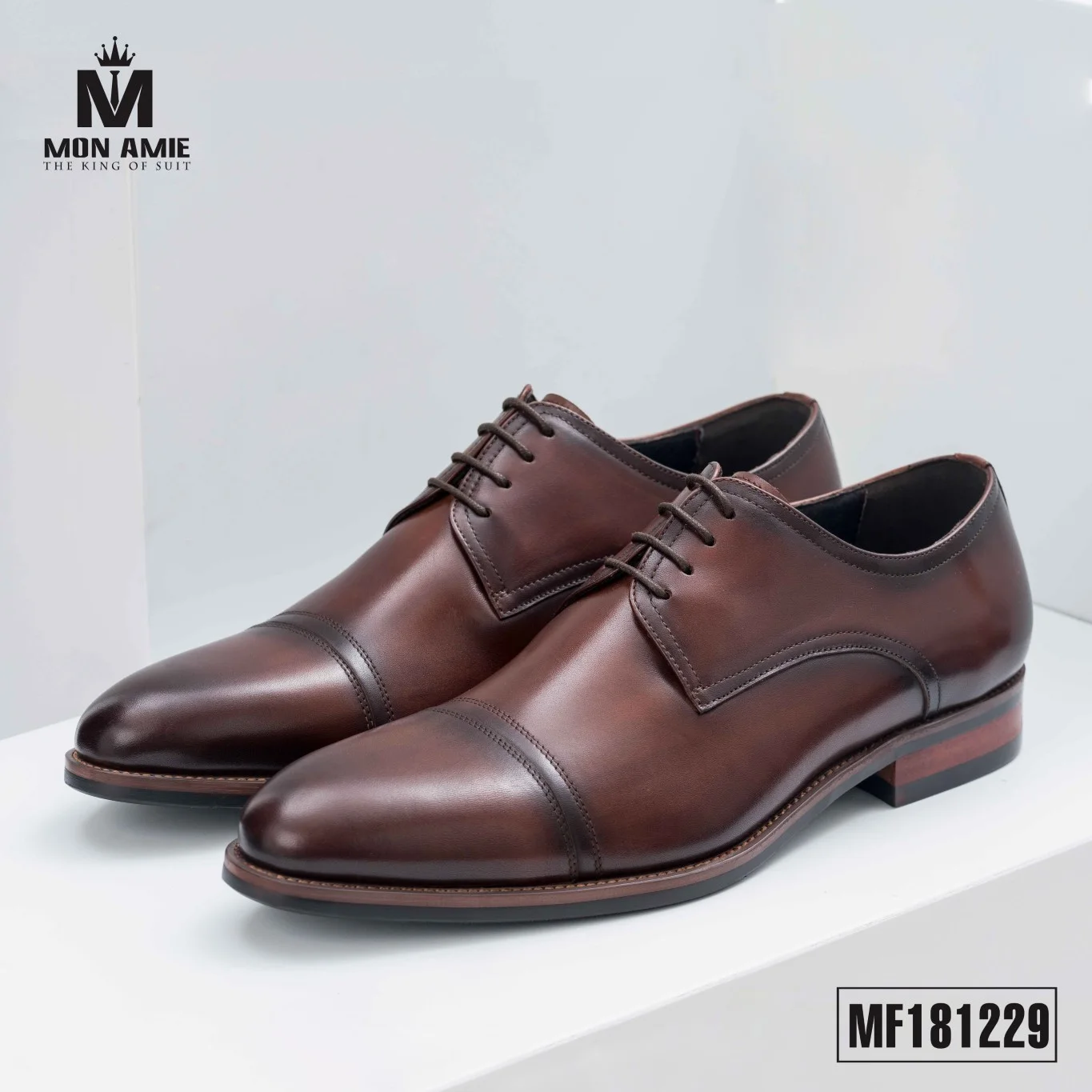
- Oxford (closed lacing): the two panels carrying the eyelets are stitched under the vamp, so when laced the two edges hug each other, giving a sleek and formal shape.
- Derby (open lacing): the panels carrying the eyelets are stitched on top of the vamp, so the two edges can open wider, making it comfortable and easy to fit a high instep.
For laces, choose round waxed laces in a slim width for business dress shoes; flat laces suit casual shoes. The number of eyelet pairs is usually 5 to 6; with this number of pairs, a lace of about 70–80 cm is enough to lace the shoe and tie a bow without too much excess. Count the eyelets before buying new laces.
Four standard lacing styles for men's dress shoes
1. Straight bar lacing: the neatest, suited to Oxfords
This gives the cleanest look, because the surface of the shoe shows only horizontal bars lying parallel. How to do it:
- Thread the lace down through the bottom pair of eyelets, leaving both ends equal in length; the first horizontal bar lies across the top of the shoe.
- One end runs underneath the eyelet panel, comes up through the same-side eyelet of the second row, crosses over to the opposite eyelet and goes down through it.
- The other end also runs underneath, skipping a row, comes up in the third row and crosses over in the same way.
- The two ends alternate like this until the top row of eyelets, where both ends come out to be tied in a bow.
This style suits business suits, weddings and formal occasions. The drawback: it is hard to tighten fully, so it takes patience the first time.
2. Criss-cross lacing: the most common, suited to Derbies
This is the most familiar style, suiting both Oxfords and Derbies:
- Thread the lace across the bottom pair of eyelets, with both ends equal.
- Cross the two ends, then thread each end from underneath upward through the next pair of eyelets.
- Repeat to the last row, then tie a bow.
The advantage is that it tightens evenly and the tightness can be adjusted section by section. It suits the days when you walk a lot and need the laces to grip the instep firmly.
3. Over-under lacing: a flat surface with evenly hugging laces
The method is similar to criss-cross, differing only where the laces cross: at each row, swap the order so that one end goes over and the other goes under. The result is a flatter lace surface with less uneven overlapping, and the laces usually hug evenly so they sag less when you walk. It is a refined style for those who like small details.
4. Heel lock lacing: prevents heel slip
For people whose heels tend to slip in the shoe, reserve the top two eyelets for the heel lock:
- Lace up to the penultimate row as normal.
- At the last row, pass each end through the eyelet on its own side, but pull out only a small loop rather than pulling all the way through.
- Thread the end from the opposite side through that small loop, pull it tight, and only then tie the bow.
This lock holds the ankle more firmly, and is very suitable for slightly roomy Derbies or for people with slim feet.
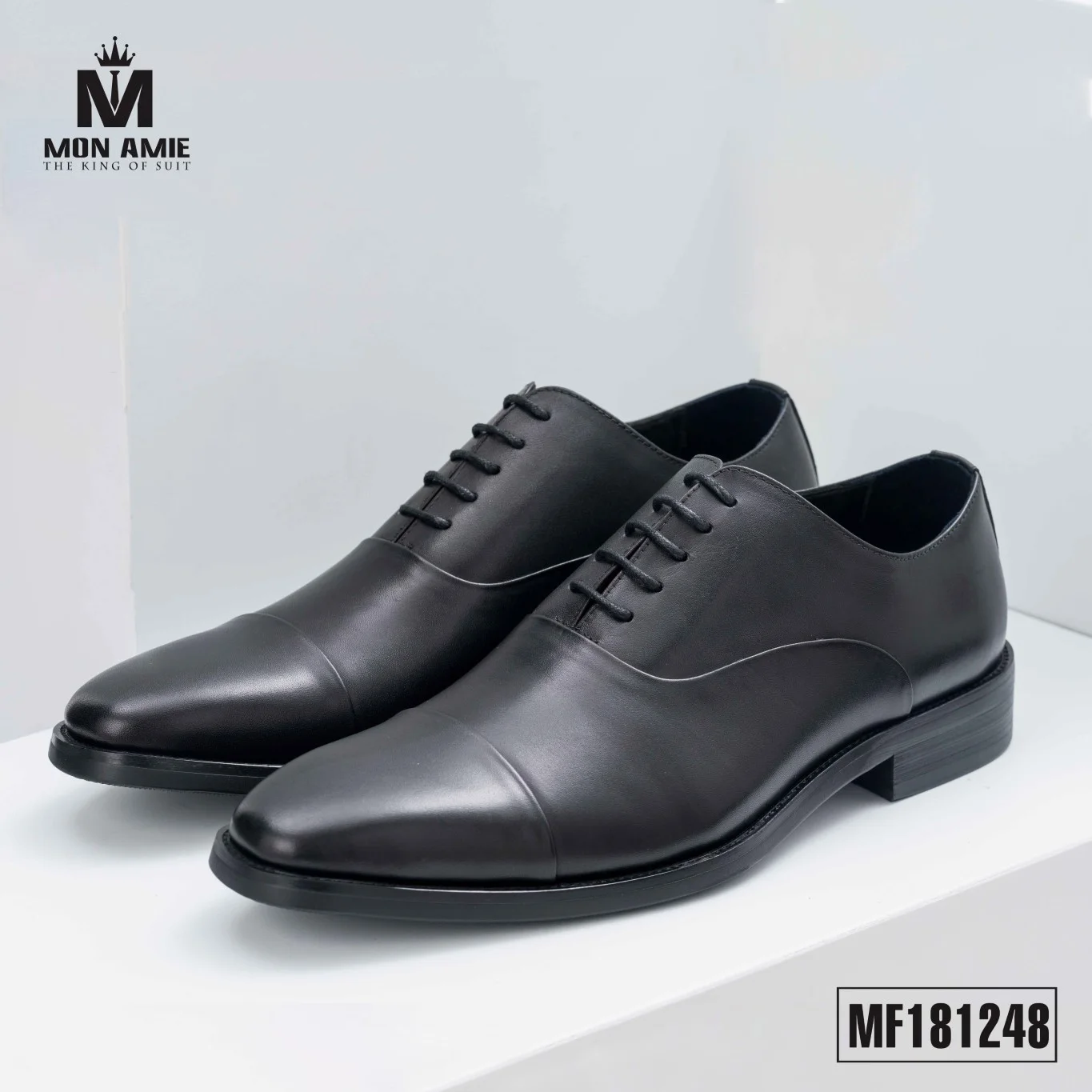
How to tie a knot that stays tied all day
Most untied shoelaces come not from slippery laces but from a bow tied as a “granny knot”, a weak kind of knot. It is very easy to recognise: look at the bow after tying it. If the two loops of the bow lie across the width of the shoe, it is a secure square knot. If the two loops lie along the length of the shoe, the knot is weak.
To tie it securely:
- Wrap twice on the first tie. When you cross the two ends to make the base knot, wrap one more turn around each other before forming the bow, and you will have a “two-turn” knot that holds better.
- Tie a symmetrical bow. Two loops of equal length, lying across, not leaning to one side.
- Choose laces with some friction. Laces that are too thin and slippery tend to slip; rough cotton laces or narrow flat laces usually hold the knot better.
- Hide the excess lace. Tuck the two loose ends in at the edge of the tongue or trim them short so they don't stick out, especially when you wear tapered trousers and need a clean line at the ankle.
A few small rules to make laces go with your suit
Beyond the lacing style, how to lace dress shoes neatly also comes down to the following very small details.
- Laces in the same tone as the shoe. Brown shoes take brown laces in the same tone or slightly darker; black shoes take black laces. White or coloured laces only suit sneakers.
- Bow ends of moderate length. Bow ends hanging down past the ankle bone look sloppy with tapered dress trousers.
- Just-right tightness. Don't let too much of the tongue show between the two edges, but don't press so hard that the instep hurts.
- Keep both shoes even. Sit down, look at both bows and make sure they match; even a small asymmetry is enough to cost the suit points.
If you are unsure which shoes go with your suit, How to choose men's dress shoe size and What shoes to wear with a blazer are two good places to start.
Tips from Mon Amie's master tailors
We often tell clients: dress is a chain of details, and the smallest detail is often the one people remember most. Put a well-fitting made-to-measure suit together with a pair of polished shoes but laces threaded crooked, and the person sitting opposite will remember the laces. In the morning before you leave the house, spend two minutes re-lacing: take all the lace out and thread it again from the start, until the two rows are parallel or crossing evenly. Those two minutes buy you a whole day's peace of mind.
If your company wants the whole team to understand how to wear a suit, choose shoes and keep to the dress code, Mon Amie's Dressing Etiquette workshop is designed for exactly that.
Frequently asked questions
What are men's dress shoes with no laces?
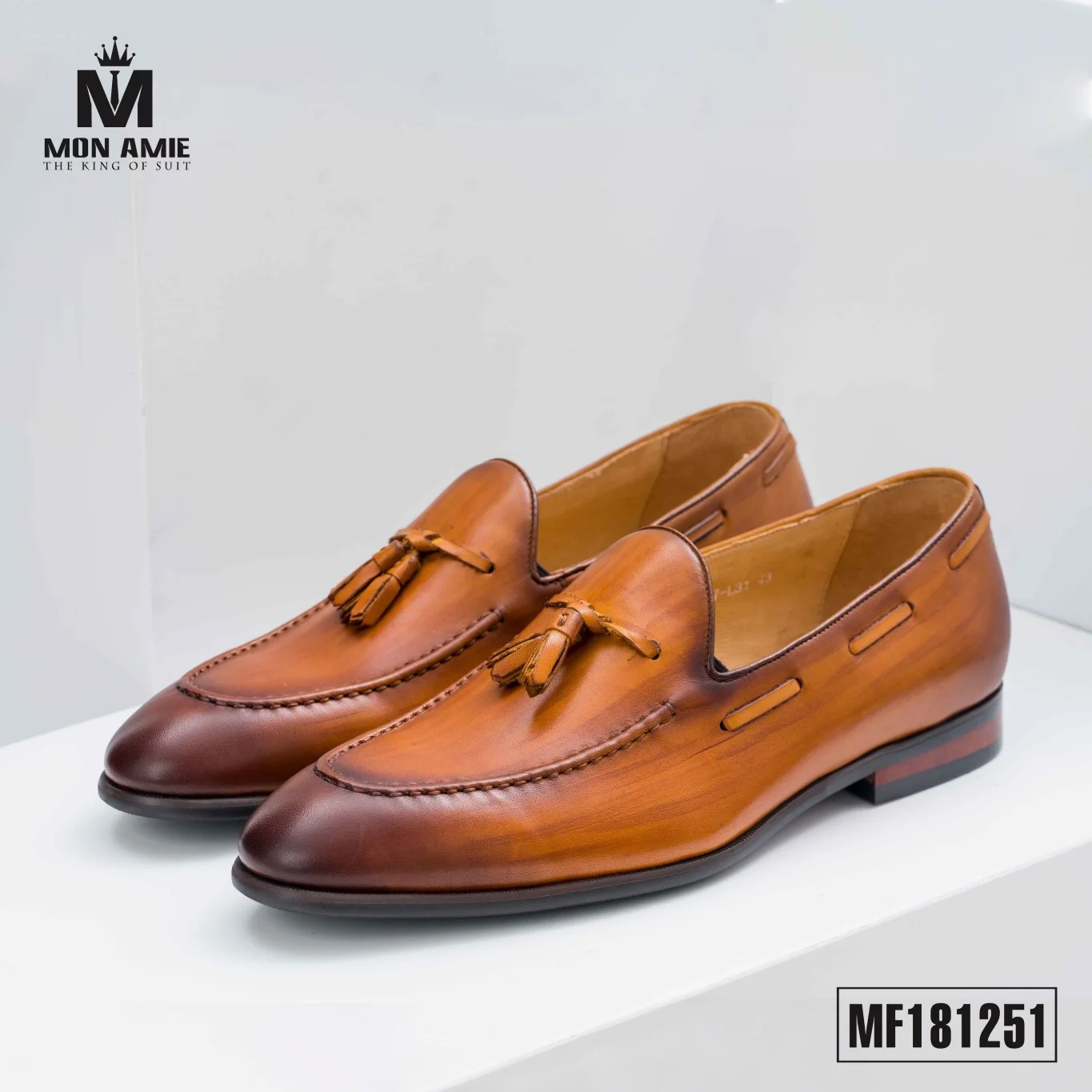
These are the slip-on group, such as loafers, monk straps (with a side buckle) or slip-ons. Loafers suit a weekend suit or a relaxed office; monk straps are formal, closer to Oxfords. This group needs no lacing, so it is convenient, but it is less suited to a tuxedo or a very solemn occasion.
How do I tie dress shoe laces so they don't come undone?
Tie a square knot: wrap twice on the first tie, make two loops lying across, and pull both ends evenly. If the knot still slips, try switching to cotton laces or narrow flat laces, because they usually have better friction than slippery waxed laces.
How tight should dress shoe laces be?
Tight enough that the heel doesn't slip when you walk, but not so tight that the instep is squeezed. With Oxfords, the two edges are usually close together; with Derbies, the two edges can gap slightly more. If the tongue shows widely even after you have tightened fully, the shoe may be too wide for your foot.
Should dress shoes have round or flat laces?
Round, slim laces, usually waxed, are the traditional choice for business dress shoes and Oxfords. Flat laces suit casual Derbies or suede shoes. Just remember that the laces must match the tone of the shoe and fit the eyelets.
Closing thoughts
Knowing how to lace dress shoes neatly is no complicated trick: just choose the right lacing style for the right shoe, tie a square knot and keep both sides balanced. Once you have a well-fitting made-to-measure suit, the shoes deserve matching care. If you would like more suggestions on pairing shoes with the suit you are about to order, come by the Mon Amie showroom and let a stylist choose with you.