
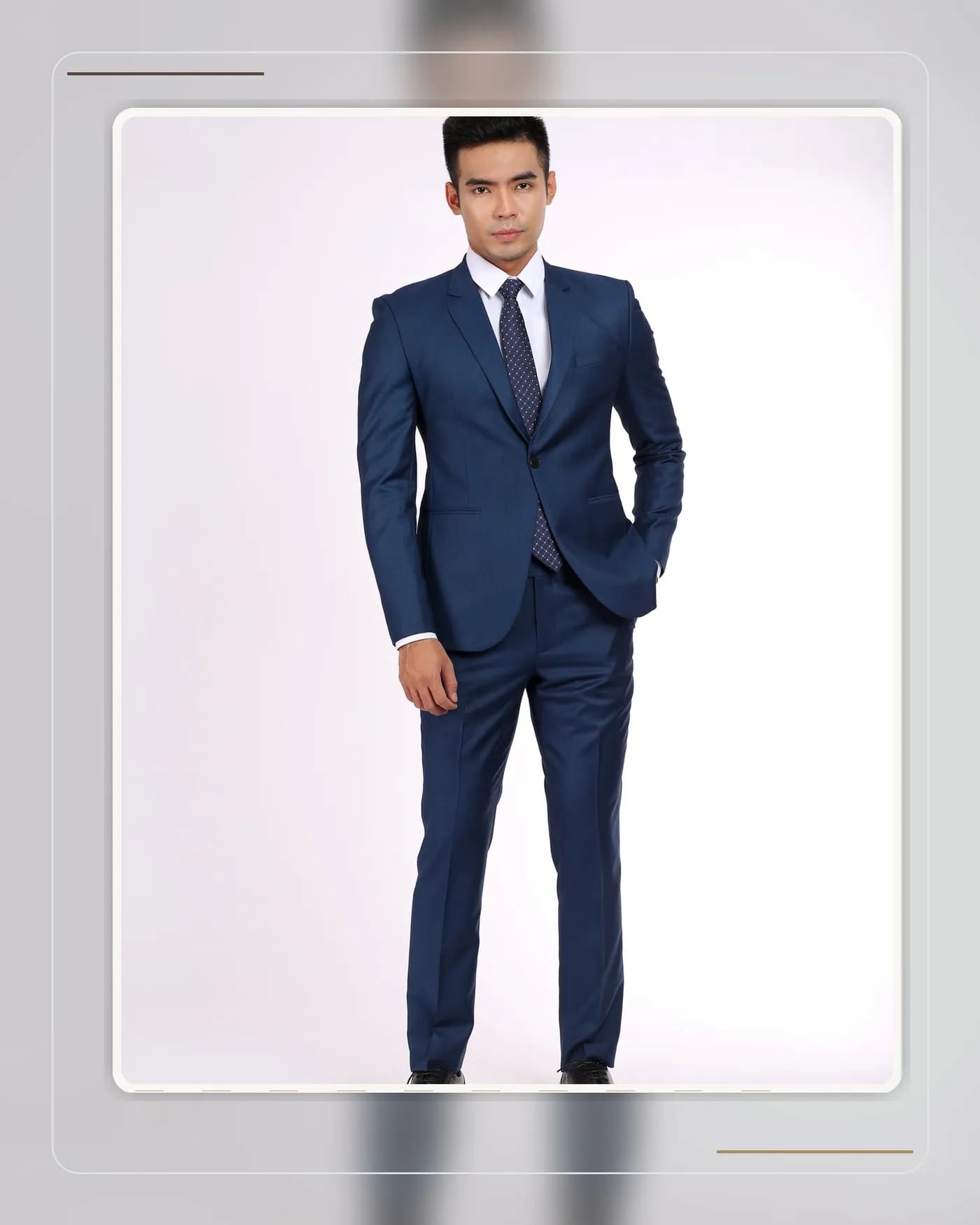
Contrast or tonal colors for a formal outfit — Mon Amie often gets this question when a client is preparing for an important event and standing before a wardrobe with too many options. In truth, both approaches are correct; the question is when, and on whom.
The short answer
The general rule: the more formal the occasion, the more tonal you should go; contrast is for settings where you need to stand out or want to look younger and more dynamic. The second factor is your own face — men with naturally high contrast (dark hair, fair skin) wear contrast pairings beautifully, while softer, low-contrast complexions favor tonal looks. When in doubt, choose tonal with one small accent — a formula that almost never fails in formal settings.
Tonal: safe but never boring
Tonal dressing means using different shades of the same color family — say, a navy suit, light blue shirt, and a tie one shade darker than the suit. The result is seamless, elongates your silhouette, and radiates composed refinement — which is why tonal looks dominate conferences, signing ceremonies, and upscale weddings. The secret to avoiding dullness is clear shade separation between layers plus texture play: a woven-texture tie, a silk pocket square in the same color family.
Contrast: a controlled accent
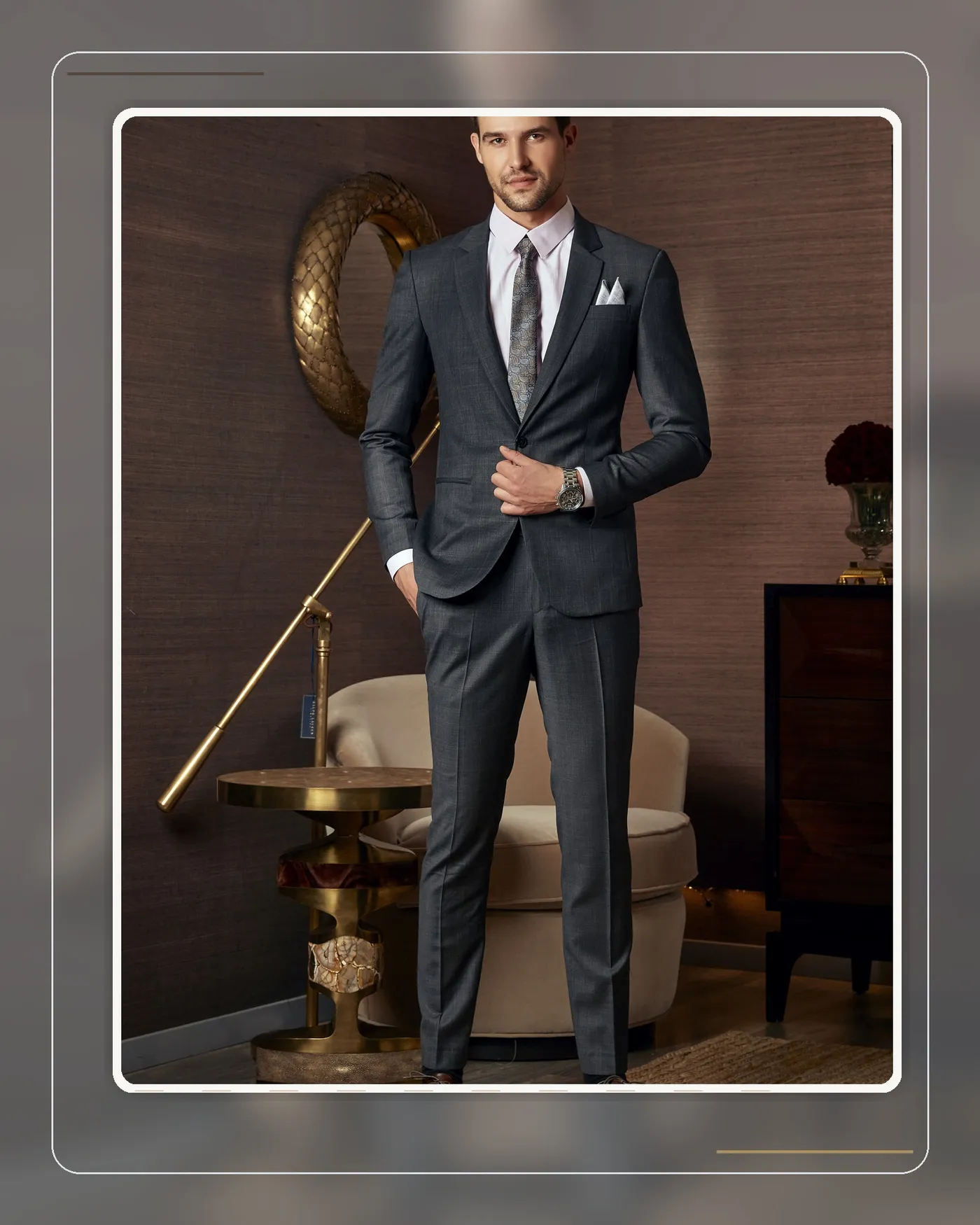
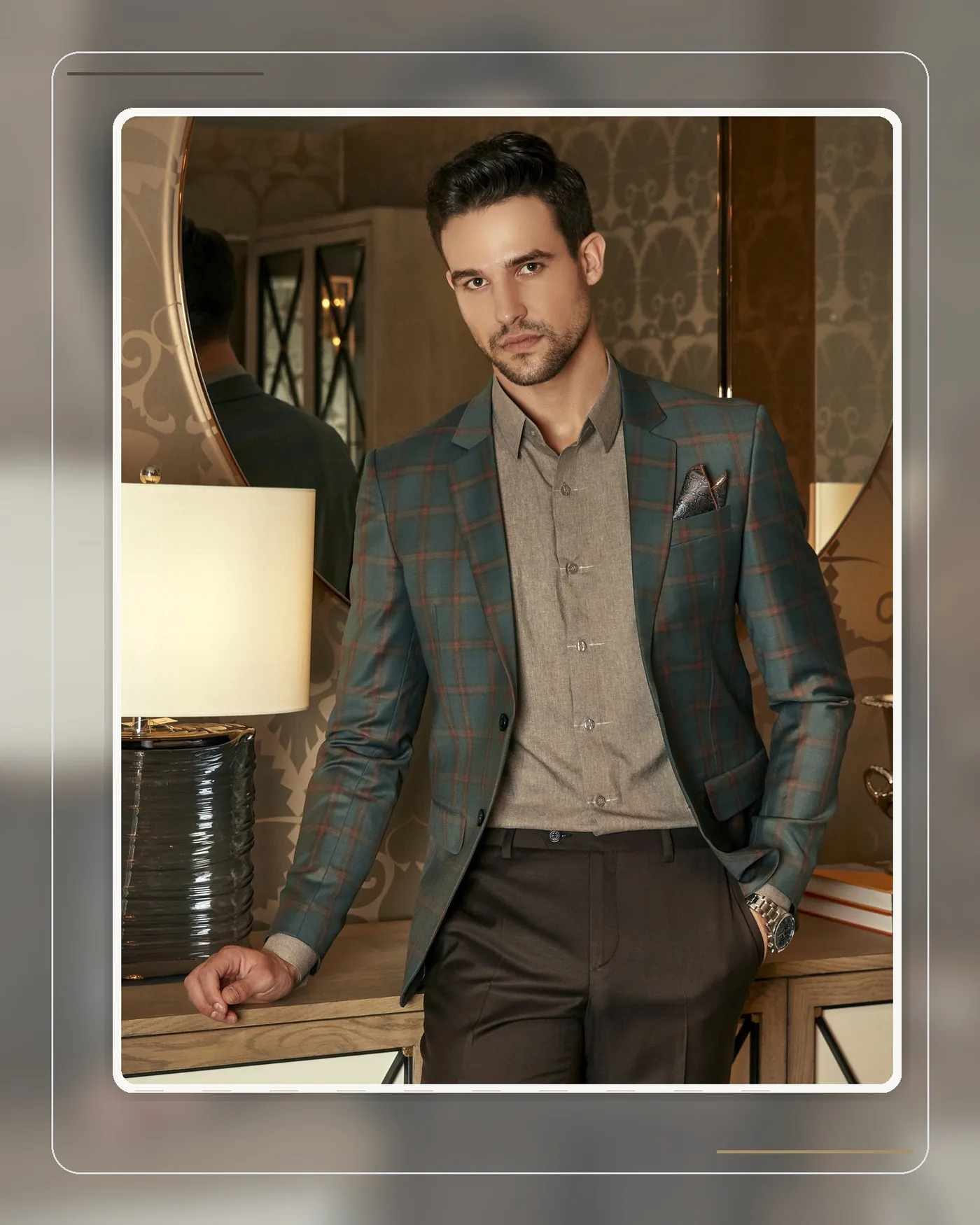
The most classic contrast is a dark suit with a white shirt — itself a benchmark contrast pair, so you rarely need more. If you want to push further, keep the rule of one main contrast point per outfit: either a bold tie or a bold pocket square, never both shouting at once. With patterned suits like checks, the pattern is already the accent — everything else should retreat to tonal.
Common mistakes
- Cramming two or three accent tones into one outfit, making it busy and less refined.
- Going tonal with shades too close together, so the look reads as one flat block from a distance.
- Forgetting to check the outfit under warm restaurant light or camera flash — strong contrast can turn much harsher than it looked in the fitting-room mirror.
A word from Mon Amie's artisans
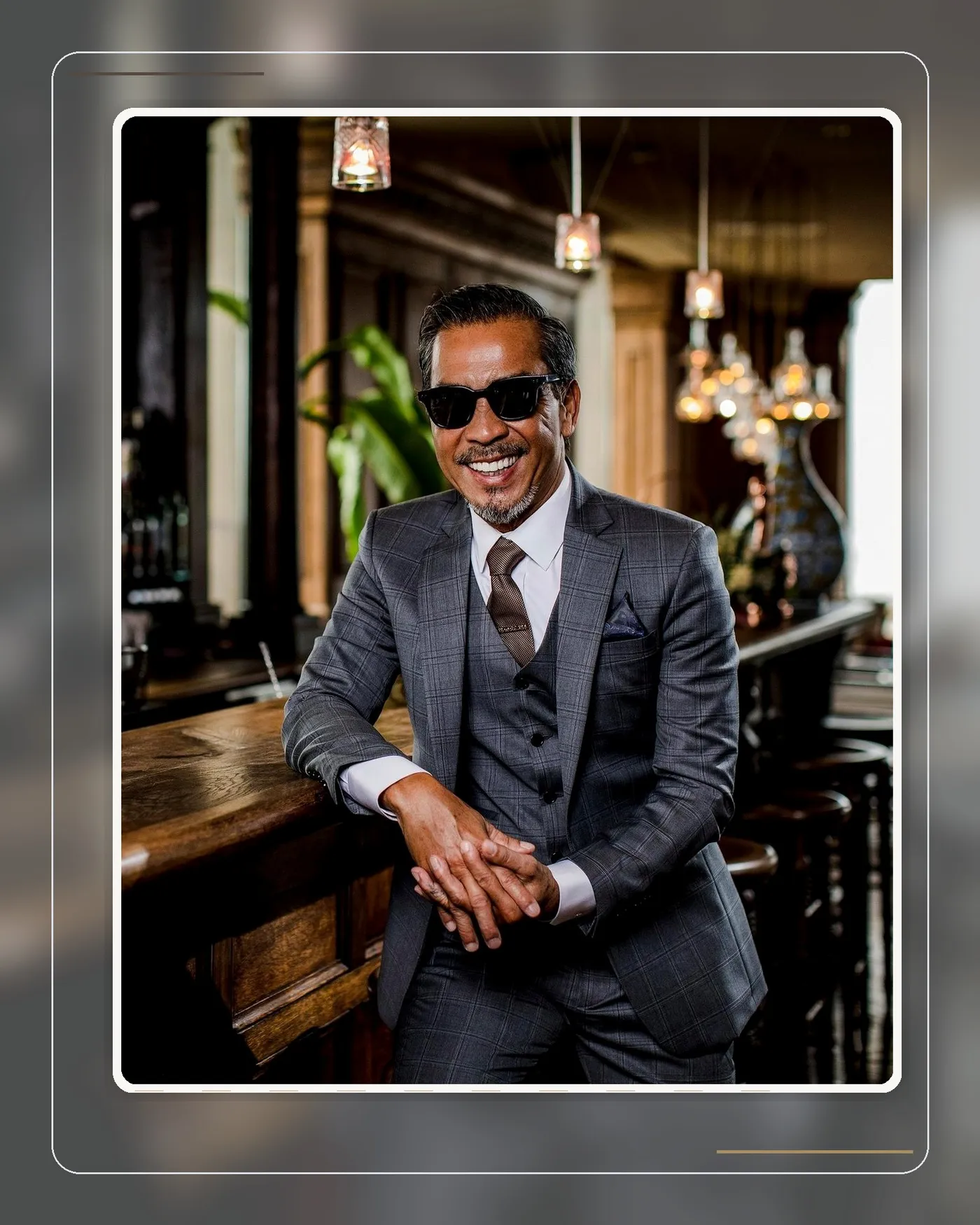
When advising on color, Mon Amie always starts from your face and your real occasions, not a trend board. We often hold two ties — one tonal, one contrasting — against the suit cloth just below your chin so you can see for yourself which option brightens your face. For clients who attend many formal events, we recommend building a tonal foundation first, then adding contrast pieces as "seasoning" — a wardrobe that is both safe and distinctive.
Frequently asked questions
Which approach for an interview or a first meeting with a partner? Tonal, or the classic dark suit with a white shirt. Both formulas project professionalism without distraction.
Does tonal dressing look bland? No — not if you separate shades clearly between layers and vary textures. Tonal done well looks more expensive than contrast done hastily.
How many colors should a formal outfit have at most? Three is the safe ceiling: the suit's base color, the shirt color, and one accent. Beyond three, formality drops quickly.
Conclusion
Contrast versus tonal is not a right-or-wrong question — it is a question of the right occasion and the right face. Master those two variables and you can pair colors with confidence, no trend-chasing required. To try the options on real cloth, book an appointment with Mon Amie or explore our bespoke service.