
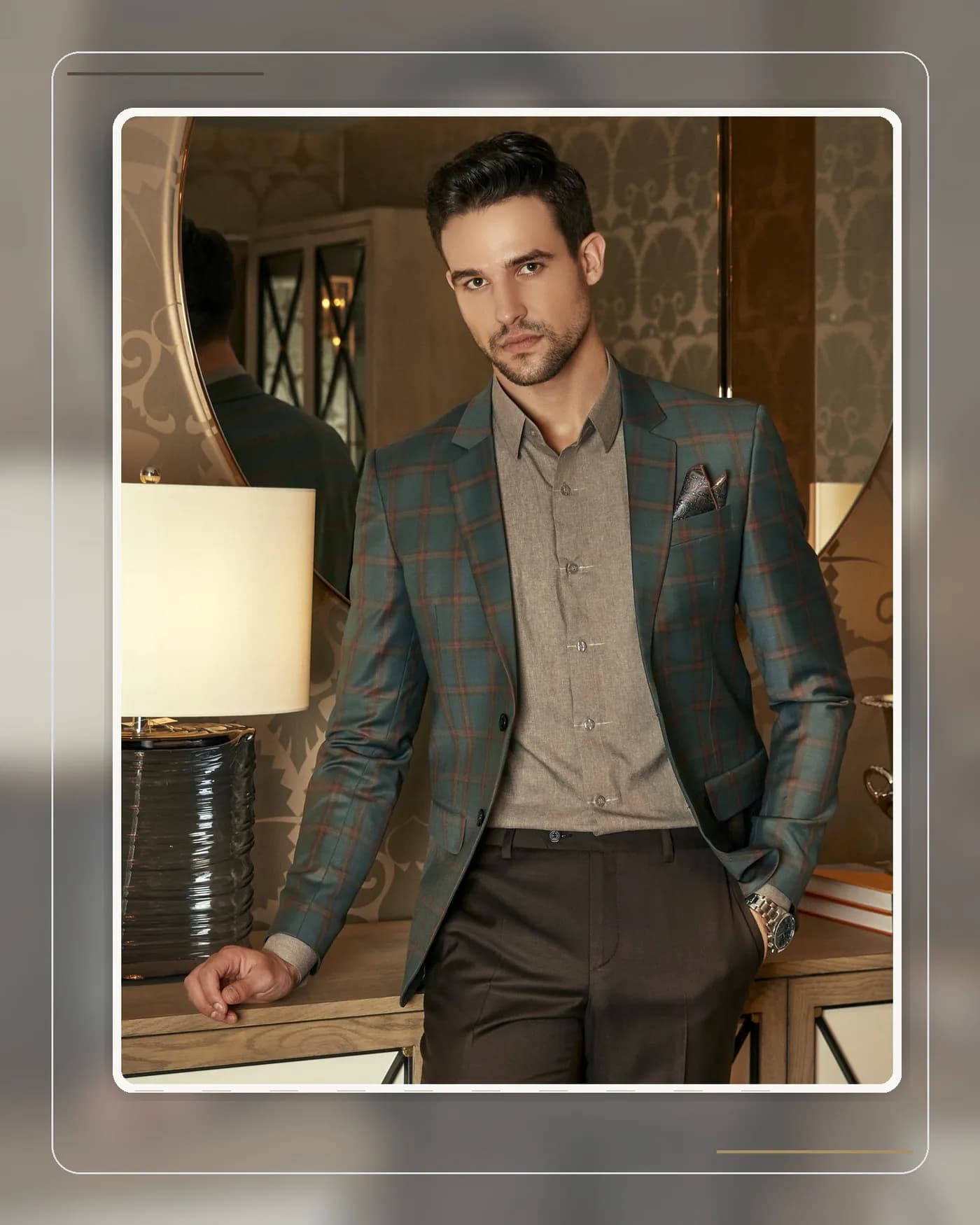
The brown suit was once banished from Western finance under the famous rule "no brown in town". But the modern office has changed: dress codes have softened, personal image matters more, and brown — with a warmth that navy and grey simply lack — is making a strong return. So should a brown suit earn a place in your work wardrobe?
The short answer
Yes, unless your workplace belongs to the strictest formal tier (investment banking, traditional law, state ceremony). For most modern offices — technology, creative industries, commerce, executive management — a dark brown (chocolate) or reddish-brown (rust, tobacco) suit projects warmth, approachability, and considerably more taste than a third navy suit. Mon Amie's rule: the darker the brown, the safer it is for the office; light browns (tan, camel) are best saved for relaxed occasions.
Why brown suits the modern office
Brown reads as approachable. Navy says "professional", charcoal says "authority", but brown says "trustworthy and easy to talk to". For managers, salespeople, and consultants — professions built on relationships — that is a real advantage, not colour theory on paper.
Brown flatters Vietnamese skin tones. The warm golden undertone of most Vietnamese men takes earthy and reddish browns beautifully — far better than light grey, which can dull the complexion. This is something Mon Amie's artisans have observed across thousands of fabric fittings at the workshop.
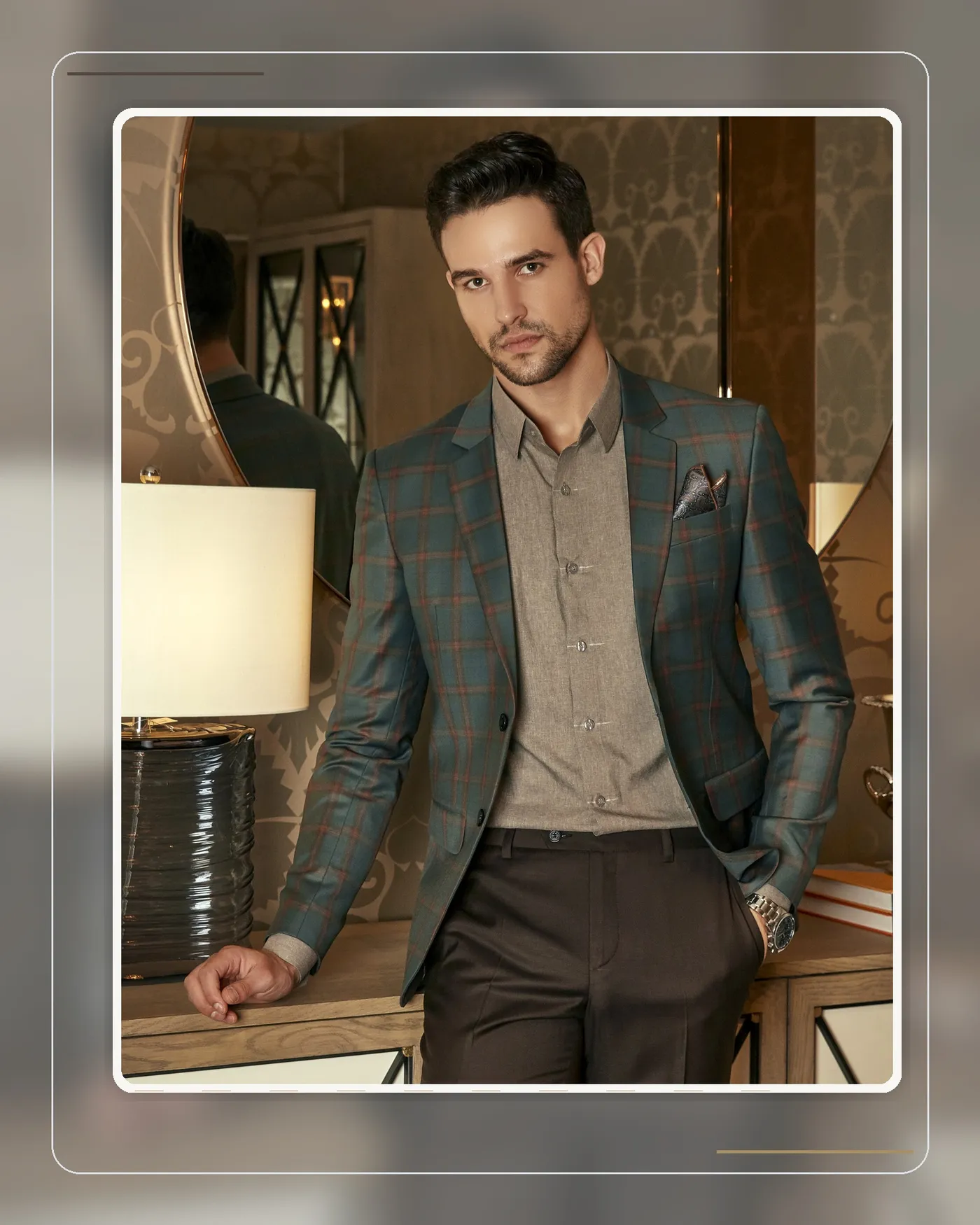
Brown sets you apart with restraint. In a meeting room full of navy and grey, the man in dark brown draws attention without a hint of showiness — distinction through depth, not brightness.
Which shade of brown for work
- Dark brown (chocolate): the safest choice, with enough gravitas for important meetings. It should be your first brown suit.
- Reddish brown (tobacco, rust): more character, most beautiful in textured cloths like flannel or a pronounced twill.
- Light brown (tan, camel): striking but firmly smart casual — better for casual Fridays and outdoor events than the boardroom.
How to pair a brown suit properly
White, pale blue, or cream shirts are the safe foundation. Shoes should be one shade darker than the suit — and never black with a light brown suit. Ties in navy, forest green, or burgundy add lovely depth against brown. If your office does not require a tie, a fine cream merino knit under a brown jacket is an elegant formula that rarely fails.
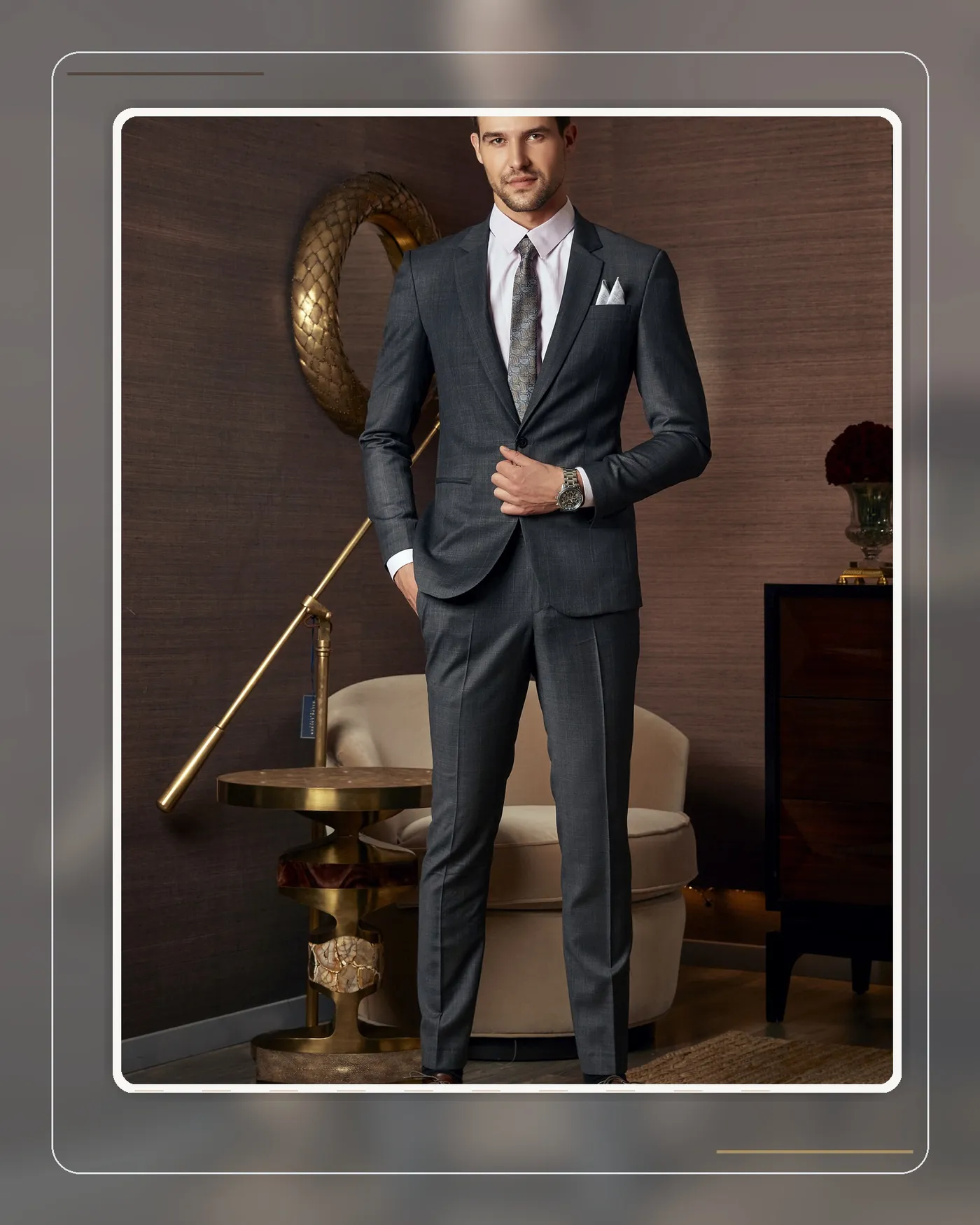
A note from the fitting room: check a brown suit under warm office and restaurant lighting — brown shifts noticeably with light, and a suit that looks superb by day can lean orange under warm lamps. Test both lighting conditions before committing to the cloth.
Common mistakes
- Choosing a light brown as your first brown suit — hard to wear and easily off-key with the workplace.
- Pairing black shoes with a brown suit — a formula that almost always fails.
- Wearing brown to the strictest formal occasions (major signing ceremonies, formal evening events) — those still belong to navy and charcoal.
A word from Mon Amie's artisans
At the Mon Amie workshop, brown is the suit we most often recommend as "suit number three": after navy and charcoal, once a client has his foundation and wants a garment with personal character. For clients with warm golden skin — the majority of Vietnamese men — our artisans drape chocolate and tobacco swatches directly against the face in natural light: almost every time, the client is surprised at how much better brown flatters him than he expected. That is why a well-cut brown suit often becomes the most complimented piece in the wardrobe.
Frequently asked questions
Can I wear a brown suit to a job interview? Yes, in most modern industries — choose dark brown. For traditional finance or law, navy or charcoal remains the safer bet.
What shoe colour works best with a brown suit? Shoes one shade darker than the suit is the classic formula. Dark brown suede suits a softer style; polished calf leather suits a sharper one.
Should my first brown suit be plain or patterned? Plain, or with a subtle stripe, for easy pairing. Save bolder checks for a second brown suit once the colour feels familiar.
Conclusion
Brown is no longer an outsider colour — in the modern office, it is the most refined way to stand apart while staying appropriate. Start with dark brown, pair it with brown shoes and light shirts, avoid only the strictest formal occasions, and you will own a suit that is both easy to wear and unmistakably yours. To try brown shades directly against your own skin tone, book an appointment with Mon Amie or browse our pricing first.