

Four in the afternoon, the third meeting of the day. The little toe on your right foot is starting to burn, there's a small blister forming on your left heel, and you're working out whether you could slip your shoes off under the table. Most gentlemen have been here, and most blame shoes that haven't been “broken in” yet. In truth, comfortable men's dress shoes are usually decided at the moment you choose them, long before you first put them on.
Quick answer
Men's dress shoes don't hurt when they are the right size (measured in the afternoon), the right last for your foot shape, made of soft leather with a leather lining, and have a sole with some flexibility. New shoes need to be worn in over several days, one or two hours at a time, with socks thick enough. Wide feet should choose a roomy round-toe last, not a pointed toe.
Why do dress shoes so often hurt?
Four common causes, which often overlap:
- The wrong size, especially the width. People often look only at length and forget the width of the foot.
- A last that doesn't suit your foot shape. Wide, high-instep or slim, long feet each need a different shoe shape.
- Leather and sole that are too stiff, rubbing and blistering before they've had time to mold to your foot.
- Heel and collar rubbing, usually because the shoe is loose at the heel or the socks are too thin.
How to choose comfortable men's dress shoes
1. Measure your feet and try shoes on in the afternoon
Feet gradually swell through the day, so late afternoon or early evening is when they are truest. When trying on, stand up, walk a few laps and check three points:
- About a finger's width in front of your longest toe (roughly one centimetre), so your toes don't touch the end of the shoe as you step.
- The heel hugs and doesn't slip as you walk. A very slight lift is normal.
- The instep isn't pinched by the laces or the tongue.
Our article on how to choose men's dress shoe size shows how to measure your feet at home.
2. Choose the last by foot shape
- Wide feet: choose a round or wide almond toe, in shoes with a “wide” fitting or a wider-size marking. Avoid pointed toes.
- High instep: derby shoes (open lacing) are more comfortable than oxfords (closed lacing).
- Slim feet: loafers may slip at the heel, so prefer lace-ups or add a heel pad.
3. Choose the leather: soft, genuine, and leather-lined
Genuine leather men's dress shoes (calfskin or full-grain cowhide) stretch to your foot over time, absorb sweat and grow softer with each wear. Faux-leather (PU) shoes are the opposite: stiff, stuffy and prone to cracking. Simple ways to tell:
- Genuine leather has uneven pores and grain, while faux leather is regular, as if printed.
- Look at the cut edge: genuine leather shows fibers, faux leather shows a fabric or plastic base layer.
- A leather lining (not synthetic fabric) lets the shoe breathe and limits odor.
Suede and soft calfskin are the two most comfortable options, though suede needs more careful care.
4. Sole and heel: cushioned yet stable
With flat-soled men's dress shoes or a low heel (about two to three centimetres), less weight is thrown onto the toes. A leather sole looks elegant but is stiff and slippery in the first days. A thin rubber sole is more flexible and grips better, which suits people who walk a lot. The insole should be soft but not so thick that it pushes your foot upward.
5. Breathability is a matter of materials
For breathable men's dress shoes, combine three things: soft leather, a leather lining, and cotton or thin wool socks. Brogues (with decorative perforations) breathe a little better. Avoid thin nylon socks, because trapped sweat makes the skin blister easily.
| Criterion | Choose | Avoid |
|---|---|---|
| Leather | Calfskin, genuine cowhide, suede | Stiff faux PU leather |
| Lining | Leather lining | Stuffy synthetic fabric lining |
| Last | Round toe, wide almond | Pointed toe if your feet are wide |
| Sole | Low heel, thin rubber or a leather sole that has softened | Stiff sole, high heel |
| Socks | Cotton, thin wool | Thin nylon |
Breaking in new shoes: a schedule over a few days
Good leather shoes still need time to mold to your feet. You can follow this schedule:
- Days 1 to 3: wear them at home for one to two hours a day, in socks thick enough for the leather to stretch gradually.
- Days 4 to 7: wear them to work for half a day, keeping a spare pair in the car trunk or your desk drawer.
- From the second week: wear them all day, but rotate two pairs, giving each pair at least one day's rest.
A few small tricks help: use a leather-softening spray or balm on tight spots, plasters or heel stickers where it rubs, and a shoe tree or crumpled paper when storing so the leather doesn't shrink back. And the most important rule: don't wear a brand-new pair on an important day such as a wedding, an interview or an all-day standing conference.
How should people with wide feet choose dress shoes?
Wide feet hurt most at the joints of the little toe and big toe. Instead of going up half a size (which makes the shoe longer but still tight across), look for a proper wide-fit shoe. Favor round toes and soft leather, especially shoes with a leather lining and laces to adjust the fit. Suede loafers or soft calfskin are also good choices. If you're unsure, ask the store to measure the width of your foot before you choose.
Tips from Mon Amie's master tailors
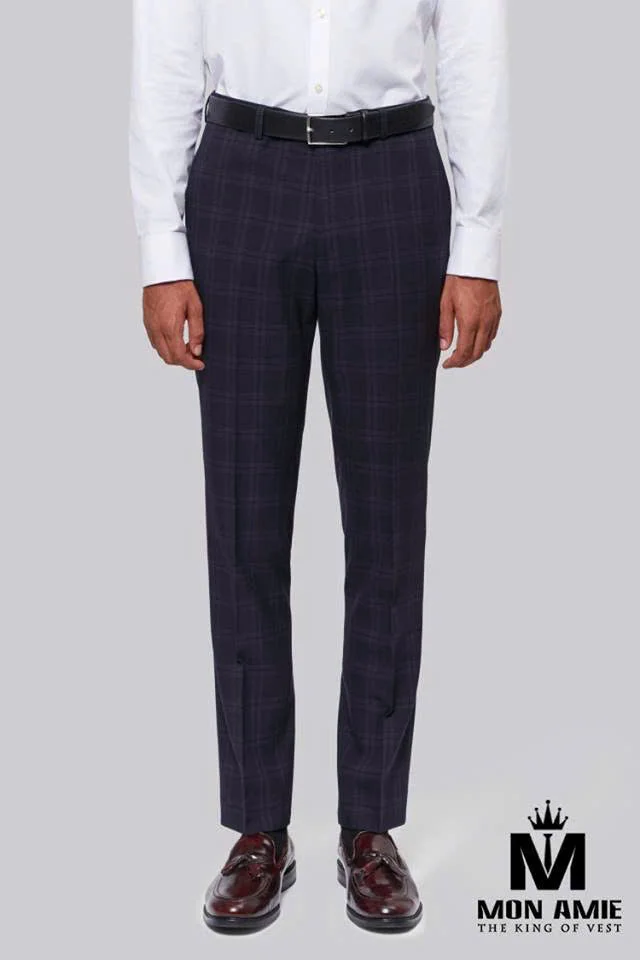
- Measure your trouser length with the exact shoes you plan to wear. The hem should touch or slightly cover the top of the shoe. If you're measured in a different pair, the length will be off when you change shoes. Bring the pair you actually plan to wear with the suit to your fitting at a showroom.
- Think about how you lace. The way you lace also affects comfort, especially with a high instep. See how to lace men's dress shoes nicely.
- Shoes should suit the suit, but comfortable feet come first. If you're not sure which shoes go with which suit color, read what color shoes to wear with a black suit.
Common mistakes
- Buying shoes by the size printed on the box without trying them on, since every brand has its own last.
- Choosing tight shoes “to stretch gradually.” Leather stretches slowly and unevenly, and your feet suffer first.
- Choosing pointed toes for wide feet.
- Wearing short, thin nylon socks, so sweat pools and the skin rubs.
- Wearing the same pair continuously without letting the shoes rest and dry.
Frequently asked questions
Which soft-leather men's dress shoes should I choose?
Soft calfskin and suede are the two most comfortable. Test by pressing a finger lightly into the toe and the heel: soft leather dips and then recovers quickly. A leather lining feels airier and softer than a fabric lining.
What should I look for in breathable men's dress shoes?
Choose soft genuine leather, a leather lining, and cotton or thin wool socks. Brogues, with their perforations, breathe a little better. Avoid faux-leather shoes and nylon socks, which trap heat and moisture.
Do flat-soled men's dress shoes go with suits?
Yes. A low heel of about two to three centimetres is very common for office dress shoes and goes with every suit. A flat sole makes long days less tiring than a high heel.
How can I tell genuine-leather dress shoes?
Look for uneven grain, fibers at the cut edge, a leather lining and the natural smell of leather. Faux leather has an even surface, as if printed, and the cut edge shows a fabric or plastic base layer.
Final thoughts
Choosing dress shoes that don't hurt is a balance of size, last, leather and break-in time, not a matter of luck. Once you have a pair that fits, bring it to your suit fitting so the master tailor can set your trouser length precisely. Book a fitting at a showroom or see our bespoke tailoring service.