
Woven fabric terms: fabrics made from woven structures
Today, sales work on websites and e-commerce platforms is extremely common, yet it is difficult for many people. Because you cannot see or try the product in person and only come across pictures on the internet, and those pictures are sometimes retouched and carry inaccurate information, you can suffer considerable losses.
In this article, Mon Amie provides the basic concepts so that you can better understand the technical terms. Today's topic is woven fabric materials, which will help those of you in fashion and textile business work more effectively.
Below is information on these terms.
Composition:
Fabric can be made from many different materials, and cotton, bamboo or wool content is the most common. Even so, cotton comes in many different qualities depending on the plant variety, the soil and region where it is grown, or the season. Cotton quality is assessed and graded mainly by fiber length, or staple. The longer the fiber, the softer and more comfortable the fabric becomes. The different cottons used in fabrics are usually described as follows:| Component Composition | Fiber length Staple length | Summary Description | ||
| 100% Cotton | 15-40mm | A fabric that is 100% cotton may contain fibers of average length within this range. | ||
| 100% Long staple | >30mm |
| ||
| 100% Egyptian | >40mm | Egyptian cotton is perhaps one of the most famous cottons in the world, known for its high quality and excellent grade. | ||
| 100% Linen |
|
| ||
| 65% Cotton, 35% Linen | 15-40mm 400 –700mm | A linen/cotton blend contains fibers from both cotton and flax, so the fabric has the properties of both cotton and linen fibers. |
Yarn:
When choosing fabric, the fiber and yarn composition determines a great deal of the feel and comfort of a garment. A yarn is built either as a single yarn or as a two-ply yarn, meaning it is made from one strand or from two strands twisted around each other. Two-ply yarn gives garments a smoother, softer and more comfortable feel. Fabric manufacturers usually choose a two-ply twisted yarn for the warp (the yarns running along the length of the fabric) and a single ply for the weft (the yarns across the fabric).The fineness, or count, of the yarns used in fabrics is usually expressed in the English count system (Ne), which is the number of 840-yard lengths of yarn in one English pound. A yarn with a higher count is therefore a finer yarn. However, a two-ply 100s yarn has the same fineness as a single 50s yarn.
Example:
| Description | Meaning |
| Two-ply 80s | Means the fabric has both warp and weft made of two plies of 80 Ne yarn (equal in fineness to a single 40 Ne yarn). |
| Warp: Two-ply 100s , Weft: One-ply 50s | Means the fabric's warp has 2 plies of 100 Ne yarn and its weft has 1 ply of 50 Ne yarn; both are equal in fineness. |
Color information
The colors displayed on a computer screen are often not exactly the same as the real colors, because each computer may display the same fabric sample differently. To avoid mistakes, suppliers always describe the color of a fabric in words alongside the picture. When necessary, you should request an actual fabric sample. In principle, color looks different depending on the light source used for viewing. It is necessary for buyer and seller to agree on a light source when determining color. Light sources such as D65, TL84 or U3000, for example, are always specified in the fabric sales contract. In addition, there must be a requirement on the permitted tolerance between fabric lots and between the sample and bulk fabric, called DE, that is, the permitted color deviation, covering parameters such as depth of shade, hue, tint and so on.Fabric structure information (weaving information)
Plain:
Plain weave is the simplest weave. In it, warp and weft yarns of the same count are woven together. It is one of the three basic weaves: plain, satin and twill. Each weft yarn passes over and under each warp yarn, alternating every row.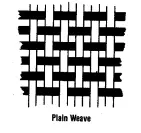
Poplin:
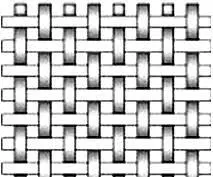
Poplin is a tightly woven fabric, similar to plain weave, woven with warp and weft yarns of the same count. The difference between a plain-weave fabric and poplin is that the warp is packed much more densely than the weft, usually double the weft.
Oxford:
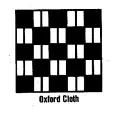
Oxford is usually heavier than poplin: a durable, soft fabric woven in a basket weave, with two parallel warp yarns interlacing under and over one larger weft yarn, untwisted or loosely twisted, usually a blend alternating cotton yarns and polyester-cotton blend yarns. When it is made with dyed warp and white weft, it is called chambray oxford. The surface of Oxford fabric is relatively smooth and soft, and to the touch it feels thicker than ordinary shirt fabric. A general characteristic of Oxford fabric is that it is sturdier, light, cool and highly absorbent, so it is very easy to wear.

- Pros and cons of Oxford fabric
- Pros: colorfast, lighter and more absorbent than ordinary fabric
- Quick-drying, breathable, moisture-absorbing
- Outstanding resistance to mildew
- Made from cotton fibers and synthetic fibers, so Oxford is very durable
- The thick, sturdy fabric places it among the extremely durable fabrics
- Water-resistant. Extremely durable and tear-resistant. Does not sag and keeps its color over time. Soft and light
- Odorless. Suited to Vietnam's weather
- Cons: Sensitive to sunlight, so it must be kept away from high-temperature places and you should limit moving about in extremely hot weather
Pinpoint:
Pinpoint, or Pinpoint Oxford, is a variation of oxford fabric. The finer woven yarns make it a refined blend of poplin and oxford.
Twill:
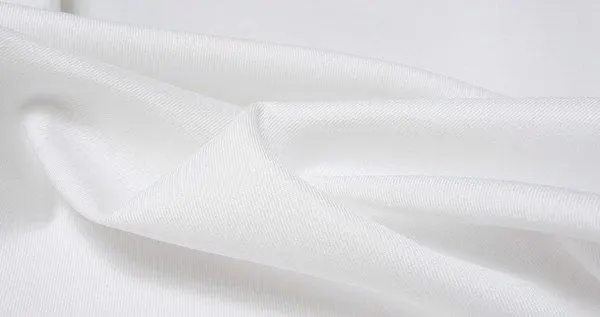
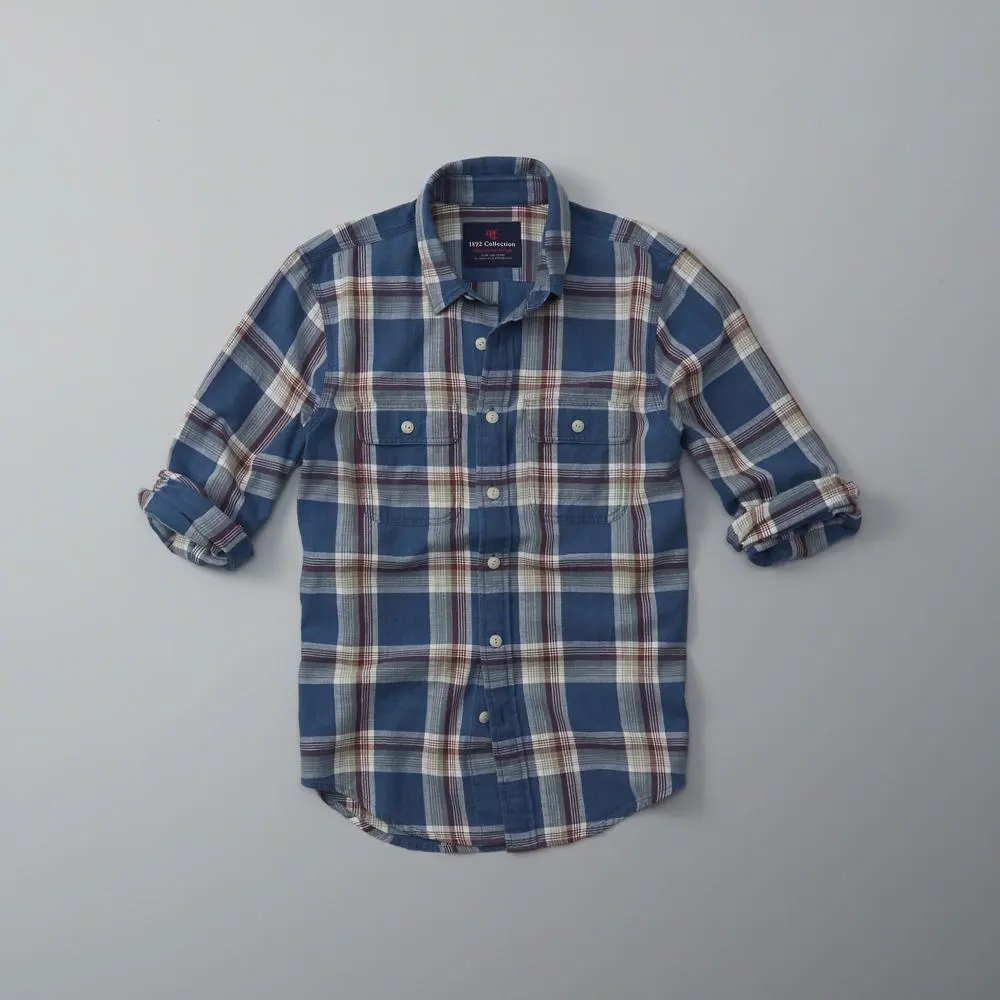
A basic weave characterized by diagonal lines formed along the warp direction, strong and durable. Twill has two different faces. Also woven from silk yarn, the twill structure gives it a firmer, denser feel and a higher drape than habotai silk, while remaining soft and cool. Because of the diagonal yarn structure it looks lighter than broadcloth (poplin), and it hangs more easily and resists wrinkles much better than plain-woven fabric.Twill is a fabric with a diagonal yarn design.
Characteristics
- Relatively easy to iron and does not wrinkle.
- Does not shrink or fade.
- Airy and suited to Vietnam's tropical climate.
Herringbone:
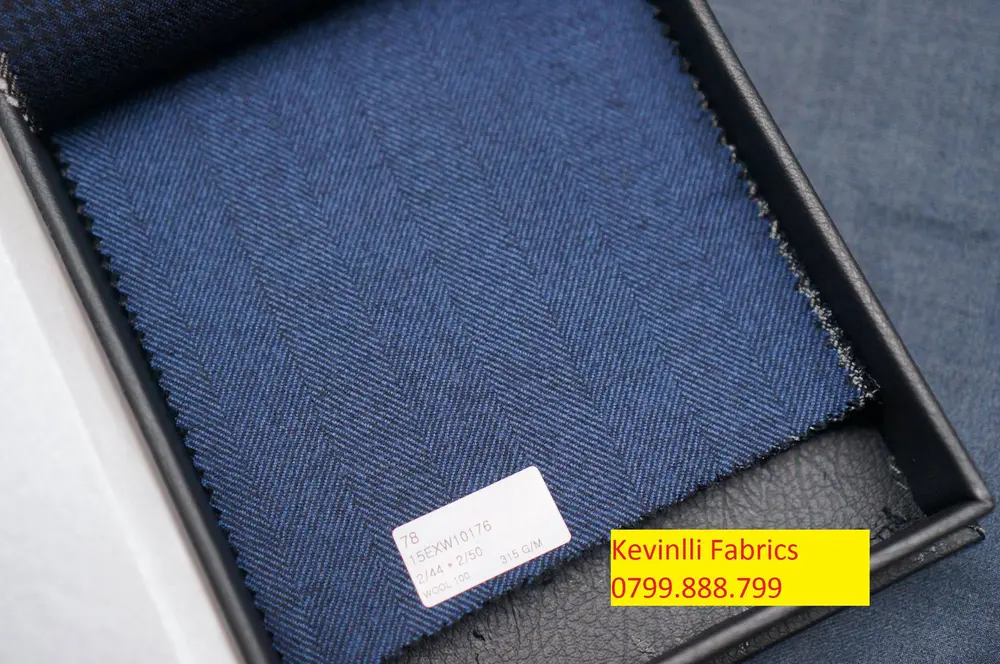
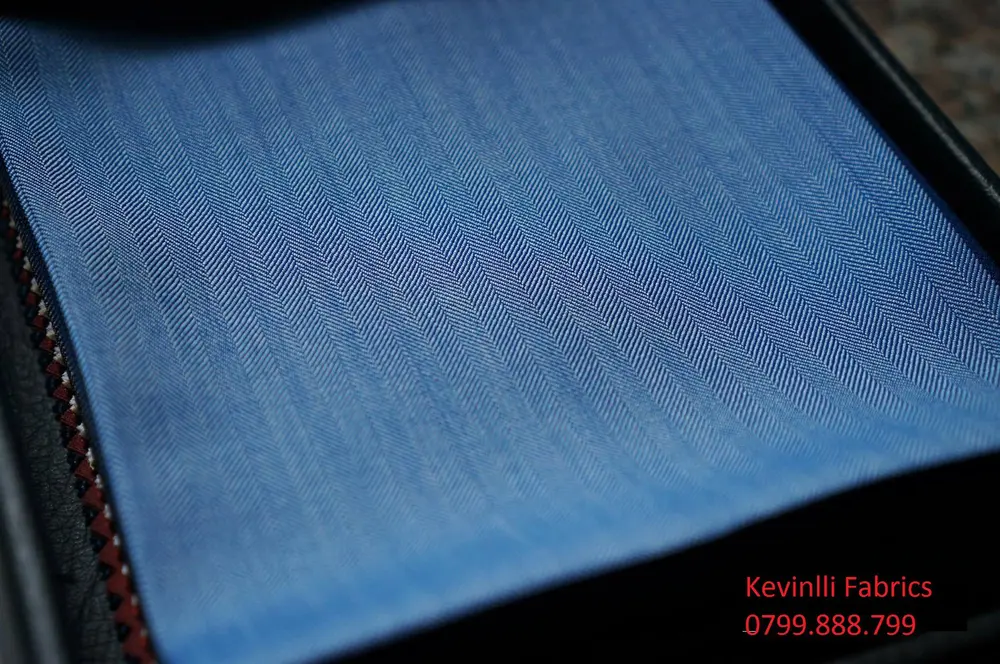
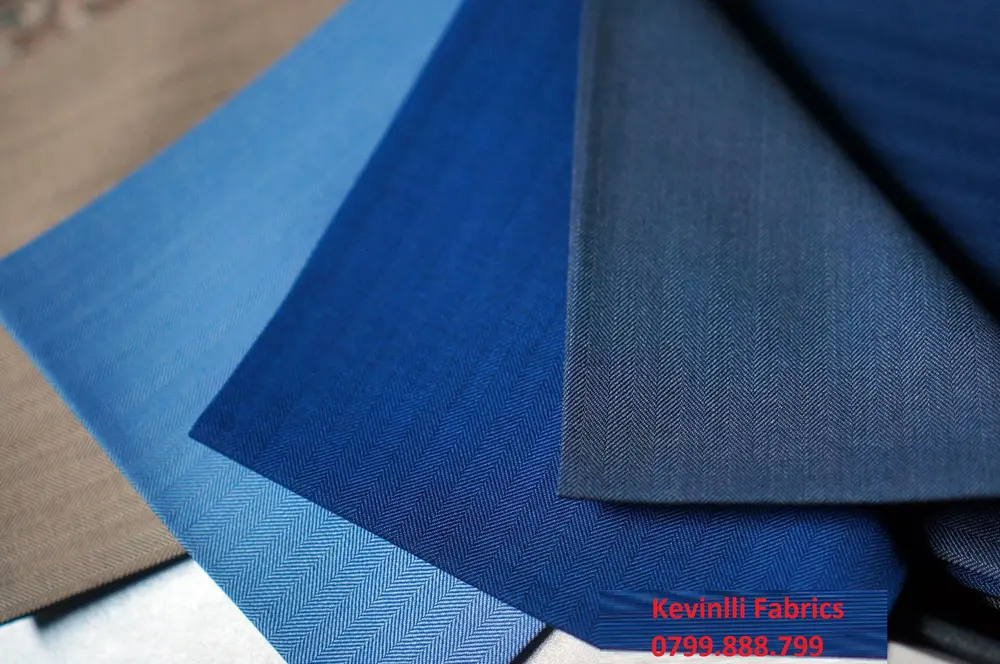
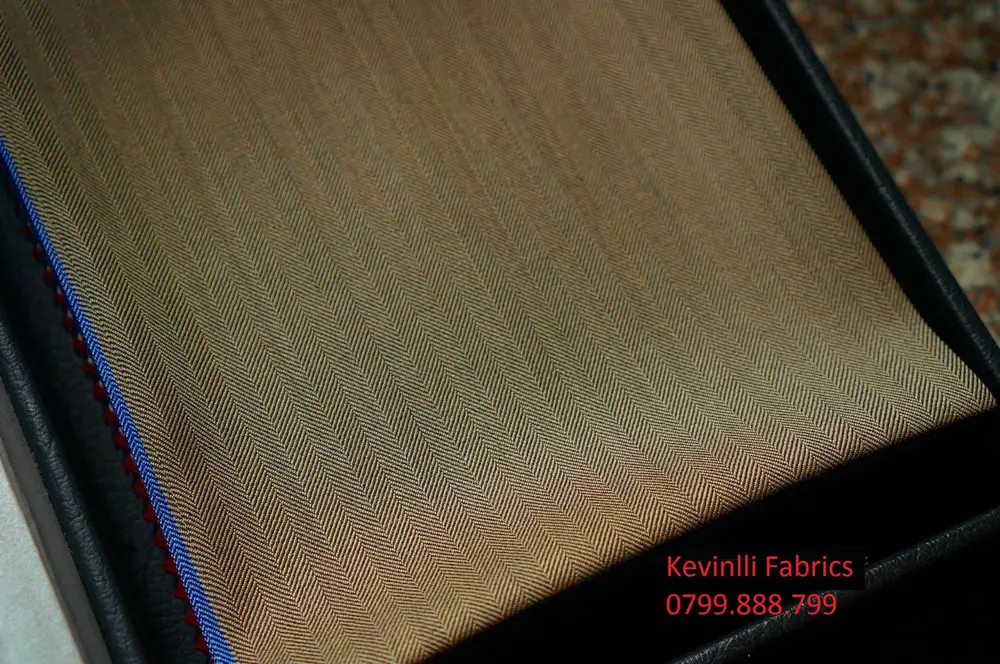
Herringbone is a variation of the twill weave. The only difference is that the diagonal pattern it creates resembles a fishbone, characterized by a balanced zigzag effect made by diagonal lines running parallel first to the right and then to the left with an equal number of yarns. A herringbone pattern can make any color more striking and distinctive.The herringbone pattern is a refined choice and a wonderful experience for anyone who wants to say goodbye to ordinary plain solid-color fabrics.
Dobby weave:
Dobby weave is a type of woven fabric produced on a loom to a pre-designed structure and controlled by a special mechanical controller that raises and lowers groups of warp yarns, creating distinctive fabric patterns. Dobby fabrics are usually designed with multiple yarn sizes and combine different weaving techniques, such as plain and twill. Satin yarns are especially effective in this weave because their texture makes the pattern stand out.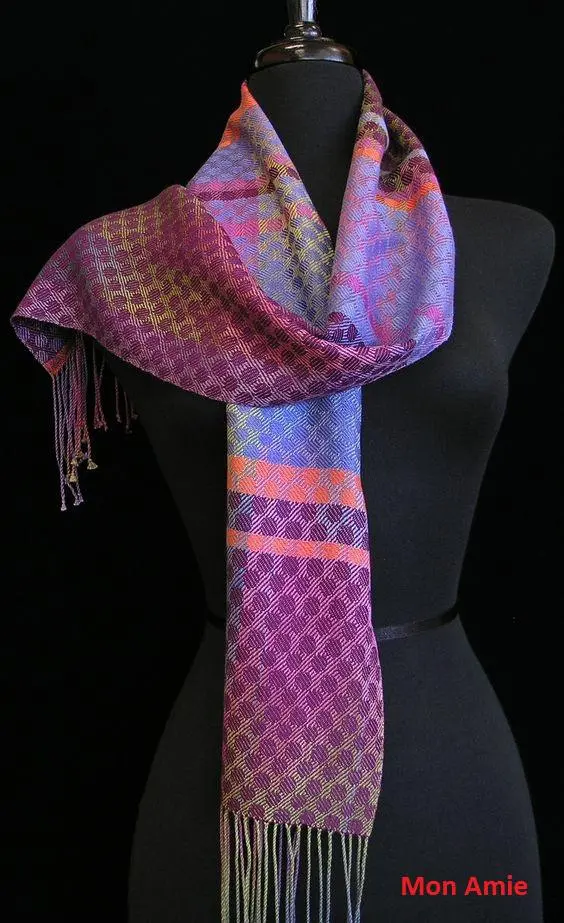
What is flannel?
Flannel is a material woven in plain weave or diagonal twill. It is loosely woven from crimped yarns, giving the fabric a soft feel and warm insulation.
Also known as woolen cloth, it is a woven textile that in the past used only wool but today uses cotton and man-made fibers such as polyester as well. Flannel is very soft in the hand because after weaving it goes through a brushing step with iron teeth that raises the wool fibers into a nap layer on top.
Flannel is often confused with, and used as a term for, “checked shirts” or “plaid shirts”, and so on. In fact, checked or plaid shirts are patterns that can appear on flannel fabric; it does not mean they are flannel shirts.
The confusion is entirely understandable. As you learn about this fabric, you will see that the rise of plaid patterns in the 1990s alongside grunge style greatly contributed to it. Famous people such as Kurt Cobain of the band Nirvana often wore striped or plaid flannel shirts. For that reason, the term flannel shirt is easily confused with striped or plaid shirts.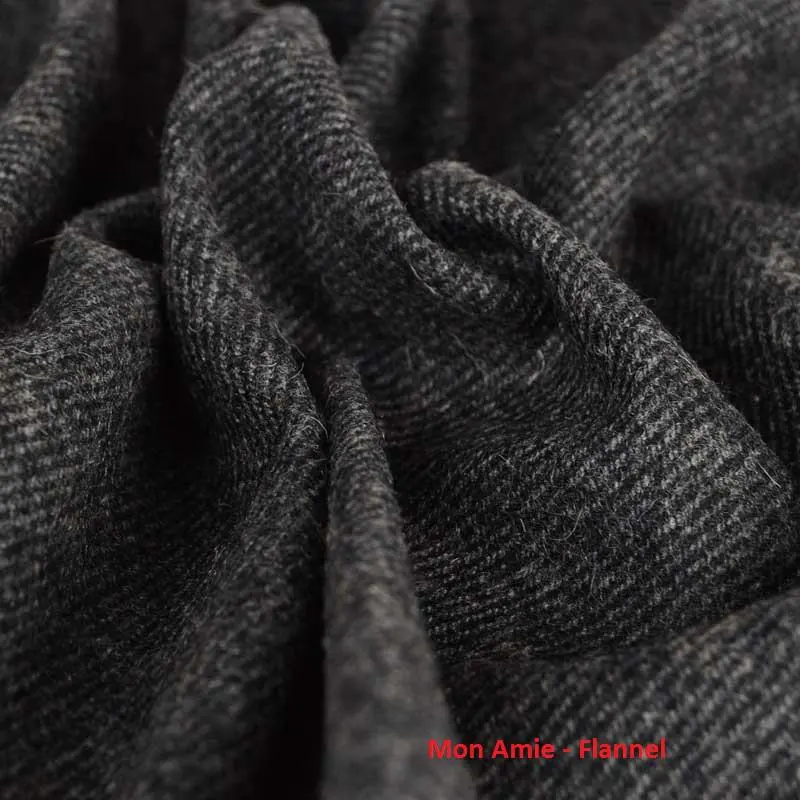
Flannel is the name of a fabric, not a pattern
Remember that plaid or stripes are only patterns, not a type of fabric.
Flannel, on the other hand, is a type of fabric, also known as thin wool cloth or thin felt. It is a soft, thinly woven fabric used in both the fashion and interior furnishing industries.
Flannel was originally made from coarse wool or combed wool yarn. Today, however, flannel is made from wool, cotton or synthetic fibers. Flannel is often used to make striped clothing, blankets, bed sheets or sleepwear. This fabric is known for its exceptional softness and warmth, and it retains heat very well.
To learn more about flannel, we suggest reading our article on this fabric at this link: FLANNEL FABRIC: UNDERSTANDING A STYLISH FABRIC
Seersucker:
Seersucker is a thin cotton fabric, usually striped or checked. The yarns are woven specially to give the fabric an uneven thick-and-thin texture. The fabric is often worn in summer, for outdoor activities and for casual dress occasions.Translated from English: seersucker, also called railroad stripe or puckered-stripe fabric (later also in check), is a thin, puckered cotton fabric, usually striped or checked, used to make clothes for spring and summer wear. The word came into English from Hindi and derives from a Sanskrit word for sugar (र षी); the fabric originated in India. Suits made from this material in particular are certainly well suited to summer weddings and similar occasions.
This material is often used to make suits, trousers, jackets, ties, and even other casual outfits such as shorts.
Seersucker usually has a striped pattern but sometimes a checked one.
Outfits in this material are worn a lot in the hot season and have been very popular since the time of the British colonies.
History
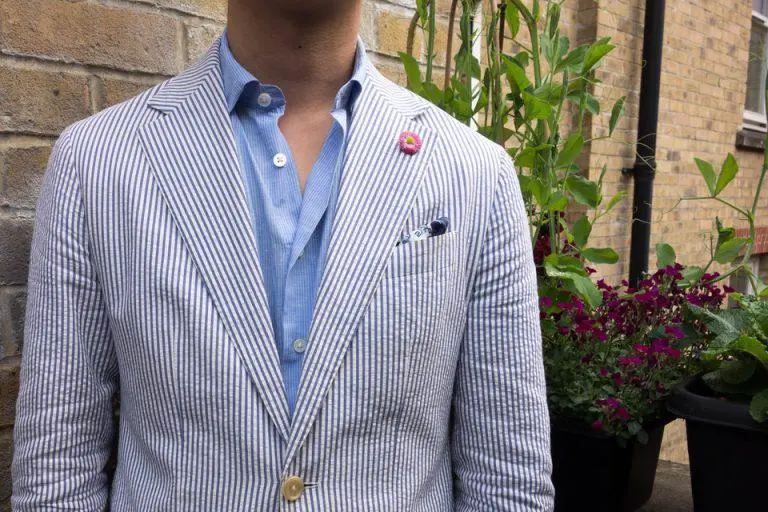
Going back through history to the era when “the sun never set” on the colonies of the British Empire, seersucker became a popular material in places with warm weather, most notably India.
This is notable because the word “seersucker” is cognate with the Persian phrase “sheer shakar”, which literally means milk and sugar.
How is seersucker made?
Seersucker is made with a slack-tension weave. The stripes always run in the lengthwise direction, creating a bumpy texture in the fabric.
Common patterns
Although less common than stripes, checks are just as popular when it comes to clothing made from seersucker fabric.
Seersucker colors
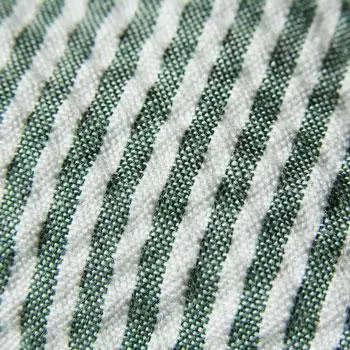
Often, when asked about seersucker, most people think only of the classic combination of alternating blue and white stripes.
This is reasonable because these are the most common colors of this material. However, they are not the only color palette.
Common seersucker colors are listed below. These are all colors usually combined with white and its variants, such as cream:
- Pink
- Red
- Lime green
- Orange
- Brown
- Navy blue
Wearing a seersucker suit well
Seersucker is very well suited to men's suits. Its material and weight suit spring and summer.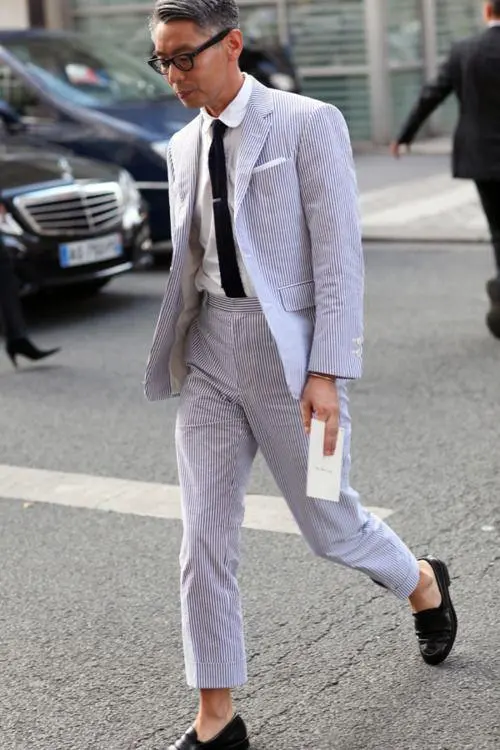
Seersucker suit for men of all ages
To understand more about seersucker specifically, you can read more at this link: Seersucker Puckered-Stripe Fabric. Now you have a full grasp of all the woven fabrics. If you found the article useful, share it with your friends. And all of the fabrics above are sold and made up at Mon Amie.