
Types of cotton fabric
Cotton spandex fabric
This is a cotton fabric with fairly good stretch. The main component of this fabric is a combination of cotton fiber and spandex fiber.Cotton spandex fabric has outstanding advantages such as extremely good absorbency, high colorfastness, a soft, smooth feel and antibacterial ability. These are the good properties that cotton brings, while the stretch comes from the spandex fiber.
Uses of cotton spandex fabric:
Spandex knit fabric is widely used in making garments such as sportswear and T-shirts, especially high-end fashion tops. Around the world, many famous fashion brands have successfully applied this fabric to their products, most notably Lacoste Crocodile, LV and Burberry. In Vietnam, Mon Amie is one of the menswear brands that uses cotton fabric extensively in its products.Cotton poly fabric
Cotton poly is a kind of blended fiber made by combining pure cotton fiber with other synthetic fibers. Not every cotton poly yarn has the same composition, because the blend ratio of cotton and polyester differs from one manufacturer to another. The most common blend ratios today include 20% cotton/80% polyester and 25% cotton/75% polyester, among others.The higher the cotton ratio, the softer and more breathable the cotton poly fabric.
The most distinctive component of cotton poly fiber is the proportion of ethylene (derived from petroleum), which gives it superior properties compared with 100% pure cotton, such as lighter weight, higher durability, lower cost, extremely high stretch, and a lifespan that holds up especially well against the surrounding environment.
Properties of cotton poly fabric
High durability: The structure of cotton poly fiber is very strong, which reduces the contact area and friction with external environmental factors, creating favorable conditions for maintaining the durability of the fiber throughout its use. With its extremely high elasticity, cotton poly fiber can withstand many different forces. This is extremely important for maintaining the durability of the product through continuous daily use.Very easy to clean: While cotton fiber causes quite a lot of trouble in the laundry, cotton poly makes this step much simpler. With extremely good resistance to wrinkles and creasing, users can wash their cotton poly shirts by hand or by machine without worrying about affecting the natural structure of the fabric fibers.
Uses of cotton poly fabric
With the great advantages that cotton poly brings, this material is now widely used in making fine shirts as well as in bedding. The cotton poly used in fine shirts always has a very high cotton ratio to optimize airiness and absorbency while overcoming the shrinkage and wrinkling of cotton fabric each time it is washed.One product line that has successfully applied cotton poly with an extremely high cotton content is the 100% cotton fabric collection by Huborros (Singapore) and the Collection 2020 S03 by the fabric maker Kevinlli (Vietnam). With a high cotton content, this collection optimizes absorbency and gives crisp color rendering.
Cotton satin fabric
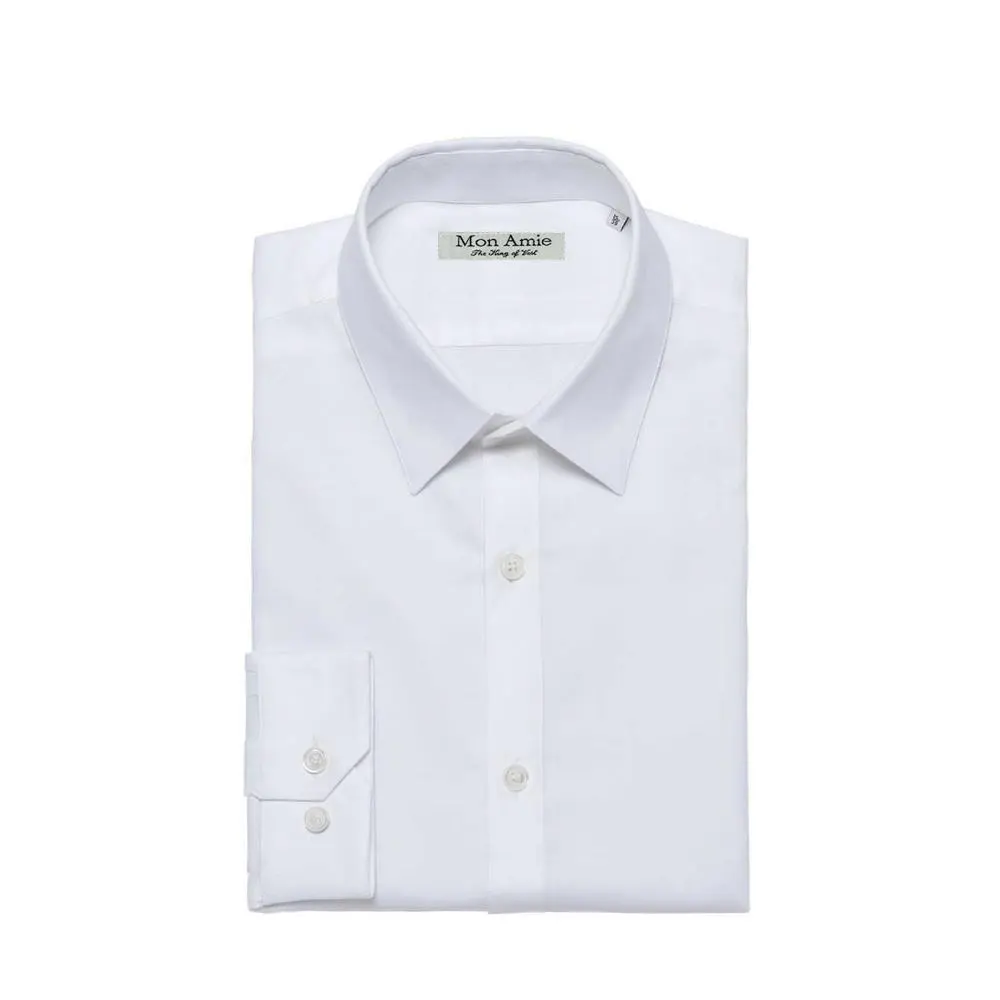
Cotton satin is in fact a traditional cotton fabric that is woven and shaped in a satin weave. Cotton satin has fewer cotton yarns per area than traditional cotton fabric, creating airiness and outstanding moisture absorption.At Mon Amie, the shirt in 100% Thailand cotton Kevinlli fabric, priced at VND 1,800,000, is one of the most requested fabrics.
Properties of cotton satin fabric
The most distinctive feature of satin is its sheen, which gives irresistible appeal to any product made from this material. The sheen of satin shows even more clearly in well-lit surroundings.Uses of cotton satin fabric
Since ancient times, cotton satin was used by King Louis XIV to upholster the decorative furniture in his Palace of Versailles. At first this material was not used in clothing at all. It was not until the 1800s that satin was first applied in clothing, in sensual women's lingerie. Not until the 21st century was this material widely used in garments such as high-end men's fashion shirts.Cotton satin is often used in clothing such as satin baseball jackets, sports shorts, women's underwear, wedding dresses, hats, glasses, sleepwear, blouses and evening gowns, but it is also found in men's shorts and shirts. It is also used to make ballet shoes, fashion footwear and handbags.
Silk cotton fabric
Silk cotton is a blended fabric, the product of a perfect combination of natural cotton with premium mulberry silk fiber, so it brings out to the fullest the outstanding strengths of both of these prized materials.Each manufacturer has its own blend ratio of cotton and silk to create silk cotton fiber, so the properties of the fibers can differ; among them, a ratio of 90% cotton and 10% silk is considered ideal.
Properties of silk cotton fabric
Silk cotton has a very striking appearance: its surface is extremely soft, smooth and lustrous, and against the wearer's skin it gives outstanding comfort.A wonderful property of silk cotton that not every material offers is its anti-static ability, because this is not a material that conducts electricity well.
The adaptability of silk cotton to all weather conditions is also highly rated. In summer the fabric brings outstanding coolness, while in winter it retains heat extremely well while still never feeling stuffy or uncomfortable.
Uses of silk cotton fabric
Today, silk cotton is widely used in the fashion industry, in decorative products and in bedding sets that care for everyone's sleep. In many different ways, people have created highly creative designs, with eye-catching looks and impressive color palettes. Silk cotton's ability to soothe the eyes allows products made from it to use even the most “vivid” colors without bothering the viewer's eyes.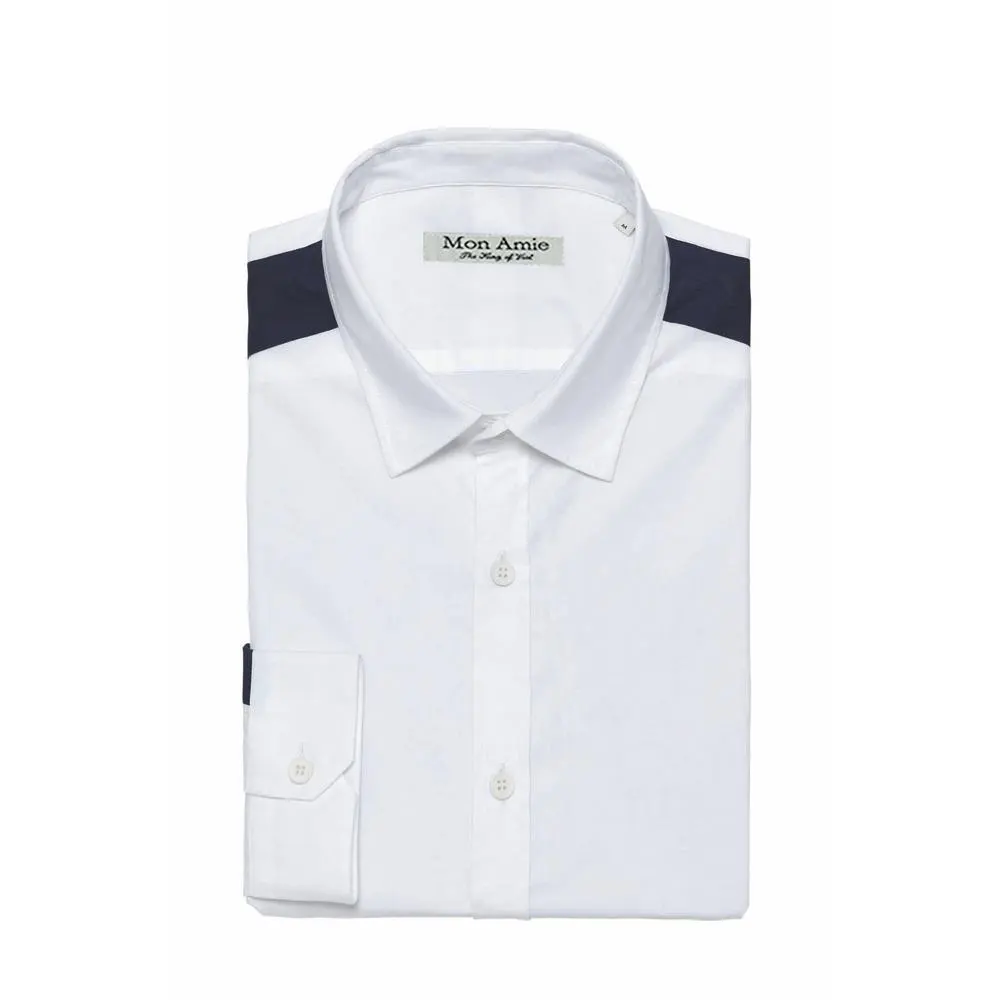
Silk cotton fabric S01.501 by Mon Amie
Cotton Borip fabric
This cotton fabric is woven from 100% cotton fiber, giving it great stretch. On close inspection, the surface of cotton Borip looks woven like a sweater knit, so stretch is the outstanding strength of this material.Properties of cotton Borip fabric
At first glance, cotton Borip shows small ribbed stripes like rib-knit fabric but thinner and softer to the touch. The advantages of cotton Borip are softness, excellent sweat absorption, and a rich variety of patterns and colors.Uses of cotton Borip fabric
Today cotton Borip is widely used in products such as children's clothing, baby wear and bodysuits.Velvet cotton fabric
Velvet cotton is a combination of cotton fiber and velvet fiber that creates a soft, smooth, airy surface that wrinkles little, pills little and resists fading.Properties of velvet cotton fabric
Velvet cotton fabric absorbs sweat well, regulates body temperature perfectly and cools the body extremely quickly on hot summer days. To give velvet cotton flexibility, manufacturers add spandex fiber, giving the fabric excellent stretch.Egyptian cotton fabric
This is a cotton that uses fiber 38–44 mm in length originating from Egypt. This cotton is regarded as the “king” of cottons thanks to its softness and absolute durability compared with ordinary cotton. In particular, the natural sheen of Egyptian cotton also gives this product an extremely refined value.Properties of Egyptian cotton fabric
Egyptian cotton does not shrink and does not fade at all, and its patterns hold color extremely accurately, producing bedding sets that are sharp in image and high in quality.100% cotton fabric
This is 100% pure cotton. At present, the clothing and bedding industries use this material extremely widely.Properties of 100% cotton fabric
The properties of 100% cotton fabric are good absorbency, breathability and a wonderfully soft feel, and the fabric does not scratch during use. However, 100% cotton wrinkles very easily after washing.65/35 cotton fabric
This is a blended cotton fabric of 65% cotton fiber and 35% polyester fiber.Properties of 65/35 cotton fabric
65/35 cotton fully inherits the absorbency and softness of cotton and overcomes wrinkling after washing thanks to the added polyester.We hope this article helps everyone a great deal in choosing materials.