
When choosing sportswear, besides the design and cut, the fabric also plays an extremely important role in how effective your workout is. However, not everyone fully understands the pros and cons of the fabrics used in sports fashion. In this article, Mon Amie shares more about fabrics suited to sportswear and T-shirt uniforms, as well as the uniform fabric products that Mon Amie supplies.
What is sportswear fabric?
Sportswear fabric is a technical material that keeps the wearer comfortable while exercising. The fabric needed depends on the intensity of the workout and the activity.For example: yoga clothing should use fabrics with good stretch for ease of movement, and may require the fabric to be a knit structure.
For office wear, choose 100% cotton or 100% wool fabrics SEE MEN'S FASHION PRODUCTS
Clothing for long-distance running will keep the wearer comfortable if it has excellent moisture-wicking properties that allow sweat to move from the inside of the garment to the outside.
Performance clothing for winter outdoor sports or snow sports should use breathable fabrics with very good insulating properties.
Properties of sportswear fabric:
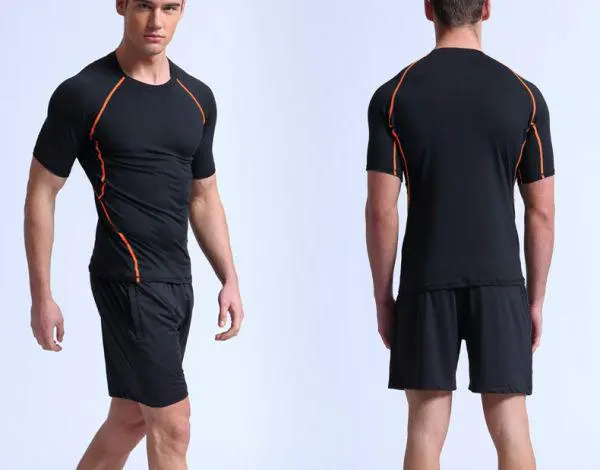
Good elasticity: Elasticity is the outstanding advantage of sportswear fabric. It always stretches very well and quickly recovers its original shape so as not to hamper sports activity.
Dry and airy, moisture-absorbing: Make sure the fabric you choose is dry and breathable, which means moisture passes through the fabric quickly. Moisture can travel between fibers, between yarns and through the fibers themselves. How well moisture passes through depends on the fabric structure and the type of fiber. Synthetic fibers tend to dry quickly and are the most commonly used fibers in sportswear today.
This makes the wearer feel more comfortable. What is more, they also dry very fast, leaving no odor or unpleasant smell.
Fine fibers, good wrinkle resistance: Sportswear fabric is a fabric with good wrinkle resistance so that the product always keeps a tidy appearance, and in particular the fibers are very fine so that the wearer always feels comfortable.
Common sportswear fabrics
1/ Lycra fabric
Lycra is known for its ability to stretch four to seven times its original length and still return to its normal state and length when released. Other admirable properties of Lycra include resistance to sunlight and sweat, and improved comfort, ease of movement and shape retention when used in fabric.Lycra looks like a single continuous filament, but actually contains many fine fibers joined together, made of elastic and rigid molecules to make it both soft and strong.
Most clothing today contains Lycra fiber. Depending on the nature of the product, manufacturers blend a certain proportion of Lycra so that the product achieves maximum durability and endurance.
Lycra is widely used in the garment industry. Lycra fabric is used to make swimwear, ballet wear, sportswear, socks...
In addition, Lycra combined with other fibers is also very widely used. Specifically:
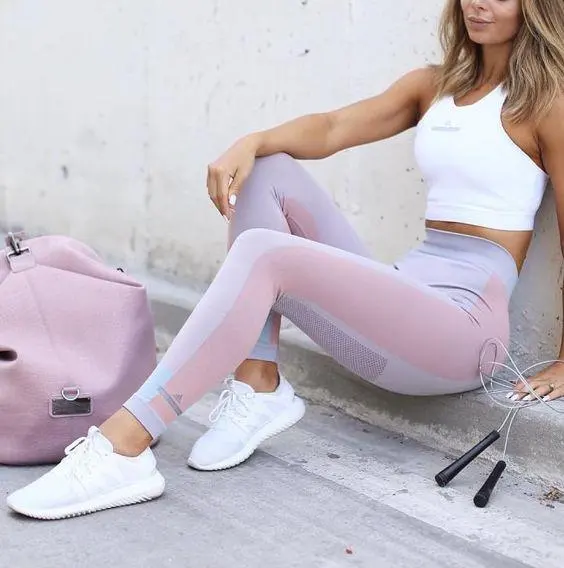
Lycra nylon stretch fabric: a combination of nylon fiber and Lycra fiber. It is bright and very durable. This material is often used to make party clothes and fashion clothes that attract attention.
Lycra cotton stretch fabric: a combination of cotton fiber and Lycra fiber. The main advantage of this fabric is that it absorbs moisture well and does not wrinkle, giving a high aesthetic quality. Lycra cotton is often used to make casual wear and outdoor-trip clothing. The product gives the wearer optimal comfort.
Lycra wool stretch fabric: a combination of wool fiber and Lycra fiber. Lycra wool is widely used to make warm winter clothing. The product holds heat very well without feeling stuffy or uncomfortable.
2/ Mesh fabric
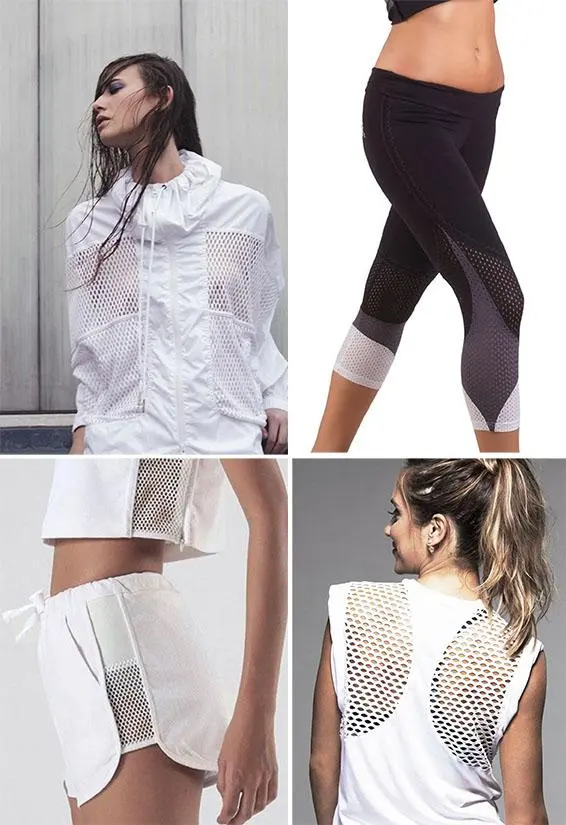
Mesh fabric is a net-type fabric. A typical mesh fabric is about 85% material and 15% holes, although different mesh fabrics vary in weight and hole size.Mesh is made from polyester fiber. Mesh is useful in sportswear because it provides comfort and good stretch and allows air to circulate and reach the skin, which means it is ideal for ventilated areas of clothing, especially places where heat builds up very quickly such as the back.
3/ Nylon fabric
Used as the material for women's tights, nylon is a synthetic fabric with a silk-like softness, resistance to mildew and quick drying. In addition, nylon is relatively cool and breathable, helping sweat escape quickly. With its excellent stretch and elasticity, you can find nylon in every kind of sports product, from T-shirts to leggings.With a glossy, smooth surface, nylon gives products a high aesthetic quality. In particular, this material is also easy to shape into different products that meet users' demanding requirements.
4/ Polyester fabric
Polyester is a material favored by many sports fashion brands. Its basic properties are high durability, low wrinkling, light weight and breathability; it does not absorb: sweat and moisture escape instead of settling inside and bothering the wearer. In addition, polyester can block UV rays and retain heat even when wet.This is why many sports brands such as New Balance include polyester in their summer and winter designs. However, the downside of this fabric is “odor”, because it allows odor-causing bacteria to multiply. In addition, polyester does not dry as quickly as nylon and polypropylene.
Products made from polyester have extremely stable wrinkle resistance. Throughout use and washing, wrinkling or stretching does not occur.
Polyester is very easily dyed in different colors, and the colors always display crisply, giving the product optimal beauty. In particular, the color retention of the fibers is extremely impressive, so even through washing and long-term use they do not fade or lose color like ordinary fabrics.
5/ Gore-Tex fabric
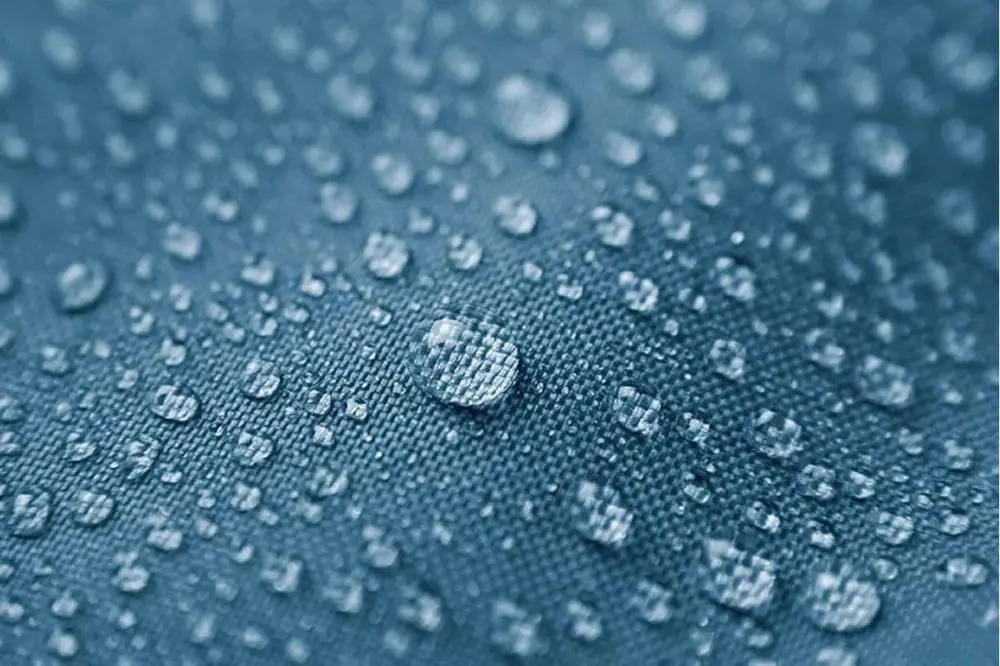
Gore-Tex is a highly waterproof synthetic fabric commonly used to produce equipment and clothing for sports such as mountain climbing, fishing, hunting, cycling...
When you run, cycle or take part in outdoor sports, your body needs to be protected from many external factors. That is exactly why designers created Gore-Tex. You can easily see this material in many products in the sports fashion line, from running shoes to jackets.
With its waterproof property, a Gore-Tex membrane is usually laminated onto the surface of the product to keep water out from the outside while still letting sweat escape from the inside, ensuring airiness for the wearer.
6/ Spandex fabric
A synthetic, highly waterproof fabric commonly used to produce equipment and clothing for sports such as mountain climbing, fishing, hunting, cycling....In practice, you can simply understand it as a kind of material used to limit water seeping into the body, very popular at present.
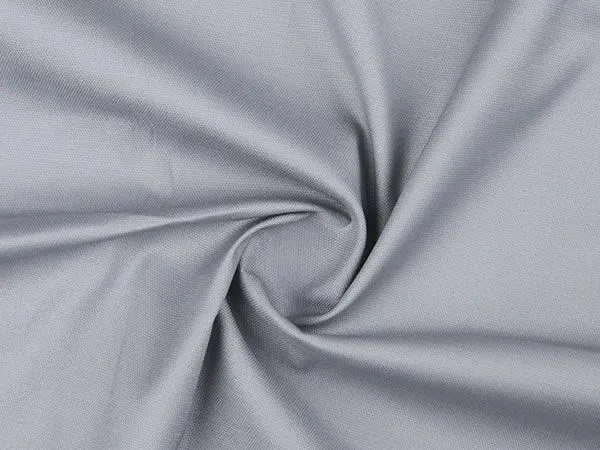
Spandex is a man-made fiber produced to replace rubber, also known as Lycra or Elastane, with outstanding elasticity, as shown by the fact that spandex fibers can stretch up to 500% of their original length.
In addition, spandex fabric is relatively breathable, absorbs sweat and dries quickly. That is why fashion brands often create close-fitting workout clothes from spandex.
We hope this article gives you more fashion knowledge about fabrics, especially those used in sports.