
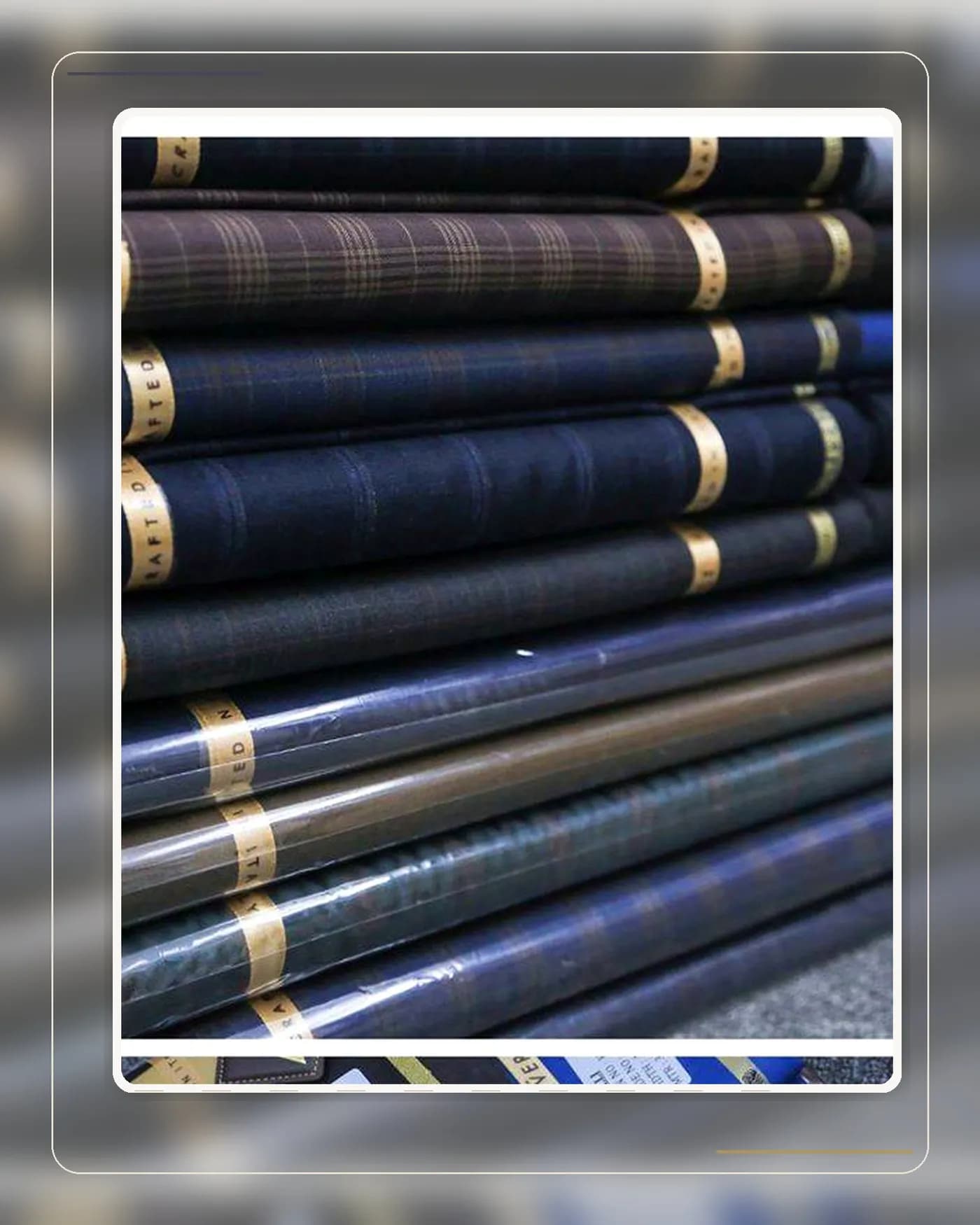
Many gentlemen arrive at Mon Amie convinced that "wool is hot" and ask us to remove it from the swatch books entirely. Yet why do tailors in Naples and Singapore — cities every bit as sweltering as Saigon — remain loyal to wool? The answer lies in the weave, not the fibre's name.
The short answer
Wool remains the best suiting fibre for hot climates if you get three things right: an open weave (fresco, tropical), a weight of 220–260 g/m, and high-twist yarns. Natural wool absorbs up to 30% of its weight in moisture without feeling wet, resists odour and holds its shape far better than cotton or linen. What makes you hot is not "wool" — it is densely woven cloth above 320 g/m, built for European winters.
Understanding the wool fibre
Wool's natural crimp creates millions of tiny air pockets — an insulating cushion that works both ways, retaining warmth in winter and blocking heat in summer. More importantly for Ho Chi Minh City's climate, wool draws moisture away from the skin and releases it gradually, so a jacket rarely clings to your back the way synthetics do.
Wool holds two further advantages no other "cool" cloth can match: it barely wrinkles after a long day (far better than linen) and it is naturally odour-resistant — wearing it two or three times between dry cleans is perfectly normal, which meaningfully cuts maintenance costs.
How to choose wool for the heat
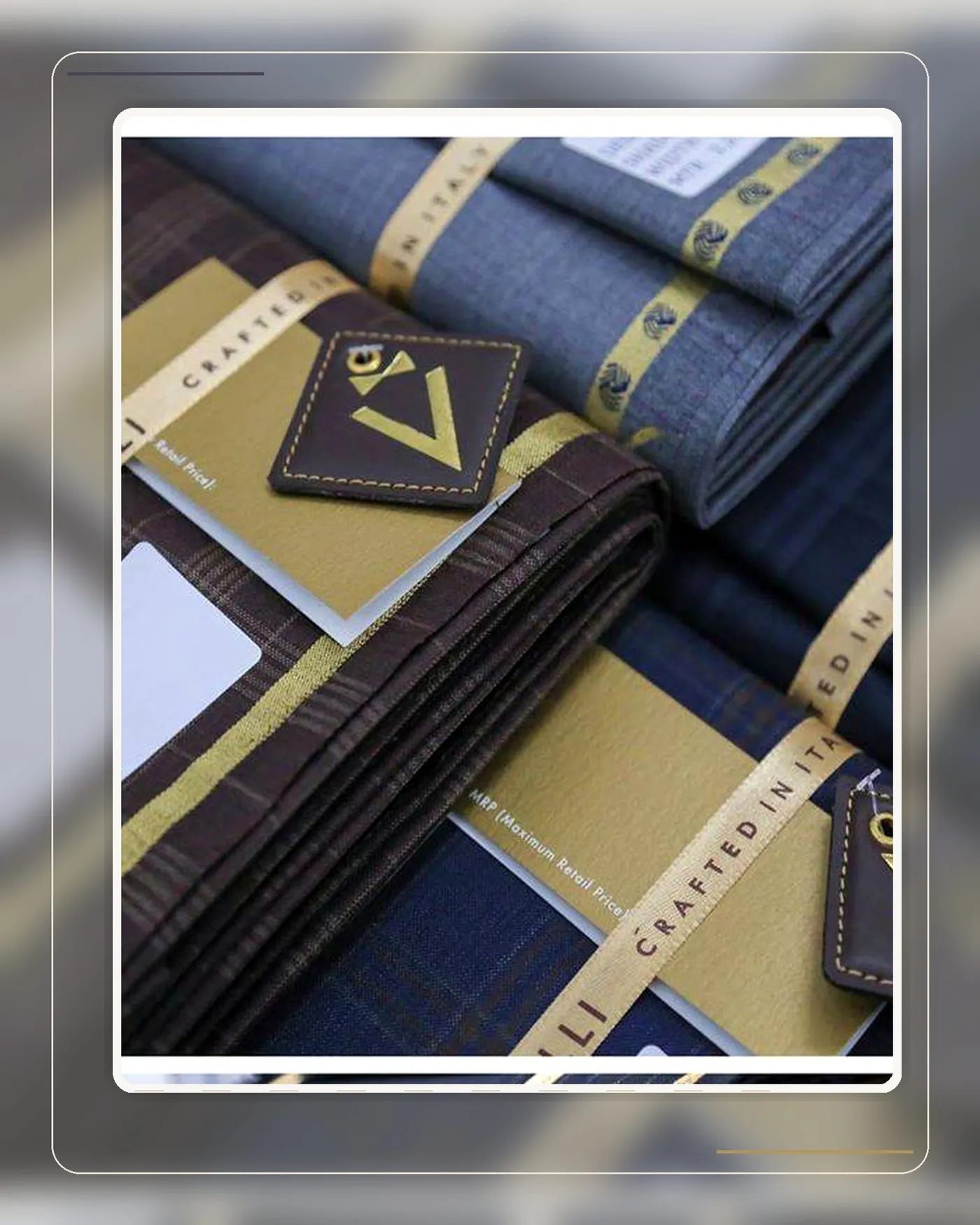
- Weave: prioritise fresco or tropical wool — hold it to the light and you will see tiny open pores that air passes through. This is the single biggest factor.
- Weight: 220–260 g/m is the sweet spot for Vietnam; under 200 g/m is cool but loses shape, above 300 g/m belongs in deeply air-conditioned boardrooms.
- Yarn twist: high-twist yarns give a dry, springy, crease-resistant surface — the standard for business suits in hot countries.
- Super numbers: Super 110s–130s is handsome and durable enough for frequent wear; very high Supers (150s and up) mean finer, more fragile yarn — not cooler cloth.
Pair the cloth with the right construction
Cloth is only half the story. A wool suit that wears cool in Saigon needs a half lining or unlined back, a light canvas and thin shoulder padding. The same fresco cloth, fully lined in polyester, can feel several degrees warmer than a half-lined version — which is why fabric choice and construction must be decided together.
Common mistakes
- Ruling out wool on the assumption it belongs only in cold countries.
- Choosing polyester-heavy blends because they are cheap and "look like wool" — they trap far more heat despite being thinner.
- Chasing high Super numbers while ignoring the weave, the factor that actually determines breathability.
A word from Mon Amie's artisans
A favourite demonstration at Mon Amie is holding a length of fresco up to the light so clients can see straight through the weave — that moment usually dissolves the "wool is hot" prejudice for good. For clients who wear a suit to work daily in Ho Chi Minh City, we almost always recommend half-lined tropical wool over linen or cotton, because after six months the wool suit still holds its lapel line and trouser crease while the others have visibly slumped. That durability of image is wool's true value.
Frequently asked questions
Is wool cooler than linen? Linen sheds heat faster in the moment, but open-weave wool comes close while wrinkling far less and holding its shape all day — a better overall package for work settings.
How often should a wool suit be dry-cleaned in Vietnam? Only every three to six months with regular wear; between wearings, hang the jacket somewhere airy and let the fibre recover and release odour naturally.
Is tropical wool suitable for a wedding suit? Very much so — formal enough for the ceremony, breathable enough for a long reception, and smoother on camera than linen.
Book an appointment and let Mon Amie's artisans show you fresco and tropical wools suited to Saigon's climate first-hand, or view our pricing.