
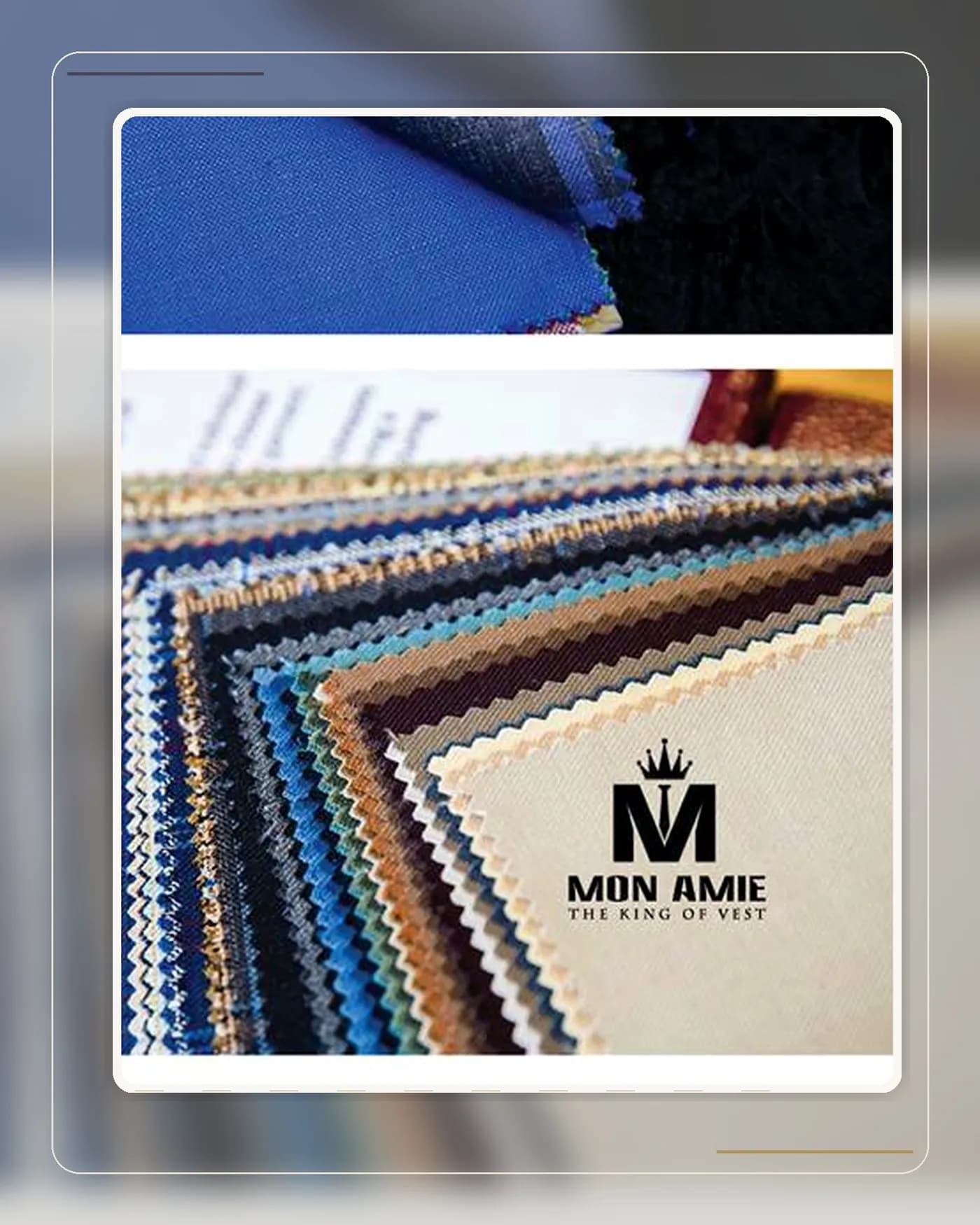
Fabric weight — grams per square metre — is a number rarely mentioned in advertising, yet it directly decides whether your work suit feels comfortable or stifling, holds its shape or collapses. Mon Amie will give you a specific figure and the reasoning behind it.
The short answer
An everyday work suit in Ho Chi Minh City is best made from wool at 230–270 gsm (roughly 7–8 oz). This is the balance zone: go lighter (under 220 gsm) and the cloth is very cool but creases fast, develops shine under heavy rotation and struggles to hold shape through repeated pressing; go heavier (over 300 gsm) and the drape is superb but too warm for a tropical climate unless you spend the whole day in air conditioning. If you must pick one number, 250 gsm in an open plain weave is the sweet spot for a Saigon office suit.
Understanding fabric weight in two minutes
Weight (gsm or oz) tells you how heavy the cloth is, with three consequences you feel every day:
- Breathability: lighter cloth is usually thinner and releases heat better — but the weave matters more, so a 250 gsm open weave can wear cooler than a densely woven 220 gsm.
- Drape and structure: cloth with some weight falls better — trouser legs hang straighter, the jacket body ripples less. This is why suits from renowned workshops rarely use very light cloth.
- Durability: a work suit is worn two to four times a week, sat in, carried under bags, ridden in — cloth that is too thin will wear through at the seat and shine at the elbows within a year or two.
Choose by your actual working day
- Motorbike commutes and frequent outdoor client visits: lean toward 230–240 gsm, favouring plain-weave tropical wool with half-canvas construction and a half lining.
- Mostly air-conditioned office and meetings: 250–270 gsm gives noticeably better drape and structure, and is actually more comfortable in a cold room than thin cloth.
- Regular business trips to colder countries: add a separate 300–320 gsm suit for travel, rather than using it as your everyday Saigon suit.
A practical tip: if you wear a suit more than three days a week, commission at least two suits in the same weight range and rotate them — wool needs 24–48 hours resting on a hanger for the fibres to recover, and the garments will last twice as long.
Common mistakes
- Choosing the lightest possible cloth for fear of the heat — then being disappointed by wrinkles from mid-morning onwards.
- Equating the Super number (120s, 150s) with quality — a high-Super cloth that is too light wears poorly under daily rotation.
- Not asking about weight when choosing fabric — it is a basic specification any serious tailor should answer immediately.
A word from Mon Amie's artisans
At Mon Amie, for office suits in frequent rotation, we almost always guide clients to the 240–260 gsm range before discussing colour or price. Years of cutting for Saigon's office professionals have taught us this: when a suit is criticised for "ageing fast", the cause is rarely cheap cloth — it is cloth too light for how often it is worn. Getting the weight right from the start is the cheapest way to keep a suit looking sharp year after year.
Frequently asked questions
How many ounces is 250 gsm? About 7.5 oz — a light "four seasons" weight, well suited to a year-round hot climate like Ho Chi Minh City's.
Should cloth under 220 gsm be used for a work suit? Not ideal for frequent wear: it creases quickly, holds shape poorly and ages fast. That range suits summer or occasional-wear suits.
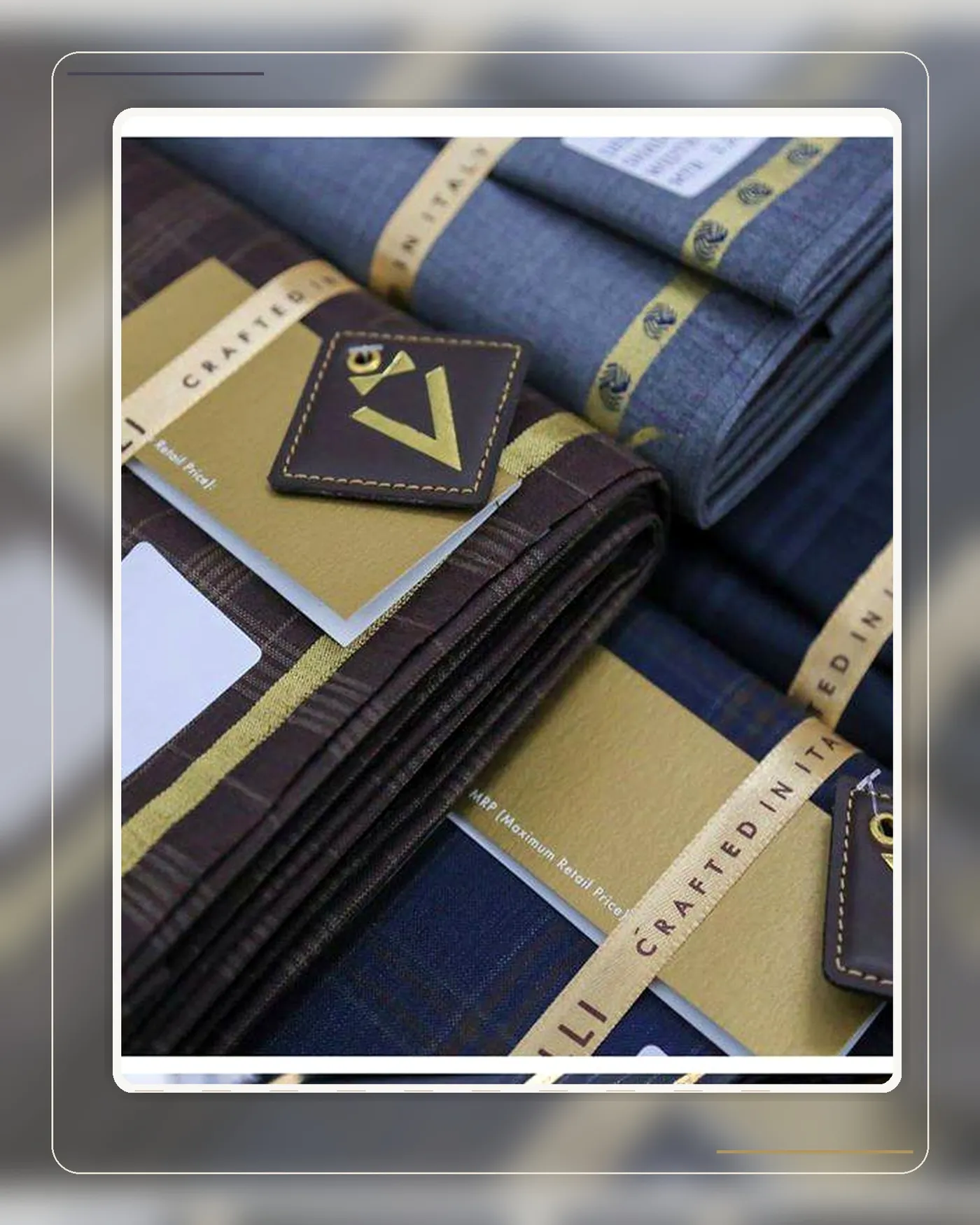
How do I find out a cloth's weight when ordering? Ask the tailor directly, or check the selvedge of the bolt — reputable mills print the gsm or oz weight along with the fibre composition.
To handle the weight ranges yourself and find the sweet spot for your working schedule, book an appointment with Mon Amie, or browse our pricing first.