
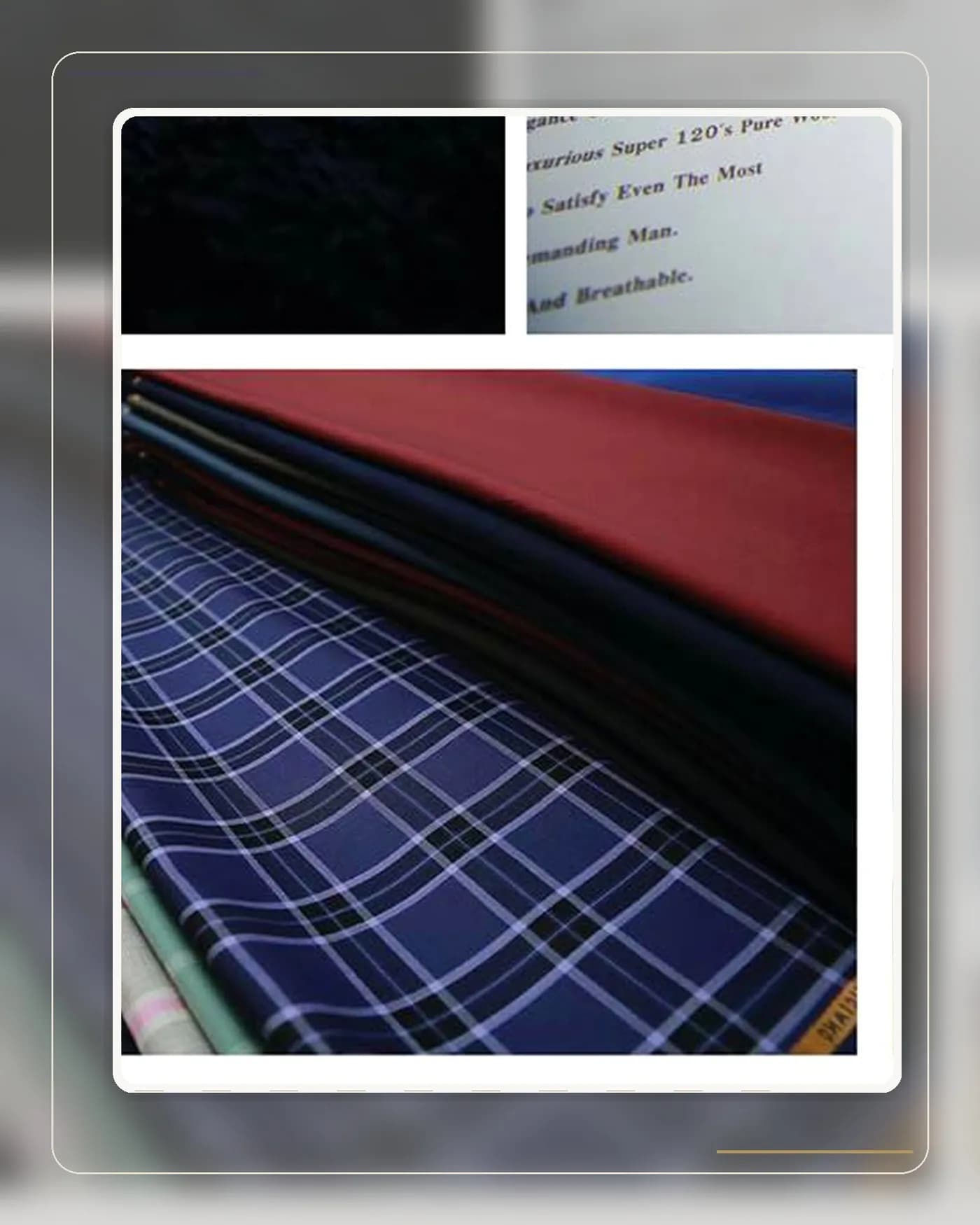
You wear plain navy and plain grey all year, and your wardrobe starts to feel "flat" — that is exactly when the question of textured fabric appears. Texture is the most discreet way to create interest in the world of suits: no change of colour, no bold pattern, the fabric surface itself gives the outfit depth.
The short answer
Use textured fabric once you already have a stable base of plain suits and want depth without noise — specifically for smart-casual occasions, meetings with familiar clients, daytime events, or an odd blazer worn on its own. Hopsack, sharkskin and birdseye are the easiest textures for Ho Chi Minh City's climate; keep your neutral palette (navy, grey, beige) and texture will add character without lowering formality too far.
What texture does that colour cannot
Put a navy hopsack suit next to a plain navy worsted: same colour, but the hopsack catches light in tiny specks and simply looks more alive. Texture makes its difference at close range — the distance of a handshake or a meeting — while from afar the suit still reads as crisp as a plain one. That is why texture is far safer than stripes or checks when you want to escape monotony.
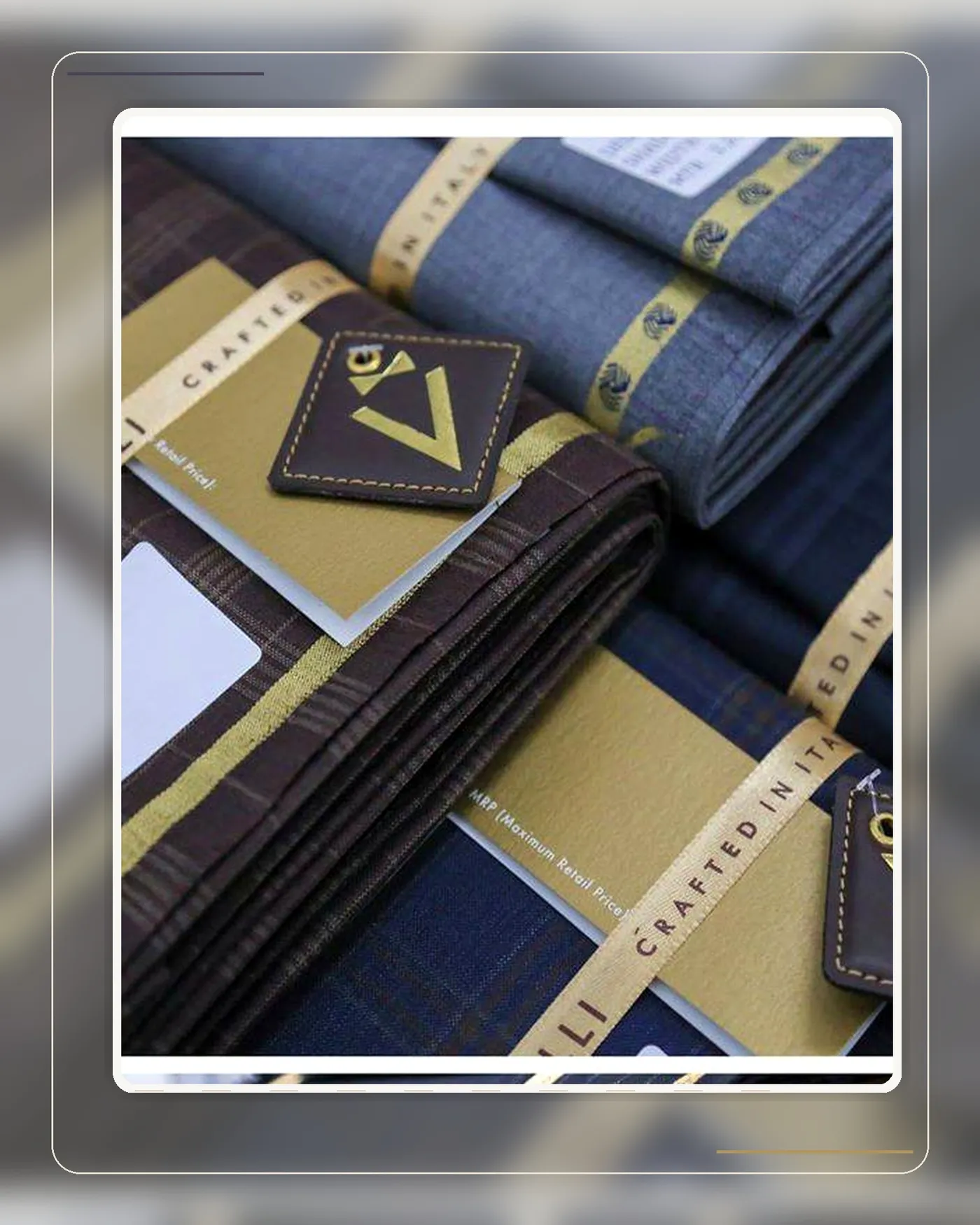
Three texture families Mon Amie most often recommends in Saigon:
- Hopsack — an open, slightly grainy basket weave, superb for odd blazers and hot, humid weather. The best "first texture" to commission.
- Sharkskin / birdseye — a very fine speckled effect; from a distance it is still a serious office suit, up close it reveals its subtlety. Ideal if you need to stay quite formal.
- Light flannel, fresco — a matte or more openly grainy surface, suited to the rainy season, evenings and less formal occasions.
When to stay with plain cloth
Texture is not always right. Formal evening weddings, signing ceremonies, black-tie events — these call for a smooth, flat surface (a fine worsted, even with a slight sheen). A grainy texture makes the suit read "daytime" and lowers its formality. And if you are commissioning your very first suit, choose plain first: it covers the most occasions, and texture belongs to your second or third suit.
How to combine texture so it works
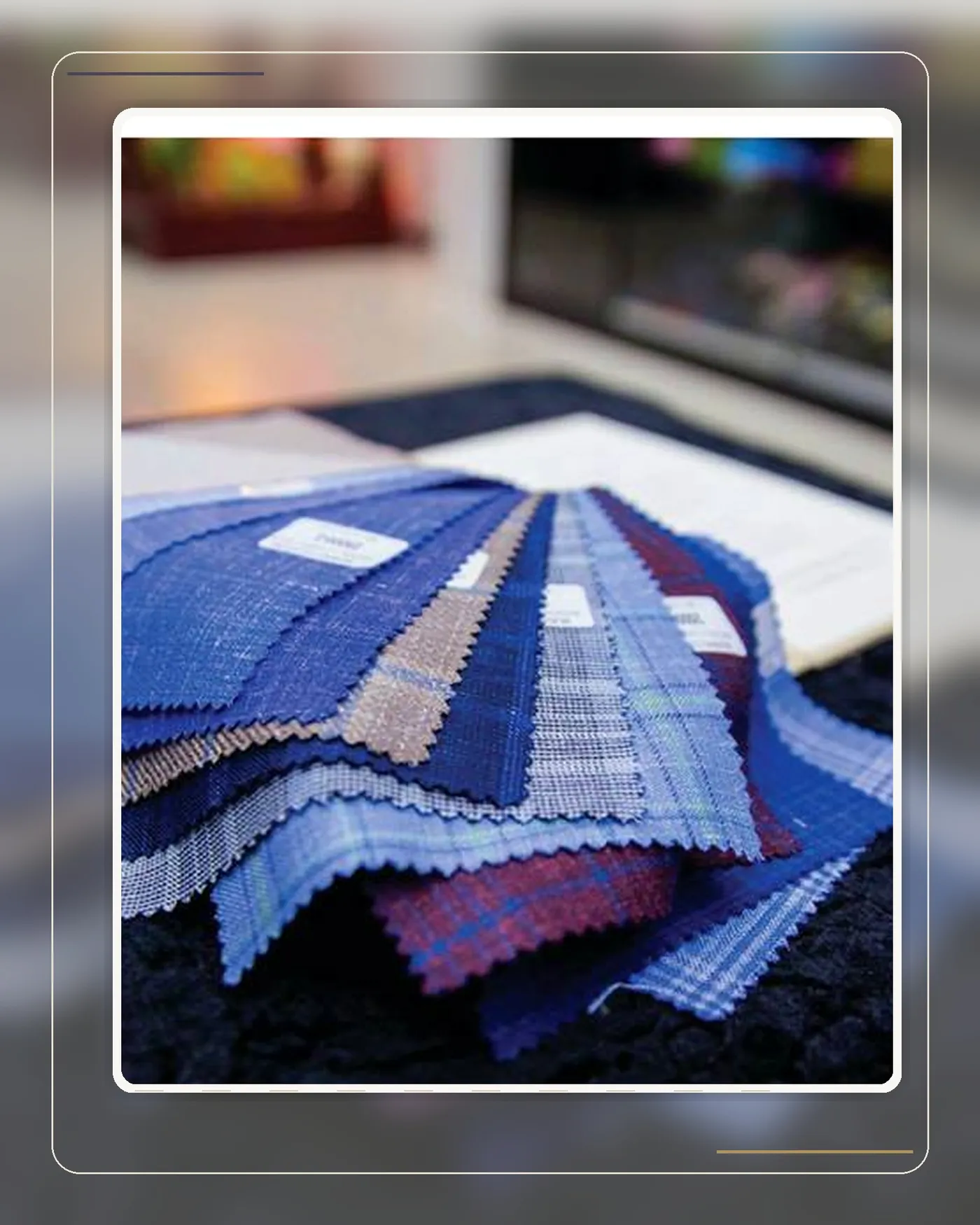
A simple rule: one layer of texture is an accent, three layers are noise. A hopsack jacket wants a smooth shirt; a grainy grenadine tie wants a flatter jacket. Remember too that texture "eats light" — under warm restaurant lighting, flannel looks rich and warm; under harsh outdoor sun, breathable fresco and hopsack look effortlessly tropical.
Common mistakes
- Choosing textures that are too coarse (heavy British tweed) for Ho Chi Minh City's climate — hot and out of context.
- Stacking texture on jacket, shirt and tie at once, making the whole look busy.
- Believing texture can substitute for fit: no surface, however beautiful, rescues a badly fitted suit.
A word from Mon Amie's artisans
At the workshop we often hand a customer two swatches of the same navy — one plain, one hopsack — and hold them up to window light. Most customers get it instantly: texture is not a textbook concept, it is something the eye sees and the hand feels. Our experience is that your first textured suit should stay within the colours you already wear, so you change only one variable at a time and always stay in control of your image.
Frequently asked questions
Is textured fabric less formal than plain fabric? Slightly, yes. Sharkskin and birdseye remain formal enough for the office, but for black-tie or formal evening ceremonies a smooth plain cloth is still the standard.
Should a first-time suit buyer choose textured fabric? Start with plain navy or grey for the first suit, since it covers the most occasions; texture makes sense from the second suit onward.
Which texture suits Ho Chi Minh City's climate best? Hopsack and fresco — both are open weaves that breathe well, with surfaces that have depth yet stay light through a full day's wear.
If you would like to compare textured cloths in real light, book an appointment with Mon Amie — our artisans will help you choose for the exact occasion, or explore the tailoring process to see the journey of a suit.