

Saigon's rainy season is among the most demanding weather a suit can face: harsh sun in the morning, a downpour by afternoon, humidity high around the clock. The easiest suit to live with in these months is not the most beautiful one in your wardrobe — it is the one that hides rain marks, dries fast and refuses to crumple after a sudden shower.
The short answer
In the rainy season, favour mid-to-dark colours — navy, charcoal, mid-grey — because rain spots and damp patches are almost invisible on these tones; avoid beige, cream and pale grey, where wet marks show immediately. For cloth, choose high-twist wool (fresco), hopsack or a tightly twisted worsted: breathable, naturally wrinkle-resistant, quick to absorb and release moisture, and stable in shape when the air is damp. Skip pure linen and heavy flannel in these months.
Why dark colours save you in the rain
A rain mark on a light beige shoulder reads as a stain; the same mark on navy is practically invisible. Rainy-season light is also grey and soft — darker tones photograph and flatter better in those conditions. If your wet-season rotation holds just navy, charcoal and deep slate blue, you will almost never worry about your suit betraying you mid-journey.
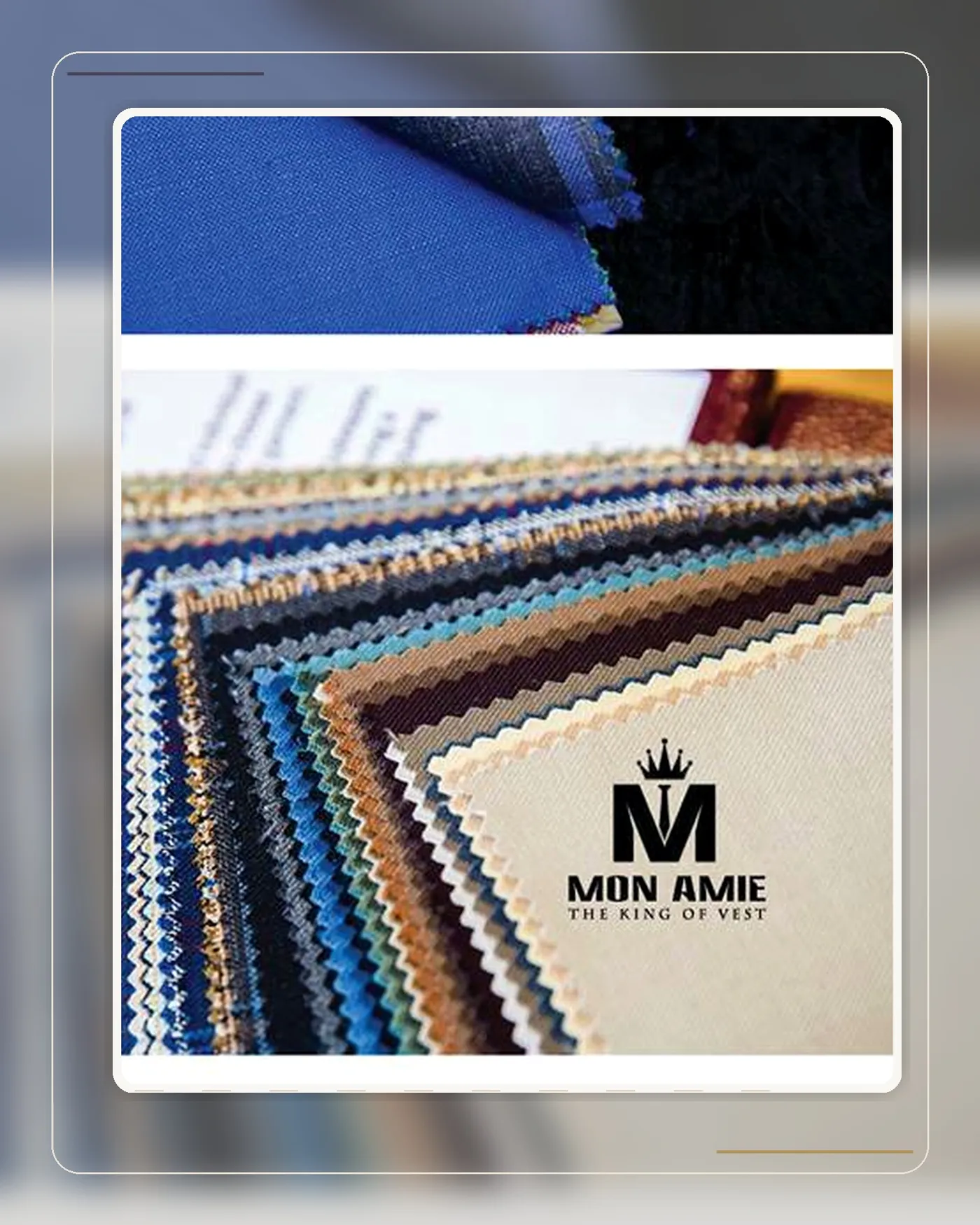
Which cloths stand up to Saigon's humidity
The key is yarn twist. High-twist wool (many mills call it fresco) is spun so tightly that the yarn behaves like a spring: wrinkles release on their own, moisture dries fast, and air passes straight through. This is why sartorial dressers across the tropics swear by it.
- High-twist wool / fresco — king of the rainy season: airy, wrinkle-resistant, holds its line.
- Hopsack — an open basket weave, dries quickly, excellent for odd blazers.
- Wool with a touch of polyamide or mohair — added resilience and crispness, less prone to holding damp.
- Avoid: 100% linen (wrinkles and stays damp), heavy flannel (absorbs water, feels heavy), thick cotton twill (very slow to dry).
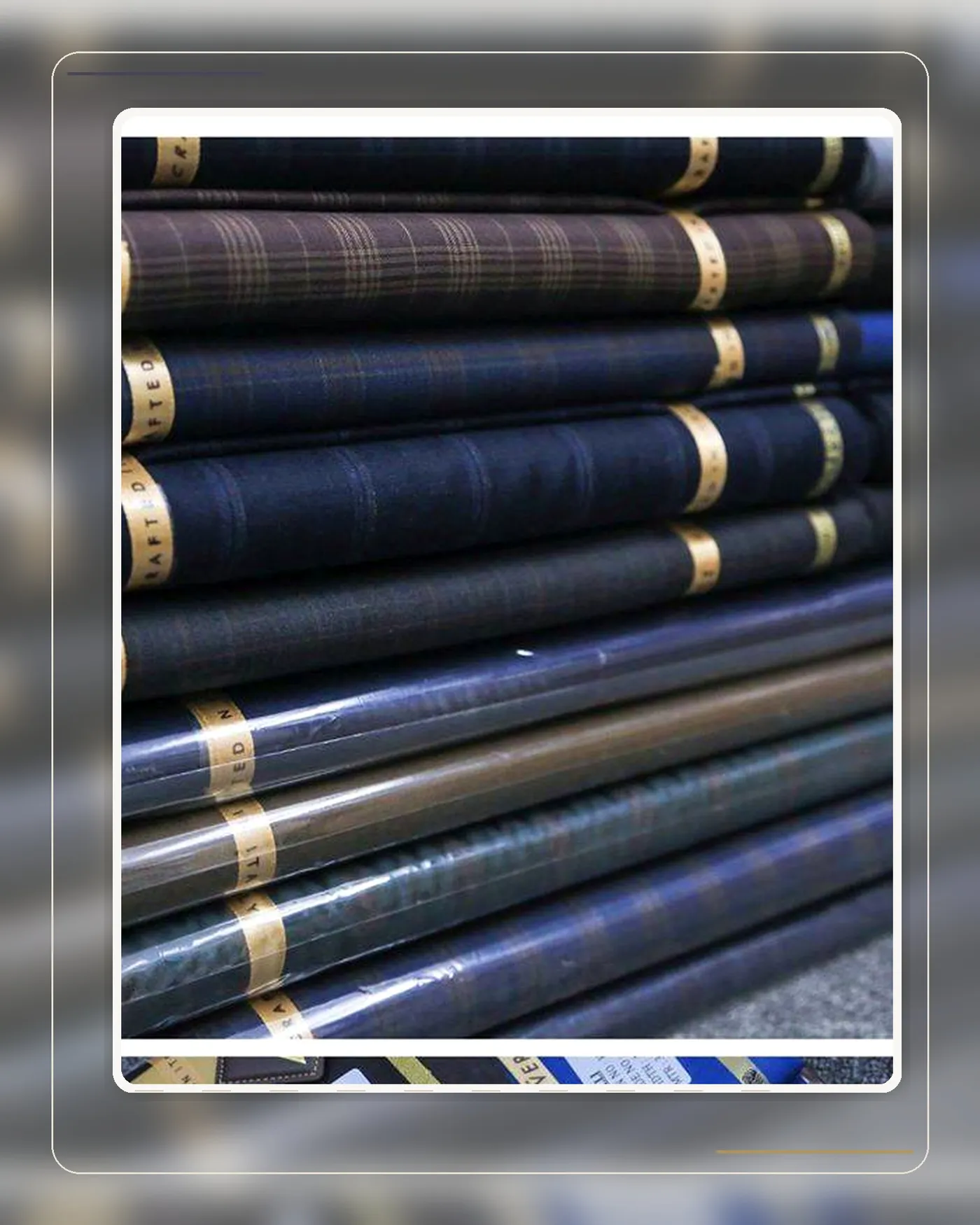
Small habits that carry a suit through the wet months
However good the cloth, care decides half the outcome. Never hang a rain-caught jacket straight into the wardrobe — air it somewhere ventilated until fully dry, and keep moisture absorbers in the closet, because mould spreads fast in these months. Keep at least two suits in rotation so each gets a full day's rest between wears — wool needs time to release moisture and recover its shape.
Common mistakes
- Choosing a light colour that looked beautiful in the showroom, forgetting the walk through drizzle to the car.
- Assuming heavier cloth is "sturdier" — in the rainy season heavy cloth absorbs moisture, weighs you down and dries far slower.
- Storing a still-damp jacket in a closed wardrobe, inviting mould and odour.
A word from Mon Amie's artisans
Most Mon Amie clients travel by car, yet there are always those minutes of walking or waiting under an awning — and those minutes decide whether a suit is truly "easy to live with". So for suits worn from May to November, we almost always present the high-twist wool range first, and advise keeping the most-worn suit in a dark palette. A beautiful suit is one you dare to wear even on a bad-weather day.
Frequently asked questions
Does a lightly rain-spotted suit need immediate cleaning? No. Air-dry it in a ventilated spot and brush gently with a soft brush once dry; dry-clean only when genuinely soiled, since frequent cleaning wears the cloth down.
Can I still wear a light-coloured suit in the rainy season? Yes, for indoor events with door-to-door transport — but your everyday suit should stay in dark tones so wet marks never show.
Is a polyester blend better for the rainy season? Polyester wrinkles less but traps heat — uncomfortable in high humidity. High-twist wool remains the best balance of breathability, wrinkle resistance and elegance.
To choose the right cloth for this rainy season, book an appointment and let Mon Amie's artisans advise you on real swatches, or discover our bespoke service.