
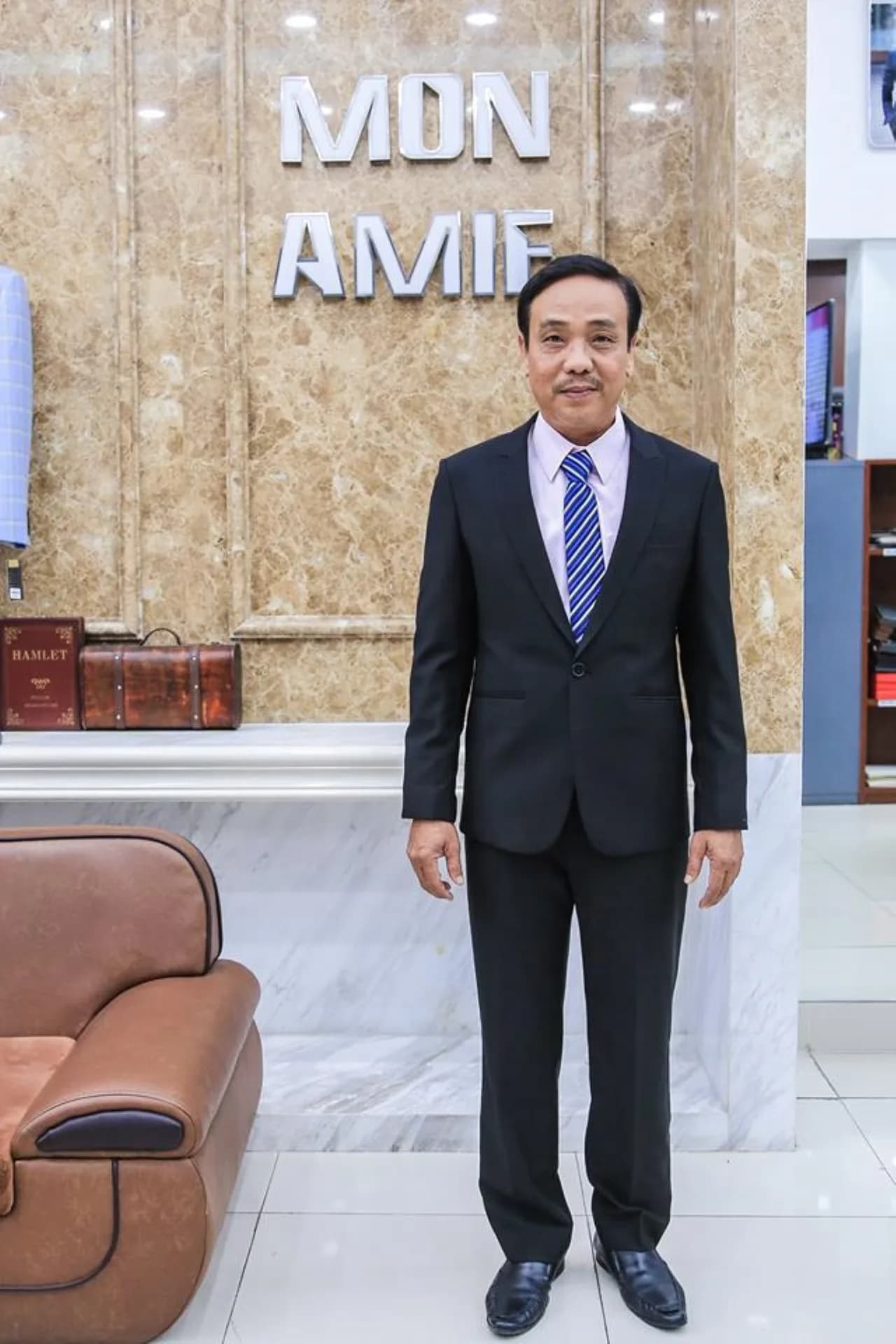
Walk into the waiting room of a Japanese company and you will notice something curious: almost every candidate is in the same palette. A dark suit, white shirt, muted tie, black shoes, tidy hair and a bag set neatly by the foot. No one requires it; in this culture, uniformity is a way of showing respect. What to wear to a Japanese company interview therefore leaves little room for creativity, but a great deal of room for mistakes.
Quick answer
For an interview at a Japanese company, men wear a plain dark suit (black, navy or charcoal), a white shirt with a simple collar, a muted tie and polished black lace-up leather shoes. Hair is neat, the bag is dark and nothing is flashy. Neatness and uniformity matter more than flair.
Why Japanese culture favors uniformity
In the Japanese corporate world, dress is part of courtesy. A candidate is judged on whether you understand the common rules and know how to place yourself within the group. An overly individual suit may be read as disrespect, while a muted, neat, well-fitted suit shows serious preparation.
This holds true in both cases: interviews in Japan and interviews at Japanese companies in Vietnam. The level of strictness may differ a little, but the underlying principles are the same.
What to wear to a Japanese company interview, item by item: do and avoid
| Item | Do | Avoid |
|---|---|---|
| Suit | Plain black, navy or charcoal, single-breasted, well fitted | Large patterns, shiny fabric, light colors, double-breasted |
| Shirt | White, simple turn-down collar, pressed cotton | Dark-colored shirts, patterns, button-down collars |
| Tie | Navy, muted burgundy, silver grey, plain or fine stripes | Floral ties, loud colors, ties that are too wide or too narrow |
| Shoes | Black leather, oxford or derby style, lace-up, polished | Loafers, sneakers, light brown shoes |
| Socks | Black or navy, long enough | White socks, patterned socks, short socks that show skin |
| Belt | Black leather matching the shoes | Large buckles, belts with many patterns |
| Accessories | Plain-faced watch, a slim tie bar if any | Large jewelry, bracelets, chains showing |
Suit: black or navy?
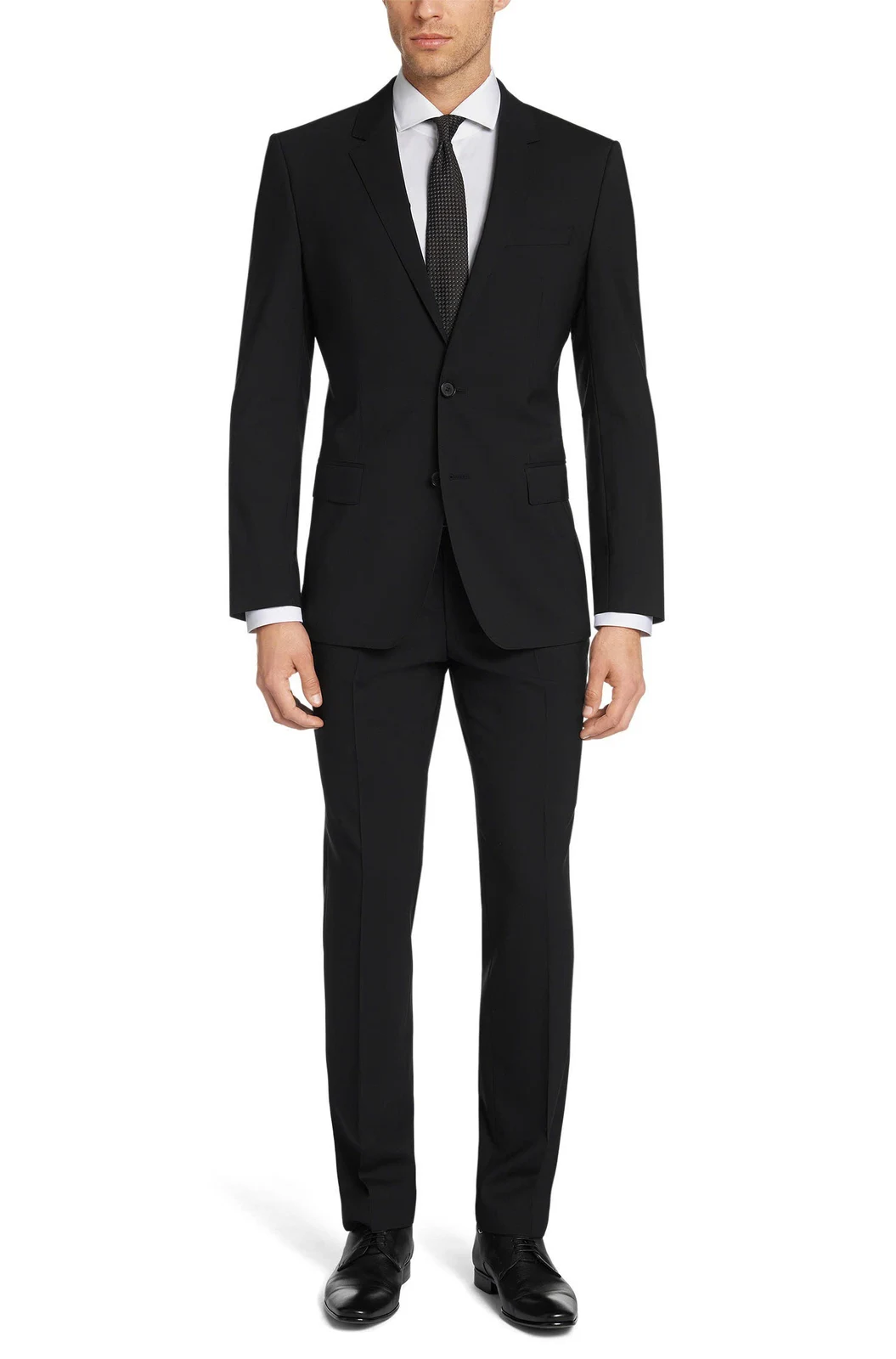
In actual hiring in Japan, black and navy suits are both common for interviews. A black suit is usually associated with recruitment drives for new graduates, while navy and charcoal are used when the candidate has experience or is applying for a higher position. When you aren't sure, choose navy: muted, serious and less likely to be associated with ceremonial dress, as a black suit is.
Details to watch:
- Single-breasted, two buttons, with notch lapels of moderate width.
- Plain matte wool, with no sheen and no stripes or checks.
- Shoulders that fit, sleeves of the right length, trousers touching the top of the shoe.
- Pressed flat, with no wrinkled knees and no shiny seat.
Fasten the button when you stand and open it when you sit. This is a general rule, but with Japanese interviewers that carefulness is watched very closely.
Shoes: the detail noticed first
Interviewers often look at a candidate's shoes from the moment you walk across the lobby, so shoes are judged very early.
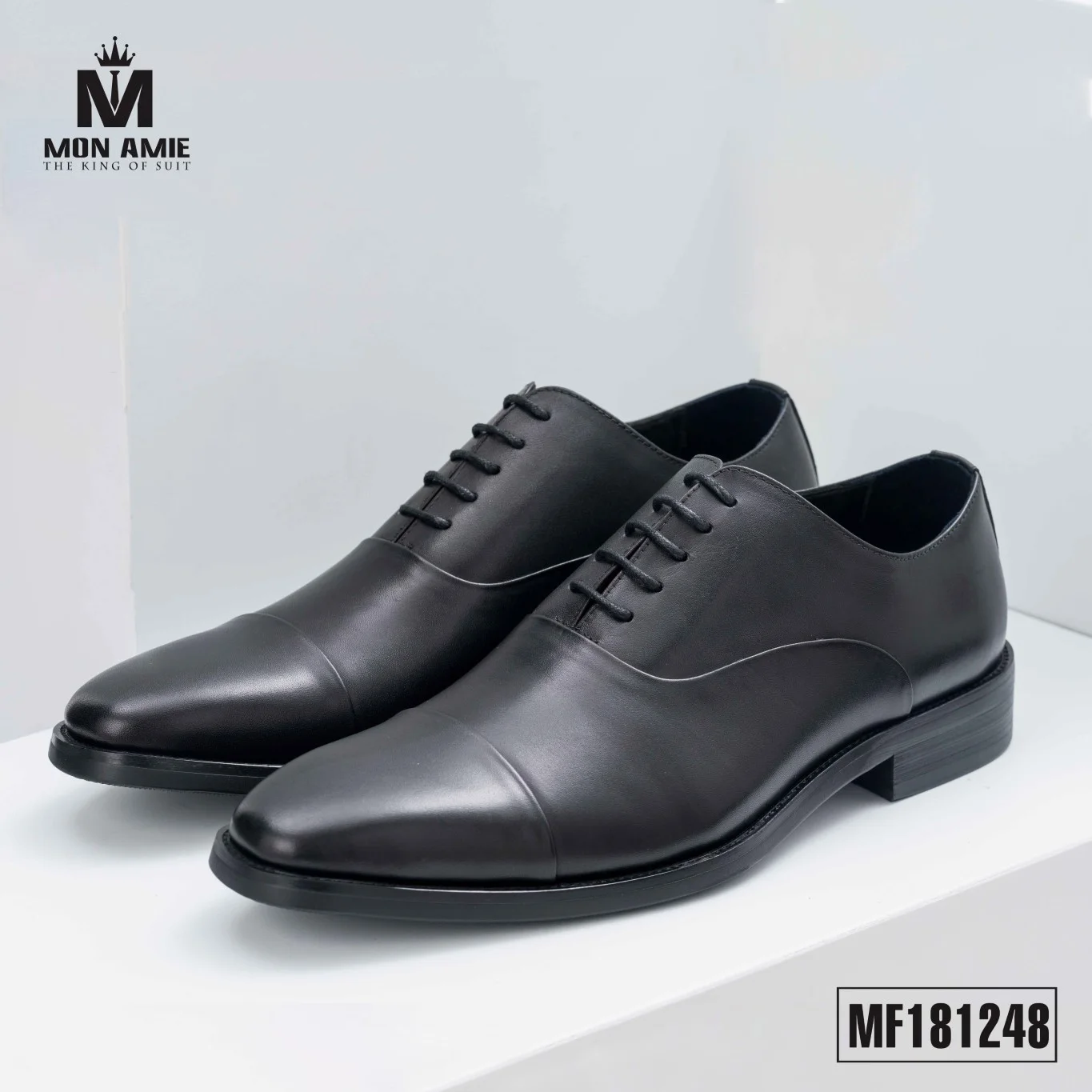
- Black leather lace-ups, polished clean, with soles that are not worn unevenly.
- Laces tied neatly, both sides balanced.
- Wear long black socks, with no skin showing when you sit.
- If there is a place to take off your shoes, prepare clean socks without holes.
Hair, face, hands and scent: what goes with the outfit
In Japanese culture, personal cleanliness is part of dress.
- Hair: neat, natural color, off the face, with no overly shiny wax. Hair that touches the collar should be cut or tied back.
- Facial hair: clean-shaven is the safest. If you keep a beard, trim it very carefully.
- Nails: short and clean.
- Scent: no cologne, or a very light one. Avoid the smell of cigarettes and strong food.
- Teeth, breath: brush your teeth and use a mint before going in.
Bag, what to carry and how to carry yourself
A Japanese company interview pays attention to how you behave as well, so prepare your items carefully.
- Bag: black or dark, compact, able to stand on its own and big enough for your documents. Put the bag on the floor by your foot when you sit, not on the table.
- Documents: printed cleanly, in a clear folder, with one spare copy.
- Phone: silent or fully switched off before you enter the waiting room.
- Outer coat: if it's cold, take the coat off and fold it over your arm before entering the building or the room.
A few rules of conduct are commonly mentioned: arrive about ten minutes early, knock three times, greet and give a slight bow, wait until the interviewer invites you before sitting, sit with a straight back, and place your hands neatly on your lap. These are not in your wardrobe, but they let your suit be seen in the right light.
What to wear to a Japanese company interview in Vietnam: what to adjust?
If you are interviewing in Ho Chi Minh City or Hanoi, hot weather is a practical matter. Keep the principles but be flexible with materials:
- Choose a light, open-weave wool instead of thick wool, and a thin cotton shirt.
- Wear a white cotton undershirt to absorb sweat.
- Carry the jacket over your arm when you are outside, and put it on when you arrive.
- Arrive early and wait somewhere cool, straighten your tie and wipe your face before going in.
- Bring a spare tie and shirt in case of rain or a long trip.
If you don't yet have a well-fitting dark suit, the article what to wear to an interview, for men has more similar outfit examples.
Common mistakes
- Wearing a patterned or light-colored suit. In this environment, standing out is not a plus.
- Tie, socks, belt and shoes not in the same tone. Keep to two main palettes: black or navy, with white.
- Overlooking small details. Nails, collar, soles and body scent are things that get a very close look.
- Wearing a suit that doesn't fit. Wide shoulders, long sleeves and trousers dragging on the floor are signs of poor preparation.
- Arriving at the last minute or late. However well you dress, arriving late loses you points at once.
Tip from Mon Amie's master tailor
For a Japanese company interview, fit matters more than brand or price. A plain dark suit that fits well will be rated higher than an expensive one with wide shoulders and long sleeves. The shoulder is the hardest part of a suit jacket to alter, so when choosing a suit, choose by the shoulder first. If you need a proper suit for long-term work, Mon Amie's Essential line is priced from VND 4.8 to 10 million for the complete jacket and trousers, a well-cut start; you can see the details in the price list. You can book a fitting or learn how to dress for international environments in the dressing etiquette workshop.
Frequently asked questions
Is interview attire in Japan different from an interview at a Japanese company in Vietnam?
The underlying principles are the same: a dark suit, white shirt, black shoes and cleanliness. Interviews in Japan are usually stricter about uniformity, while in Vietnam you can be more flexible about materials because of the hot climate.
What color should men wear to an interview in Japan?
Black, navy or charcoal. Navy is the safest because it is both serious and less likely to be associated with ceremonial dress. Avoid light colors, patterns and shiny fabric.
What does interview attire generally need?
A dark suit or blazer, a clean shirt, polished shoes, tidy hair and a light scent. The article the simplest way to tie a tie helps you finish the tie.
Should you wear a watch to a Japanese company interview?
You can, as long as it has a plain face and a simple leather or metal strap. A watch also helps you manage your time, but check the time discreetly and don't look at it while someone else is speaking.
Closing thoughts
What to wear to a Japanese company interview doesn't call for expensive clothes, but for dressing correctly and carefully. A plain dark suit that fits, polished black shoes and an upright bearing already say most of what you need to say. You can also find out the standard level of formality in international workplaces to prepare for the meetings that follow the interview.