
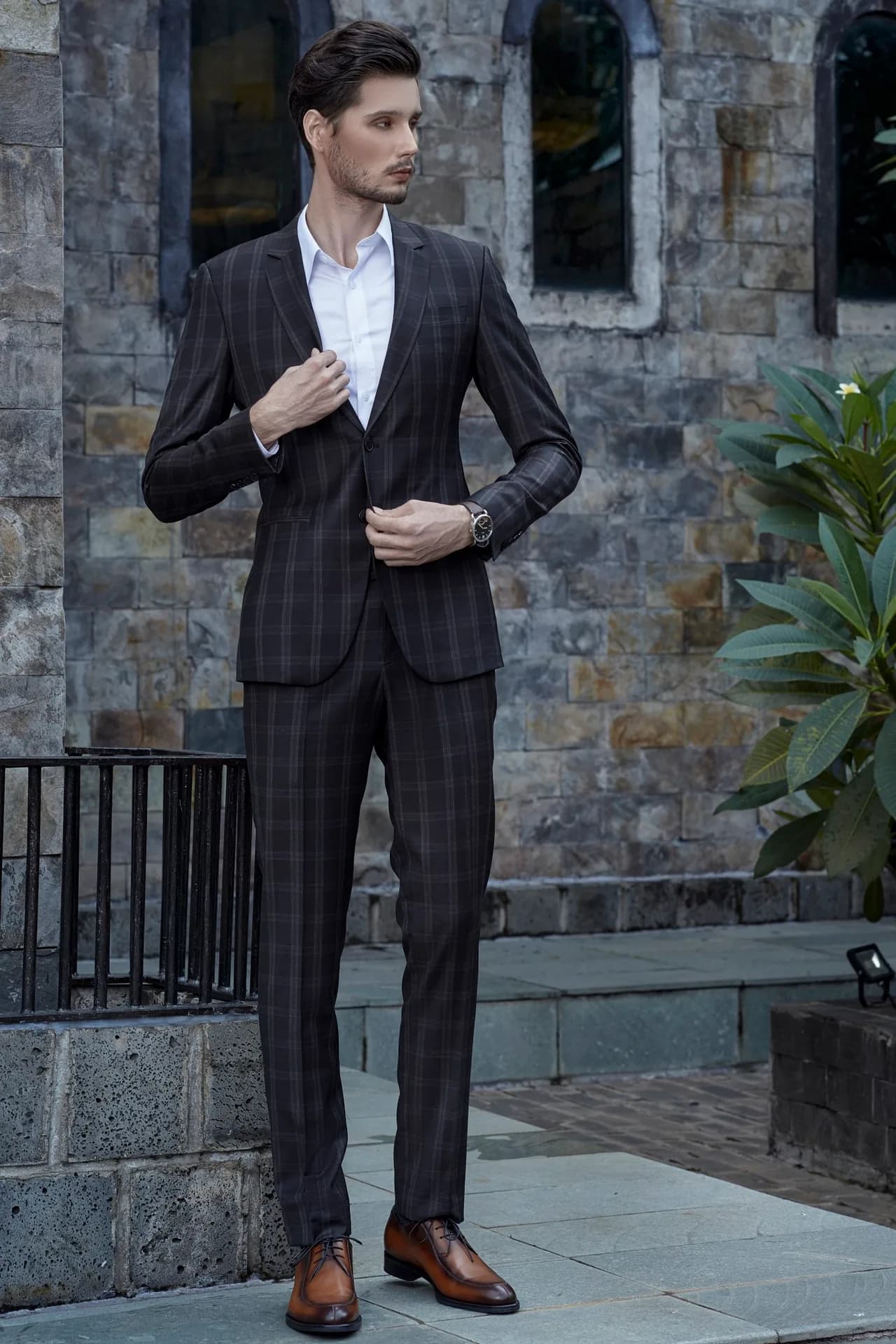
A small line in the corner of the invitation: "Smart attire." No further explanation, no illustration. The guest has to guess: suit or no suit, tie or no tie, are jeans allowed? Understanding what smart attire is is not hard, but it comes in three "levels", and standing at the wrong level is the cause of many an awkward evening.
The short answer
Smart attire means dressing neatly and cleanly, in clothes that fit and suit the setting: not too sloppy, and not necessarily a suit and tie. For men, the minimum is a collared shirt, dark dress trousers or chinos, and clean leather shoes or loafers. The safer level adds a blazer.
Three ways to read "smart"
What smart attire is depends on context, because the phrase has no fixed definition and the wearer usually has to read the situation. It can be divided into three levels, from lowest to highest:
| Level | Suggestion for men | When to use it |
|---|---|---|
| Minimum (basic smart) | Collared shirt, dark dress trousers or chinos, leather shoes or loafers, tidy hair | Friendly gatherings, offices, relaxed workplaces |
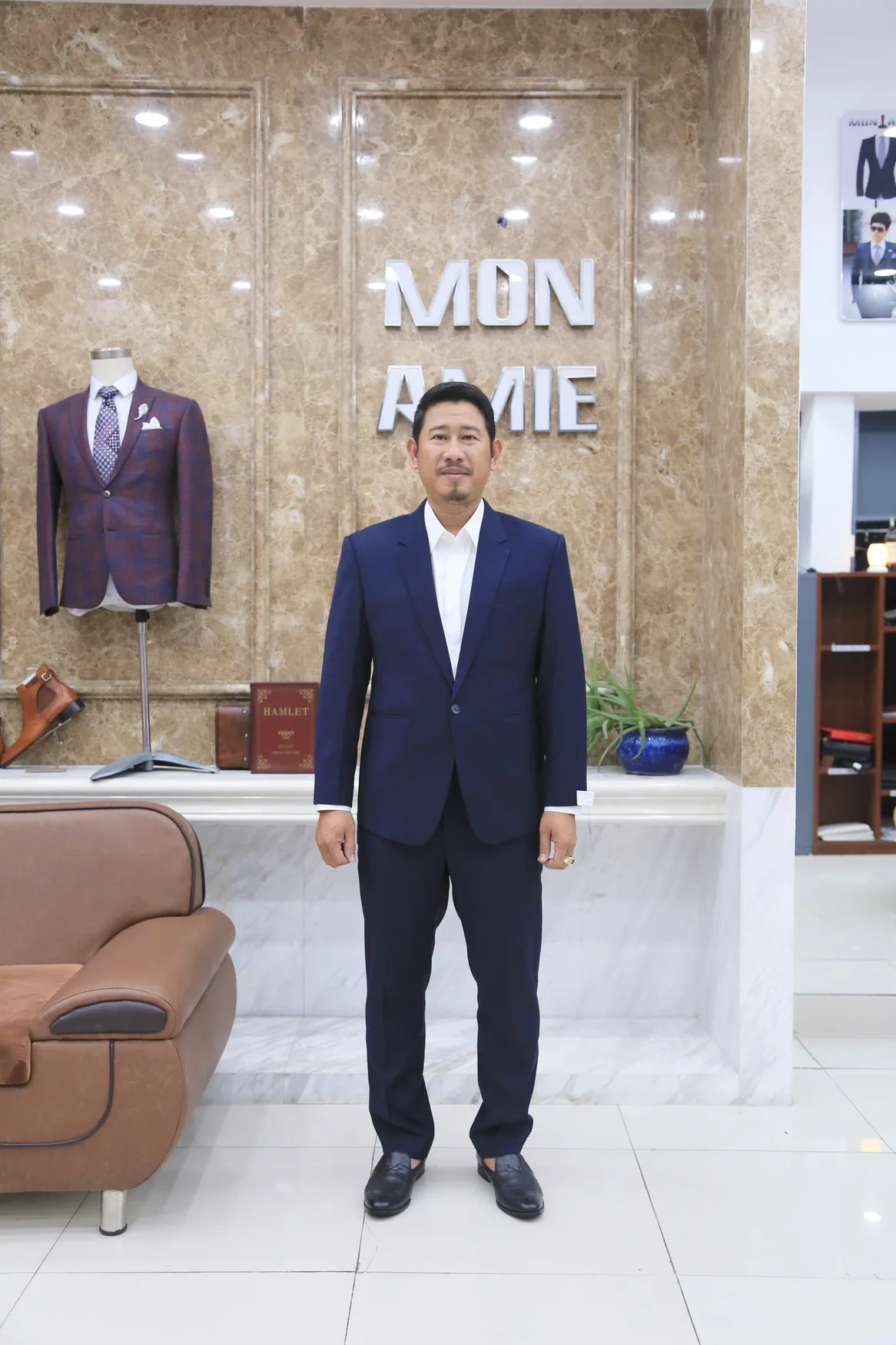
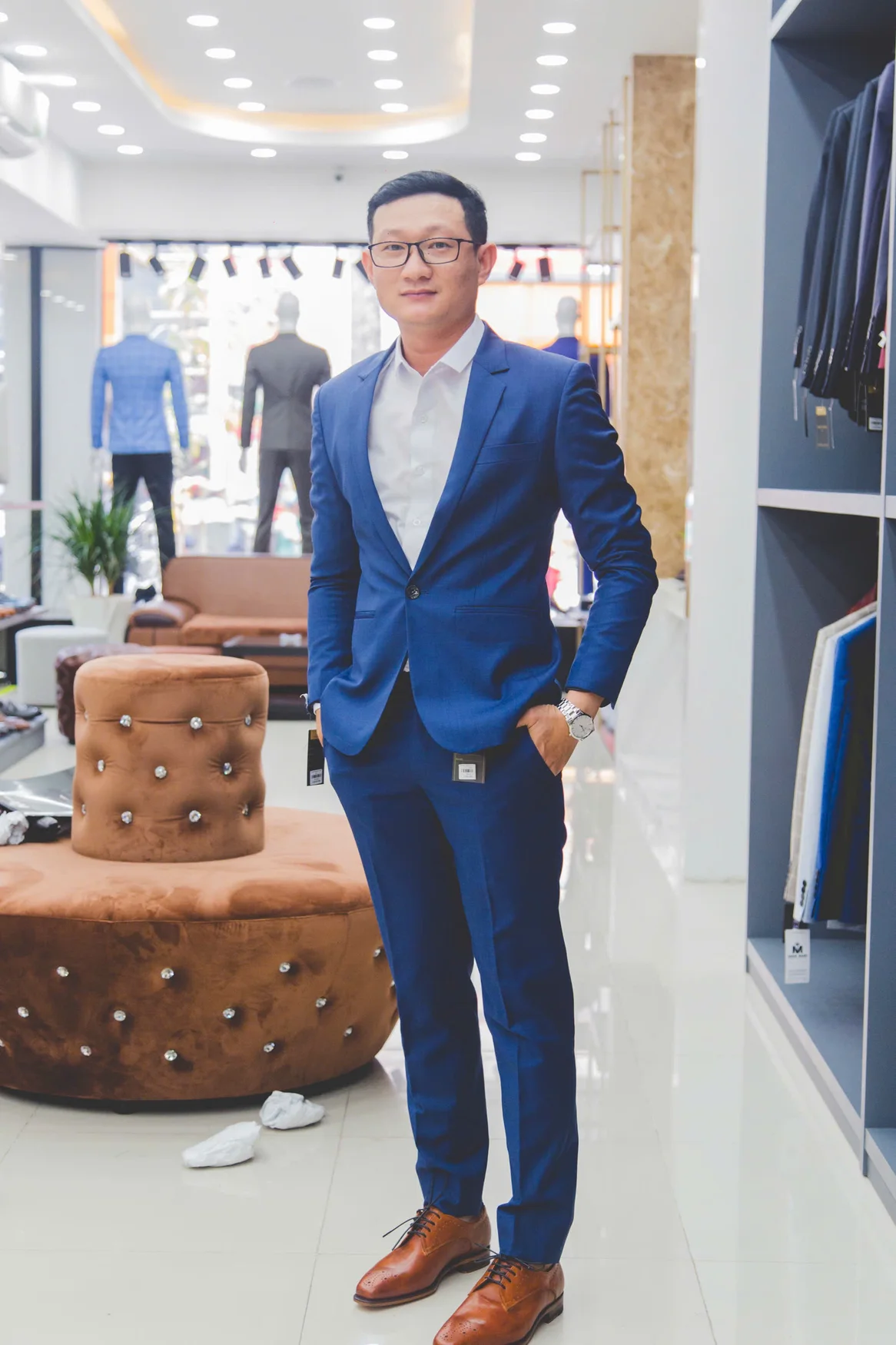
| Safe (smart casual to business casual) | Shirt, blazer, dress trousers, leather shoes; tie optional | The invitation is unspecific, light receptions, a first meeting with a partner |
| Formal (business formal) | Full suit, light shirt, tie, lace-up leather shoes | Ceremonies, major events, meeting leadership, diplomacy |
A rule of thumb: if the invitation says "smart" but not "formal", the safe level is the most fitting destination. Being one notch above is always easier to fix than being one notch below, because you can take a blazer off but you cannot "put something on" in the middle of the party.
What smart attire for men includes
Minimum level
- Shirt: a long- or short-sleeved collared shirt, pressed flat, with no wrinkles. Plain or fine stripes.
- Trousers: dark dress trousers or chinos. No shorts, no ripped jeans, no sweatpants.
- Shoes: leather shoes, loafers or plain leather sneakers, truly clean. No flip-flops, no strap sandals.
- Details: a belt matching the shoes, socks that cover the ankle, tidy hair, clean nails.
Safe level
The minimum level plus a blazer or a fabric jacket. A navy or grey blazer is the one jacket that is enough to raise the smartness of an ordinary outfit. You can see how to choose one in men's smart office wear.
Formal level
A suit made to fit, a white or light-blue shirt, a plain tie, black or dark-brown lace-up leather shoes. This is the safest level for almost any event, especially when you don't yet know the venue.
Neat smart attire at work and in offices
At a workplace, "neat and smart" usually follows the spirit of that workplace's culture:
- Finance, law and high-end real-estate firms: shirt and dark trousers, usually with a blazer or suit.
- Technology and creative companies: softer, but still a clean collared shirt or polo, dark trousers, leather shoes or leather sneakers.
- Government offices, hospitals, schools: a long-sleeved shirt, dark trousers, leather shoes; avoid overly bright colours and large patterns.
If a company has its own rules, those rules are the standard. Businesses that want to set clear standards for their whole team can look at Mon Amie's dressing etiquette workshop.
Smart attire in five common situations
Reading the rules is one thing; standing in front of the wardrobe is another. Almost everyone meets these five situations:
- A job interview: a light shirt, dark trousers, leather shoes; add a blazer or suit if the company is in finance, law or real estate. The minimum is neat; the upgrade is a blazer.
- A daytime wedding: a blazer or lightweight suit, light shirt, dress trousers, leather shoes. Avoid head-to-toe white, because that is the bride's colour.
- Parent-teacher meetings, dealing with schools: a collared shirt, dress trousers, leather shoes or loafers; no tie needed.
- Handling paperwork at a government office: a long-sleeved shirt, dark trousers, closed-toe shoes; go easy on jeans and sandals.
- Dinner with a business partner: a blazer, shirt, dress trousers and leather shoes; the tie depends on the restaurant. For an upscale restaurant, choose the formal level.
What all five situations share: people remember you for how put-together you are, not for a trendy detail. A clean, pressed shirt that fits at the shoulder and a pair of polished shoes always come before an expensive item worn sloppily.
How to guess right when the invitation doesn't say
- Ask the host. A question like "What level of dress would you suggest?" is never impolite.
- Look at the venue. A five-star hotel is not a garden café; a riverside restaurant is not a banquet hall.
- Look at the time. An evening reception is more formal than a lunch; events after six in the evening lean toward darker colours.
- Look at the host. A host who is a businessperson, an official or a friend sets a different "standard".
- Choose the safe level. When you are unsure, a blazer and shirt is the choice that sits in the middle.
Common mistakes and tips from Mon Amie's master tailors
- Reading "smart" as "ordinary everyday". A graphic T-shirt, worn jeans or flip-flops are rarely considered smart.
- Wearing clothes that are too old or too loose. Smart begins with fit. A shirt with a wide collar and sleeves that run past the hand costs the whole outfit points.
- Forgetting the shoes. Many people invest in the jacket yet leave the shoes dirty or the heels worn. The other person's eyes always travel down to your feet last.
- Going too flashy. Smart favours neutral colours: navy, grey, white, light blue, beige.
A small tip: a navy blazer that fits at the shoulder is the item most worth investing in, because it upgrades a shirt and trousers into a smart outfit in three seconds. If you need one made to suit your build, you can book a fitting appointment at a showroom.
Frequently asked questions
What is smart attire for men?
A collared shirt, dark dress trousers, clean leather shoes or loafers, and tidy hair. Add a blazer to be safer on occasions where the level of formality is unclear.
Do men have to wear a suit for smart attire?
Not necessarily. A suit is for formal occasions, while ordinary "smart" only calls for a shirt, dress trousers and leather shoes. But a suit or blazer is always the choice that lifts the outfit.
How is neat smart attire different from formal attire?
Neat smart attire is the baseline level, in which clothes are clean, well fitted and have a collar. Formal is a step higher, requiring a suit, tie and lace-up shoes by convention.
What should men wear to a party in smart attire?
A shirt, dress trousers and a blazer; for an evening event, add a tie or bow tie if the occasion is formal. Navy, charcoal grey or black are safe colours.
Conclusion
Understanding what smart attire is takes one worry off your mind each time an invitation arrives: choose the safe level, ask the host if you need to, and remember that fit matters more than price. You can read on in business formal dress code to understand the highest level, or browse the product collection when you need to add a blazer to your wardrobe.