
The small line at the bottom of the invitation: "Dress code: Business Formal". You have read it a third time and still are not sure you have understood it. Do you need a tie? Black or brown shoes? Is a black suit acceptable? These are real questions from people invited to a conference, a meeting with foreign partners or a signing ceremony. This article answers the business formal dress code concisely, and fully enough that you can open your wardrobe with confidence.
The short answer
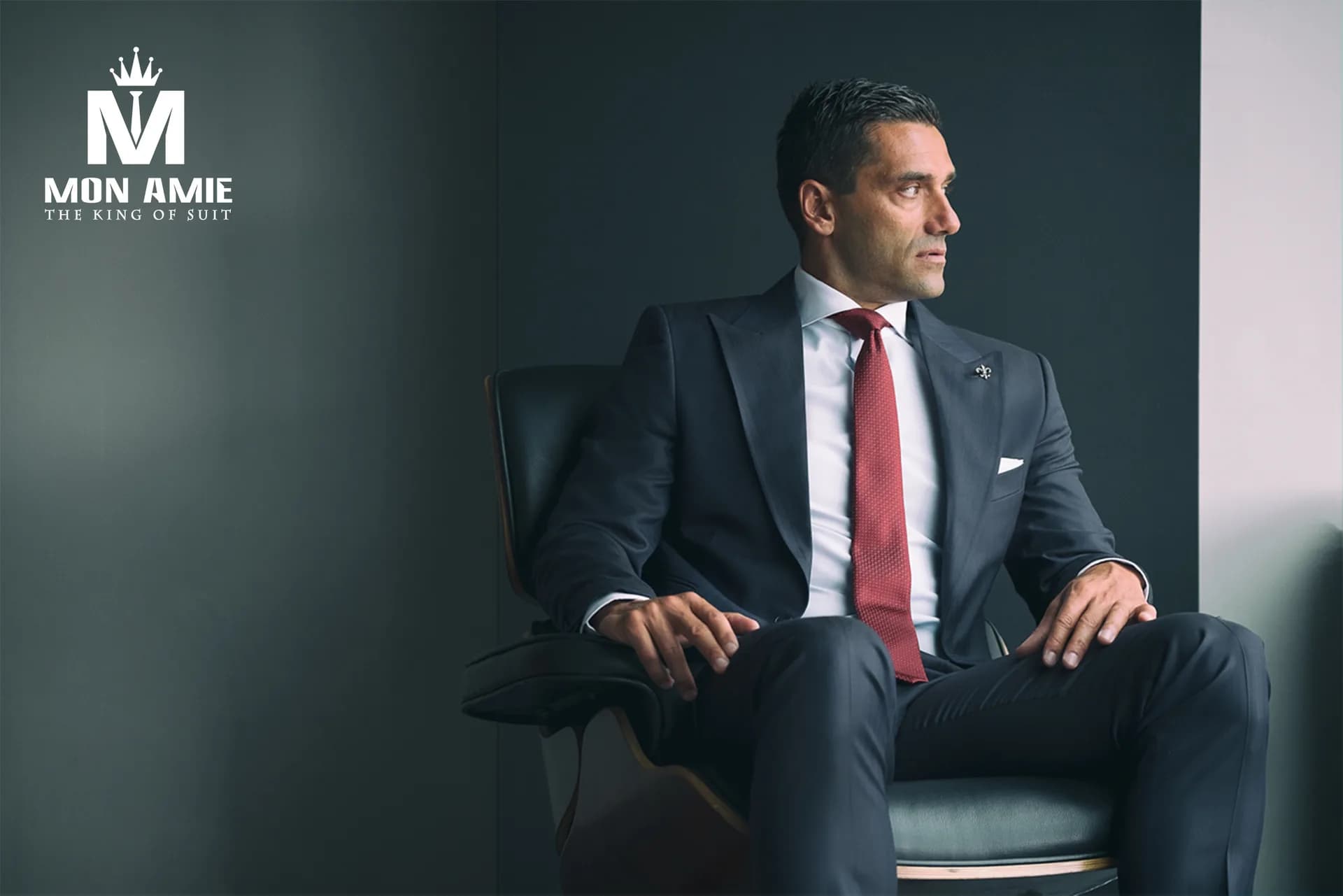
The business formal dress code for men is: a matching suit jacket and trousers in a dark colour (navy, charcoal or black), a white or light-blue shirt, a tie, oxford or derby leather shoes in black or dark brown, long socks and a belt matching the shoes. Accessories are kept minimal, and everything is well fitted, clean and pressed.
Where does business formal sit on the dress code scale?
Dress code is a scale of levels, and many people confuse them because the names sound alike. To picture it:
| Level | Name | Example outfit |
|---|---|---|
| 1 | Casual | T-shirt, jeans |
| 2 | Smart casual | Polo or shirt, chinos, light blazer |
| 3 | Business casual | Shirt, trousers, blazer, tie not required |
| 4 | Business formal (also called business professional) | Dark suit, shirt, tie, oxford shoes |
| 5 | Formal (black tie) | Tuxedo, black bow tie, polished shoes |
So the answer to "what is a formal dress code" is different from business formal: formal is usually for evening events such as receptions and galas and calls for a tuxedo, while business formal is the standard way of dressing for work in a formal setting. The phrase "business attire dress code" is often used almost synonymously with business formal or business professional, but depending on the organiser it can sometimes be a notch lighter. If you are not sure, choose the higher level, since dressing a little more formally has never been a mistake.
The required components of the business formal dress code
The suit: the foundation of everything
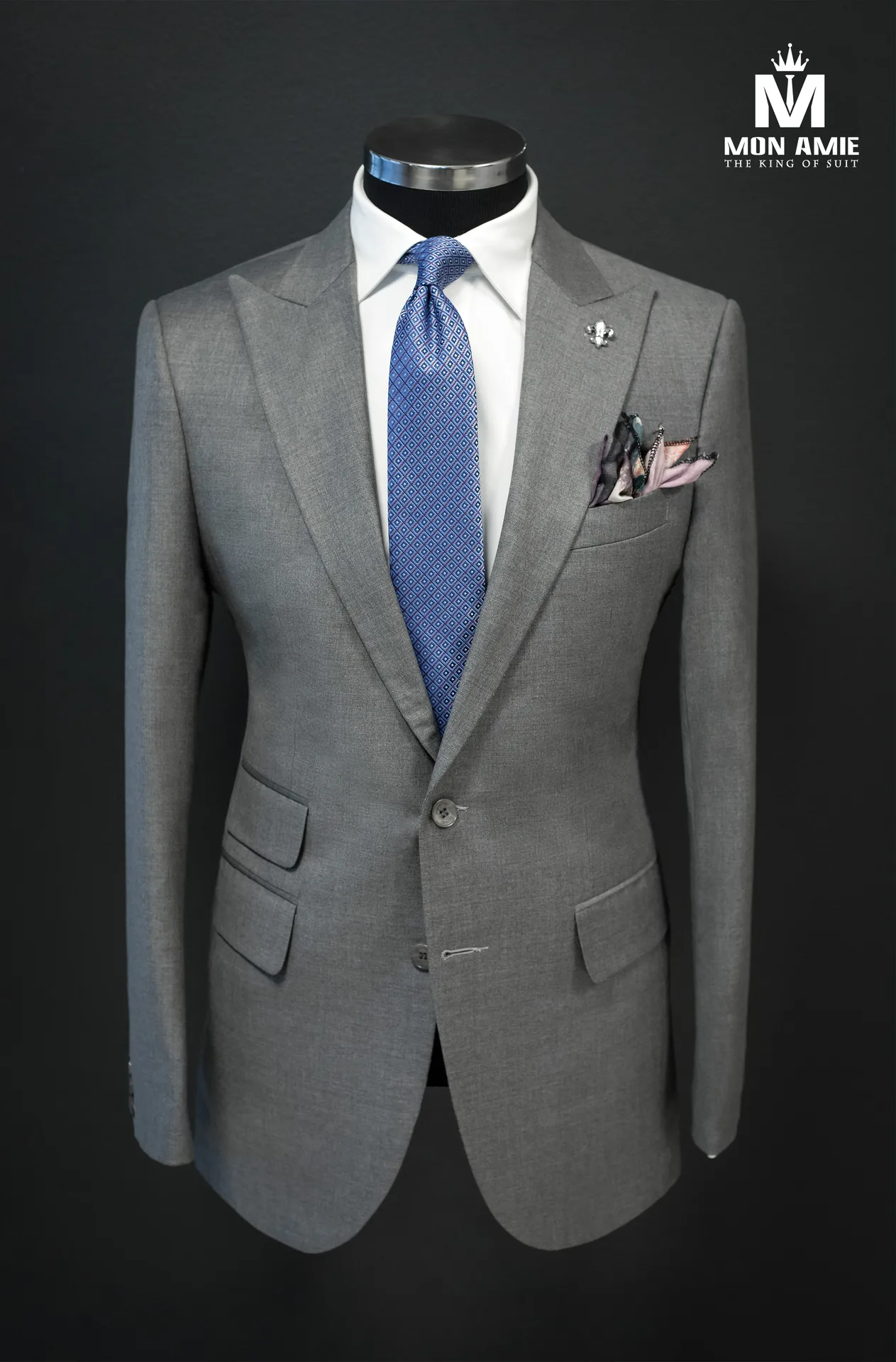
The jacket and trousers must be made as a matching set from the same piece of cloth. The colour should be navy, charcoal or black. A single-breasted, two-button jacket with notch lapels (a lapel with a softly pointed V-shaped notch) is the classic choice. Plain wool or a very fine tone-on-tone stripe is the safe choice. You can learn more in the article what is business casual to see the difference in cloth and in how to combine pieces.
The shirt: white or light blue
A white shirt is the most standard. Light blue is also accepted in most settings. The collar is moderately stiff and can be a classic turndown collar, sitting snugly against the tie. Avoid large patterns, strong colours or button-down shirts if the event is truly formal.
The tie: plain or a discreet pattern
A silk tie in a plain colour, fine stripes or small dots. The standard length is the tip of the tie reaching the belt, not too long and not too short. A neat knot with a slight dimple beneath it.
Shoes, belt and socks
- Shoes: oxford (lace-up, closed-toe) or derby in leather, black or dark brown, polished.
- Belt: leather, the same colour as the shoes, with a small, neat buckle.
- Socks: calf-length, in the same tone as the trousers or shoes, so that no bare leg shows when you sit.
Accessories
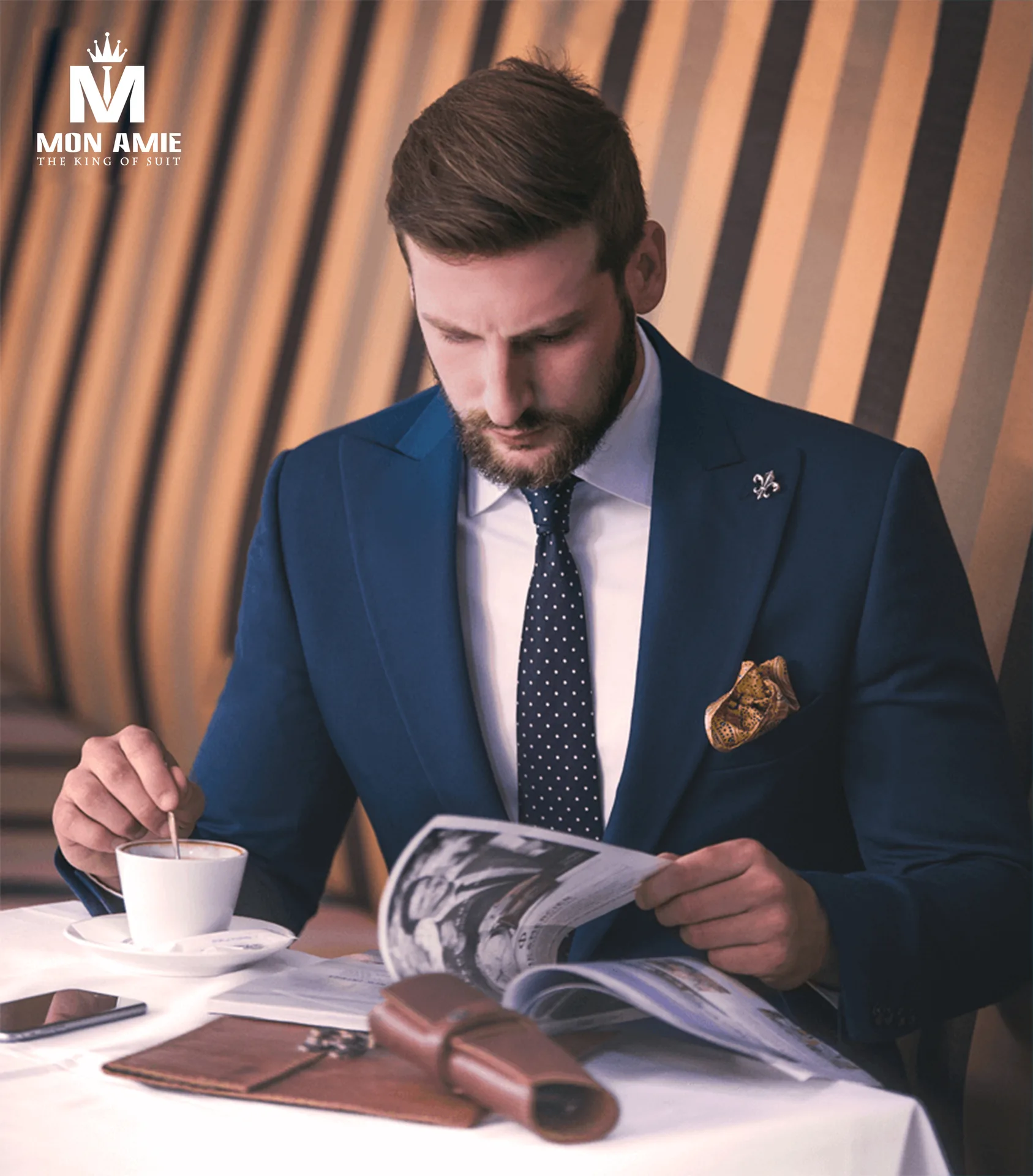
A classic watch, a slim leather briefcase, and a white pocket square if you wish. Less is more. The goal is for people to remember your face, not an accessory.
How does business formal differ from business casual?
| Element | Business formal | Business casual |
|---|---|---|
| Jacket | Matching suit | A separate blazer, or none |
| Trousers | The same cloth as the jacket | Trousers or chinos in a different colour |
| Tie | Required | Not required |
| Shoes | Oxford or derby in black or dark brown | Loafers, derbies, minimalist leather sneakers |
| Shirt | White, light blue | May be patterned, with a wider range of colours |
| Setting | Partner meetings, conferences, signing ceremonies | The everyday office |
If you want to understand the lighter level better, the article what is smart casual will help you tell them apart clearly.
Common mistakes when wearing business formal
- Wearing a separate blazer with non-matching trousers and calling it formal. Business formal calls for a matching suit.
- Loafers or sneakers. This is the most common mistake. Shoes must be lace-up leather shoes.
- Short socks that show bare leg when you sit. Socks should be calf-length.
- A tie that is too short or too long. The tip of the tie touching the belt is the standard.
- Jacket sleeves that cover the shirt completely. About one to two centimetres of shirt cuff should show.
- Fastening both buttons. On a two-button jacket, fasten only the top button, never the bottom one.
- A wrinkled shirt, dirty shoes. Small details, but they create the first impression.
Choosing your first business formal suit
If you are buying only one suit for this dress code, choose a navy or charcoal suit, two-button, notch lapels, in plain wool or a tone-on-tone stripe. These two colours work for most work events and are easy to pair with shirts and ties. After that you can add others, such as light grey or a discreet pattern.
A made-to-measure suit gives a precision of fit such that people looking at you feel you are "right" everywhere, which is exactly the spirit of business formal. Mon Amie has three made-to-measure full-suit lines: Essential from VND 4.8 to 10 million, Signature from VND 10 to 20 million, and Heritage above VND 20 million. You can see the details in the price list.
A tip from Mon Amie's master tailors
Before the day of the event, try on the whole outfit sitting and walking, then take photos. Business formal is not only about wearing the right items, but about a tidy whole from collar to shoe tip. And if you lead a team, consider a session on dressing culture: Mon Amie has a Dressing Etiquette workshop that helps a whole organisation understand and practise a dress code together.
Frequently asked questions
What is the business attire dress code?
Business attire is a general term for formal workplace clothing, usually equivalent to business professional or business formal: suit, shirt, tie, leather shoes. Some places use the phrase for a lighter level, so you can ask the organisers if you are unsure.
What does the business dress code include?
For men: a suit or blazer with trousers, a shirt and leather shoes. The most formal level needs a tie and a matching suit, while a lighter level may leave out the tie or use a separate blazer.
What is a formal dress code, and how does it differ from business formal?
Formal is usually for evening events such as receptions and galas, and requires a tuxedo and a black bow tie. Business formal is for formal daytime work and requires a dark suit and a tie.
Does business formal require a tie?
Yes. The tie is a required component of business formal. Only when the organiser clearly specifies business casual can it be left out.
An invitation
If you do not yet have a suit that is up to standard for formal occasions, book a measuring appointment at Mon Amie in Ho Chi Minh City. A stylist will help you choose the colour, cloth and cut that suit the dress code and your build, from your first suit to a whole office wardrobe.