
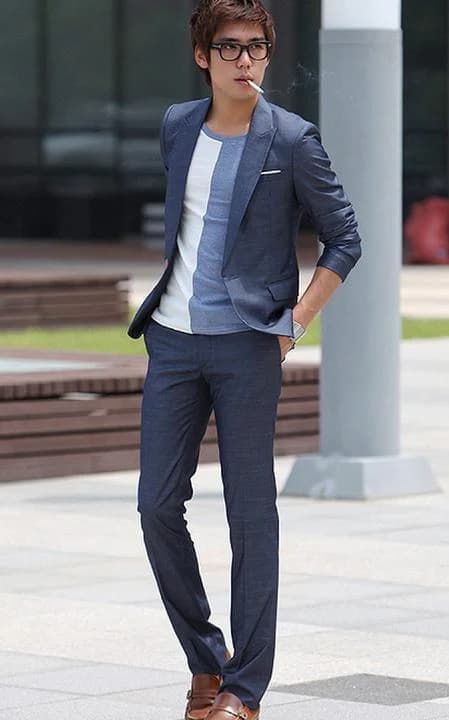
You have an interview at nine tomorrow morning, and your wardrobe holds only one suit. Wear it or not? If you do, what if the interviewer turns up in a T-shirt? If you don't, what if everyone in the room is in a tie? The question of whether to wear a suit to an interview has no universal answer, but there is one rule solid enough to let you decide in five minutes.
The short answer
Wear a suit to interviews in banking, finance, law, consulting, insurance, real estate, upscale hotels and management roles. At technology companies, startups or creative firms, a blazer with a shirt and trousers is enough. The general rule: dress one notch above the company's ordinary employees, no more than one notch.
Should you wear a suit to an interview? The “one notch higher” rule
The interviewer wants to see that you take the opportunity seriously, but also wants to picture you working alongside them. Dressing one notch higher is the balance point: you show preparation without looking out of place.
If the staff wear shirts and trousers, add a blazer. If they wear blazers, wear a suit. If they wear suits, wear a dark, full suit with a tie. The simplest way to know what they wear: look at staff photos on the company's about page, Facebook page or LinkedIn, or gently ask the recruiter: “Could you tell me what I should wear to the interview?”
Interview attire suggestions by industry
| Industry, role | What to wear | Notes |
|---|---|---|
| Banking, finance, insurance | Two-piece navy or charcoal suit, white shirt, tie, black oxford shoes | High standards, little room for creativity |
| Law, consulting, audit | Dark suit, white or pale blue shirt, plain tie | The more discreet, the more correct |
| Real estate, high-end sales | Well-fitted suit, light shirt, tie, clean leather shoes | Personal image is the product |
| Hotels, upscale restaurants | Neat suit or blazer, white shirt | Mind your shoes and hair |
| Technology, startups | Blazer or shirt, trousers, leather shoes or minimalist leather sneakers | A suit may be too much |
| Marketing, media, creative | Blazer, shirt, chinos or trousers; with a touch of personality | Small accents are welcome |
| Manufacturing, engineering, logistics | Shirt, trousers, leather shoes; blazer optional | A suit is sometimes unnecessary |
| Management, director roles | Premium suit or blazer, depending on company culture | Dress one notch above junior-level candidates |
If you need more detailed suggestions for each step of preparation, the article what men should wear to an interview lists shoes, socks and accessories as well.
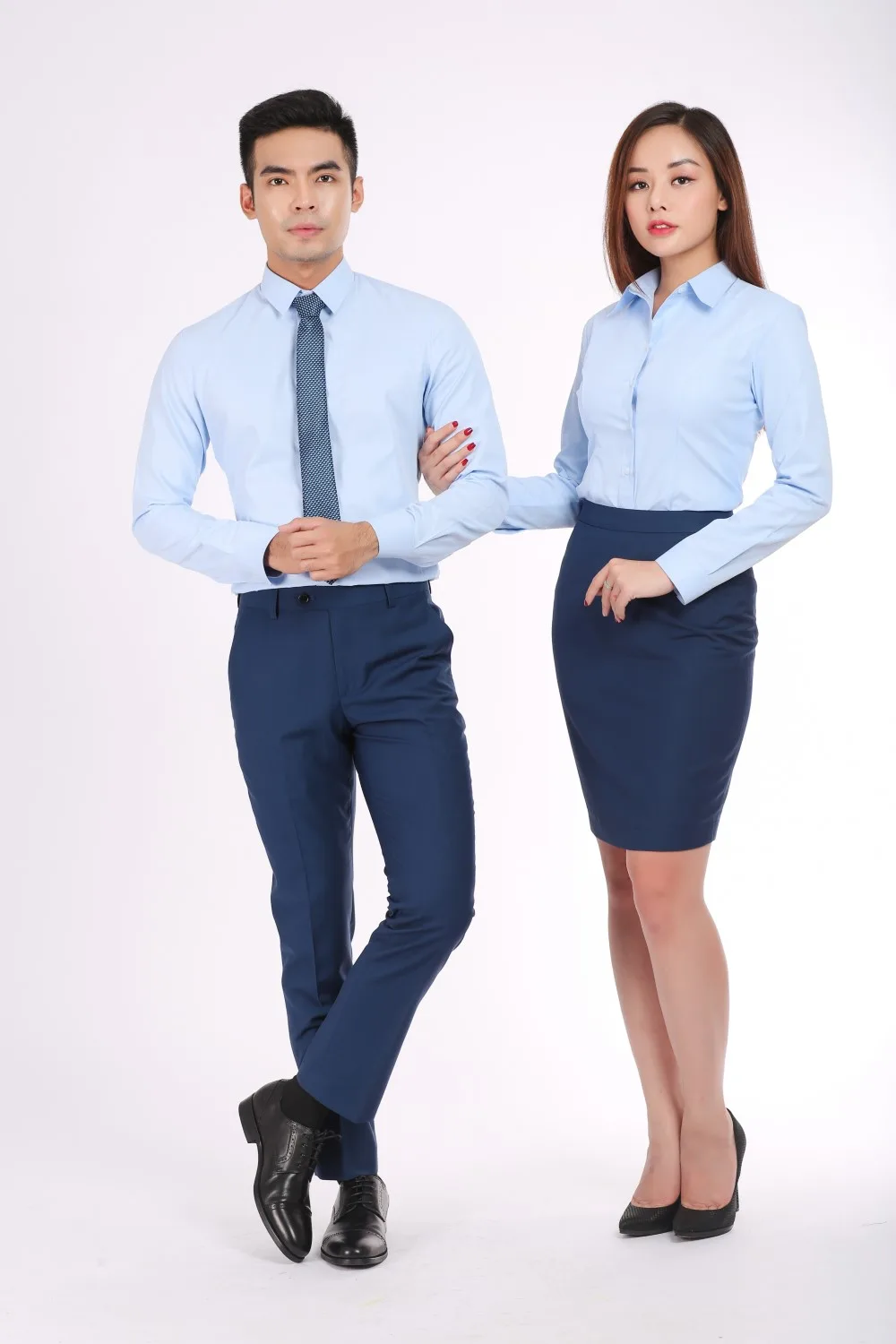
When can a suit be too much?
In some cases, wearing a full suit really backfires:
- Young companies and relaxed offices, where the interviewer wears a T-shirt. A suit and tie can feel distant.
- Technical and research roles, where people care more about ability than appearance.
- Hot weather, or a long trip to the interview, when wearing a suit makes you sweat.
In such cases, dress down the formality rather than skipping it.
Tips for dressing down when a suit is too much
- Drop the tie, and open the collar by one button.
- Swap the white shirt for pale blue, which is less severe.
- Use a blazer and trousers in different cloths instead of a full suit.
- Swap oxfords for loafers or derbies, which are less stiff.
- Carry the suit jacket over your arm while waiting in the lobby if it is hot, then put it on when you enter the room.
- Keep the rest neat: clean shoes, tidy hair, a belt matching the shoes, no elaborate accessories.
Wearing a suit to an interview properly
If you decide to wear a suit, these five things shape the impression:
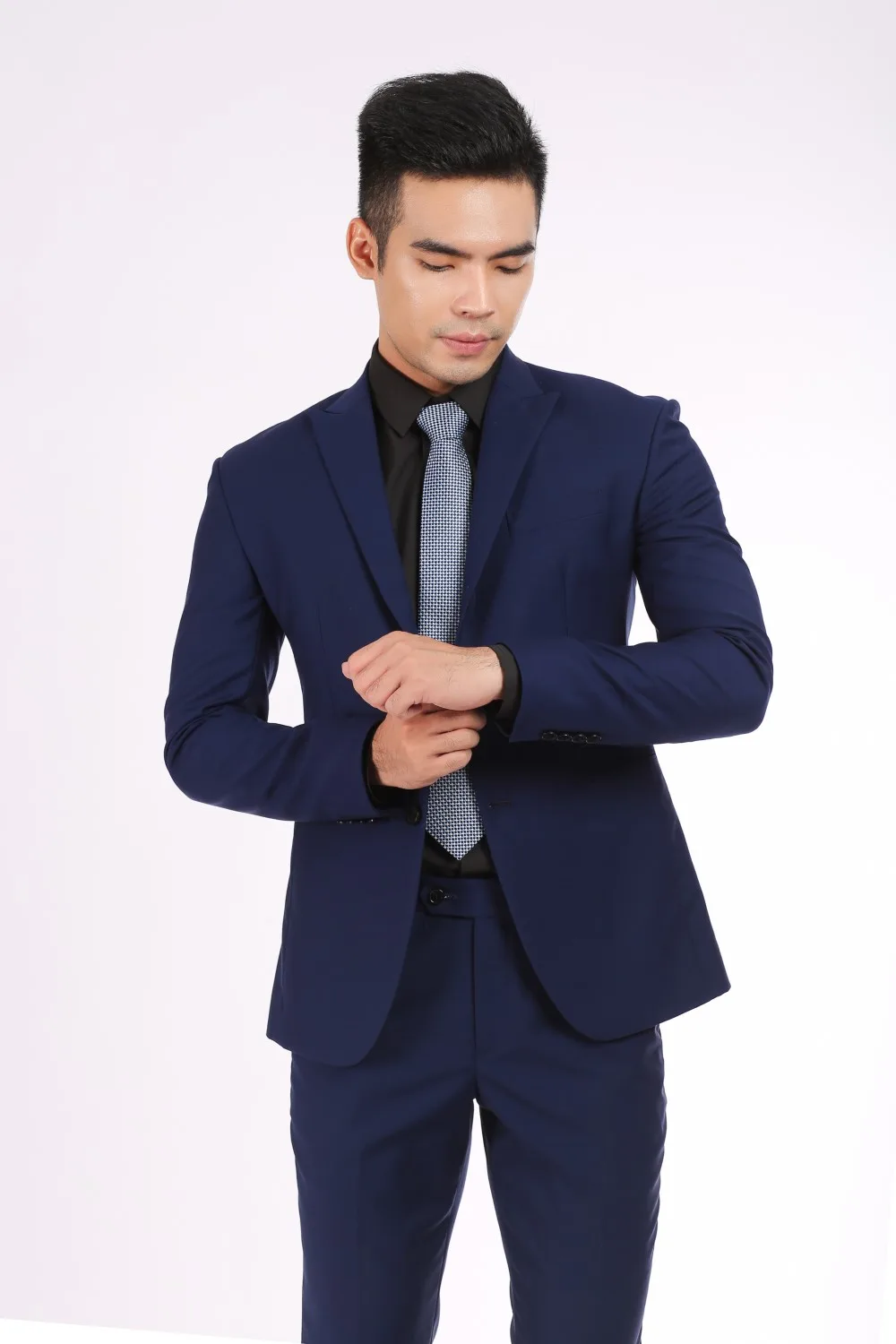
- A good shoulder fit. The jacket shoulder sits exactly at the shoulder tip; a good fit matters more than a high price.
- Neutral colours: navy or charcoal; avoid shiny black and bright colours.
- A flat shirt, white or pale blue, with a clean collar.
- Clean leather shoes, in the same tone as the belt.
- Jacket sleeves that show one to one and a half centimetres of shirt cuff.
What about online interviews?
The camera sees only the upper half of your body, so pay attention to the jacket, collar, hair and the background behind you. Still wear trousers (not shorts), because if you have to stand up unexpectedly, you do not want to be caught out. Wear a suit jacket or blazer for roles that call for polish. See the article what to wear to an online interview for dedicated guidance.
Preparing your outfit the night before
Interviews usually come after a restless night, so make sure your clothes do not cost you a single extra minute in the morning:
- Press the shirt and suit jacket flat, and hang them ready on a wide-shouldered hanger.
- Check buttons, hems, and small stains on the collar and cuffs.
- Polish your shoes, wipe the soles and set them by the door.
- Put a spare pair of socks and tissues in your bag.
- Prepare a backup plan if it rains or is unusually hot.
Fifteen minutes of preparation the night before is worth more than an hour of scrambling the next morning.
Common mistakes
- A suit that is too tight or too loose. The flaw that is easiest to spot and costs the most points.
- Wearing brand-new clothes you have not tried. Try the whole outfit, sitting, standing and bending, before the interview day.
- Dirty shoes, or a belt that does not match the shoes. Interviewers often notice small details.
- Too much cologne. A closed meeting room is stuffier than you think.
- Wearing a suit out of fear, not out of confidence. Discomfort shows through your posture.
Tip from a Mon Amie master tailor: try the whole outfit on one evening, sit down, raise your arm to shake hands, bend down to pick up a pen. If the suit jacket does not restrict those movements, you will sit through the interview more comfortably. And if you are looking for the first suit of your career, think carefully about shoulders, colour and cloth before thinking about style.
Frequently asked questions
What is the appropriate attire for a job interview?
A collared shirt, trousers and leather shoes are the minimum; add a blazer or suit for formal industries. Neutral colours: navy, grey, white, pale blue.
What should you wear to an interview at a technology company?
A blazer, a shirt or collared polo, trousers or chinos, leather shoes or minimalist leather sneakers. If you are unsure, choose a blazer rather than a full suit.
How does professional interview attire for women differ from men's?
Women have additional options: a suit, pencil skirt, dress or trousers. The principle is the same: one notch above the staff, neutral colours, a good fit. This article is written for men; if you need advice specifically for women, you may look at Mon Amie's attire and etiquette consulting service.
What is a quick interview outfit in five minutes?
A white or pale blue shirt, grey or navy trousers, black or dark brown leather shoes, and a belt matching the shoes. Add a blazer if you have one. Check that the shirt is flat and the shoes are clean, then head out the door.
Conclusion
Should you wear a suit to an interview? The short answer is: dress one notch above the staff, and wear it to fit. If you want a first suit that is right in cut for the interviews ahead, see the price list and then book a measuring appointment; the Essential line starts from VND 4.8 million for a complete jacket and trousers.