
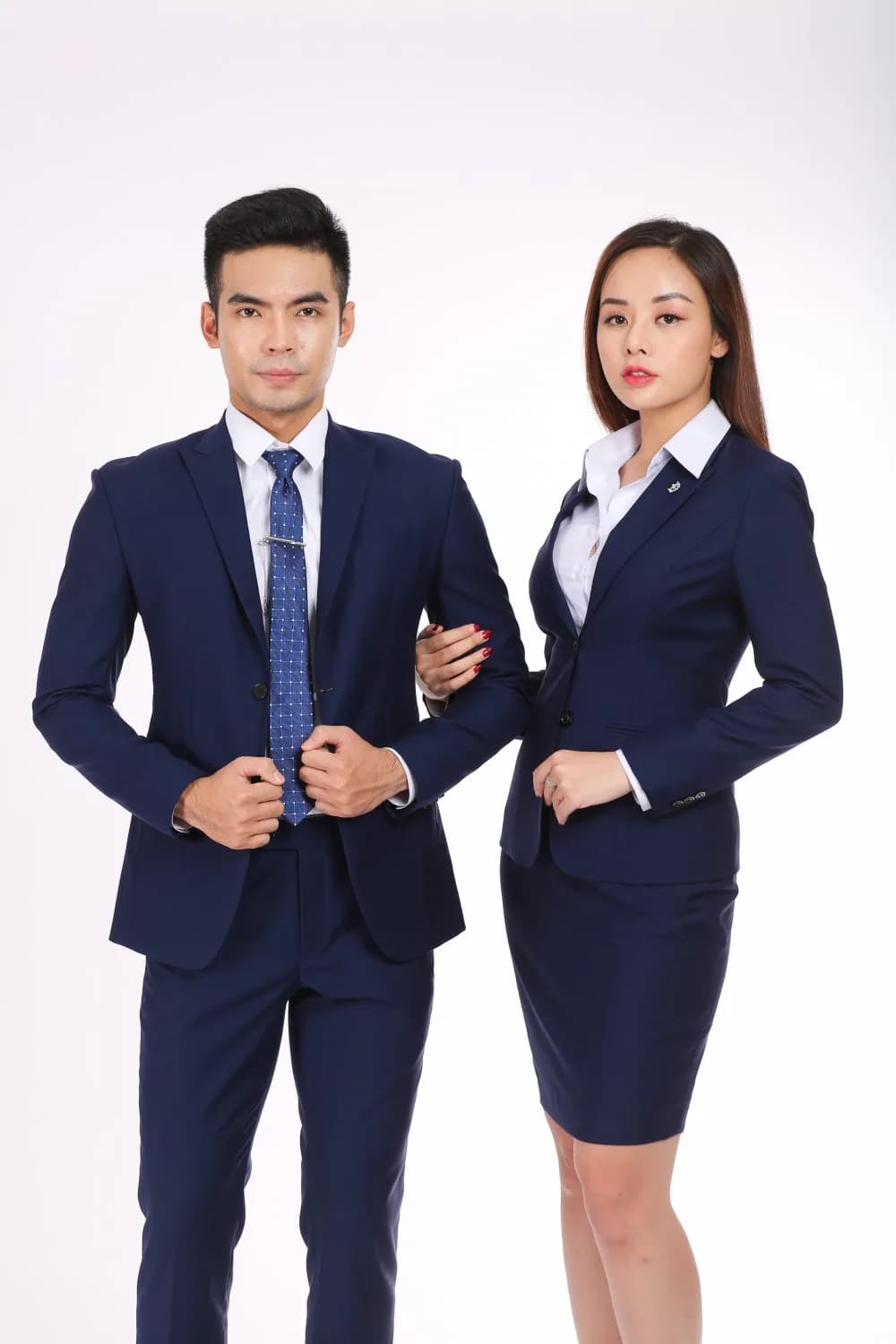
By the sixth hour of a day of meetings, you know whether the suit you are wearing is right for you: it pulls under the arms, the hem rides up when you sit, or the collar gaps each time you bend over to sign papers. Choosing an office suit fit is not a matter of fashion, but of how long your body will have to put up with that suit.
Quick answer
Slim fit is close-cut, suited to tall, slim men who sit little. Regular fit is the roomiest, comfortable for men who sit a lot or have a fuller build. Tailored fit sits in between: it follows the body but leaves room to move, and is the balanced choice for office workers who wear a suit all day. Choose by build and by sitting time, not by fashion.
How do the three office suit fits differ?
All three are valid office suits. The difference lies in how the shoulder, body and trousers are cut.
| Detail | Slim fit | Tailored fit | Regular fit |
|---|---|---|---|
| Shoulder | Neat, lightly padded, close to the shoulder | Fits the shoulder, medium padding | Natural, roomier |
| Chest and waist | Close, with a clearly nipped waist | Follows the body, with some ease | Comfortable, little waist suppression |
| Sleeve | Narrow sleeve | Medium sleeve | Wider sleeve |
| Trousers | Clearly tapered, snug on the thigh | Slightly tapered, comfortable through the thigh | Straight, roomy through the thigh |
| Feel when worn | Neat, youthful, flatters only certain builds | Polished, balanced | Easy, unpretentious |
| When sitting for long | Tends to bind without enough ease | Fine if cut to the right measurements | Most comfortable |
Tailored fit is the signature silhouette of made-to-measure: not as loose as regular, not as tight as slim, because the tailor cuts exactly to each person's body. Put bluntly, “tailored” only really means something when the suit has been properly measured.
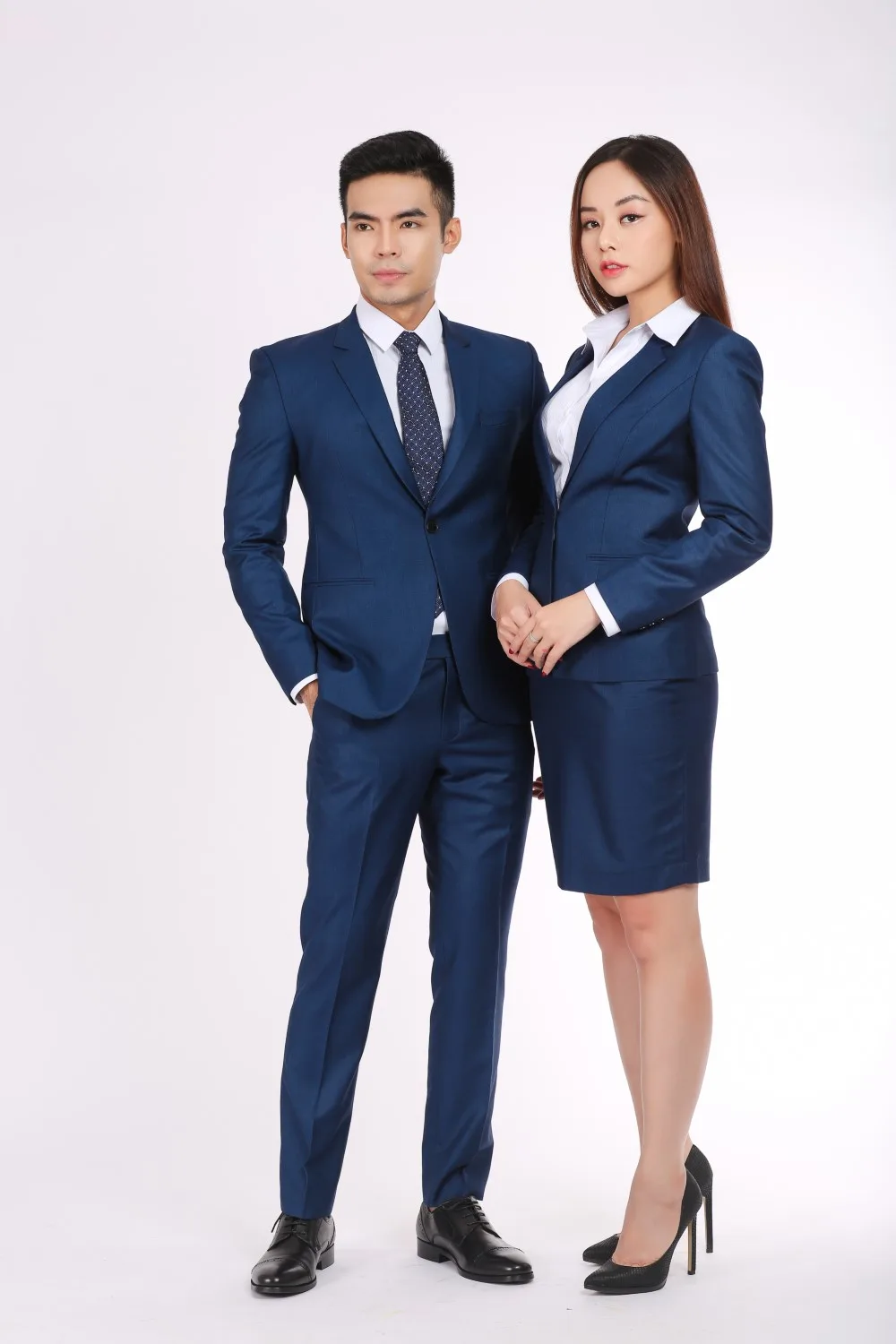
Office suit styles by buttons and lapels
Beyond the three fits above, office suits also differ in structure. These are the styles you will meet most often:
- Single-breasted, two buttons. The most common, and suits every build and every industry. Fasten the top button and leave the bottom one open.
- Single-breasted, three buttons. More classic, with a shorter lapel, and suits tall men.
- Double-breasted. Polished, with real presence, suits tall men with balanced shoulders. It is fastened closed, so it can be quite warm in Saigon's climate.
- Three-piece suit (with waistcoat). More formal, holds its shape well, and suits an important meeting day.
- Notch lapel (the lapel with a V-shaped notch): the standard office lapel, for everyday use. Peak lapel (the pointed lapel angled upward): more formal and stronger, suits executives and evening events.
Choosing an office suit fit by build
- Tall and slim: slim or tailored both look good. You can try double-breasted to add fullness.
- Average, well-proportioned: tailored fit is the safest and most flattering choice.
- Heavier or with a belly: tailored or regular, but cut properly. A jacket that fits looks far neater than a loose one hiding the belly. Single-breasted with two buttons, long enough to just cover the seat.
- Broad shoulders, narrow torso (inverted triangle): tailored or regular through the chest, shoulders without heavy padding, slightly tapered trousers.
- Narrow shoulders, rounder torso: medium padding in the shoulder to balance, and avoid slim because it reveals the curve of the belly.
- Short: tailored fit, a jacket of moderate length, moderate lapels and high-rise trousers so the legs look longer.
Choosing a fit by the nature of your job
| Job | Suggested fit | Reason |
|---|---|---|
| Sales, frequent client meetings | Tailored or slim | Needs a polished impression, with a lot of movement |
| Management, long meetings | Tailored | Sits a lot, but needs a neat image |
| Finance, legal, traditional industries | Tailored or regular | Neutral cut, easily accepted |
| Creative, media, startups | Slim or relaxed | Can be younger and more relaxed |
If your company has a specific dress policy, read business formal dress code to see what level of formality is required.
Choosing a fit you can wear for ten hours without tiring
This is the most honest test, and we often have customers do it right during the baste fitting:
- Sit down for five minutes. Fasten the button and sit: if you feel tightness at the stomach or the hem creeps up, it must be altered.
- Raise both arms to shoulder height and forward. As when typing or holding a steering wheel. The armhole must not pull and the collar must not gap away from your neck.
- Bend down to pick up a pen. The trousers must not strain at the seat, and the jacket must not ride up and leave your back bare.
- Look to the side. X-shaped creases around the button are a sign of being too tight.
- Check the trousers when you cross your legs. The thigh and knee must be roomy enough not to bind.
Two more factors help you feel comfortable: cloth and lining. A breathable wool with some natural stretch makes it easier to wear all day than thick, stiff cloth. And a light or half lining helps release heat in Saigon's hot, humid climate. Ask your stylist about these when choosing cloth.
Common mistakes and tips from Mon Amie's master tailors
- Choosing slim because it “looks slimmer”. Slim looks good standing, but if you sit all day the jacket will bind. A properly cut tailored jacket will be slim and still comfortable.
- Choosing regular for fear of tightness. A jacket that is too loose makes you look older and loses your lines. Do not mistake loose for comfortable.
- Buying by size, not by shoulder. The shoulder is the part that cannot be altered, so choose the jacket by the shoulder first.
- Ignoring jacket length. A short jacket exposes the waistband when you sit; one that is too long makes the legs look shorter.
- Not considering the climate. Thick, fully lined cloth in Saigon will turn a meeting into a challenge.
Master tailor's tip: measure by feel, not only by eye. At the baste fitting, try sitting, raising your arms and walking. A suit that looks good in the mirror but is uncomfortable when you sit is not the right one yet.
Frequently asked questions
What are the most common office suit styles?
The most common is the single-breasted two-button suit with a notch lapel, in plain cloth or a fine stripe. Next come the three-piece suit with waistcoat and the double-breasted suit for more formal occasions.
How do different office suits differ?
They differ in the number of buttons (two, three or double-breasted), the lapel style (notch, peak), the cut (slim, tailored, regular) and whether there is a waistcoat. You choose based on your build, work environment and the level of formality.
Slim fit or regular fit: which suits office workers better?
If you sit a lot, regular or tailored will be more comfortable. Slim fit suits tall, slim men who rarely sit for long and need to look neat when meeting clients.
What is tailored fit?
It is a cut made to each person's body measurements, close enough to look neat while still leaving room to move. It is the signature silhouette of made-to-measure and the most balanced choice for office workers.
Final thoughts
The right suit fit is the one you forget you are wearing after the third meeting. If you want to find a fit of your own, you are welcome to book a measuring appointment or try designing a suit online first. You can also look at the made-to-measure price list beforehand, and the article should a suit be worn loose or fitted, to know what you need when you meet a stylist.