
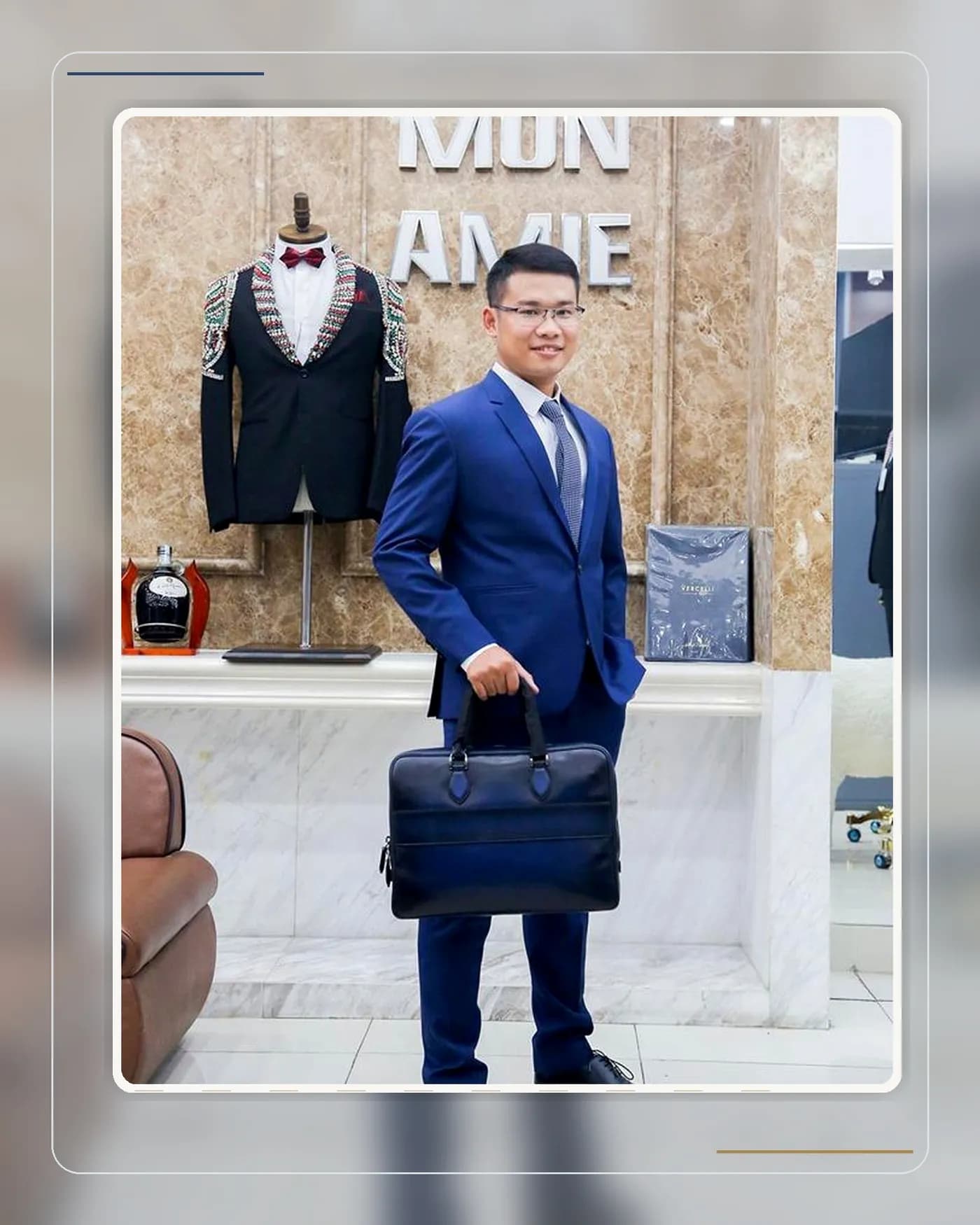
A contract signing is one of the rare business moments that combines ceremonial formality with cameras. That handshake photo may appear in the press, on the company website, and in partner records for years. So how do you style a suit that is both ceremonially correct and photogenic?
The short answer
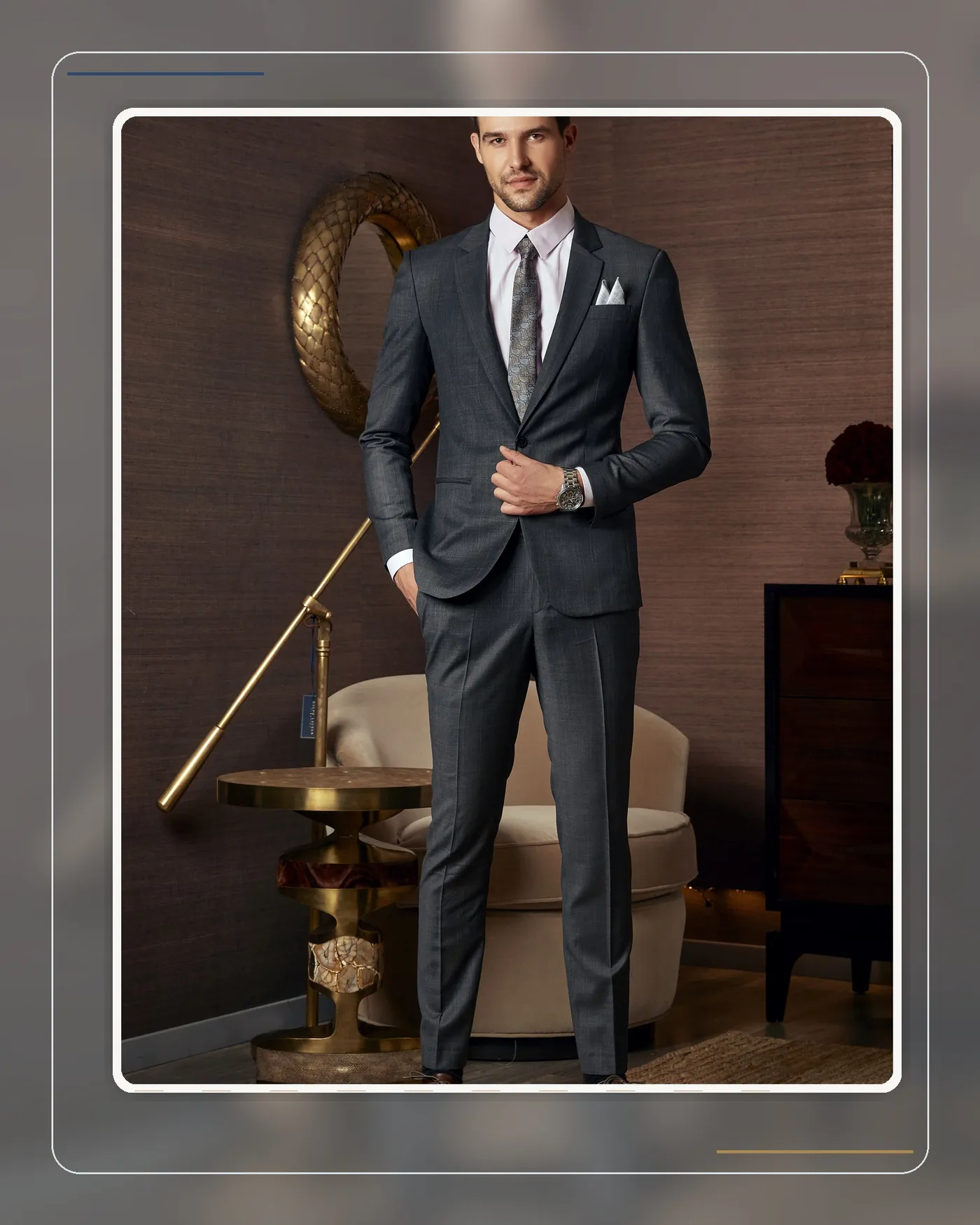
For a major contract signing, the safest and strongest formula is: a plain navy or charcoal suit, white shirt, muted tie (burgundy, navy with small dots, or grey), and polished black oxford shoes. Dress at the very top of your business-formal scale — this is a ceremony, not a routine meeting. Favor pieces you have already worn and trust, with a fit that holds up in the standing handshake and the seated signing, because there will always be photographs.
Why a signing calls for maximum formality
Signing a contract is a public commitment between two parties. Impeccable dress sends the message: we take this agreement seriously. Unlike an exploratory meeting where you can dress softly, a signing is ceremonial — and ceremony has its own language:
- A plain dark suit — navy or charcoal. Bold checks or light colors dilute the gravity and add visual noise to group photos.
- A white shirt — not the everyday light blue. White gives the best contrast on camera and is the color of ceremony.
- A muted, neatly knotted tie — classic burgundy for presence, navy or grey for composure. No playful patterns, without exception.
Preparing for the handshake frame
The most photographed moments are the standing handshake and the seated signature. Each tests the suit in its own way:
- Standing handshake: button the jacket (top button on a two-button jacket), with 1–1.5 cm of shirt cuff showing below the jacket sleeve — a detail that visibly elevates the handshake shot.
- Seated signing: unbutton the jacket before sitting so the body does not pull and crease; the sleeve must not slide down over your wrist as you hold the pen.
- Rehearse at home: shake hands in front of a mirror, sit down in signing posture. A suit that looks perfect standing still may not survive these two positions.
Common mistakes
- Wearing a brand-new suit for the first time — on a day with zero margin for error, the risk of an unsettled fit, pinched shoulders, or fresh creases is high.
- Choosing a loud tie or accessory "for presence" — in the signing photo, the standout should be you, not your tie.
- Failing to align with the other party: if they arrive fully formal and your side skips the tie, the joint photo tilts the balance of status.
- Ignoring close-up details: cameras zoom in on the hand holding the pen — nails, shirt cuff, and watch all enter the frame.
A word from Mon Amie's artisans
Many Mon Amie clients commission suits specifically for major signings, and our artisans' advice never changes: do one full dress rehearsal before the day — shoes and tie included — and take a few test photos. For signing-ceremony jackets, we usually build slightly more structure into the shoulder than usual, because in a side-angle handshake photo, the shoulder line is what defines the entire silhouette.
Frequently asked questions
Is a tie mandatory at a contract signing? It should be worn. A signing sits at the most formal end of business occasions; skipping the tie can read as taking the agreement lightly, especially if the other party wears one.
Can a black suit work for a signing ceremony? Yes, if the ceremony is a formal evening gala. For a daytime office signing, navy or charcoal looks more natural and photographs better.
Which tie color photographs best? Burgundy is the classic choice for signing photos — it stands out just enough against a dark suit and white shirt. For a quieter look, navy with small dots or silver-grey are both safe.
Conclusion
At a contract signing, your outfit performs a ceremonial duty: plain dark suit, white shirt, muted tie, every detail polished down to close-up range. Prepare well once, and you get a handshake photo worthy of the deal — and complete confidence at the moment you put pen to paper.
If you have an important signing ahead, book an appointment and let Mon Amie prepare a suit equal to the occasion — see the tailoring process.