
As a CEO, you cannot dress as anonymously as a staff member — but neither can you dress as flamboyantly as an entertainer. A leader's image must be distinctive enough to be recognized, yet composed enough for shareholders, partners, and employees to trust. Where exactly is that line?
The short answer
A CEO should stand out through one single accent on a classic suit foundation: either a distinctive fabric (flannel, textured hopsack), or a refined tailoring detail (lapel work, functional cuff buttons), or a signature accessory (watch, glasses, pocket square). The base remains navy, charcoal, grey — sharply cut, finely finished. Authority does not come from how loud the outfit is but from consistency: people should recognize "your style" across repeated encounters.
The "one accent" principle
A leader's distinction should live in depth, not surface. Two navy suits can look worlds apart in the things only a trained eye catches:
- Fabric that tells a story. A soft grey flannel in the cool season, a crisp breathable fresco in the heat — anyone who knows cloth reads the caliber instantly, no logo required.
- True tailoring details. Working cuff buttons (surgeon's cuffs), a hand-rolled lapel, hand-set sleeve seams — the marks of bespoke that insiders spot from across the room.
- A signature accessory, not a loud one. Many well-known leaders are associated with one fixed detail: a glasses frame, a tie color, a pocket-square style. Deliberate repetition builds recognition more powerfully than any expensive item.
Adjusting to the stage
A CEO's level of boldness is not fixed — it flexes with the setting:
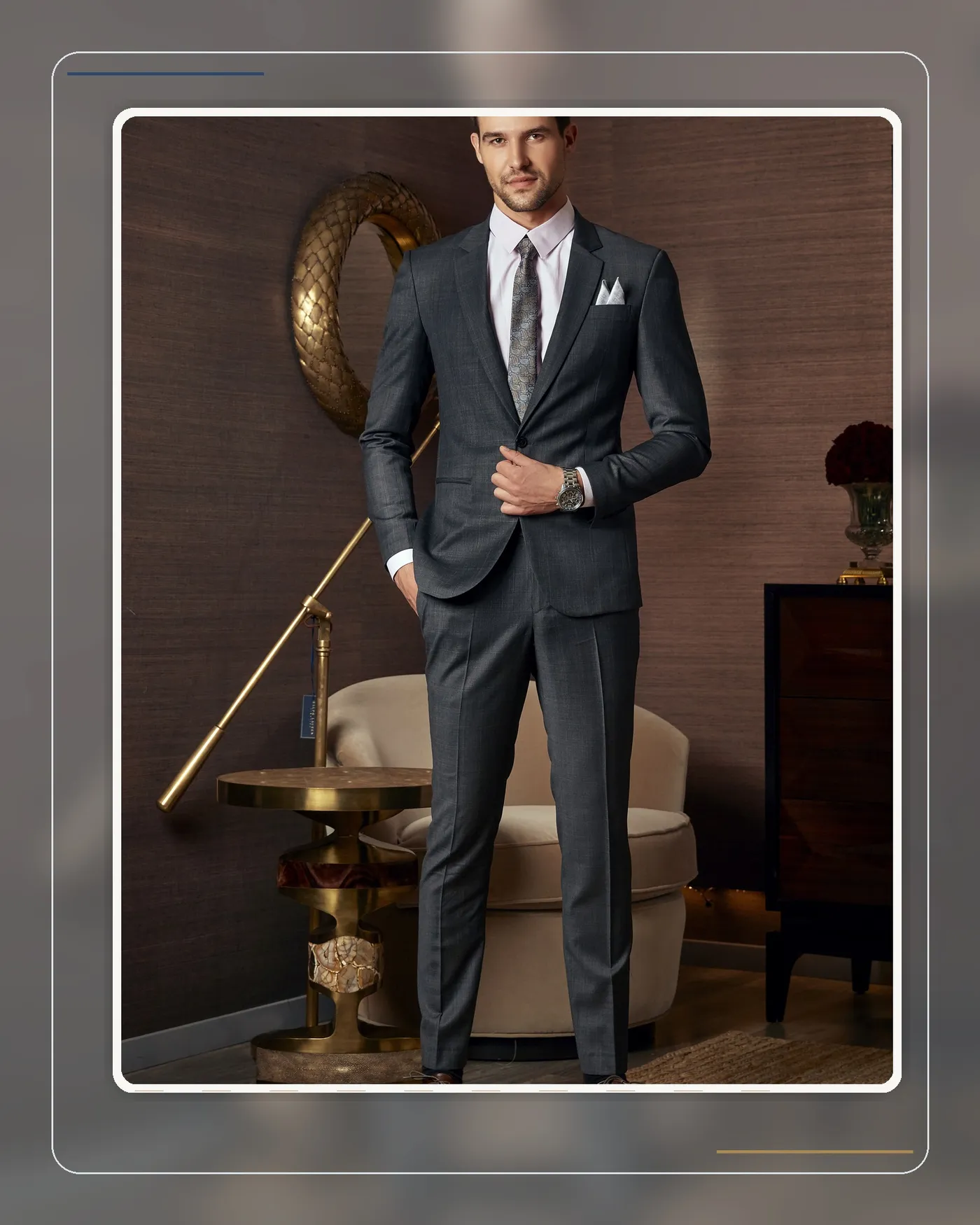
- Shareholder meetings, bank negotiations, contract signings: maximum classicism — plain navy or charcoal, white shirt, muted tie. Here, stability is the message.
- Industry events and keynote stages: one notch up — a textured suit, a brighter blue, no tie. Stage lighting swallows fine detail, so fabric texture earns its keep.
- Internal company settings: do not out-formalize your team to the point of distance; a separate blazer with tailored trousers holds status while staying approachable.
Common mistakes
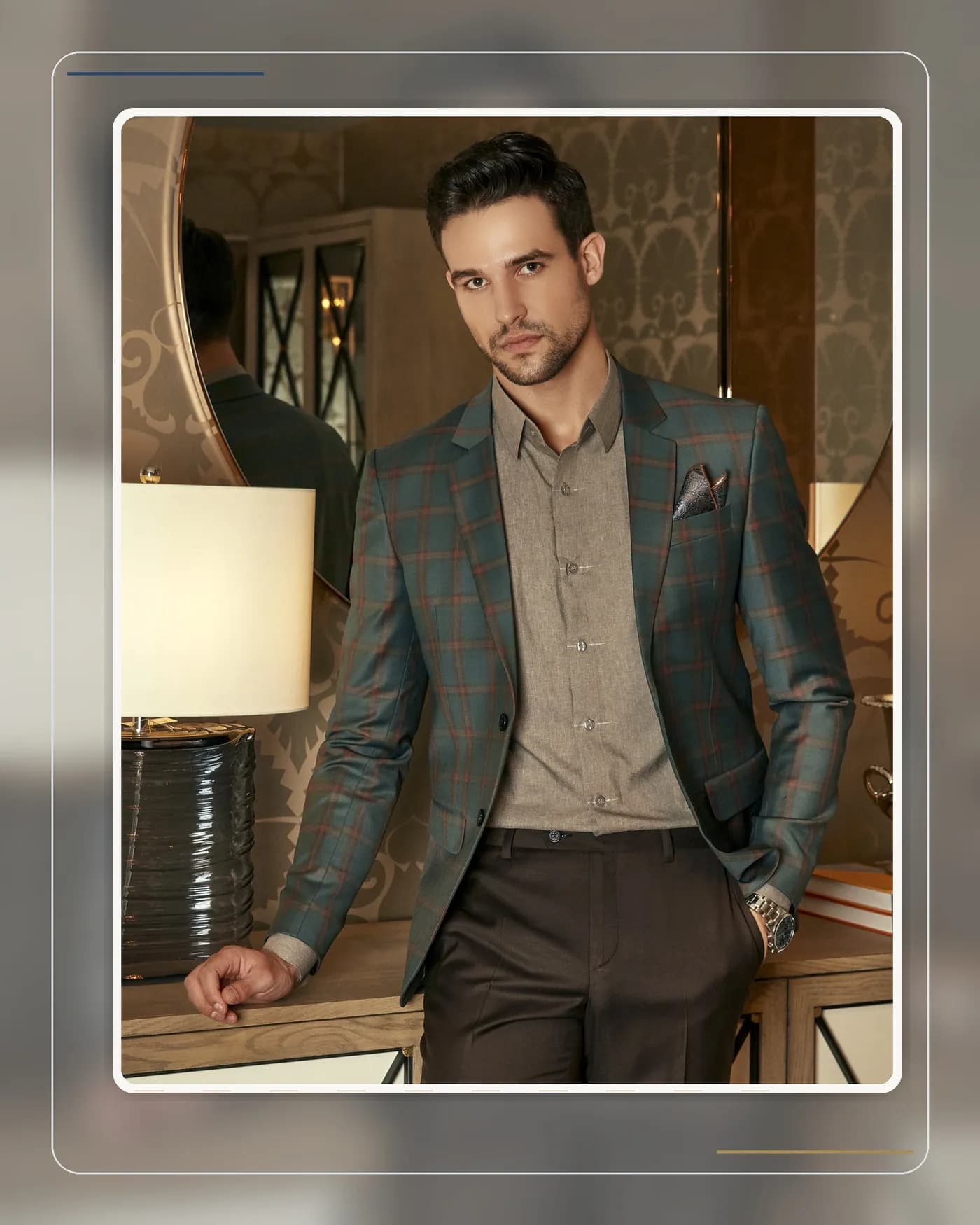
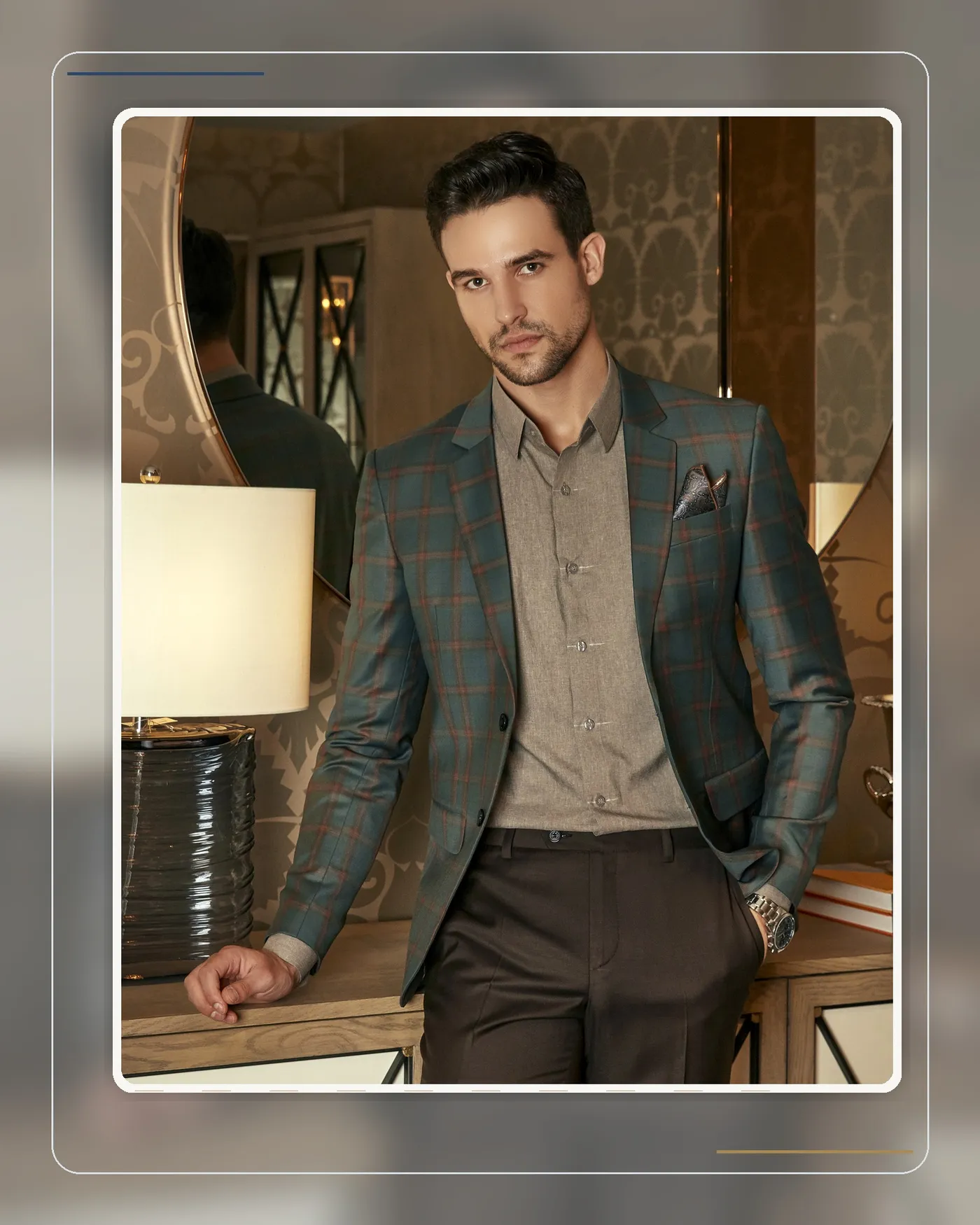
- Standing out on multiple fronts at once: a bold check, a loud tie, a gold watch — the sum reads as showy, not powerful.
- Chasing youthful trends: skin-tight suits and cropped ankle-baring trousers may work on social media but erode credibility in the boardroom.
- The opposite failure — the "too busy for grooming" look: a wrinkled suit and worn heels are read, at CEO level, as a lack of control.
A word from Mon Amie's artisans
Having tailored for many executives in Ho Chi Minh City, Mon Amie's artisans find that the CEOs with the strongest image share one wardrobe formula: three to four impeccably made classic base suits plus a few deliberately repeated signature details. When we cut for leaders, we concentrate the distinction in the finishing — a personally chosen lining, genuine horn buttons, hand-finished lapels — the things that make people sense "something distinctive" without being able to name it. That is the safest kind of boldness for authority.
Frequently asked questions
Can a CEO wear light-colored suits like beige or pale blue? Yes, in the right context: daytime events, outdoor receptions, resort business trips. In decisive meetings, dark tones remain the language of power.
How do you stand apart from your team when the whole company wears suits? Through quality, not color: better cloth, a truer fit, finer finishing. Everyone feels that gap even if no one can name it.
Do expensive accessories increase authority? Not automatically. One refined watch worn consistently builds recognition; several expensive pieces at once signal insecurity. Authority lives in restraint.
Conclusion
A CEO should stand out just enough that people remember his style — and stop short of the point where they talk about his outfit. A classic foundation, one deliberate accent, repeated consistently: that is the formula for distinction with authority.
Book an appointment and let Mon Amie's artisans help build a signature suit wardrobe for your leadership role — learn more about our bespoke service.