
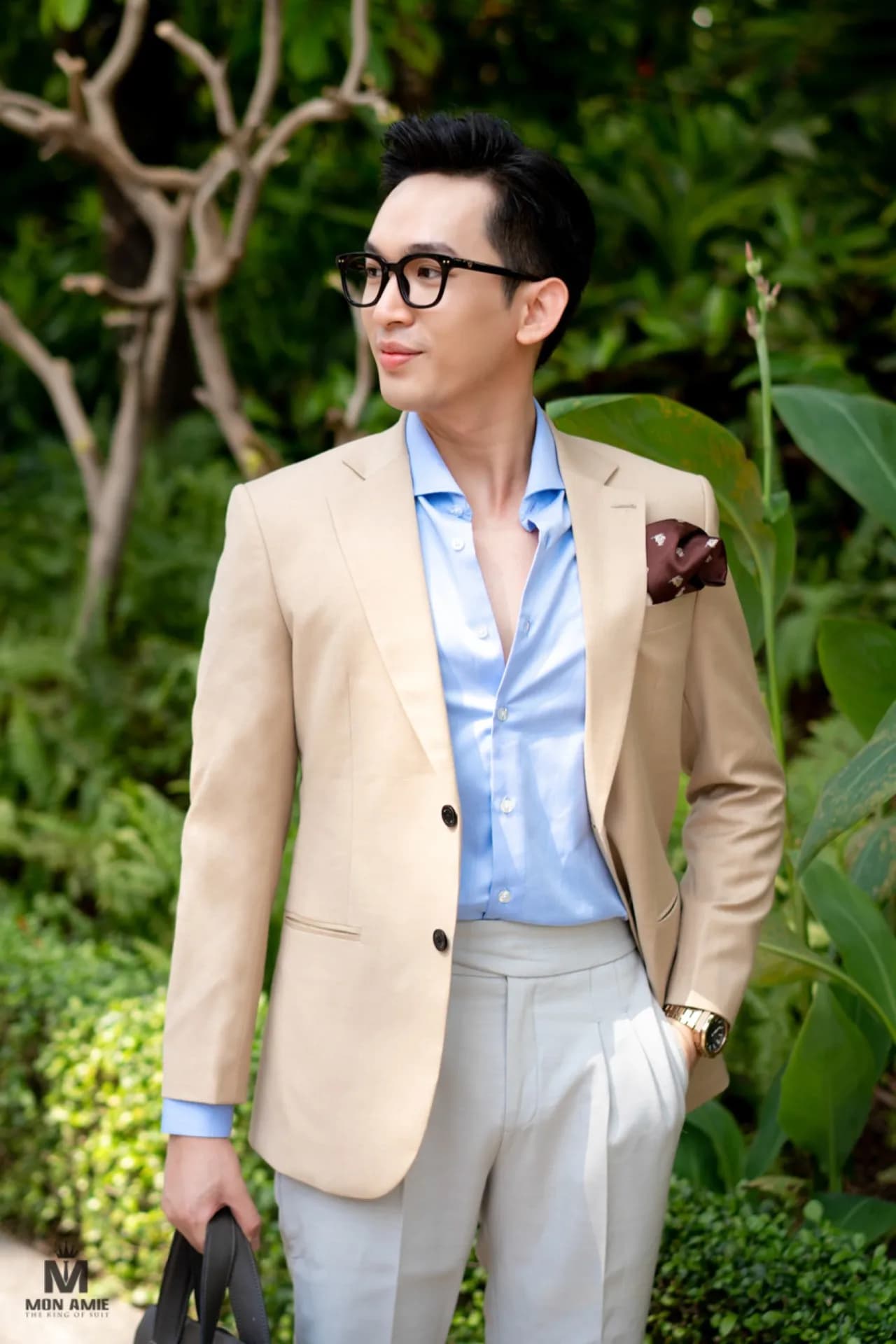
Put on the blazer, button it, then reach out in front of you as if shaking someone's hand. If the back pulls as though it might split, the jacket is too tight. If the shoulder collapses onto the upper arm and the chest balloons like an airbag, it is too loose. The right fit sits between those two feelings, and you can measure it in centimetres.
The short answer
A blazer should fit regular to slightly close. The jacket's shoulder should be about 1–2 cm wider than your own, the chest about 10–12 cm larger than your chest, the waist about 10–14 cm, the upper arm about 4–6 cm. Loose only looks good when the looseness is deliberate and sits in the body of the jacket, while the shoulder still has to match your shoulder.
The ease chart by cut
Ease is the measurement on the jacket minus your body measurement at the same point. These are working figures from the trade, and each workroom counts slightly differently, so read them as a range, not a hard number.
| Area | How it is counted | Snug cut | Regular cut | Deliberately relaxed |
|---|---|---|---|---|
| Shoulder | Jacket shoulder width minus your shoulder width | About 0–1 cm | About 1–2 cm | About 2–3 cm, soft shoulder |
| Chest | Jacket chest minus your chest | About 8–10 cm | About 10–12 cm | About 12–16 cm |
| Waist | Jacket circumference at the button minus your waist | About 8–10 cm | About 10–14 cm | About 14–18 cm |
| Upper arm | Sleeve circumference minus your upper arm | About 4 cm | About 4–6 cm | About 6–8 cm |
| Seat | Jacket circumference at the seat minus your seat | About 4–6 cm | About 6–8 cm | About 8 cm or more |
How to read the chart
- The shoulder barely changes between the three cuts. A relaxed jacket still ends at the tip of your shoulder, and is only allowed to extend a little further when the shoulder is made soft, without thick padding.
- Chest and waist are where the difference is made. On the same person, a snug jacket and a relaxed one differ by about 4–6 cm at the chest, almost all of it in the body.
- The upper arm follows the body. A roomy body with a tight sleeve looks as if you borrowed the sleeves from another jacket.
- A thick layer underneath adds to it. If you often wear a blazer over a knit polo or a thin sweater in an air-conditioned room, add about 2 cm at the chest and about 1 cm at the upper arm.
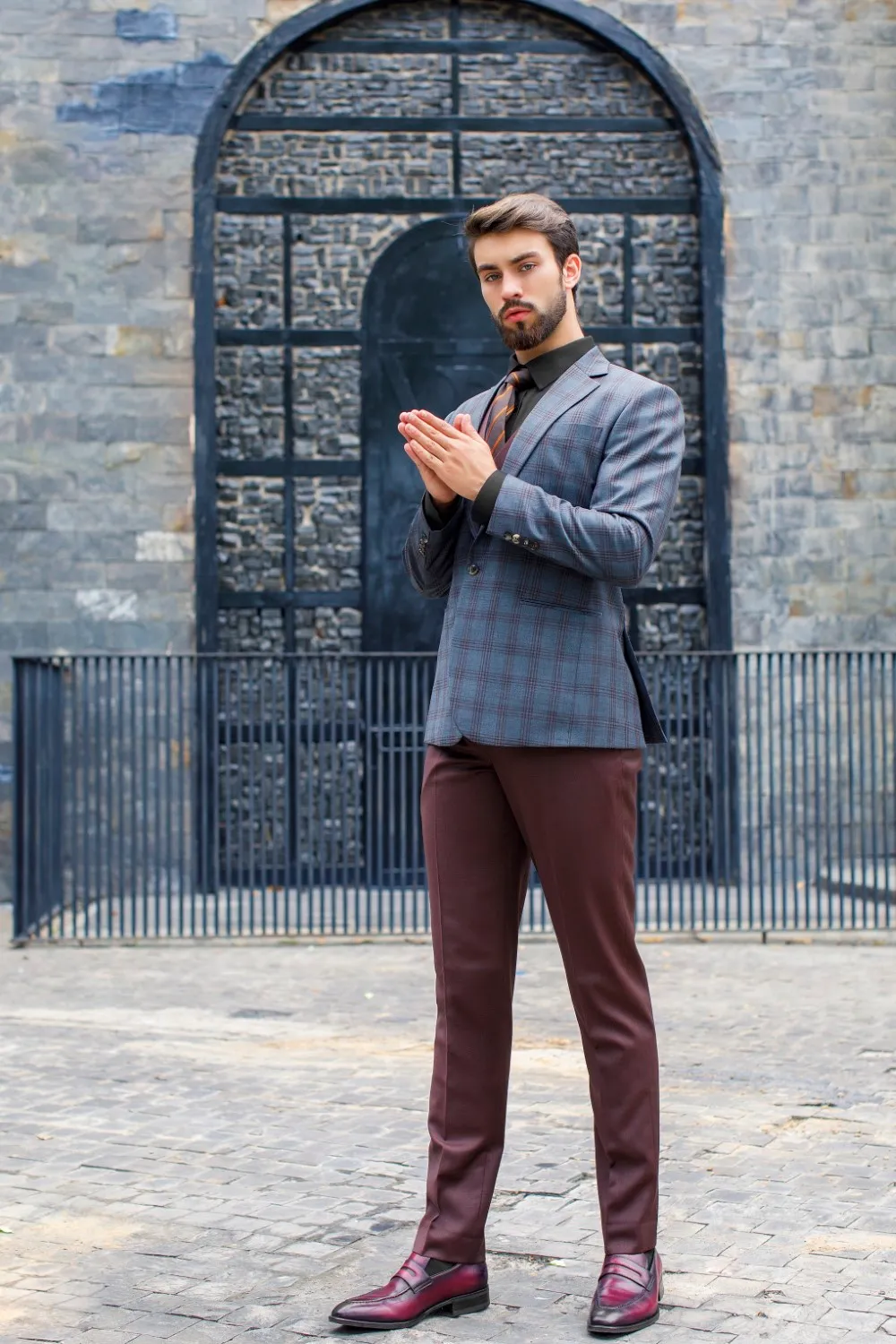
Testing it on: signs of tight, right and loose
You can check without a tape measure. Stand in front of a mirror, button up, and look at each area.
| Area | Too tight | Right | Too loose |
|---|---|---|---|
| Shoulder | Cloth pulls across the back, a dent at the sleeve head | The shoulder seam stops at the tip of the shoulder bone, the sleeve hangs straight | The shoulder edge collapses, with ripples at the top of the upper arm |
| Chest | An X-shaped crease around the button, lapels spring open | A flat hand slides in at the button | Lapels ripple, the chest puffs when buttoned |
| Waist | The button strains, the skirts gape below | The jacket follows the waist lightly, with a curve | The body is straight like a box |
| Upper arm | Cloth drags across when you bend your arm, hard to reach | You can pinch a thin layer of cloth | The sleeve billows and swings as you walk |
| Back | A horizontal crease right under the collar | Flat, the cloth drops cleanly | Cloth bunches into vertical folds on both sides |
Two more movement tests: fold your arms across your chest, then raise an arm as if hailing a taxi. A jacket that fits lets you do both without the collar lifting off your neck and without the back straining so much that you worry about the seams.
How a blazer differs from a full suit jacket
Most of the figures above apply to a suit jacket as well. But a blazer has four features that make the fit worth considering separately.
- It is often worn open. If the waist is slightly tight nobody sees it when the jacket is open, but the shoulder and chest show at once. You must still be able to button it comfortably when you stand up to shake hands.
- What goes underneath changes. A thin shirt one day, a knit polo another, a T-shirt on a third. When you are measured, tell your stylist what you usually wear underneath.
- The canvas is softer. Many blazers have less shoulder padding than a full suit jacket, so a slightly off shoulder shows immediately, with no padding to hide it.
- It goes with other trousers. A blazer that is too loose, standing over tapered chinos, looks out of proportion. The cut of the jacket and the cut of the trousers should point the same way: a regular jacket with a slightly tapered trouser, a relaxed jacket with a straight one.
A blazer can be a little shorter than a full suit jacket, but it should still cover all or nearly all of the seat. The sleeve should show about 1 to 1.5 cm of shirt cuff, as in the cover photo of this article. How the shirt underneath should fit is covered in detail in how to wear a shirt with a suit.
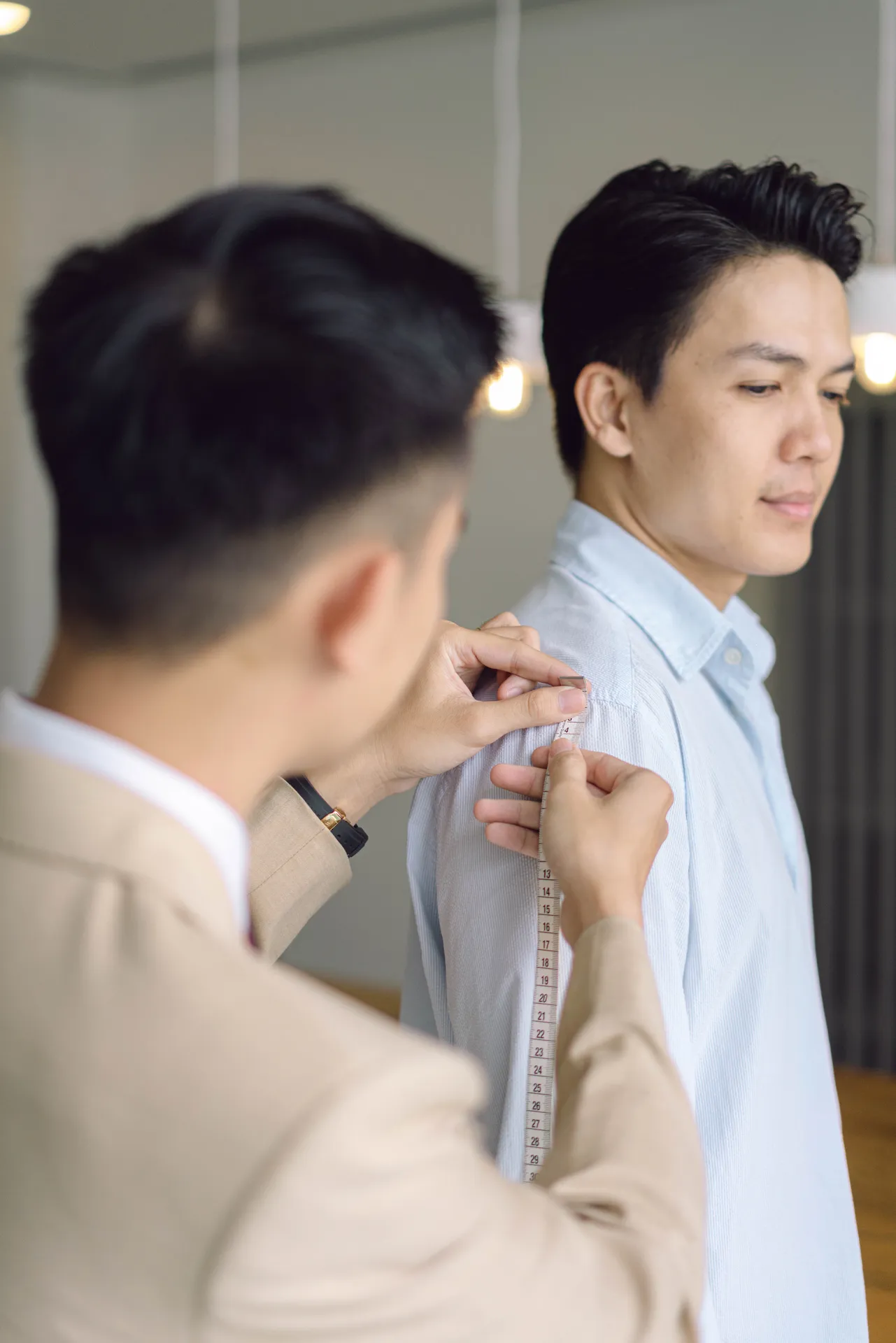
Who suits which cut
The regular cut suits most people: work, meeting clients, parties, long meetings. In Saigon, the air between jacket and body also helps you stay comfortable when you go from an air-conditioned room out into the heat.
The snug cut suits a lean build and good photographs at events or evening parties. It does not suit someone whose stomach is larger than the chest, because the X-shaped crease will show at the button at once. It also does not suit people who drive long distances or reach a lot.
Deliberately relaxed suits tall, slim men who like a casual style, a soft shoulder, wide lapels and linen or cotton cloth. Shorter, heavier men should avoid it, because a loose body adds bulk without adding height.
If you want blazers and full suit jackets compared on this same question, the article should a suit fit loose or snug puts the two cuts side by side.
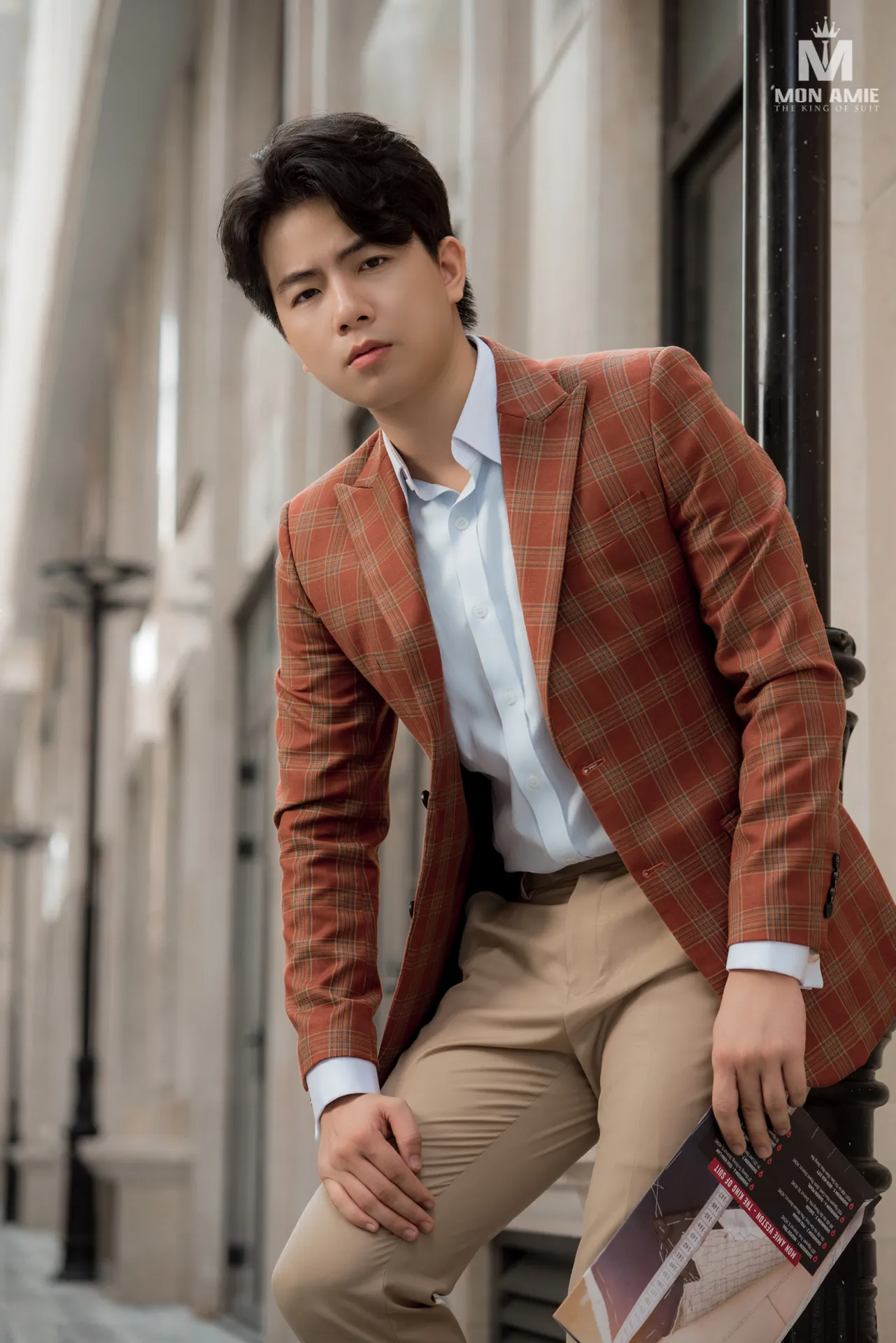
A blazer you already own that is loose or tight: how far it can be altered
- Loose at the waist or body: usually taken in at the side seams and the centre back seam.
- Sleeves too long or too short: usually adjustable, depending on the cuff and the button line.
- Loose upper arm: can be taken in a little, but it rarely looks as good as making it right from the start.
- Shoulder too wide or too narrow: this is the hardest place on a jacket to alter. Small adjustments are possible, but a big mismatch is better solved by making a new one.
- Tight chest: depends on the seam allowance left inside, and many ready-to-wear jackets do not leave enough.
Mon Amie looks over jackets you had made elsewhere at no charge. Bring your blazer to one of the showrooms, and a stylist or tailor will tell you what can be altered and what is not worth altering. Prices for alterations to outside garments are on the price list.
Frequently asked questions
If a buttoned blazer shows an X-shaped crease, is it too tight?
Usually it is tight at the waist or the chest, and sometimes the button is simply in the wrong position. You can ease the stomach a little by moving the button toward the edge of the front, normally by about 1.5 cm at most. A large X crease needs the seams let out, not just the button moved.
Should a thin man wear a loose blazer to look fuller?
Not loose at the shoulder. A thin man in a wide shoulder looks as if he is wearing someone else's jacket. To look fuller, choose a regular cut, a textured or medium-weight cloth, and slightly wider lapels.
Buying a ready-to-wear blazer, which area should fit first?
The shoulder first, then the chest. The waist and sleeve length are much easier to adjust, while if the shoulder and chest are wrong the alteration usually does not come out well.
Does a made-to-measure blazer need several fittings?
A suit usually has one fitting, and for a separate blazer you can ask your stylist about the fitting schedule when you order. The fitting is when you recheck the chart above, especially the shoulder and chest, wearing the kind of shirt or knit you normally wear underneath.
Shoulder first, then loose or snug
The question of whether a blazer should fit loose or snug has a short answer: regular at the shoulder, and in the body it depends on your build and your style. To have the figures in the chart measured on your own body, book an appointment with a stylist at the nearest showroom.