
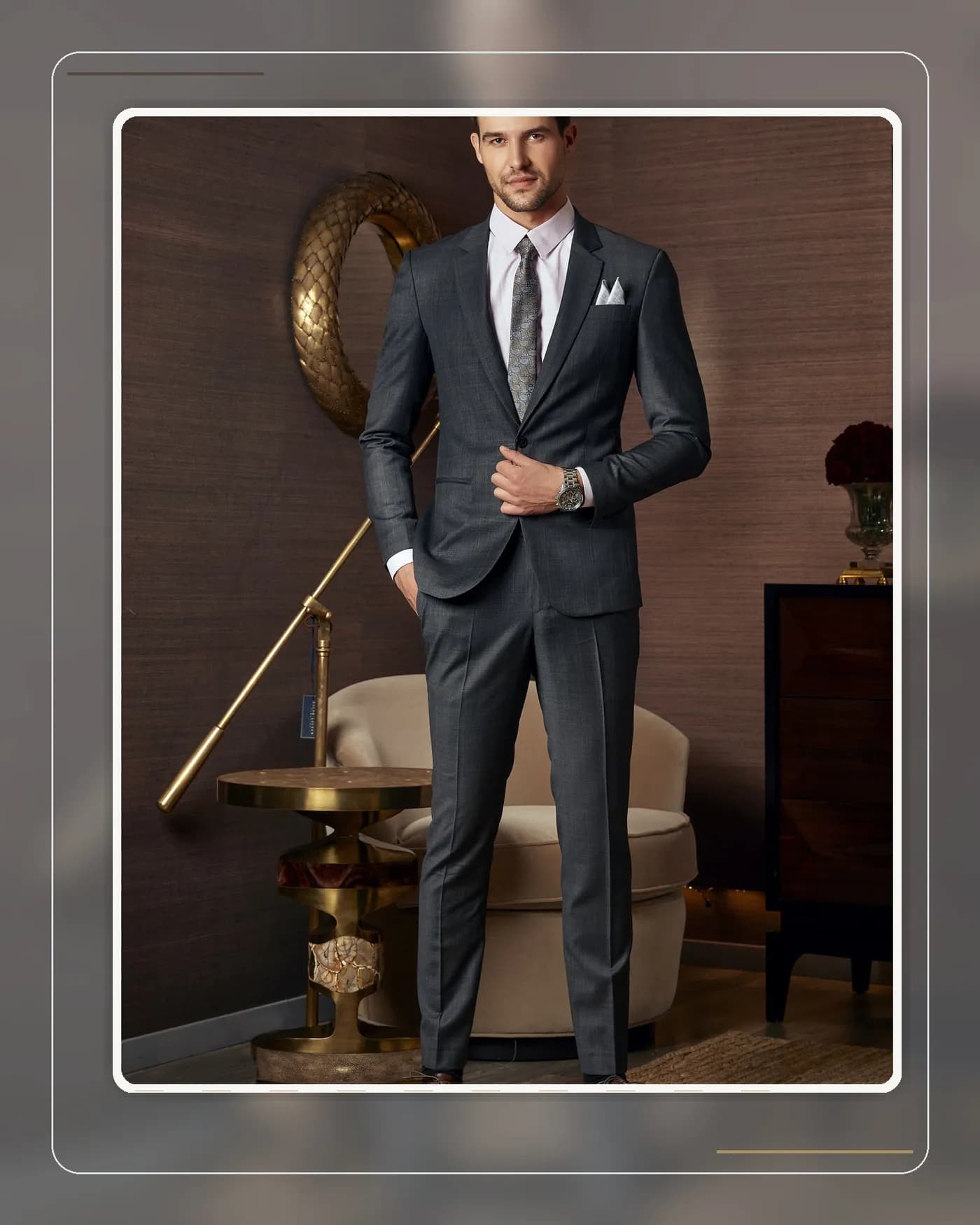
Many gentlemen come to Mon Amie thinking that standing out means adding more — a brighter pocket square, a lapel pin, a patterned tie, a bigger watch. In the tailoring trade, we observe the opposite: the best-dressed men are the ones who know what to leave out.
The short answer
An outfit with too many accents loses elegance because the human eye can only rest in one place. When the tie, pocket square, lapel pin, watch and shoes all compete for attention, the whole becomes noisy, the details cancel each other out, and the wearer looks like he is trying too hard. The safe principle: choose ONE main accent and let everything else recede into the background — the reason the decades-old rule "remove one item before leaving the house" still holds in menswear.
Why "more" becomes "messy"
The elegance of a suit comes from stillness: a clean silhouette, fabric with body, colors in order. Every accent is a visual "sound". One sound in the right place creates character; three or four at once create chaos.
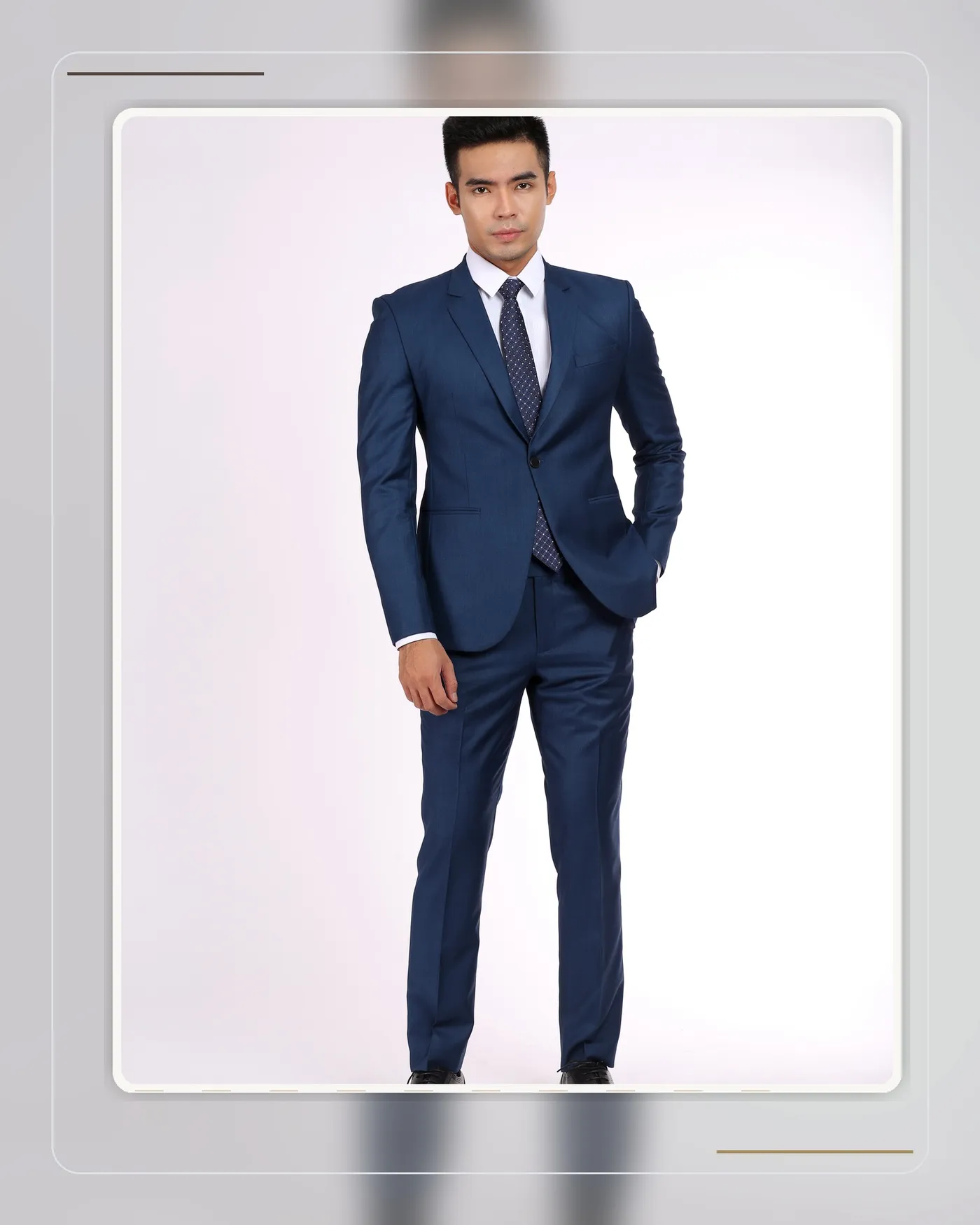
There is a paradox worth remembering: the more details you add, the less each one is worth. A beautiful silk pocket square goes unnoticed next to a bold patterned tie, a glittering lapel pin and stacked bracelets. Place that same pocket square against a plain suit, white shirt and solid tie — and it becomes the focal point of the entire look.
How to choose the right single accent
- Define the role of the occasion first. For a contract negotiation, the accent should be the cloth and the cut — meaning no single "item" stands out at all. For an evening event, you may let one piece speak: a velvet bow tie, a pocket square, or a patterned waistcoat.
- Keep the accent near the face. Tie, pocket square, lapel — that is where people look while talking to you. Accents at the belt or shoes pull the eye downward and break your proportions.
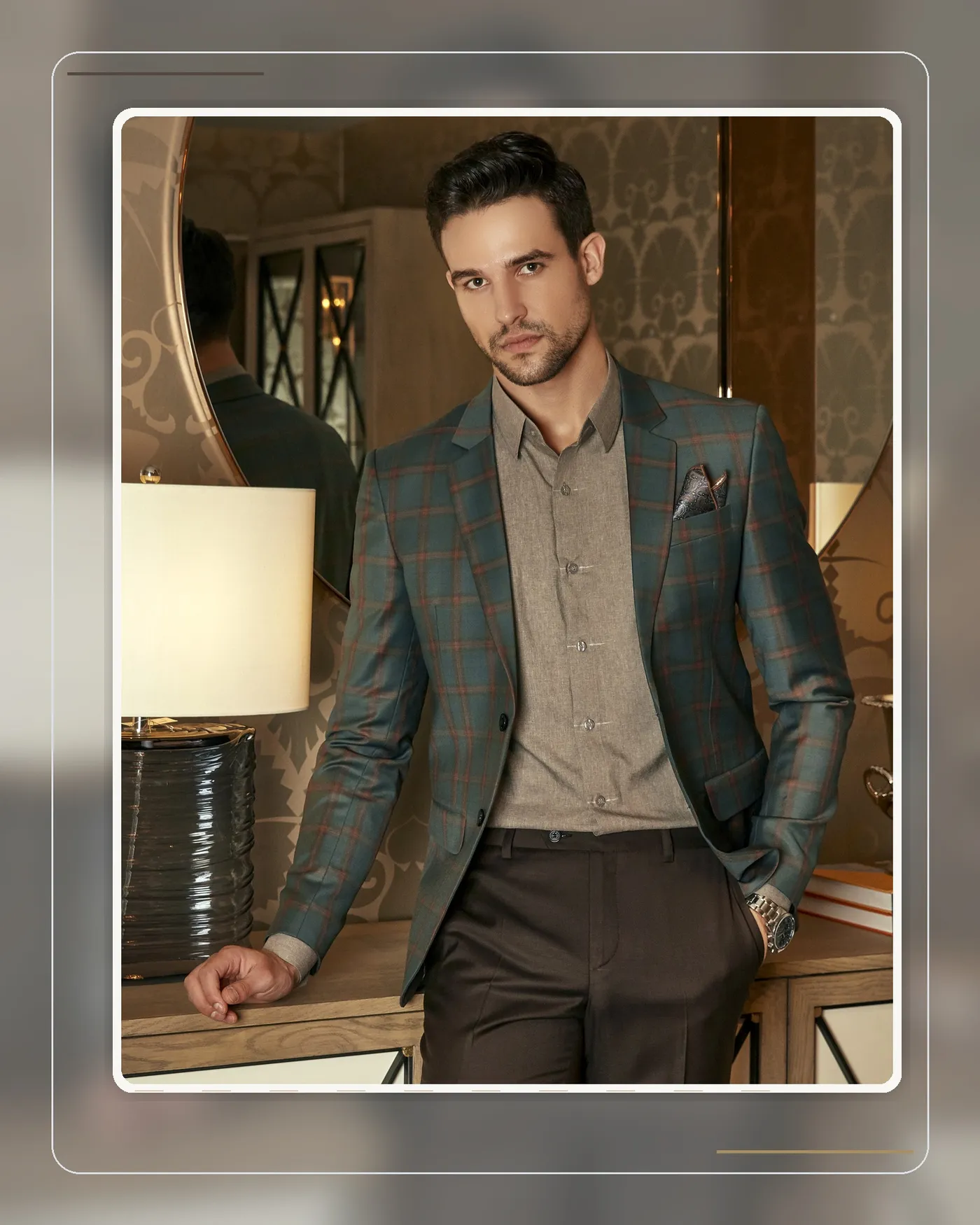
- Everything else must stay "silent". If the tie is patterned, the shirt and pocket square should be plain. If a checked suit is already the accent, every accessory should be strictly minimal.
Common mistakes
- Treating every accessory as a chance to express yourself, ending with "a little of everything" and nothing memorable.
- Copying foreign lookbook photos — studio images tolerate far more detail than real life because lighting and angles are controlled.
- Believing expensive items can be worn in any quantity. Elegance lies in order, not in price.
A word from Mon Amie's artisans
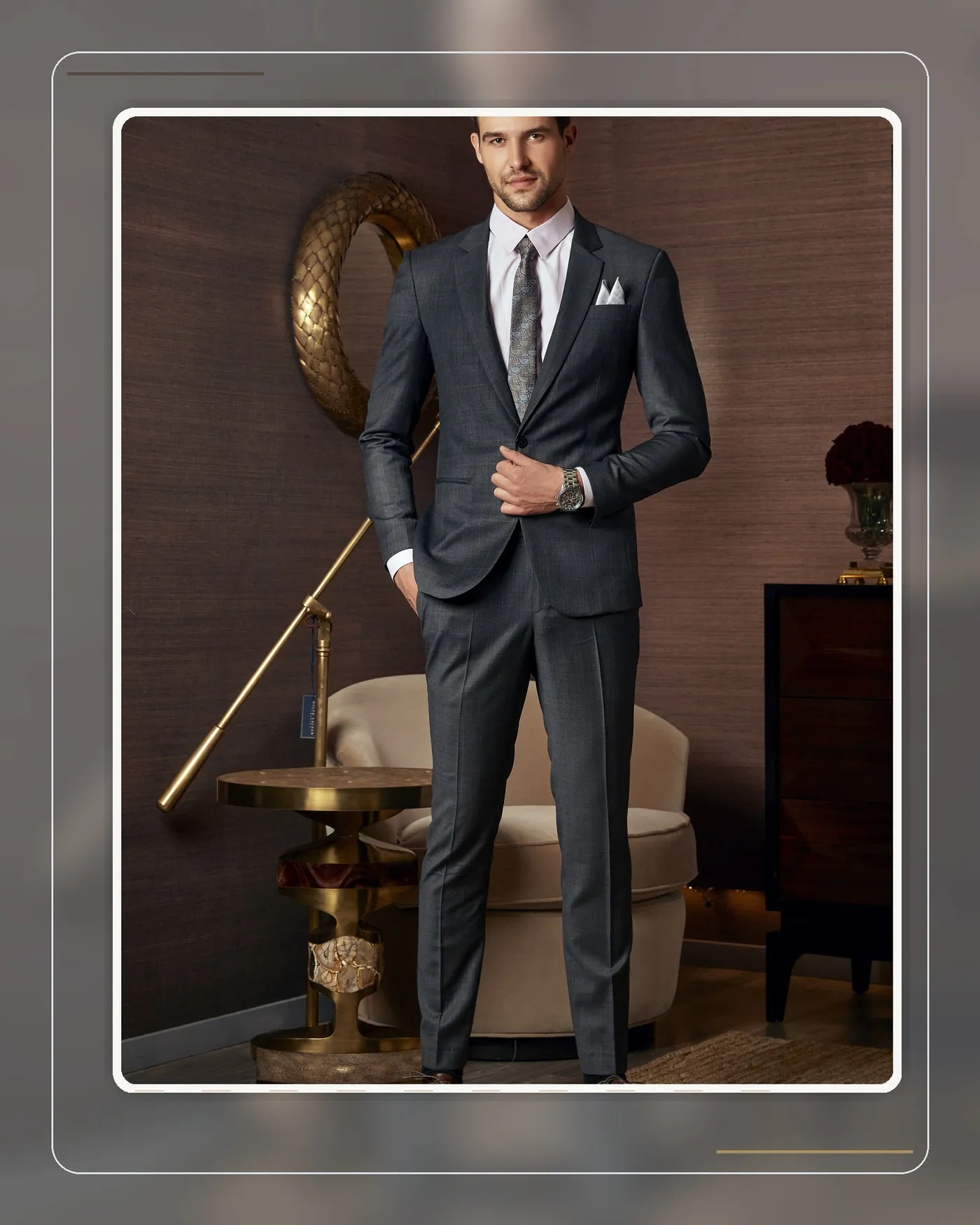
In our fitting rooms we often ask clients to step three meters back from the mirror: at that distance the eye stops seeing individual items and only sees the whole — and whether that whole is calm or cluttered shows immediately. Years of bespoke work have taught us that the suit that earns "you look sharp today" is almost always the one with the fewest details but the most carefully worked shoulders, waist and length. The true accent of a tailored suit is that it fits as if it were born for you.
Frequently asked questions
How many accents should one suit outfit have at most? One main accent is safest; two at most, if they share a tone and sit in different places (e.g. a small-pattern tie with a plain pocket square in the same shade).
Can a patterned suit take bold accessories? Better not. A checked or patterned suit is already the accent — shirt, tie and accessories should stay plain and muted as a backdrop.
Do a watch and rings count as accents? Yes. A large watch or striking jewelry competes for the eye just like a tie; if you wear a special watch, reduce detail elsewhere.
Conclusion
Elegance comes not from adding, but from knowing when to stop. Choose one accent and let cut and cloth say the rest — the most enduring formula Mon Amie believes in. If you would like a suit whose fit itself is the accent, book an appointment with Mon Amie or explore the tailoring process.