
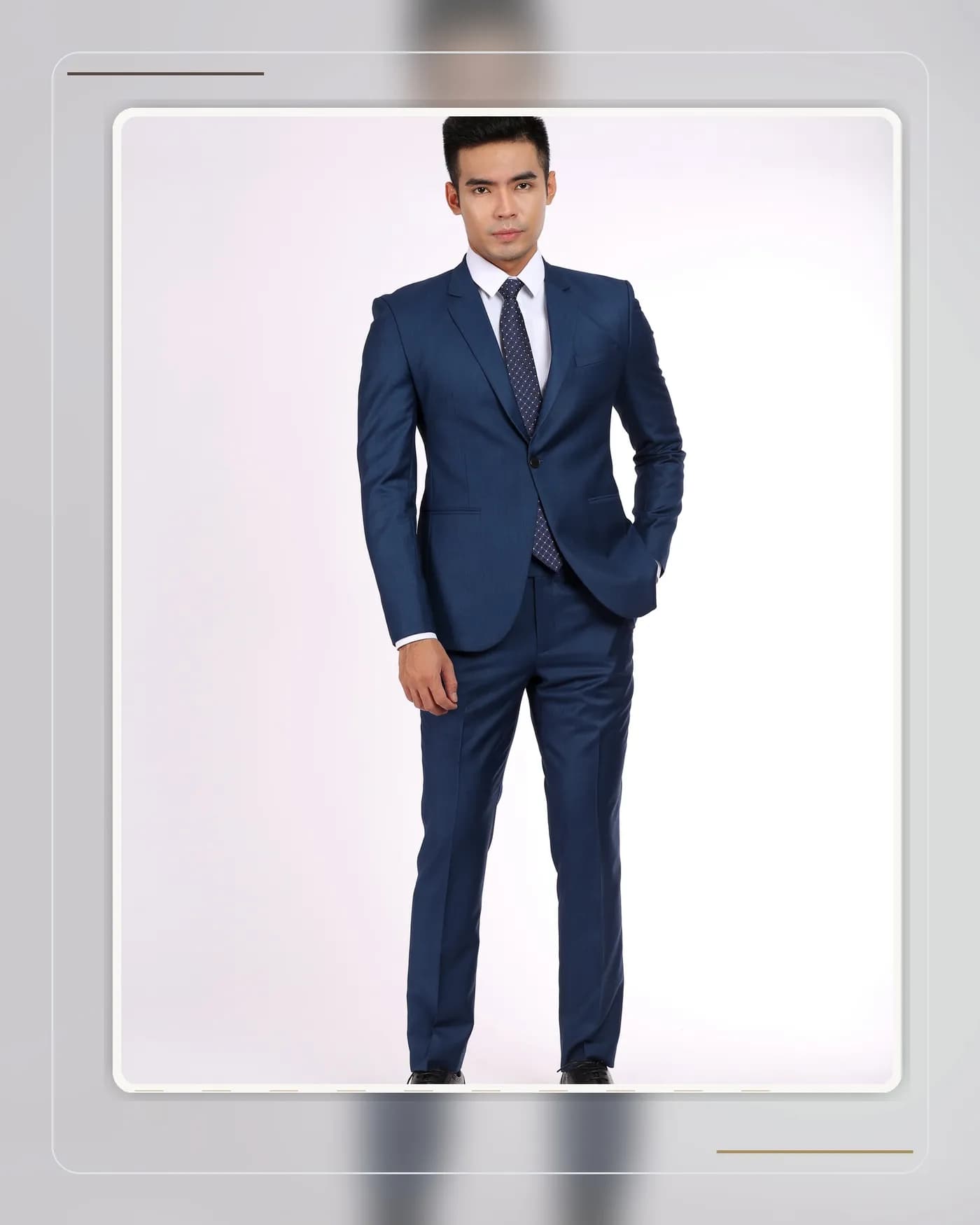
You have probably seen it happen: a suit photographs beautifully, but the moment its wearer sits down at the meeting table, the shoulders bunch, the button strains and the sleeves ride halfway up the wrist. Photos do not lie, but they tell only part of the truth — the stillest part. At Mon Amie, we believe the real test of a suit is not the mirror but movement.
The short answer
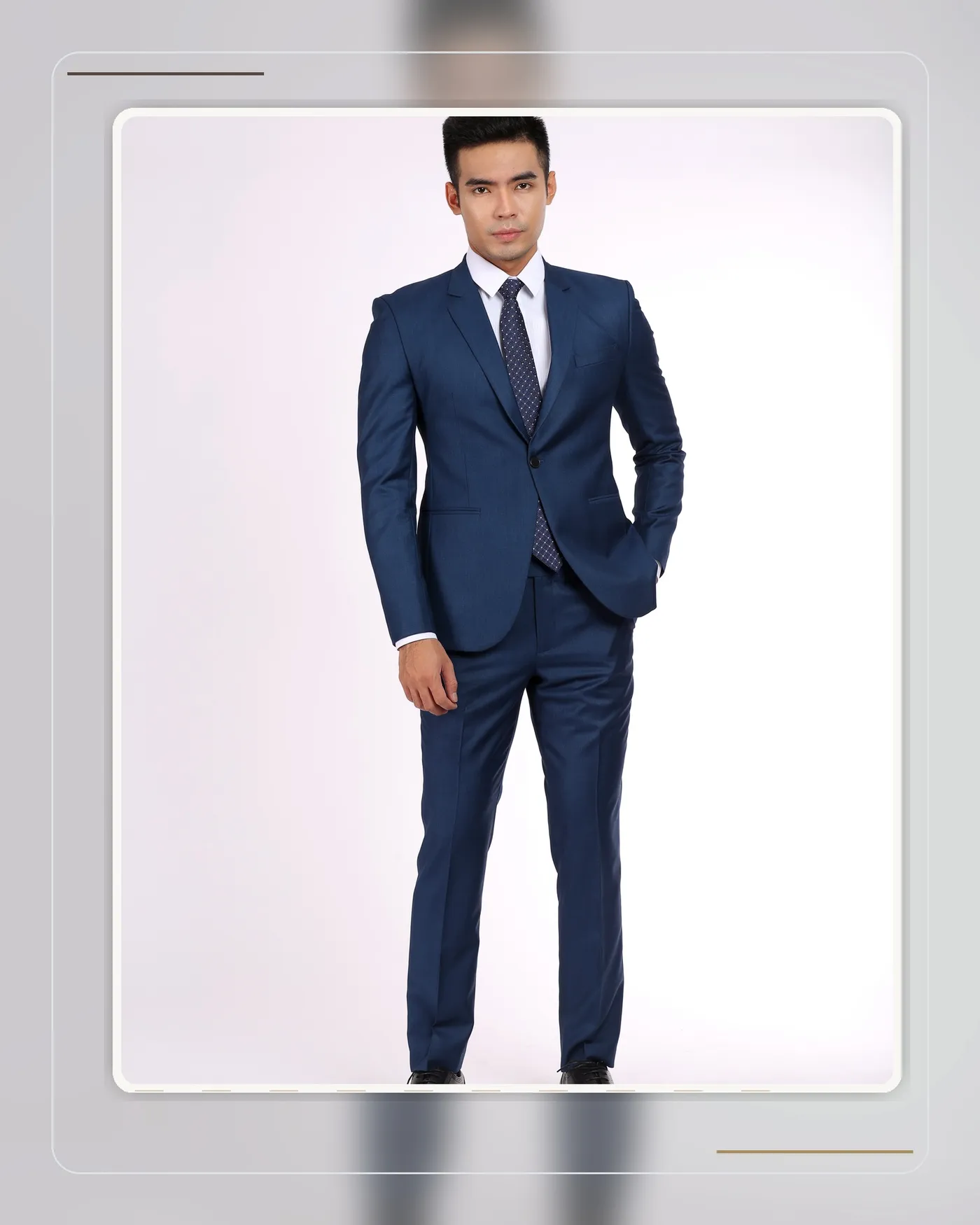
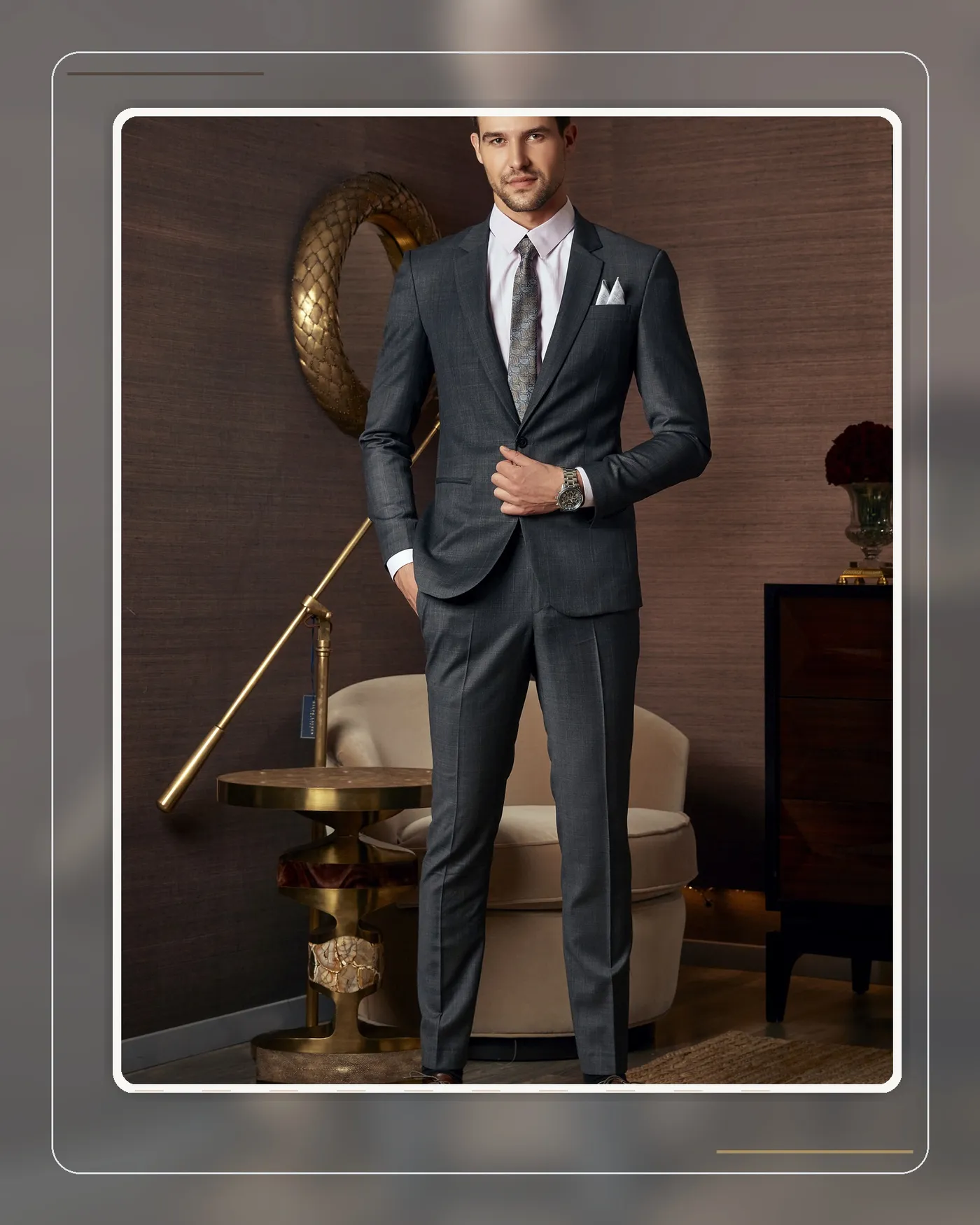
An outfit that looks great in photos may fail in motion because a photo records ONE curated static pose: standing straight, arms down, with the most flattering angle and light. Real life is a sequence of movements — sitting, walking, reaching, shaking hands, leaning — and each one pulls the cloth in a different direction. A suit that only looks good standing still is a suit lacking ease; a truly good suit holds its shape in motion, and that is decided at the cutting stage: the armhole, the shoulder slope, and the allowance across the back and chest.
What a static photo hides
A good photo is the product of a prepared pose: stomach slightly drawn in, shoulders open, hands placed just so, shot at the instant the cloth lies flattest. Three seconds later the body returns to its natural state — and what the photo hid begins to show:
- Sitting down: the jacket strains at the waist, the button pulls into an X, and the collar gaps from the neck if the shoulders are not cut right.
- Raising an arm or reaching: the whole jacket body lifts if the armhole is cut too low — a very common flaw in ready-to-wear suits.
- Walking: trousers cut too tight print against the thighs and break rhythm; trousers too long pool over the shoes.
- Shaking hands, leaning forward: the back pulls tight across, and the lapels bow outward if the chest lacks allowance.
The movement test in the fitting room
When trying on any suit, do not just stand in front of the mirror. Run through five movements: sit down and button the jacket, bring both arms forward as if holding a steering wheel, raise a hand in greeting, shake hands properly, and take a few laps of the room. A suit passes when, after all five, you almost forget you are wearing it — nothing grips, pulls, or needs re-adjusting.
The key lies where few people look: the armhole. A high, trim armhole sounds counterintuitive, yet it lets the arm move freely without dragging the jacket body — because the sleeve's pivot sits close to the body's own pivot. This is one of the biggest differences between a bespoke suit and a mass-produced one.
Common mistakes
- Choosing a size or requesting alterations based only on how the suit looks standing before a mirror, skipping the seated and arms-raised positions.
- Asking for the tightest possible fit "to look like the photo" — trading a few good pictures for a whole day of constriction.
- Judging a suit under fitting-room lights; daylight and movement outdoors reveal every wrinkle and how the cloth truly drapes.
A word from Mon Amie's artisans
At a Mon Amie fitting we never let clients simply stand still: we invite them to sit, shake hands, and raise an arm as if presenting — and the cutter chalks the exact points where the cloth binds. Ease is balanced to the centimeter: enough for all-day comfort, never so much that the silhouette is lost. A well-cut suit photographs beautifully as a consequence — cloth that lies flat in every posture also lies flat for the camera. The reverse is not true.
Frequently asked questions
How do I know if my suit only looks good standing still? Sit down and button it: if the button pulls into an X, the collar gaps from your neck or the shoulders bunch, the suit lacks ease.
Would a looser suit simply move better? Not necessarily — looseness in the wrong places only ruins the line; comfortable movement comes from a correct armhole, shoulder slope and well-placed allowance, not from sizing up.
How does a bespoke suit differ from ready-to-wear in motion? A bespoke suit is cut to your own shoulder pivot, slope and posture, so the jacket body stays put while the arms move; ready-to-wear is cut to average measurements and tends to drag the whole jacket along with the arm.
Conclusion
A photo grades one moment; life grades the whole day. A suit worth investing in is one that holds its shape from the moment you enter the meeting room to the handshake on your way out. Book an appointment to experience a movement-based fitting at Mon Amie, and explore our bespoke service.