
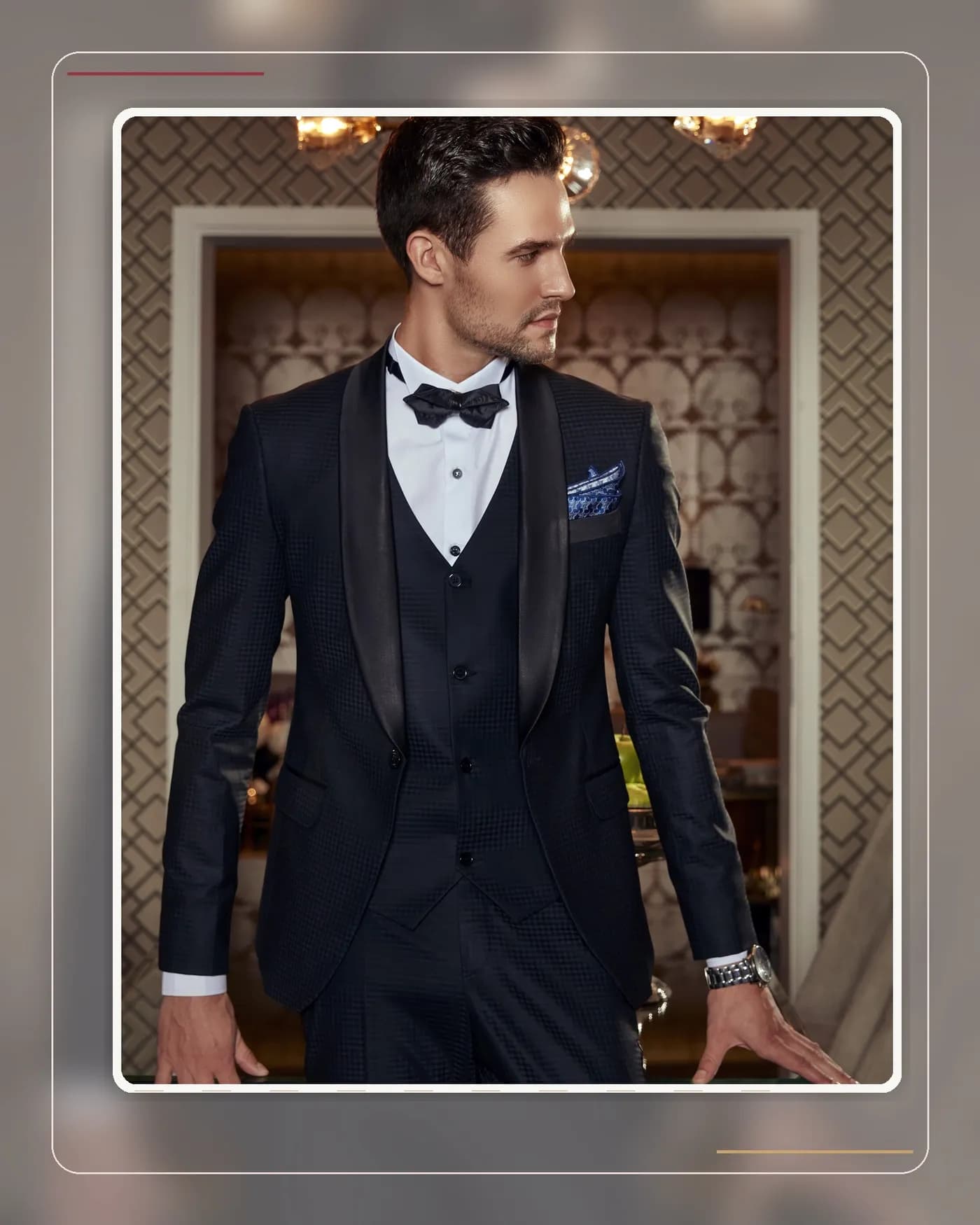
Two-piece or three-piece for wedding photos — this is really a question about the waistcoat: what it is worth in your album, and whether it earns its extra layer in Saigon's climate.
The short answer
In most wedding settings, a three-piece suit photographs better: the waistcoat keeps your midsection sharp through the whole ceremony, hides a shirt that shifts as you move, and — most importantly — when you take the jacket off late in the reception, you still look composed instead of being down to a bare shirt. A two-piece deserves priority only for hot outdoor celebrations or a modern minimalist concept. Order of consideration: setting and temperature first, then build, then budget.
What to weigh up
- Close-ups and half-length shots make up most of a wedding album — and that is where the waistcoat earns its keep: it adds layers, covers a tie knot that has drifted, and keeps the V-line on the chest crisp.
- Real wearing time: Vietnamese weddings often run from morning to night. The waistcoat adds a layer of cloth, but it also lets you shed the jacket without downgrading the look — a major advantage at an air-conditioned indoor reception.
- Build: a waistcoat cut close at the waist makes a slim man look fuller and a fuller man look trimmer — but only when it is properly tailored, long enough to cover the waistband, with no shirt showing when you raise your arms.
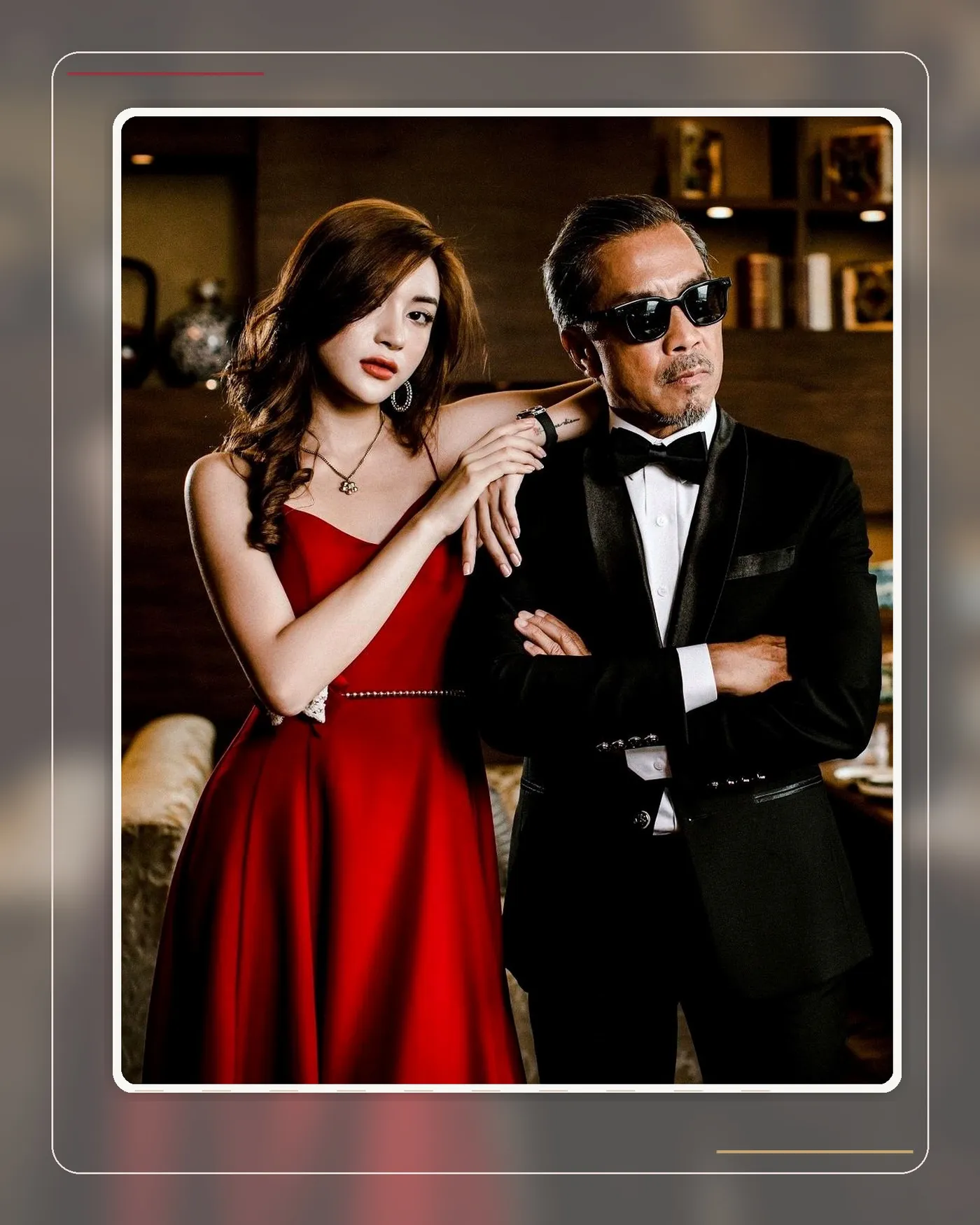
Putting it into a real outfit
When fitting a three-piece, check the three things wedding photos expose most: the waistcoat must cover the waistband even when seated, the bottom button stays undone by tradition, and there should be no horizontal strain lines across the stomach when buttoned. With a two-piece, compensate for the missing layer with detail: a pocket square, a textured woven tie, or side adjusters instead of a belt for a perfectly flat front. One photographer's tip Mon Amie often passes on: candid moments — dancing, toasting, jumping — are exactly when a two-piece betrays a shifting shirt, while a three-piece is almost immune.
Common mistakes
- A waistcoat cut too short or too loose — shirt showing at the waist is the ugliest photo flaw a three-piece can have.
- Choosing a three-piece for a midday outdoor reception "for the elegance", then sweating through both the shape and the mood.
- Wearing a two-piece without planning for the jacket-off moment — a plain shirt alone under banquet lights looks strikingly bare.
A word from Mon Amie's artisans
In the Mon Amie workshop, a wedding waistcoat is always backed in the main suiting cloth rather than lining fabric — because at some point in the reception you will take the jacket off and turn your back to a camera. For Ho Chi Minh City's climate, we build the waistcoat with a lighter construction than the jacket so the three-piece wears comfortably all day. A good waistcoat is not an extra layer of cloth — it is the frame that holds your image from the first photograph to the last.
Frequently asked questions
Isn't a three-piece too hot for a wedding in Vietnam? It adds one layer, but with a lightweight waistcoat and an air-conditioned venue the difference is minor — and in return you can remove the jacket and still look finished.
Should a slim man choose two-piece or three-piece? Usually three-piece: a waistcoat fitted at the waist gives the upper body more presence and structure in photographs.
Can I order a three-piece and wear it as a two-piece later? Absolutely — this is what Mon Amie often recommends: a full three-piece for the wedding, then drop the waistcoat and you have a two-piece business suit.
If you would like to see how each option photographs on your own frame, book an appointment to try both at Mon Amie, and take a look at our pricing for two-piece and three-piece tailoring.