
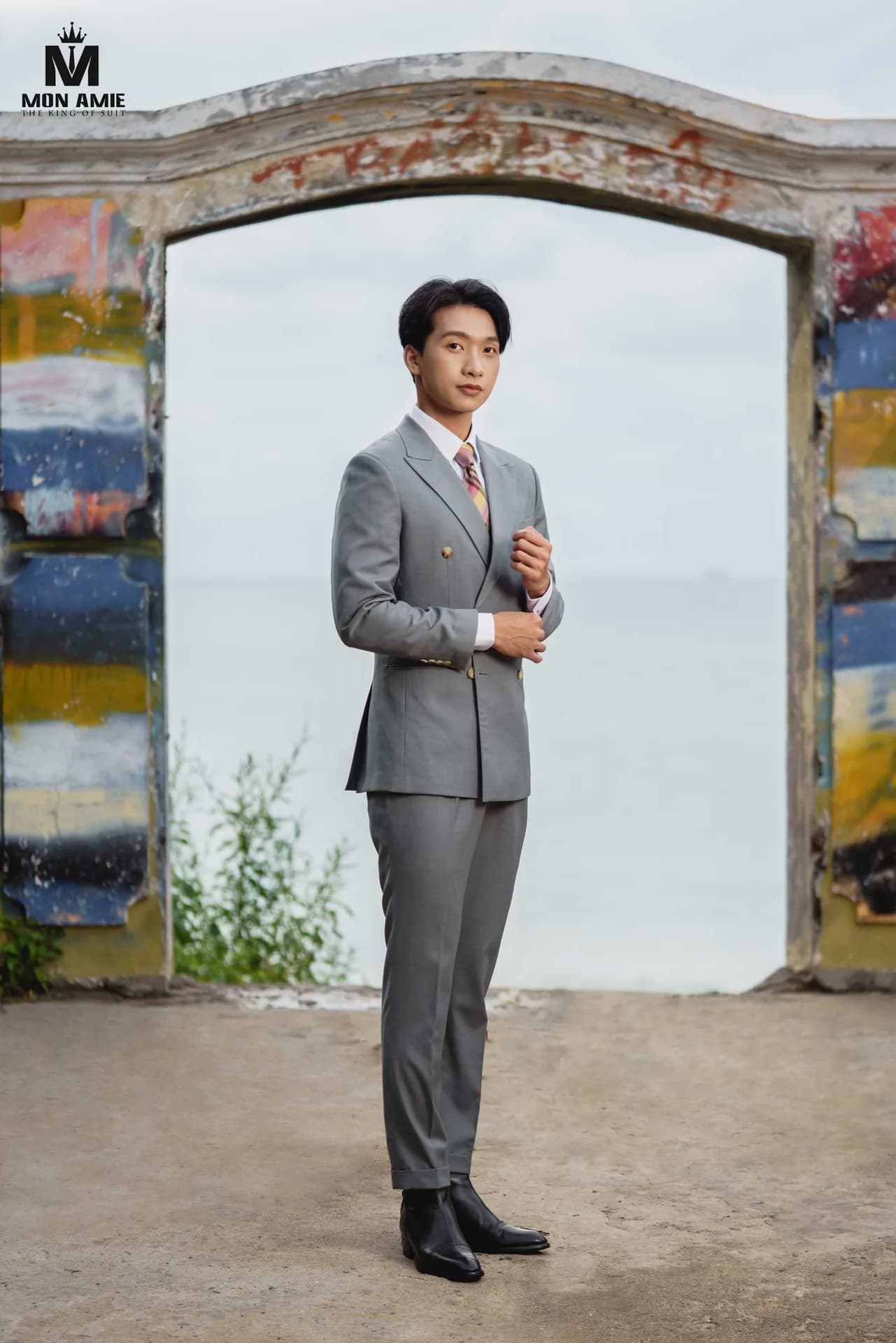
There is a tip master tailors often share with customers who bring in an old suit: if you want the suit to look newly made, do not rush to change the fabric; change the buttons. Shiny plastic buttons that are a little dull and slightly off-tone are what make a good suit look “cheap,” and few people can say why. Replacing suit jacket buttons takes less work and less money than almost any other upgrade, and the visual effect is clear from the very first wear.
Quick answer
Replacing the whole set of buttons is the quickest and cleanest way to upgrade an old suit. Dark brown horn buttons suit navy, grey and brown business suits; metal buttons suit a navy blazer or casual occasions. Choose front buttons larger than the cuff buttons, buy one or two spares, and check whether the cuffs have working buttonholes.
When does replacing the whole set of buttons make a suit look completely different?
Replacing buttons is not necessary for every suit, but there are a few cases where it is well worth doing:
- Shiny plastic buttons, garish colors or buttons that look too “industrial.” Replacing them with horn or textured buttons makes the suit look much more refined.
- Scratched, cracked or peeling buttons. A few damaged buttons make the whole suit look sloppy.
- You want to change the suit's “personality.” A navy suit with gold metal buttons becomes a nautical-style blazer; a grey suit with muted brown horn buttons turns warm and classic.
- Preparing for a special occasion. Change the buttons to match a pocket square, shoes or a concept (a wedding, for example).
- A lost button with no matching replacement. Replacing the whole set is better than sewing on a single button in a different color or size.
If the suit's fabric is worn thin, shiny at the elbows or the cut is ruined, new buttons cannot save it; think about having a new suit made. But if the fabric and cut are still good, replacing the buttons is a very worthwhile choice.
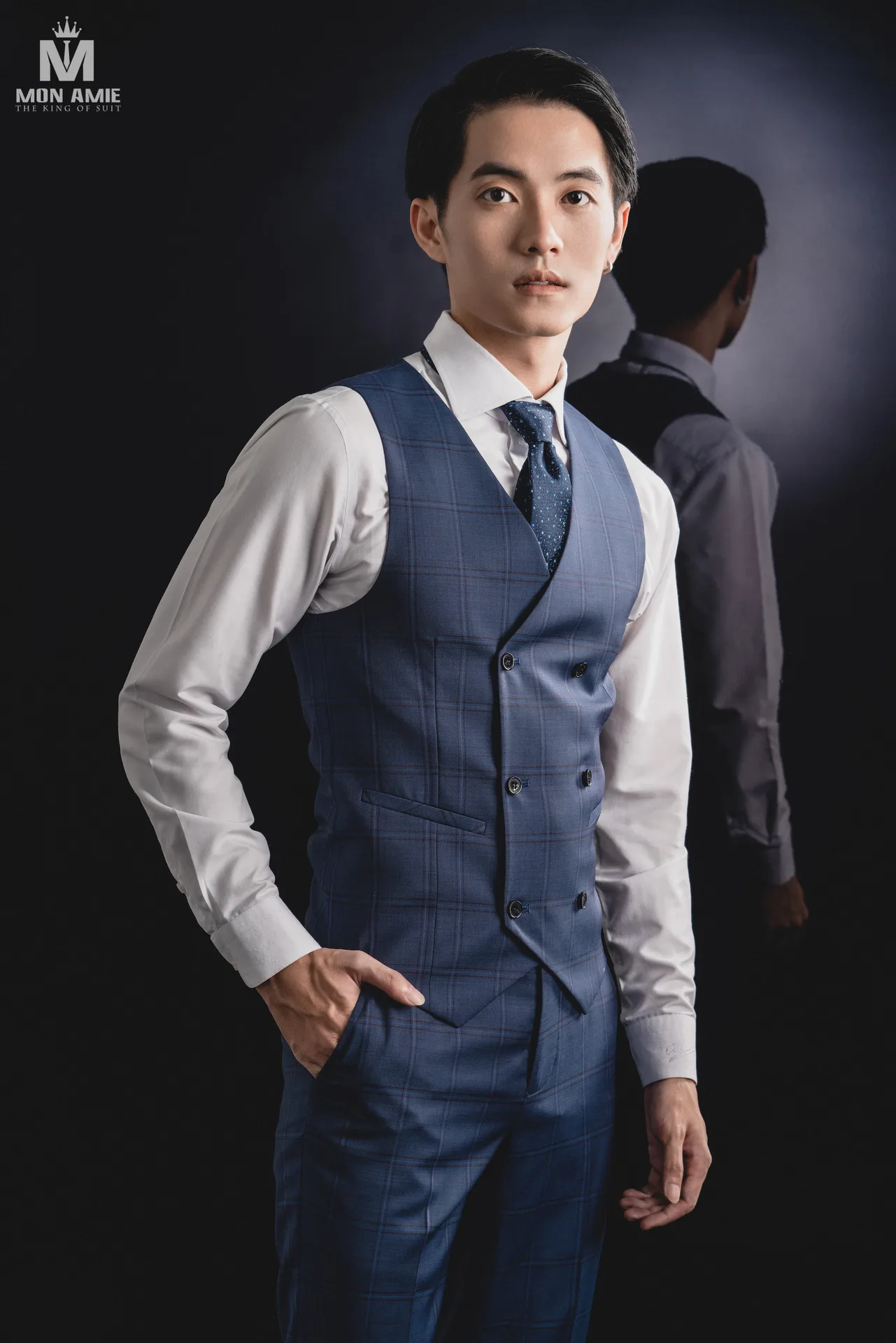
Choosing the button material: horn, metal or fabric-covered?
| Material | Features | Suited to | Notes |
|---|---|---|---|
| Natural horn | Unique grain, each button different, warm to the touch | Business suits, premium suits | More expensive; color may not be uniform between buttons |
| Imitation horn (horn-look polyester) | Grain like horn, uniform, durable | Everyday suits | Choose a natural-grain type and avoid overly glossy ones |
| Corozo buttons (plant seed) | Matte, takes dye easily, light | Suits, casual blazers | Can crack under a hard knock |
| Metal (brass, gold, silver, antique) | Bright, prominent, strongly stylistic | Navy blazers, double-breasted blazers, casual occasions | Can look flashy if too shiny; brass can tarnish over time |
| Fabric-covered | Soft, the same material as the cloth | Tuxedo jackets, evening suits | Gets dirty easily and needs careful care |
For most gentlemen, the button that is “safe yet refined” is horn or imitation horn, in dark brown or black, with a slightly matte surface. Metal buttons are an accent, suited to when you want a blazer with personality. The article Metal and Brass Suit Buttons: When They Work, When They Clash discusses this group in more depth.
Button sizes and quantities by position
A set of suit buttons is not just one size. Front buttons are usually larger than cuff buttons, and if there is a waistcoat, its buttons are smaller still.
| Position | Usual quantity | Reference size |
|---|---|---|
| Front buttons, single-breasted jacket | 1, 2 or 3 buttons | About 20–25 mm |
| Front buttons, double-breasted jacket | 4 or 6 outer buttons, plus an extra inner button | About 20–25 mm |
| Cuff buttons | Usually 3–4 per sleeve | About 15–18 mm |
| Waistcoat buttons | Depends on the style, usually 4–6 | Smaller than or the same size as the cuff buttons |
These measurements are only common reference points, so measure your old buttons to choose new ones in the right size. When buying, always take one or two spares for each size so that a lost button is easy to replace later. You can read more about button sizes in the article What Size Are Suit Jacket Buttons? and about the number of cuff buttons in Why Suit Sleeves Usually Have 4 Buttons.
Matching buttons to suit color
- Navy suit: dark brown horn for a classic look; antique gold or silver metal for a nautical-style blazer.
- Grey suit: brown or black horn both look good; avoid glossy gold, which is too loud.
- Brown or beige suit: brown horn in the same tone or one shade darker; light-colored corozo suits beige.
- Black suit, tuxedo: fabric-covered buttons in the same material as the lapel, or black horn; use metal only when the suit is not for a very formal occasion.
- Patterned blazer: choose buttons in the same tone as the main color of the pattern, not its most prominent color.
A rule of thumb: the button color should harmonize with your shoes and belt, and it should not compete with the fabric for attention.

What to watch for with working cuffs
Many made-to-measure suits have “working” cuff buttonholes (the buttons can be undone and the sleeve rolled up). When replacing buttons on these suits, note the following:
- Keep the existing buttonholes and shanks. The new buttons must fit through the old buttonholes; a button that is too thick or too large will stretch the buttonhole.
- Make the shank high enough. The shank is the stem of thread between the button and the fabric. If it is too low the button is hard to fasten, and if it is too high the button is loose. A skilled tailor sews the shank to the thickness of the cloth.
- Sew firmly but not tightly. Use strong, twisted thread and wrap the shank tightly enough for the button to stand straight.
- Test-fasten. After sewing, fasten the whole set to make sure no button catches.
If you plan to sew them on yourself, read How to Sew Suit Buttons at Home: Secure, with a Proper Shank. And if the suit has many details such as working cuffs, ask a tailor who knows suits rather than an ordinary clothing-repair shop.
A clean process for replacing suit jacket buttons
- Study the old buttons: measure the size, look at the shank type and note how many there are in each position.
- Choose the new set in person: take the jacket to a trimmings shop or a tailor to try the buttons against the fabric.
- Remove the old buttons: keep at least one as a reference and a spare.
- Sew on the new buttons: check the shank, the thread direction and how secure they are.
- Press lightly and test: press lightly around the buttons and fasten the whole set to check.
Where to buy suit jacket buttons and what to watch for
You can find them at garment trimmings shops, at tailors who specialize in suits, or at places that sell made-to-measure accessories. A few notes:
- Take the jacket with you and choose in person. The color of a button in a photo differs from real life, and a button that looks good on its own is not necessarily right for the fabric.
- Buy the full set from the same lot. Buttons from different lots can differ slightly in color.
- Ask clearly about material and durability. Very cheap buttons are usually plastic-shiny and easily scratched or cracked.
- Buy one or two extra of each size. That way you do not have to hunt for the same style later.
If you are having a new suit made and want to choose buttons from the start, Mon Amie's bespoke tailoring journey includes a one-to-one consultation with a stylist and a master tailor to choose the details of your own suit.
Common mistakes when replacing buttons
- Buttons that are too large or too small. Large buttons overpower the fabric and small ones look weak.
- Shiny metal buttons on a serious business suit. It easily looks flashy.
- Front and cuff buttons in different styles. The whole set should share the same material family and color.
- A shank sewn too tight or too loose. The button is hard to fasten or falls off quickly.
- Forgetting spare buttons. By the next time you lose one, it is very hard to find the exact style.
Tips from Mon Amie's master tailors
A master tailor usually “tests” a button by placing it on the jacket, stepping back and looking. If the button is what makes your eye stop first, it is too prominent. A good button is one that makes the jacket look more refined without anyone being able to say why. For a business suit, choose buttons in the same tone as the fabric or one shade darker; for a casual blazer, then try metal or a contrasting color.
Frequently asked questions
Where can I buy suit jacket buttons?
You can buy them at garment trimmings shops, at tailors who specialize in suits, or at places that sell made-to-measure accessories. Take the jacket with you, try the buttons right on the fabric, and buy one or two extra for each size to use later.
How many buttons are in a set of suit jacket buttons?
It depends on the style. A single-breasted two-button suit usually needs 2 front buttons and 6 to 8 cuff buttons, plus a few spares. A double-breasted jacket needs more front buttons. Count the buttons on the jacket and add extras to be sure you have enough.
What kind of jacket do metal buttons suit?
They suit navy blazers, double-breasted blazers and outfits for occasions more relaxed than the office. The buttons should have a matte or antique finish to avoid looking flashy. For a serious business suit, horn buttons are still the safer choice.
Do brass jacket buttons tarnish?
Brass buttons can oxidize and tarnish over time, especially with exposure to sweat and moisture. Many people like that aged look; if you do not, wipe them gently with a soft cloth after wearing and choose a type with a protective coating.
Closing thoughts
Replacing suit jacket buttons is a quick, clean and effective way to upgrade an old suit when the fabric and cut are still good. Choose a material that suits the color, the right size for each position, watch the working cuffs and do not forget the spares. If you would like to see buttons on your own suit, visit the Mon Amie showroom for advice.