
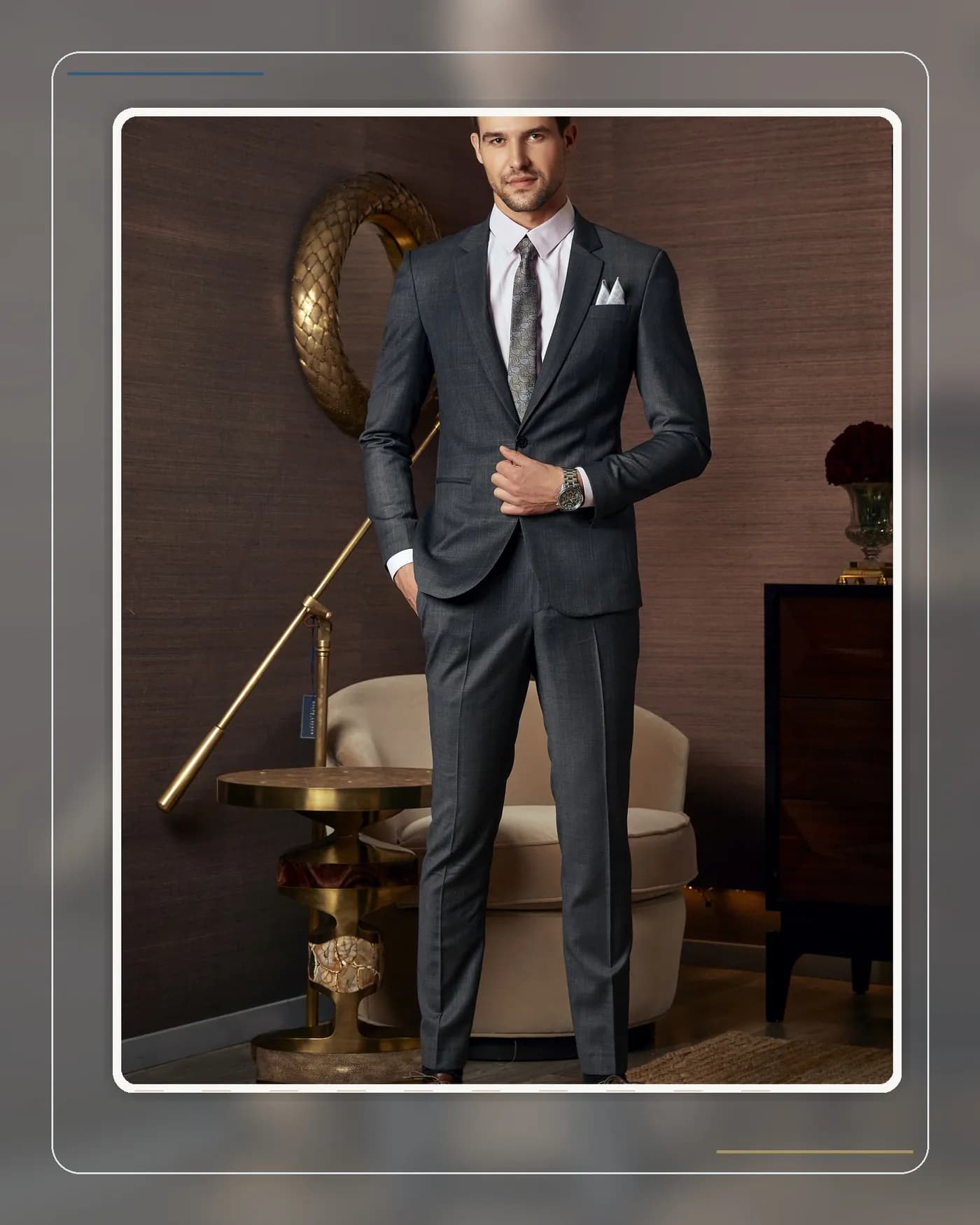
The belt is the smallest accessory on a suit, yet it sits right at eye level when your jacket is buttoned. A color that misses your shoes or a buckle that is too large can undo the polish of even the finest tailoring. Mon Amie would like to share how to choose a belt so this detail stays quietly in its place.
The short answer
The core rule: your belt must match your leather shoes in both color and shine. Black shoes take a black belt; brown shoes take a brown belt of the same shade. Choose plain leather 3–3.5cm wide with a small, slim metal buckle — silver or gold, consistent with your cufflinks and watch. Avoid large logo buckles, overly glossy leather, and wide jeans-style straps — the three fastest ways a belt ruins a suit.
Why a belt so easily throws off the whole suit
A suit is built on a restrained palette: the cloth, the shirt, the tie, the shoes. The belt sits exactly where the upper and lower halves meet, so any mismatch — reddish brown against dark brown shoes, a gold buckle against a silver watch — is caught instantly. The leather must also speak the same language as your shoes: polished calf with polished leather, suede with a matte-finish belt.
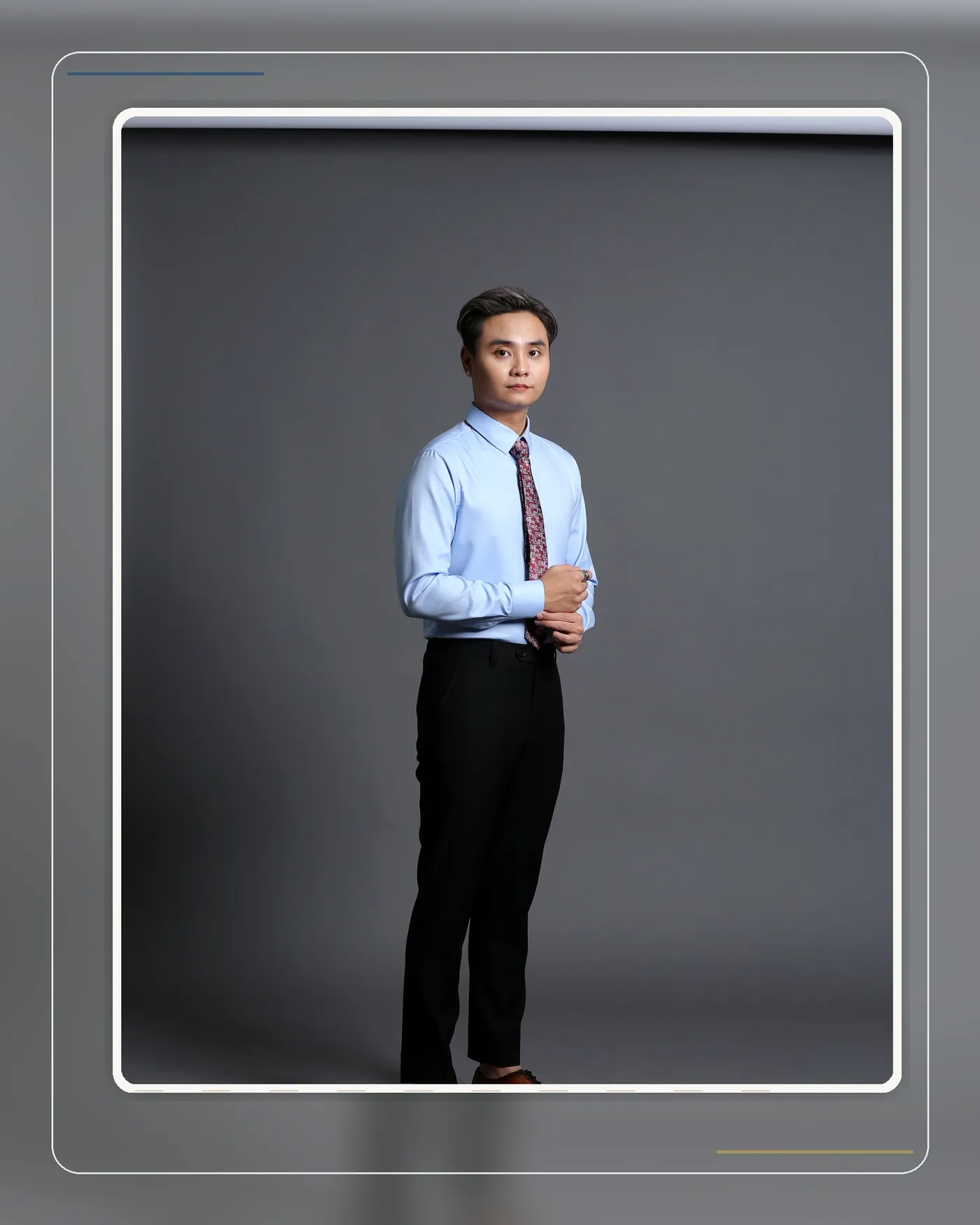
Choosing by occasion and formality
- Office and meetings: plain black or dark brown leather, a matte metal buckle, 3–3.5cm wide.
- Weddings and formal events: lightly polished black with black oxfords; with a tuxedo, the correct answer is no belt at all — tuxedo trousers use side adjusters or braces.
- Smart casual: lighter browns and subtly grained leather are fine, but keep the buckle small.
One detail few notice: if your tailored trousers already fit your waist properly, the belt is purely aesthetic. That is why many Mon Amie clients order trousers with side adjusters and remove this variable entirely.
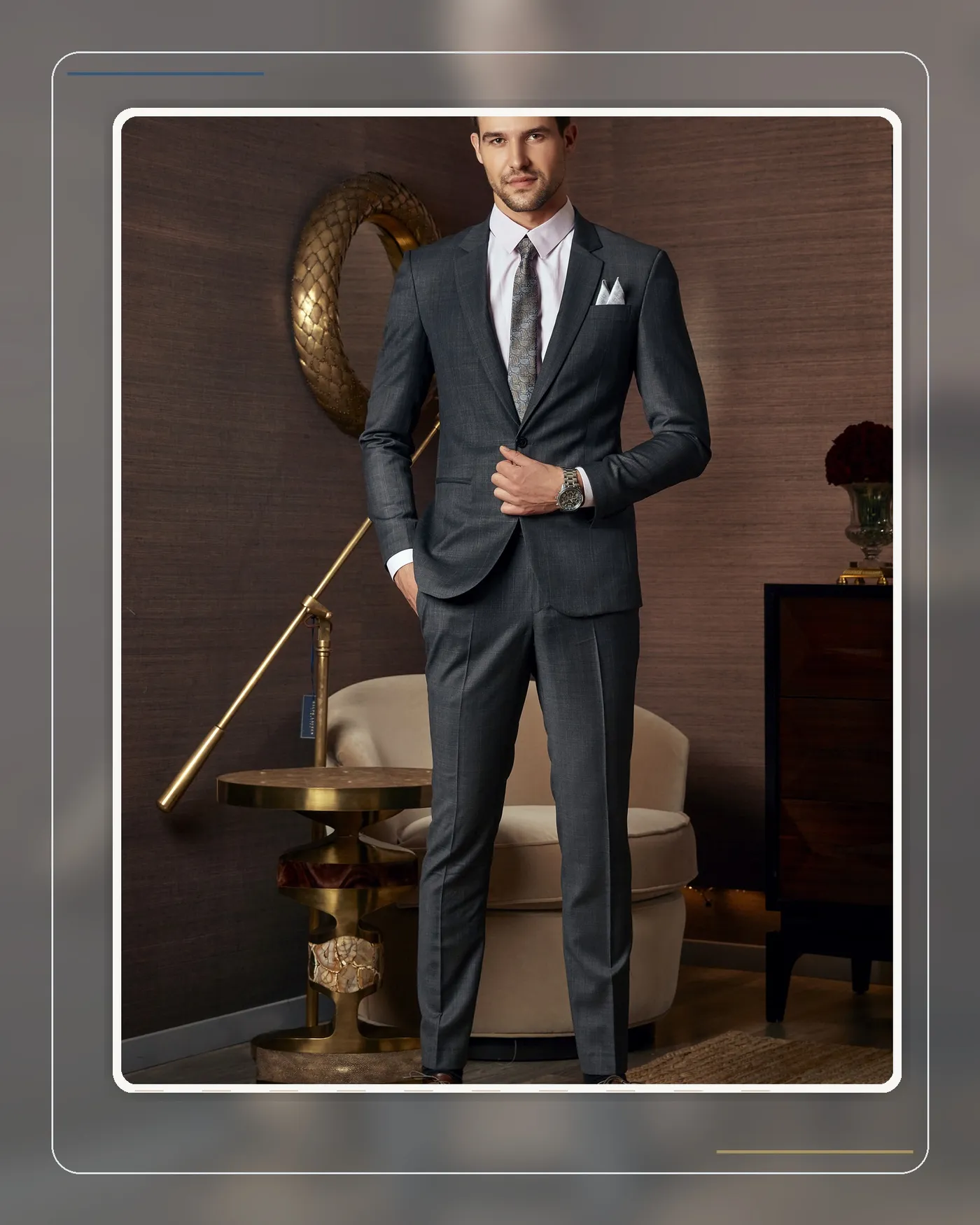
Common mistakes
- A black belt with brown shoes (or the reverse) — the classic mismatch.
- A large, branded buckle that pulls the eye to the wrong place.
- Cracked or frayed leather — one tired detail drags down a brand-new suit.
- A wide casual strap that makes the waistline look heavy under a buttoned jacket.
A word from Mon Amie's artisans
When we complete a suit, Mon Amie's artisans always ask which shoes the client will wear before advising on a belt — the two must be decided as a pair, never separately. For clients whose trousers are cut precisely to the waist, we often suggest side adjusters for a cleaner, more seamless lower half. The craftsman's rule is simple: the best belt is the one nobody notices.
Conclusion
Choosing the right belt takes no great budget — only the right order: match the shoes first, keep the buckle small, and let the leather live up to the suit. When this detail stays silent, the whole look falls into place. If you would like end-to-end advice from cloth to accessories, book an appointment with Mon Amie or explore the tailoring process.
Frequently asked questions
Brown shoes always mean a brown belt? Yes — and ideally the same shade of brown, dark with dark and light with light, for a seamless look.
Does a tuxedo need a belt? No. Proper tuxedo trousers use side adjusters or braces; a belt is never worn.
What belt width is correct for a suit? Around 3–3.5cm. Anything wider belongs to jeans and casual wear and will cost the suit its elegance.