
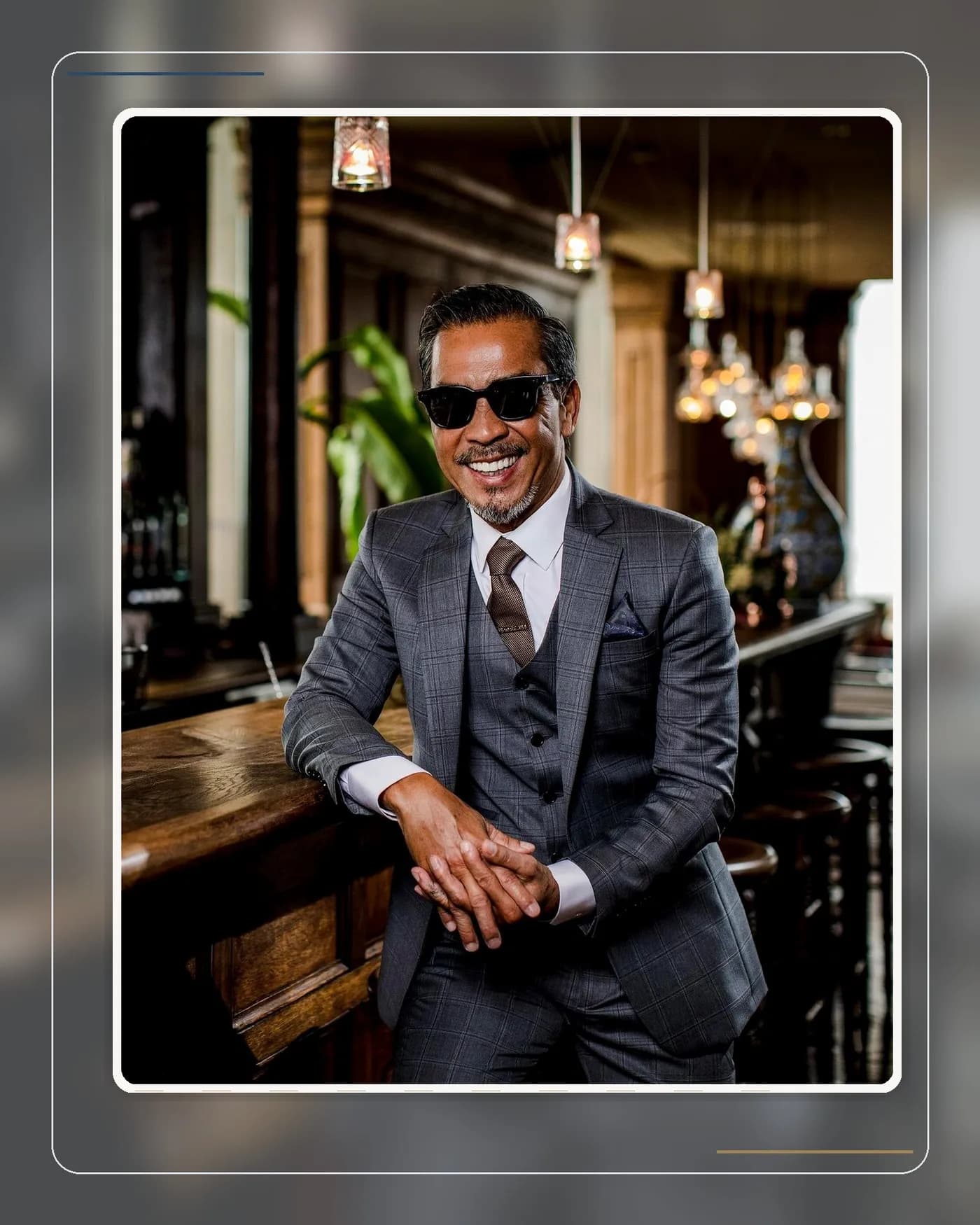
How an engagement suit should differ from a wedding reception suit is a very practical question for grooms-to-be — and for guests of both families. The two events belong to the same wedding journey but differ completely in atmosphere, timing and formality, so wearing the same suit the same way usually misses the mark at one of them.
The short answer
An engagement ceremony is usually daytime, at home or a small restaurant, with an intimate family atmosphere — the suit should be lighter and softer: bright navy, light grey, beige; breathable cloth; tie optional or replaced by a softer pairing. A wedding reception is usually evening, in a grand hall, with many guests and a stage — the suit must be distinctly more formal: dark tones (deep navy, charcoal), full suit, white shirt, a proper tie or bow tie. Same man, two spirits: the engagement warm and close, the reception polished and ceremonial.
The engagement suit: warm and approachable
An engagement is essentially the meeting of two families, in daylight, with many close-up photographs. Therefore:
- Colour: bright navy, lighter blues, light grey, beige — tones that photograph well in natural light and create no distance from the elders of both families.
- Cloth: lightweight wool or a linen blend — essential for a daytime event in a hot climate.
- Styling: the tie can be dropped in favour of a pale pocket square; the groom-to-be should coordinate his tone with the bride's ao dai or dress.
The wedding reception suit: formal and structured
A reception means a stage, warm lighting, hundreds of eyes and hours of moving between tables. The suit needs:
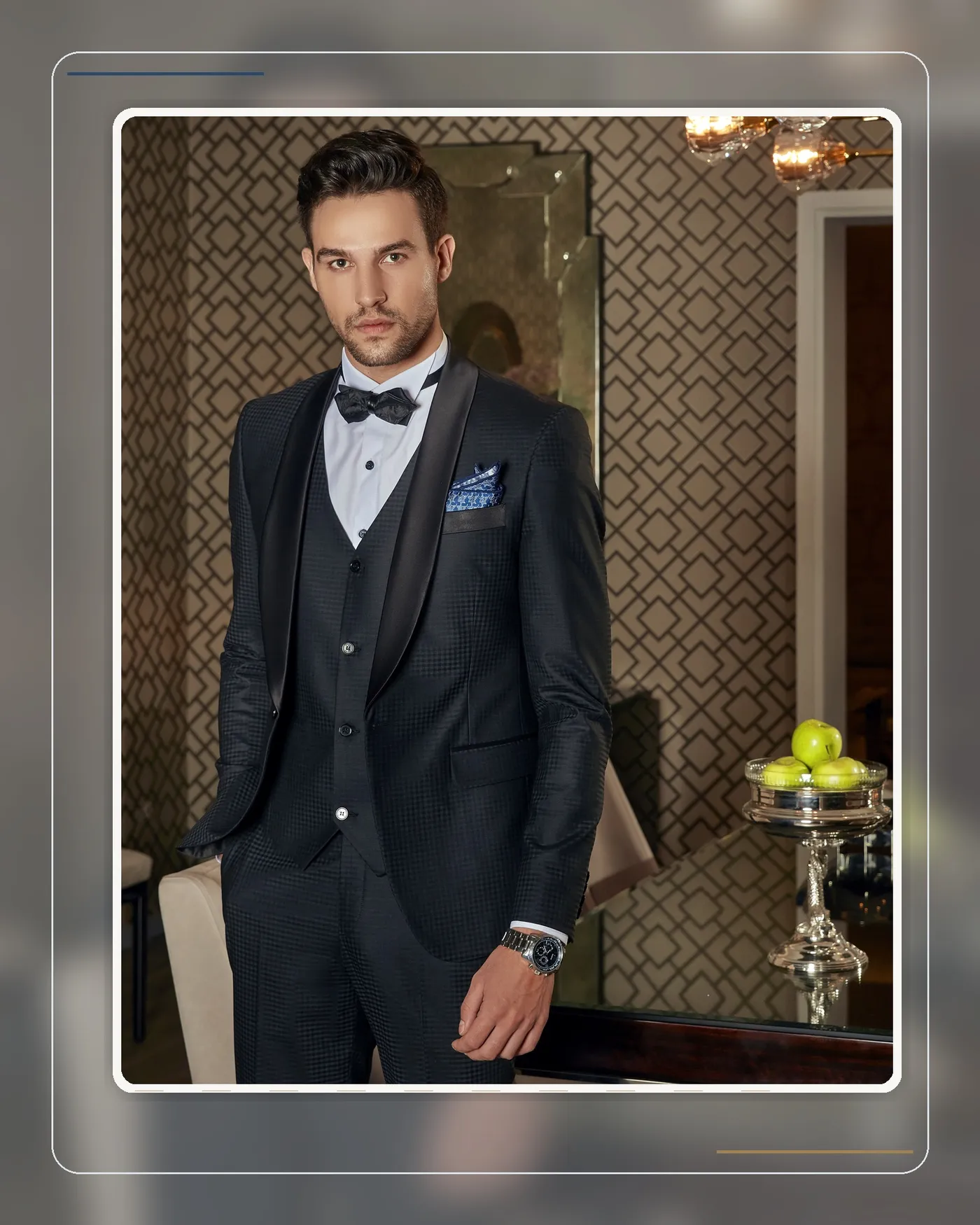
- Colour: deep navy, charcoal or black; a groom may choose a tuxedo for a high-formality reception.
- Cloth: wool with structure that holds its shape through hours of sitting, standing and table greetings, with a surface that catches stage light with depth.
- Styling: full suit, white shirt, tie or bow tie; guests should take care not to outdress the groom.
Can one suit cover both events?
Yes, if chosen wisely: a neutral navy can be "dressed down" for the engagement (no tie, light blue shirt, brown shoes) and "dressed up" for the reception (white shirt, silk tie, polished black shoes). But if the budget allows, two suits matched to the two occasions always produce a more complete picture — especially since the photo albums of both events will be kept for life.
Common mistakes
- Wearing a dark formal suit to a daytime engagement at home — it feels stiff and distant in a family setting.
- Wearing a light, thin suit to an evening grand-hall reception — it reads visibly underdressed for the room.
- The groom not checking his outfit against the bride's dress and the decor palette, throwing joint photos off colour.
A word from Mon Amie's artisans
Many grooms come to Mon Amie intending to commission one suit for both the engagement and the reception — and our first questions are always: how far apart are the two events, where are they held, and what will the bride wear. If one suit it is, we cut a navy with real depth that can shift between both spirits through shirt, tie and shoes. If two, the engagement suit is cut light for its daytime role — and typically becomes the most re-worn suit after the wedding. That is how we think about long-term value for our clients.
Frequently asked questions
Should the groom wear the same suit at the engagement and the reception? Separate them if possible: lighter and intimate for the engagement, dark and formal for the reception. If only one suit, choose a neutral navy and change the styling.
What should guests wear to an engagement ceremony? A light or neutral suit, tie optional — polished but never more formal than the couple themselves.
How far in advance should a wedding suit be tailored? Four to six weeks, allowing at least two fittings and adjustments without colliding with the album shoot and the ceremony itself.
If you are preparing for your wedding journey, book an appointment and let Mon Amie's artisans plan around both of your ceremonies, or explore our bespoke service.