
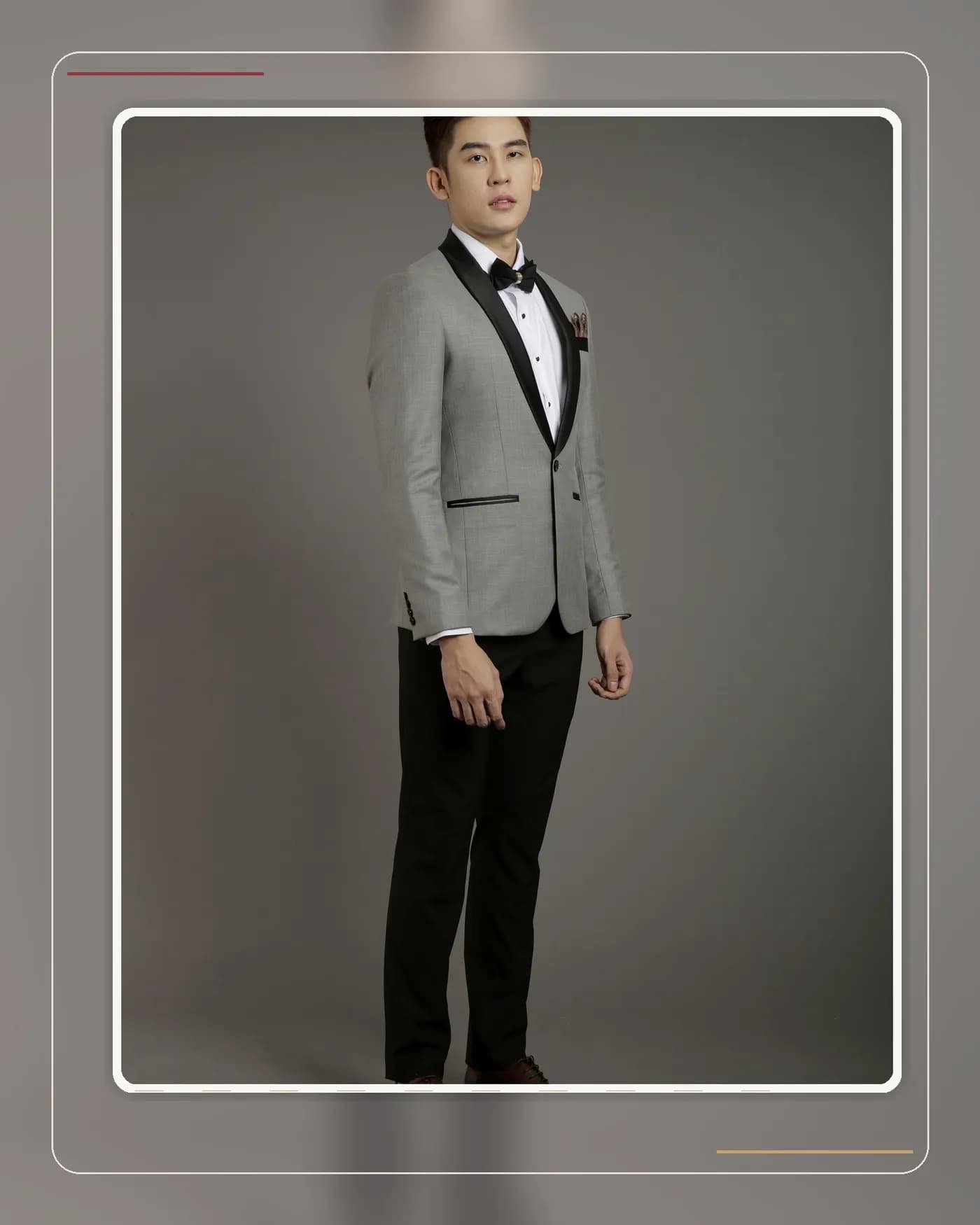
A bow tie and a necktie are not merely two ways of knotting fabric — they represent two levels of formality and two different spirits for a wedding day. Choose right, and your face becomes the focal point of every close-up; choose wrong, and even the most expensive attire falls out of tune right at the collar.
The short answer
Choose a bow tie if your wedding takes place in the evening, you are wearing a tuxedo, or the atmosphere leans black tie — the bow tie was born for evening dress and always outranks the necktie in formality. Conversely, if you are wearing a regular suit, marrying in the daytime, or want a composed, modern image, a necktie is the more natural choice. The short rule: tuxedo takes a bow tie, suit takes a necktie — you may break the rule, but only deliberately.
When the bow tie wins
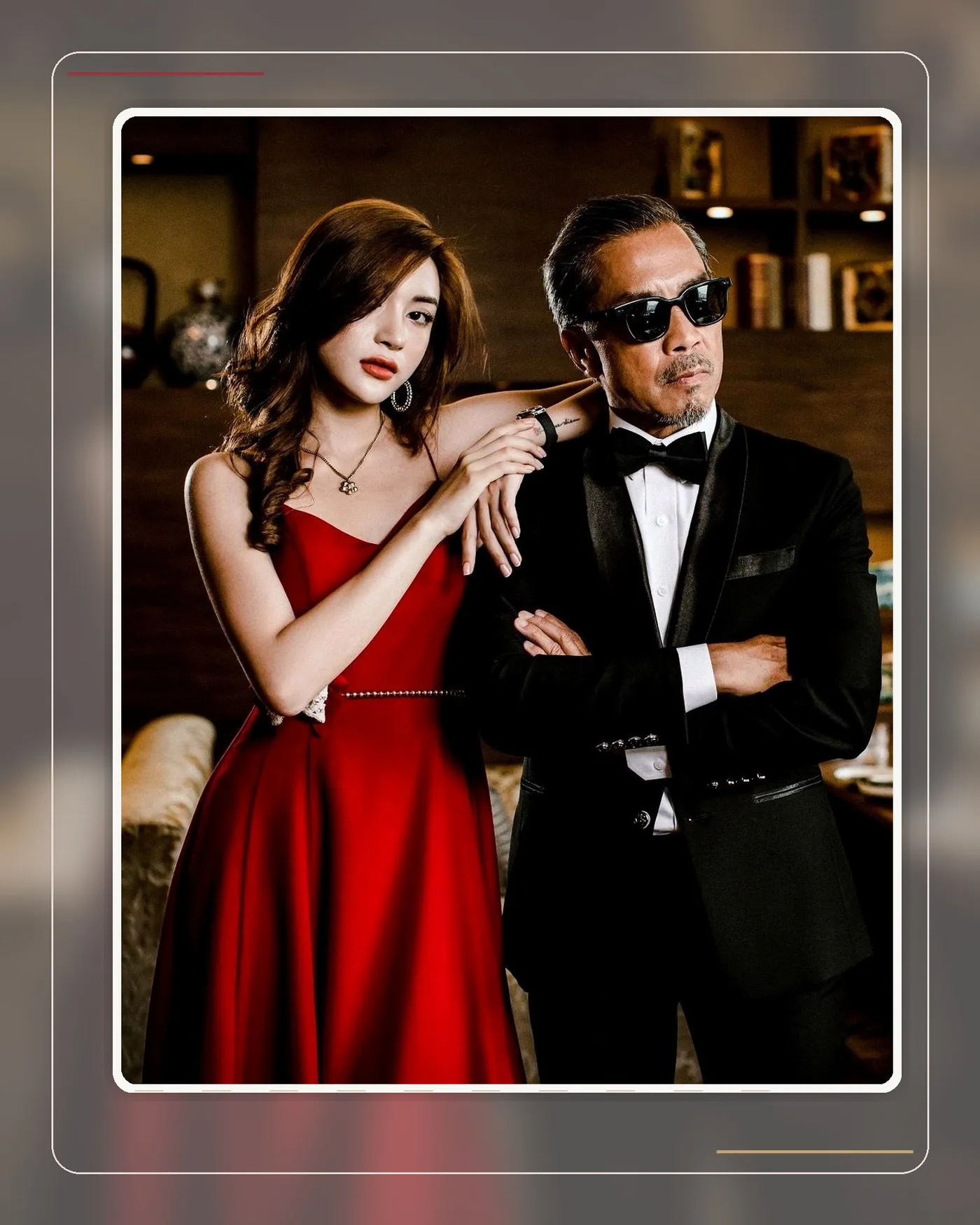
- Evening reception, tuxedo, black tie: a black or midnight blue silk bow tie is the undisputed standard; a necktie with a tuxedo is a genuine dress error.
- Close-ups and the ring exchange: a bow tie sits neatly within the chest frame, keeping all attention on the face; a long necktie can catch the wind or slip askew when you lean forward.
- A full day of movement: a bow tie never brushes the banquet table and needs no readjusting after every embrace — a practical advantage few mention.
When the necktie fits better
A daytime ceremony, an outdoor reception, or a groom in a classic three-piece suit — a necktie creates one continuous vertical line, making the whole figure taller and more composed. Upgrade the material beyond the everyday: lightly lustrous woven silk, satin, or grenadine, in deep tones or the wedding florals' palette. Younger grooms who fear a bow tie looks "theatrical" can rest easy with a 7–8cm necktie in a neat knot.
Common mistakes
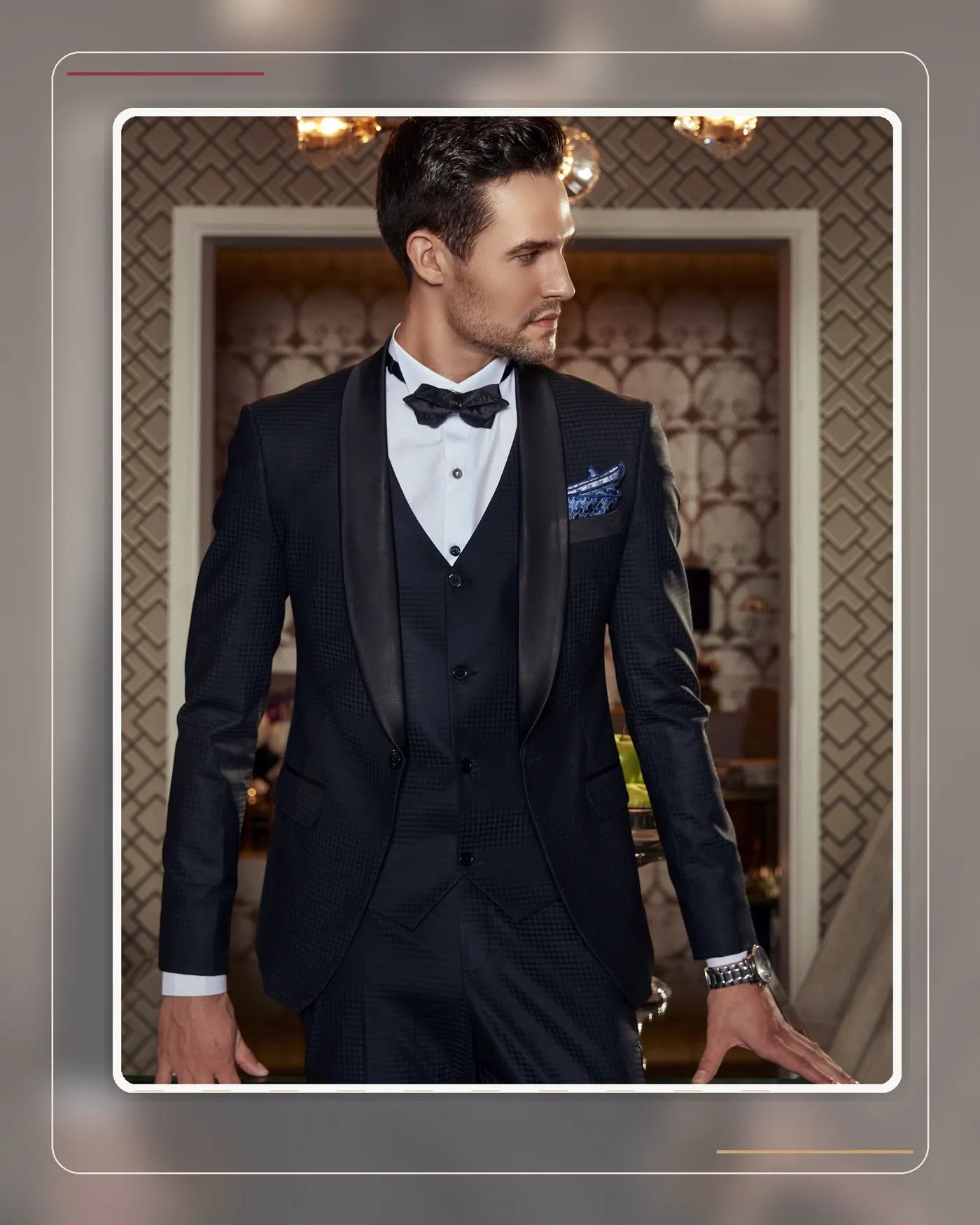
- Wearing a pre-tied bow tie with a clasp — a slightly asymmetric hand-tied knot is the true mark of care; a pre-tied one shows immediately in close-ups.
- Choosing a bow tie too large or too small for the face: its wings should sit within the line of the eyes and never extend past the collar edge.
- Switching to a bow tie while keeping a narrow shirt collar — a bow tie needs a firm turndown collar or a wing collar to hold its shape.
A word from Mon Amie's artisans
At Mon Amie, when building wedding attire, our artisans always ask about the ceremony time and the shirt collar before discussing accessories — because the bow tie or necktie must be decided together with the collar, never as an afterthought. For grooms tying a bow tie for the first time, we teach the hand knot right in the atelier; fifteen minutes of practice is enough, and that hand-tied knot will make your wedding close-ups look nothing like a pre-tied one.
Frequently asked questions
Can I wear a bow tie with a regular suit? Yes — a dark suit with a plain silk bow tie works beautifully at an evening reception; just avoid a bow tie with light, daytime-styled suits.
What bow tie color is safest for the groom? Black or midnight blue in plain silk is absolutely safe; for an accent, match the wedding florals or the bridesmaids' dresses.
Should the groomsmen match the groom? Better one step apart: if the groom wears a bow tie, the groomsmen wear neckties (or bow ties in another color) — the groom stays the focal point while the party remains coordinated.
Conclusion
A bow tie for a formal evening and those priceless close-ups; a necktie for a daytime ceremony and a composed style — the decision lies in the hour of the celebration and the attire you choose, not in trends. If you would like to try both against your own tailored shirt collar, book an appointment with Mon Amie, or explore our bespoke service to perfect your attire from collar to cufflinks.