
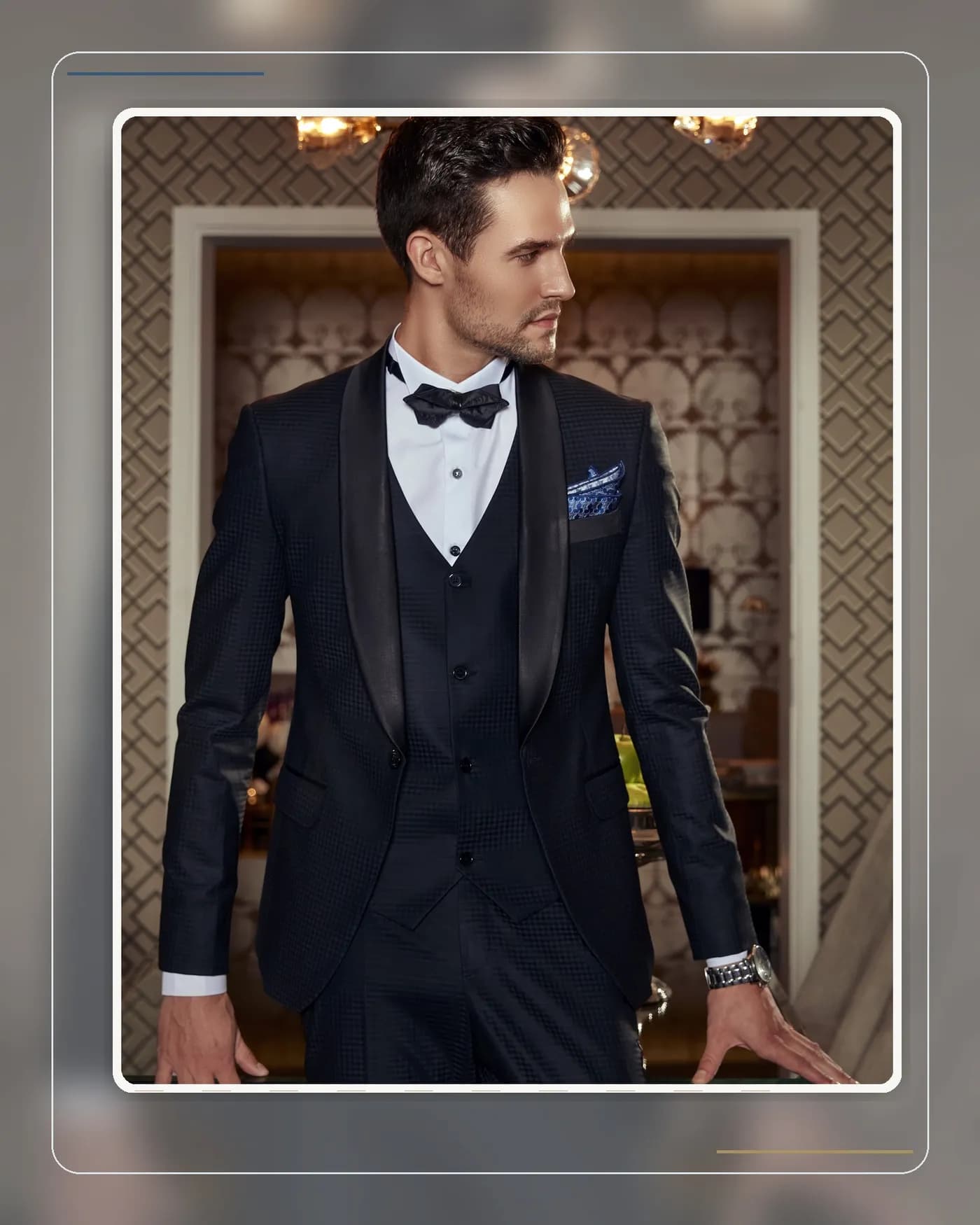
How do white and light blue shirts differ when worn with a suit — it sounds like a mere colour question, but these are in fact two entirely different "modes" of the same suit. Understand the difference and you will know exactly how many of each your minimal wardrobe needs, and which to wear when.
The short answer
The white shirt is the highest level of formality: it works with every suit colour, is obligatory at ceremonial occasions (weddings, black tie, formal events) and creates sharp, strong contrast. The light blue shirt sits one step below: softer, flattering on Asian skin tones, ideal for everyday office wear, meetings and client visits — but never for black tie. In short: white for the important days, light blue for looking sharp on working days.
The white shirt: the standard base of every suit
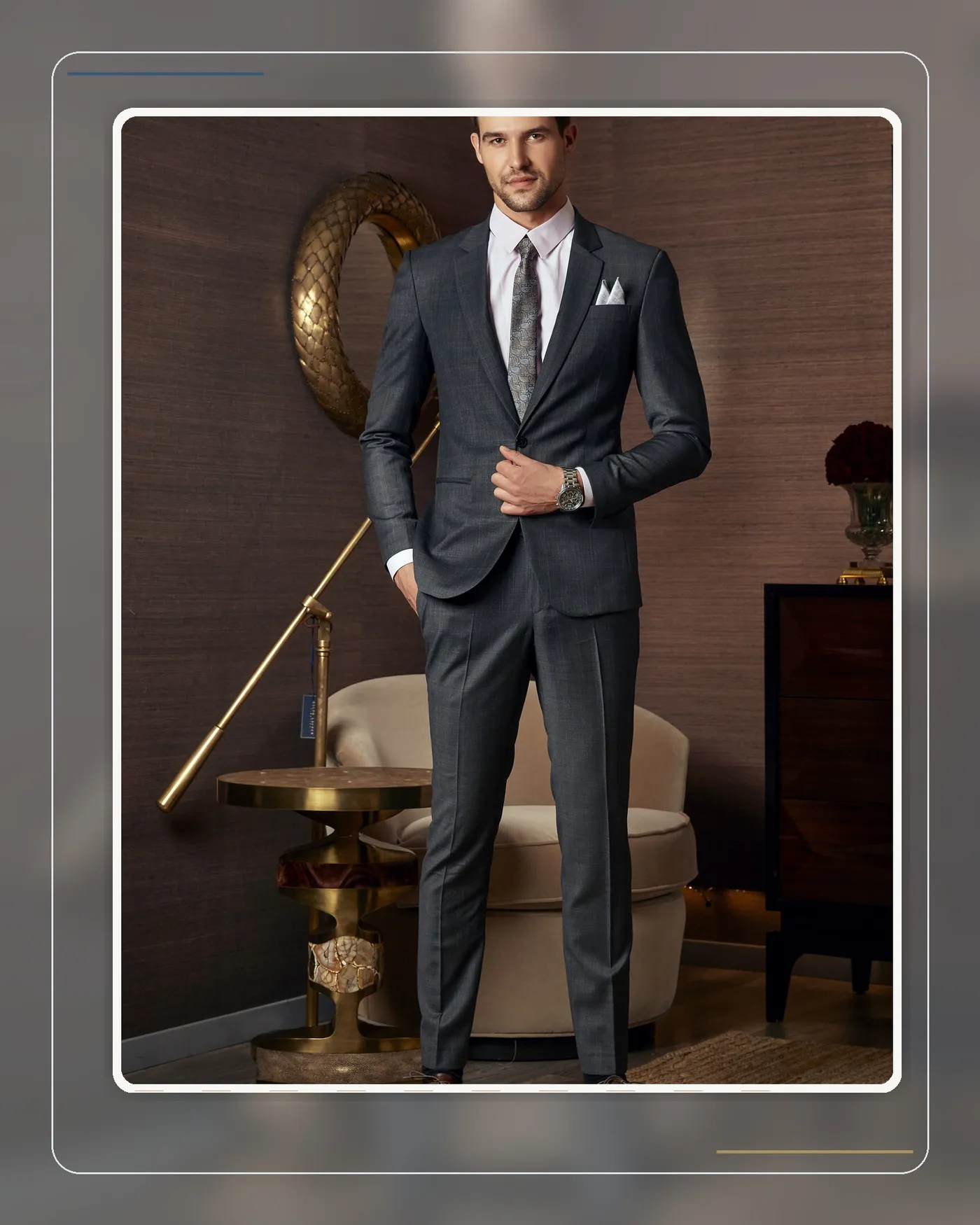
White reflects light up toward the face and contrasts clearly with every suit colour from navy and grey to black — which is why it is the default for wedding photography, on-stage events and any occasion demanding absolute polish. One caveat: precisely because of that contrast, white is unforgiving — it exposes wrinkles and yellowing at the collar and cuffs. A tired white shirt should be replaced without hesitation.
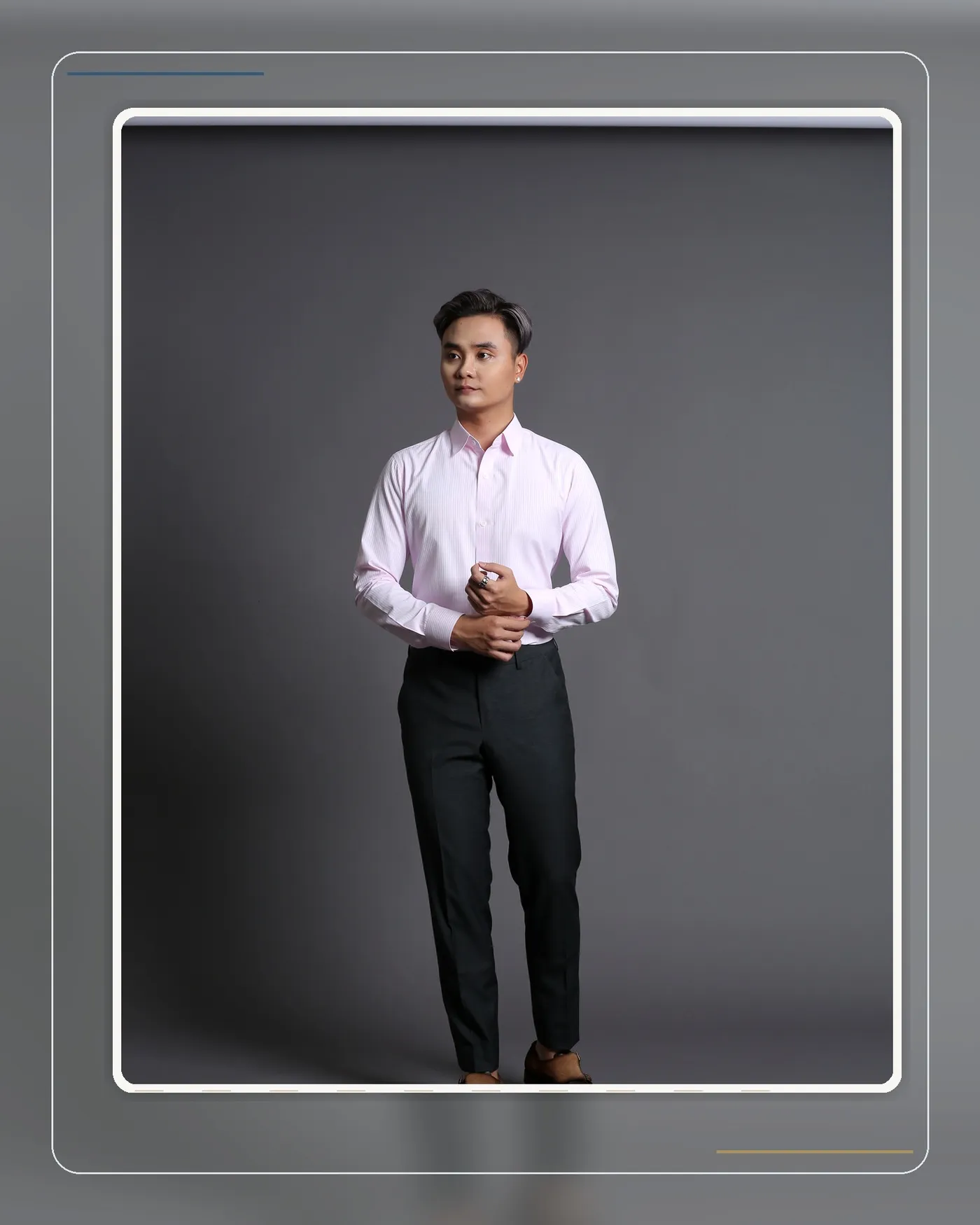
The light blue shirt: the everyday companion
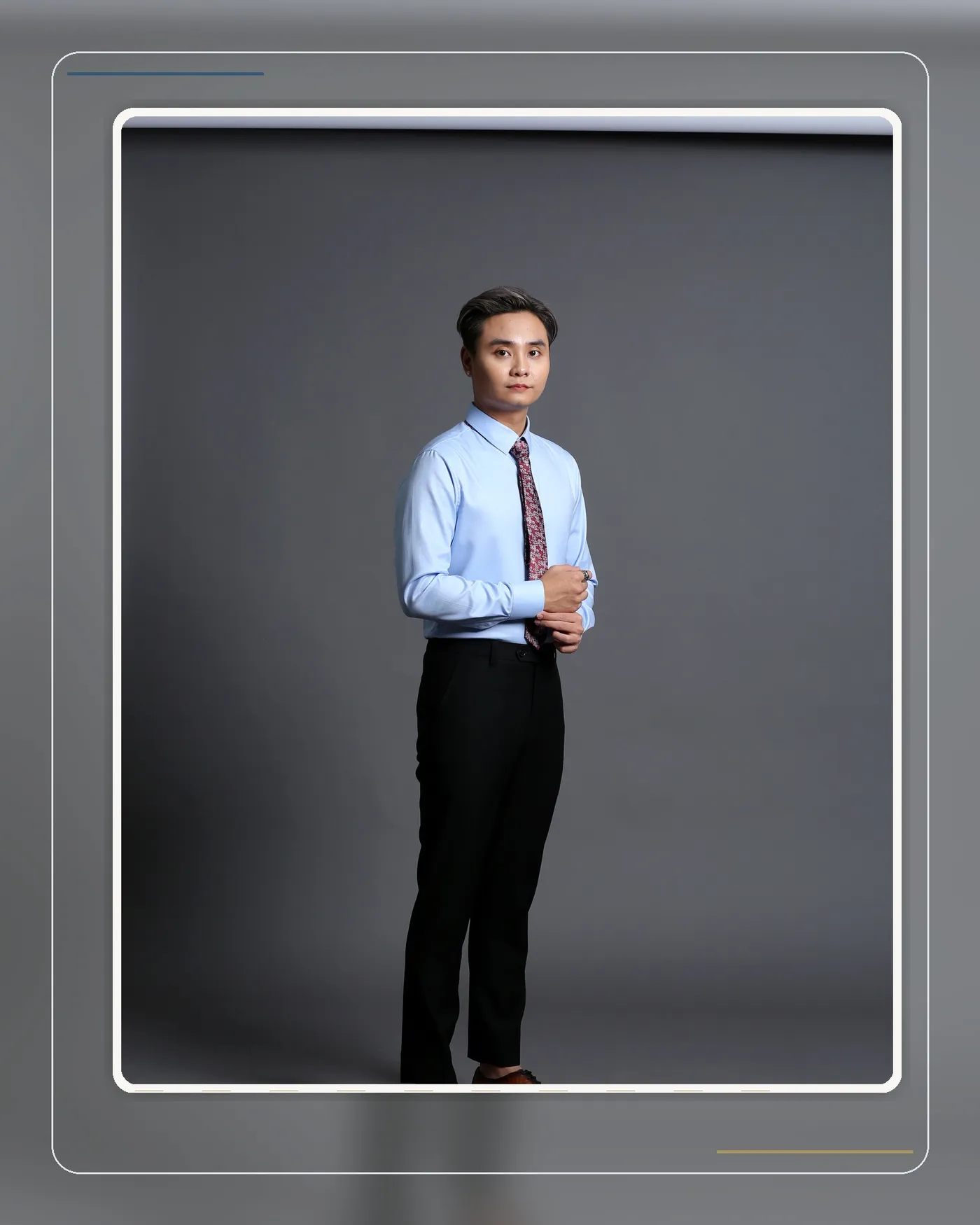
Light blue softens the brightness near the face, making the whole look calmer and more approachable — perfect for long meetings, first encounters with partners, or professional profile photos. With a navy suit it creates an elegant tone-on-tone businessman's pairing; with grey it adds a touch of colour while remaining entirely serious. A practical bonus: light blue hides perspiration and creasing far better than white in a hot, humid climate.
Choosing by occasion
- Weddings, ceremonies, black tie: white, always.
- Interviews, signings, major presentations: white, for maximum trust.
- Daily office wear, internal meetings, familiar clients: light blue — relaxed yet polished.
- Evening receptions, rooftop parties: either works — white if a dark suit needs contrast, light blue for an easier air.
The minimal wardrobe Mon Amie usually suggests: two white, two light blue. That frame covers nearly every situation in a working man's calendar.
Common mistakes
- Wearing light blue to a formal wedding or black-tie event — one rung short of the required formality.
- Choosing a blue that is too deep: past "light blue", the shirt loses formality and becomes hard to pair with ties.
- Keeping a white shirt with a yellowed collar — with white, freshness is 80 per cent of the impression.
A word from Mon Amie's artisans
When cutting a made-to-measure shirt, Mon Amie always holds swatches of white and light blue beside the client's face in natural light — because two "light blues" half a tone apart can behave very differently against each complexion. For a client commissioning his first suit, we almost always recommend one of each: one shirt for absolute formality, one for looking sharp every day. The shirt is the layer closest to your face, and it deserves the same care in measurement as the jacket itself.
Frequently asked questions
Which suit colours pair best with a light blue shirt? Navy and grey are the classic matches; brown and olive suits also work well. A formal black suit, however, calls for white.
Can I wear a light blue shirt to a wedding? As a guest at a relaxed reception, yes; as the groom, a family member, or under a formal dress code, choose white.
How many white and light blue shirts should I own? At least two of each, so a crisp shirt is always ready — especially in a hot, humid climate with frequent laundering.
Book an appointment and let Mon Amie's artisans match the fabric tone to your complexion in person, or browse our pricing.