WHAT IS A SUIT?
In this article and the video right below, Mon Amie will share the following content. With more than 30 years of experience making suits in Vietnam, we know that many of us do not yet fully understand what a suit is. People often call a suit “vest” or “comple”. It is not only customers: even well-known menswear brands in Vietnam get confused. This is truly a serious mistake.
1- What a suit is, and how a suit differs from a blazer,
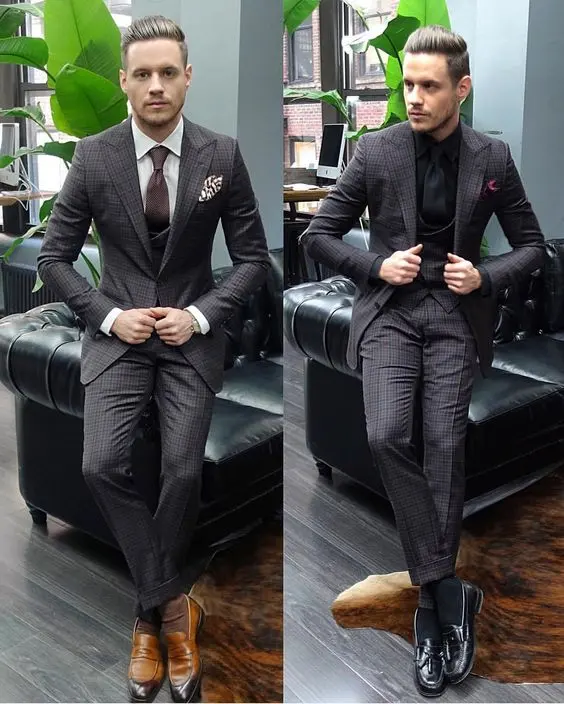
A suit is a complete outfit consisting of a jacket (suit jacket) and dress trousers made from the same cloth, the same material, the same pattern and the same colour.
We often confuse the suit jacket with the blazer, or with a few other kinds of jacket. A suit jacket differs from a blazer in that it belongs to a complete suit, while a blazer is a separate jacket, not accompanied by trousers or any other piece.
2 - What kinds of suit are there?,
There are many ways to classify suits: by details on the suit (lapel, rear vent), or by origin or wearing style (English, Italian, French, American).
However, Mon Amie will only show you how to tell apart the 3 most popular styles in Vietnam today.
a - By the way it is worn:
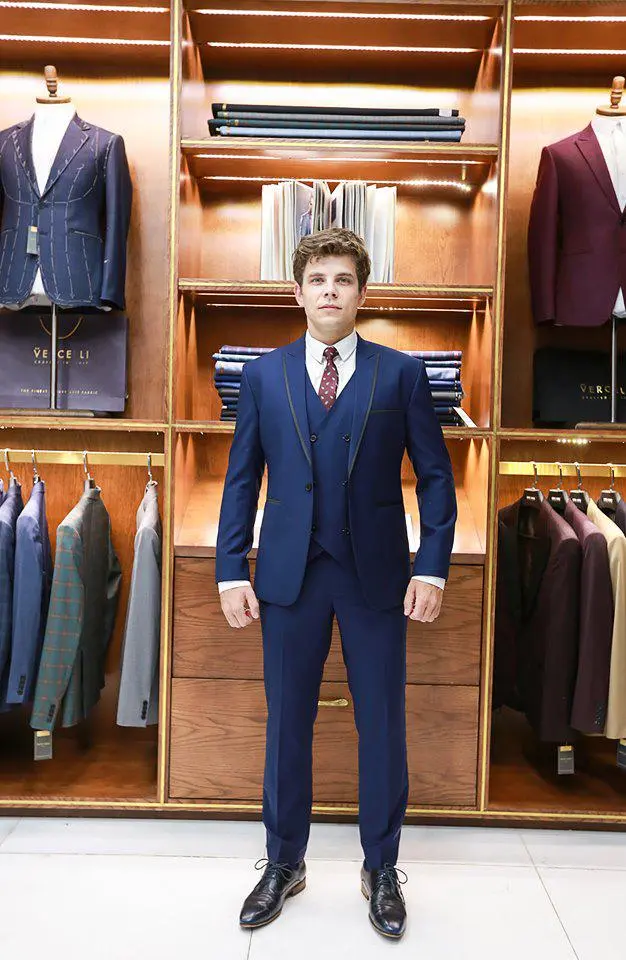
Two-piece suit, usually called the 2-piece suit. This type consists only of the outer jacket (suit jacket) and dress trousers. In Vietnam this type is generally preferred, owing to the influence of climate and dress culture. Three-piece suit: similar to the two-piece suit, this type adds one more piece, the waistcoat (which we usually call gi-lê; in Europe and America the waistcoat, or “monkey jacket”, is called a vest). The waistcoat has no sleeves and usually has 4 or 5 buttons or more. It may be the same colour as the rest of the suit or a different one. Traditionally, besides looking good, the waistcoat is also for warmth. It sometimes has a collar similar to the suit jacket's, but slightly smaller.
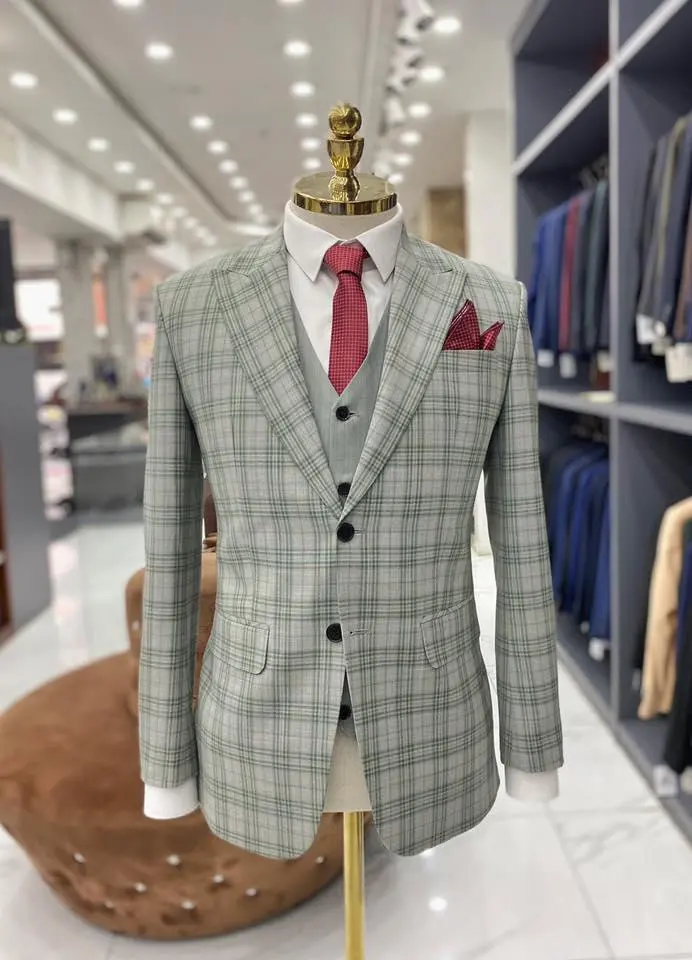
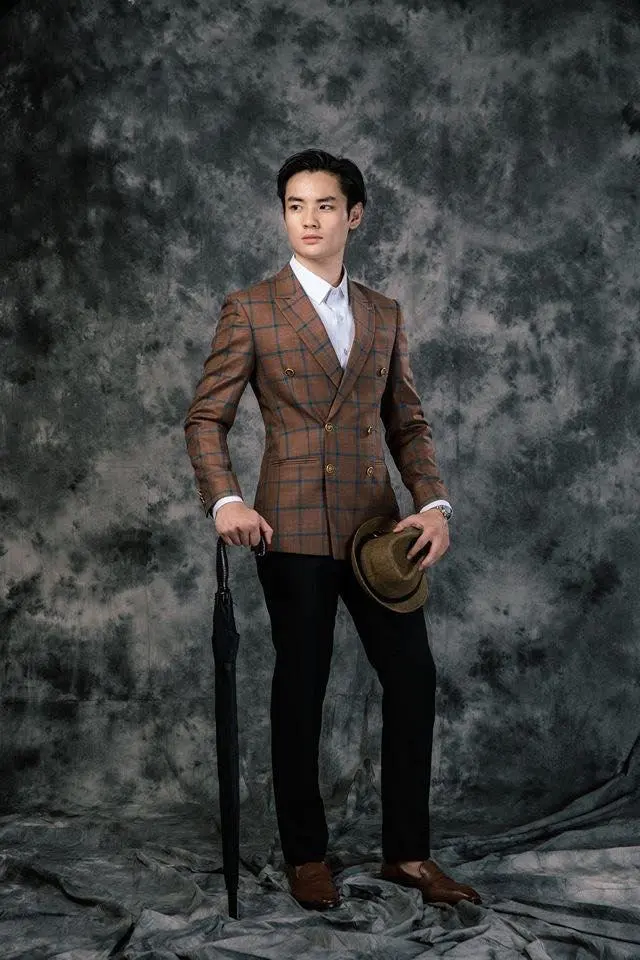
b - By button arrangement: Single-breasted: only one row of buttons down the middle. This type can have 1, 2 or 3 buttons. Double-breasted: has 2 rows of buttons, and when fastened the two halves of the jacket overlap. This type can have 4 or 6 overlapping buttons, and sometimes only 2.
c - By dress style:
The Italian suit style: Italian suits carry a modern, youthful spirit. The design usually has relatively high padded shoulders, no vent at the back hem, and thin, light cloth owing to the climate. In addition, the chest is opened out, and the whole garment has a fitted V-shaped silhouette, with correspondingly slimmer trousers.
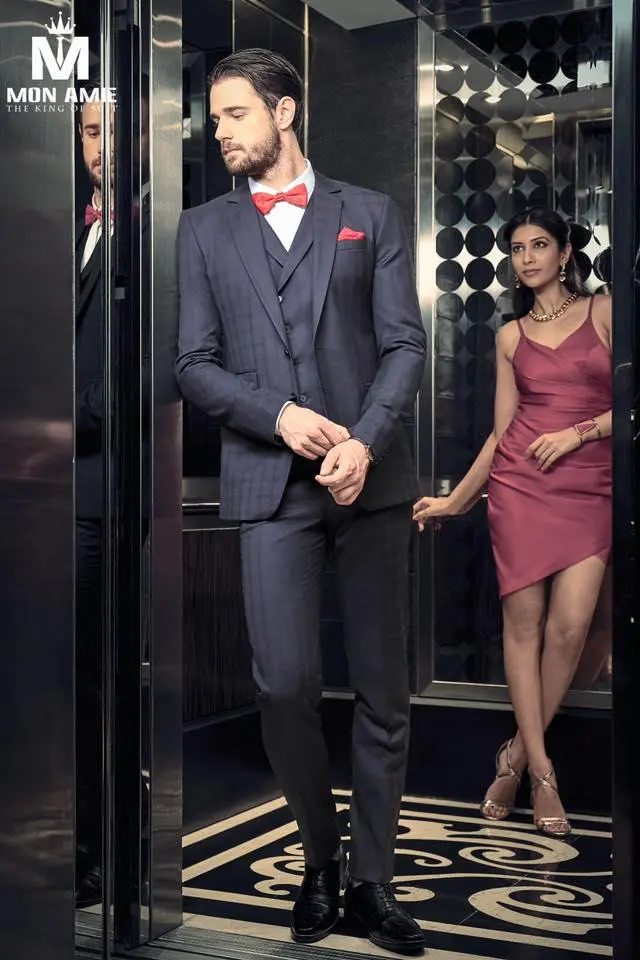
Italian suit design is known for its double row of buttons, set higher than in English and American styles, with a shorter jacket skirt and pockets that usually have no flap.
The Italian suit style is divided into 3 cuts, Roman, Neapolitan and Milano, suited to tall, slim men.
Regarded as the cradle of the fashion industry, Italy has always led the way in developing men's suits in a youthful, attractive style, full of refinement. Italians are not only meticulous in tailoring; what is worth noting is the skilful coordination of cloth patterns, the harmony of colours and the accessories that go with them. The Italian-style suit often impresses with striking check patterns, a close-fitting waist, and a back skirt with no vent or one vent. So what the viewer senses from an Italian suit is modernity and a fit with a slightly body-slim-fit structure. What you often picture when you see an Italian man in a suit is a gentleman always snug in his clothes, not at ease in his movements, yet always attractive to the eye.
In fact, they cleverly choose thin, premium cloths for a suit, so that even though it is close-fitting it still lets the body breathe. “We are not afraid to show the lines of our bodies in public, because we regard it as a chance to show off our own beauty,” shares one Italian fashion devotee.
2 - The English style: England is known for its strict historical tradition of tailoring clothing. Each class had its own rules for how to dress.
English-style suits usually have a cut that follows the body more closely, emphasising the curve running down to the hips and a broad chest, with flap pockets.
The English suit has a double vent at the back, high sleeve openings and a fitted sleeve. In particular, the trousers are designed with a high waist with about 2–3 pleats. In addition, what differs from the American suit is the double-breasted (double row of buttons) or single-breasted (single row of buttons) front. English-tailored suits usually have a firm silhouette and sturdy, thick cloth. The design suits the average build.
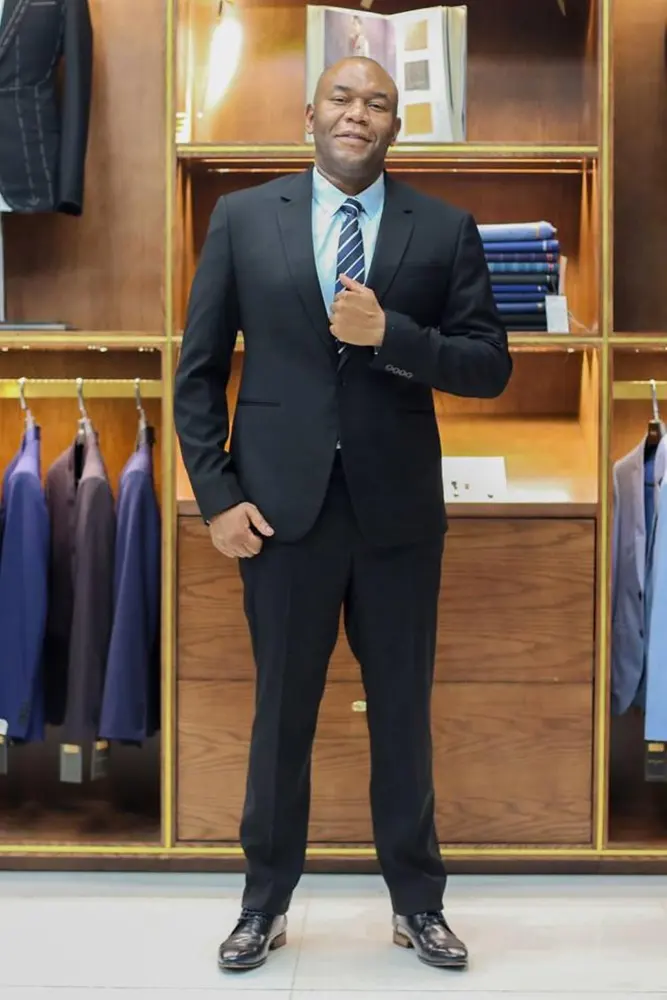
3 - The American style of men's suit: This style of men's suit became fairly well known in the 19th century. The pioneers of this trend were the Brooks Brothers and J. Press brands.
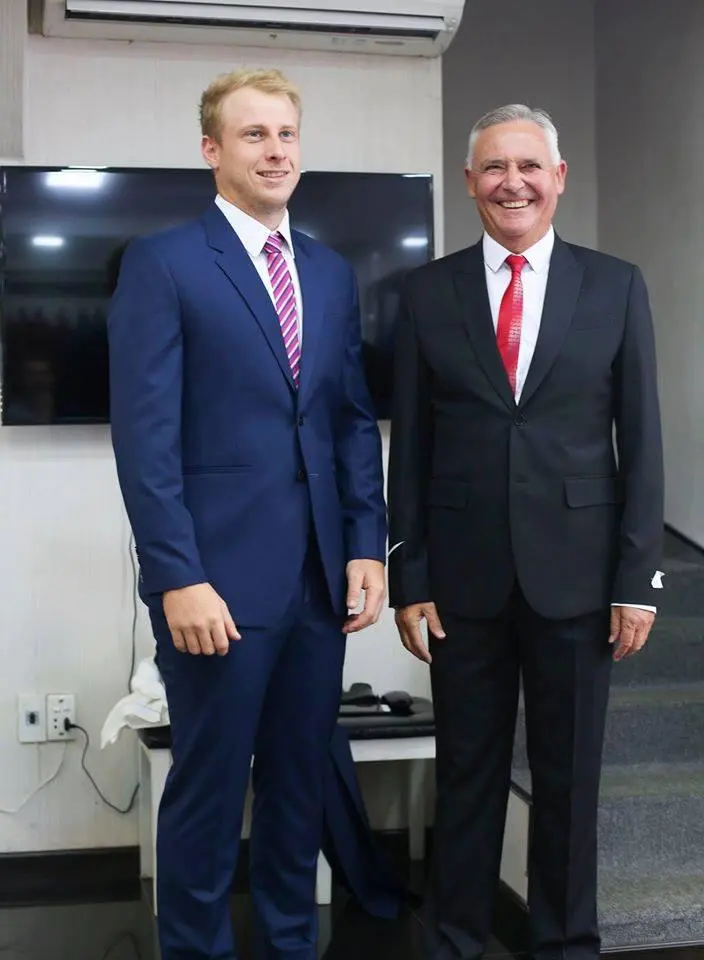
But in 1920 this style truly became famous thanks to Ivy League students (the elite and oldest private universities in America). The most recognisable features of this style are a single vent at the back, high cuffs, flap pockets, and shoulders padded in the most natural, light way (sometimes not padded at all).
These suits used to have a very loose, baggy style, because they emphasised comfort and roominess, and, importantly, the material or brand. This style of men's suit is designed with a single row of 2 to 3 buttons. A characteristic of trousers in this style is that they have no pleats. In its original form, the American-style men's suit was considered the “least stylish”, but today the design has changed to be more youthful, with a fitted cut and more shoulder padding.
4 - The Korean suit style: Breaking the prejudice about Asian men in suits. Asian men are naturally of smaller build, and of relatively modest average height. Meanwhile, the suit is the typical garment of men in Western society. So in the old view, Asian men in suits would not look good or flatter the figure, because of the big difference in stature and physique between Asians and Europeans.
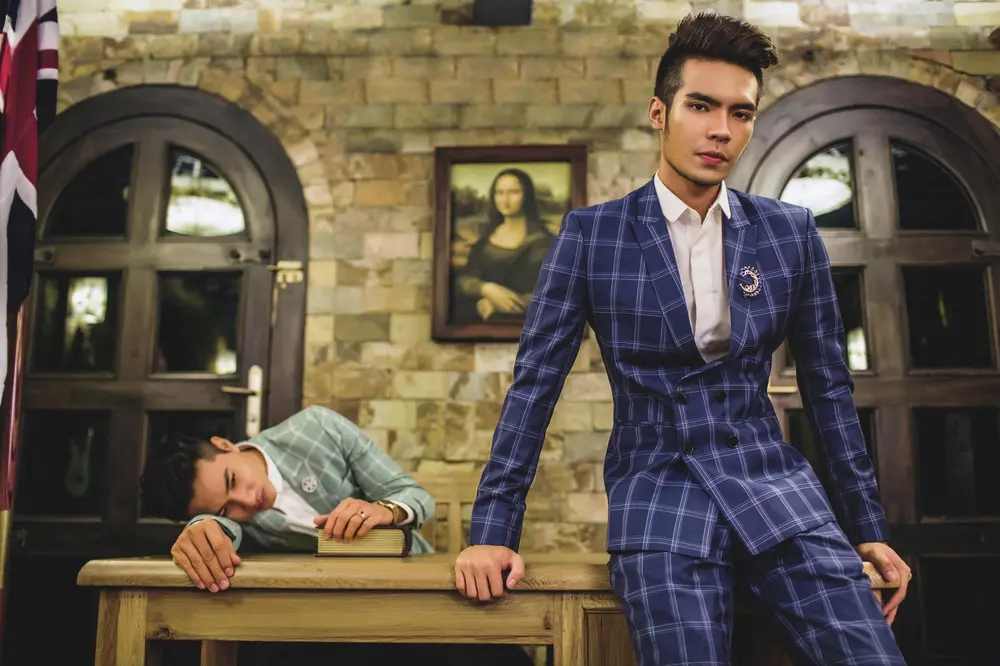
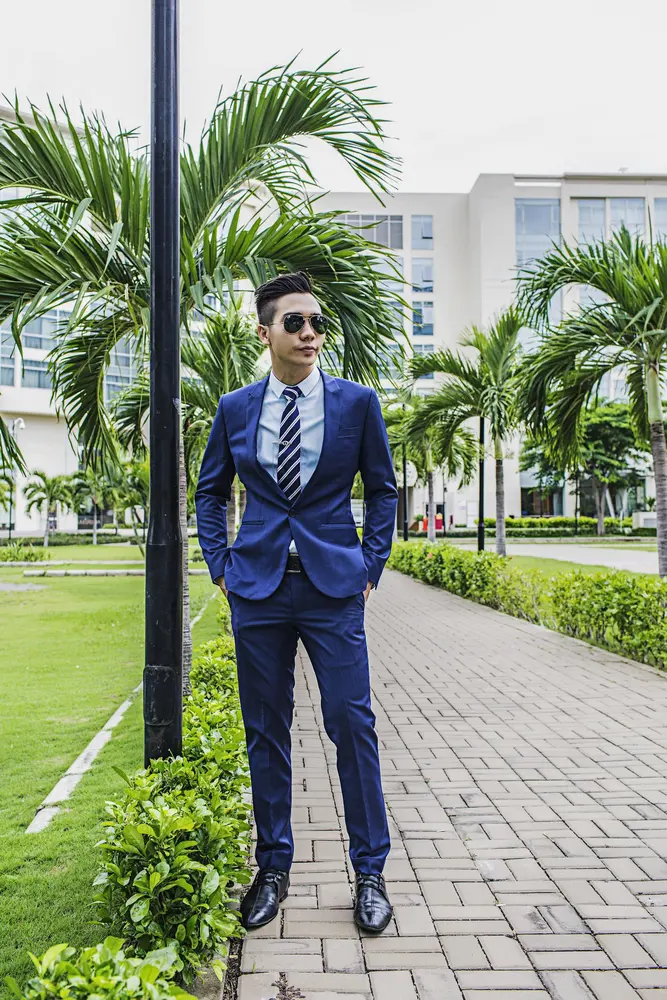

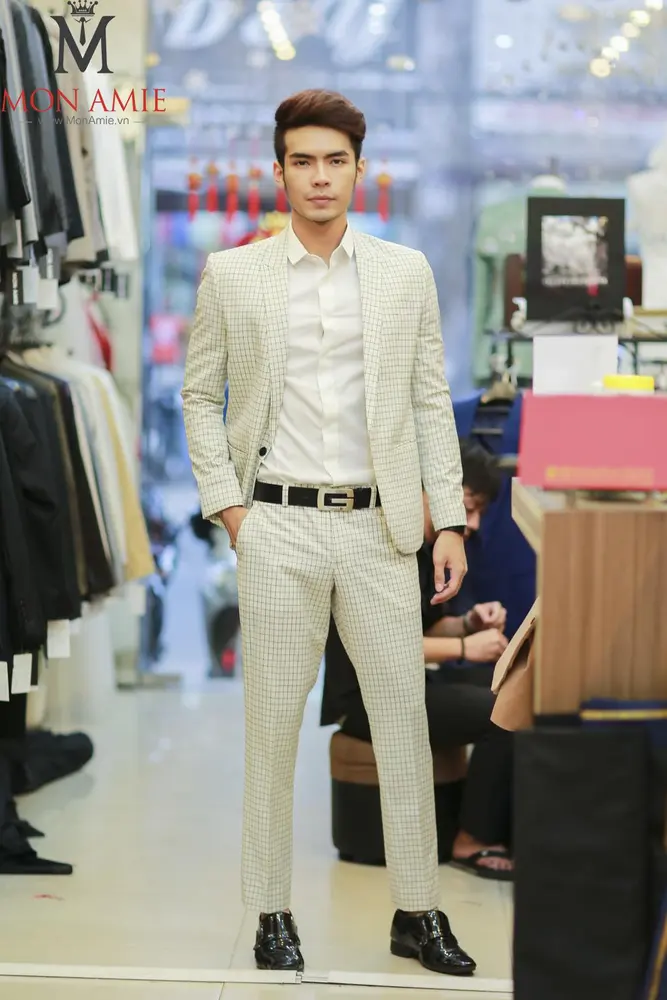
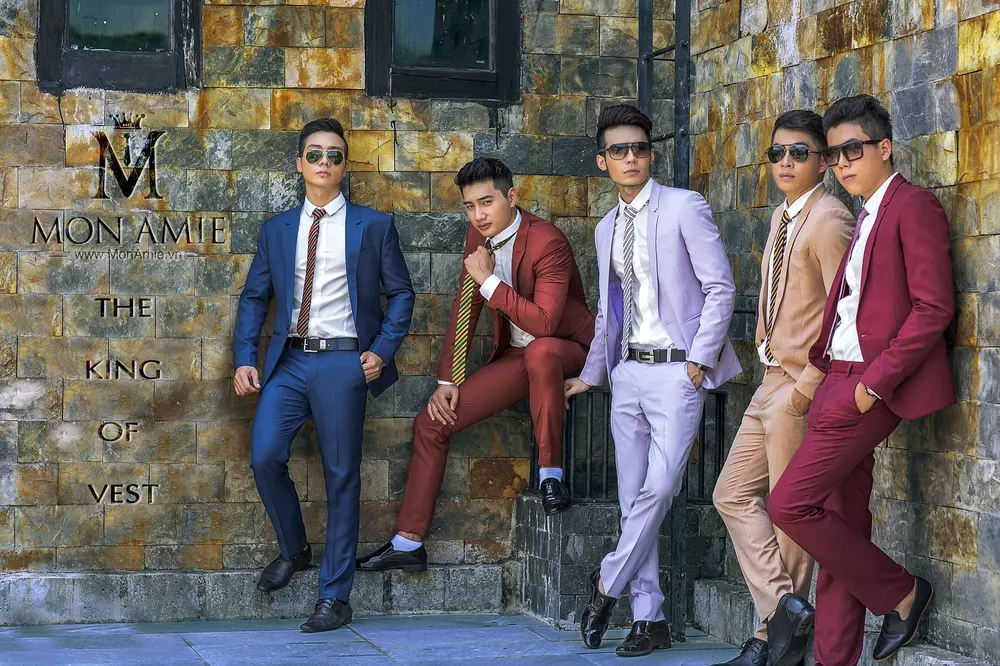
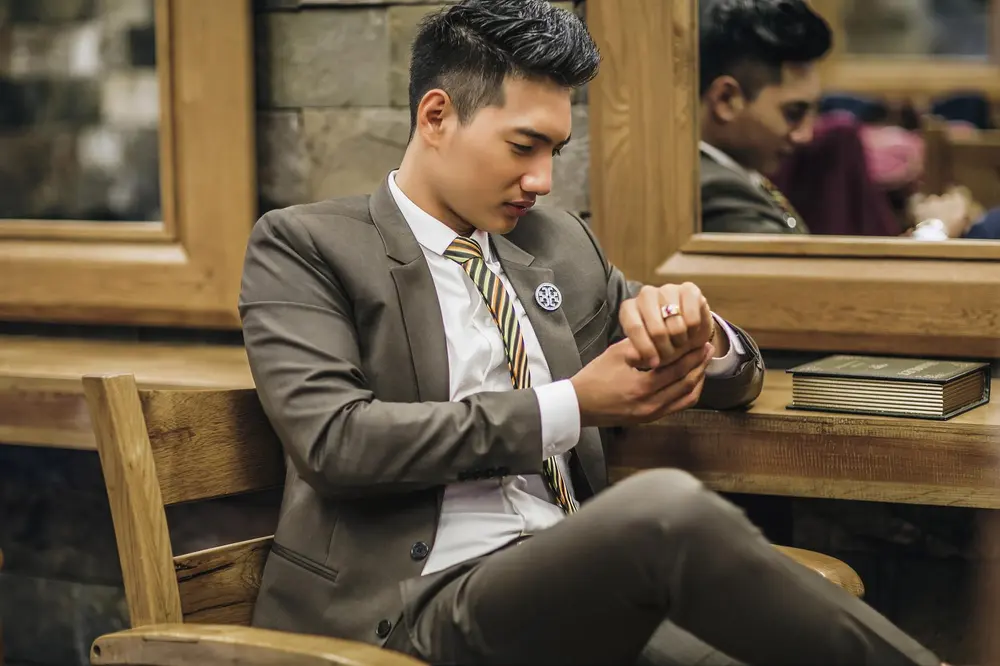
But the Koreans, in their period of strong development, constantly filter and import refined, deep foreign tastes, including the culture of wearing suits. They wear Western clothes more and more, and the observant will easily notice revolutionary changes in the way young Korean men wear suits.
Instead of the glittering, sequinned suits of the 1980s and 90s that we still see in films, the Korean suit style now follows the latest world trends in bespoke suits (suits made to measure for each person).
Even recently, the once-famous actor Jang Dong Gun starred in a drama called “Suit”, with a series of suits in all styles that delight the eye. The fashionable, finely designed, skilfully and meticulously cut suits each brought out a masculine, elegant air for this dashing actor. While Americans focus on the large, muscular physique of men, the English prefer a courteous, dignified and somewhat formal bearing, and Italian men, with their distinctive gallantry and refinement, prefer naturalness and ease.
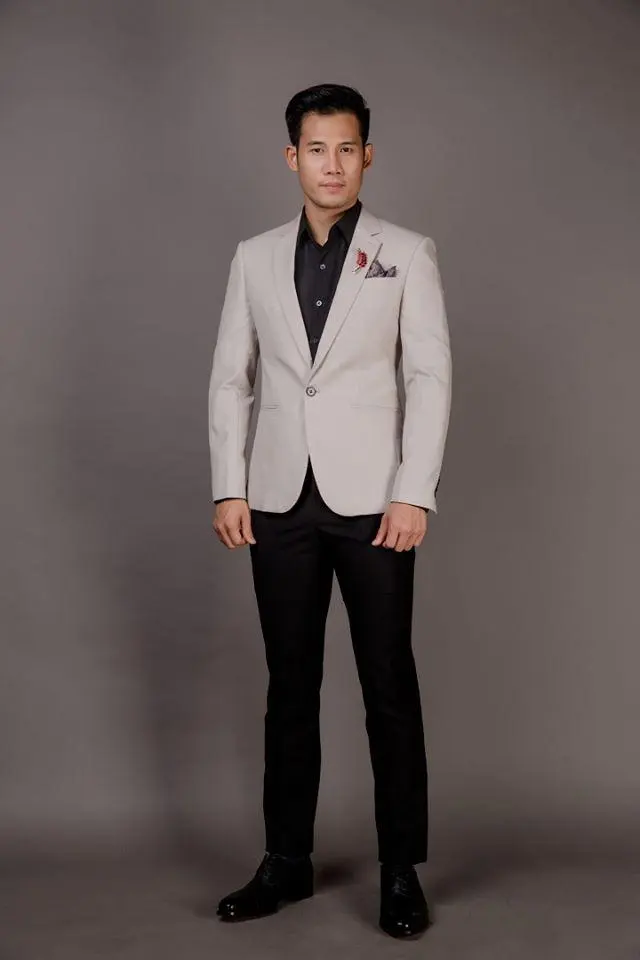
However, the Koreans do not simply adopt one fixed suit style; with their position at the head of the regional fashion industry, they have refined suits and breathed a very distinctive style into them.
They do not hesitate to adopt new cuts such as short, fitted jackets, drop the stiff shoulder details, and keep close to the newest suit trends on the market. Korean suits give the wearer a youthful, free and versatile feeling, breaking the old view that suits are only for old people and stiff officials. Korea has now risen to become a suit powerhouse in the region.
The Korean suit style has also had a very large influence on suit-wearing trends in the region. Skilfully applying and learning will be the way to build a suit-wearing culture that is distinctively Vietnam's. In recent years, young Vietnamese, especially young people in Ho Chi Minh City, and grooms-to-be, have always been looking for a suit that suits them, with one question always in mind: “What makes a suit beautiful, fashionable and perfect?” If asked to describe the character of a suit in just a few words, it could only be “Strong, powerful, fashionable and stylish”.
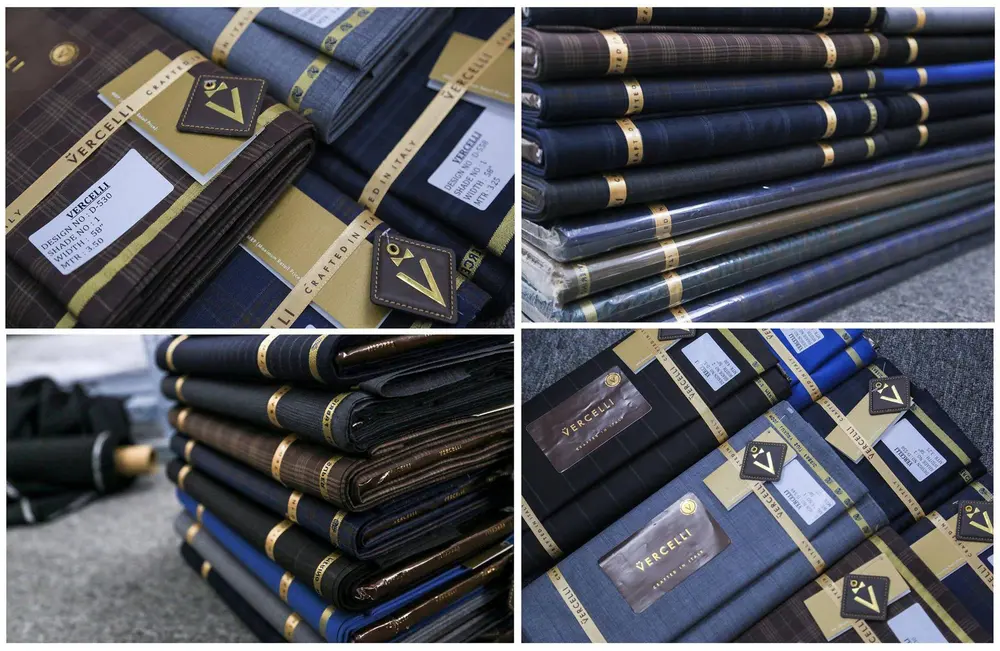
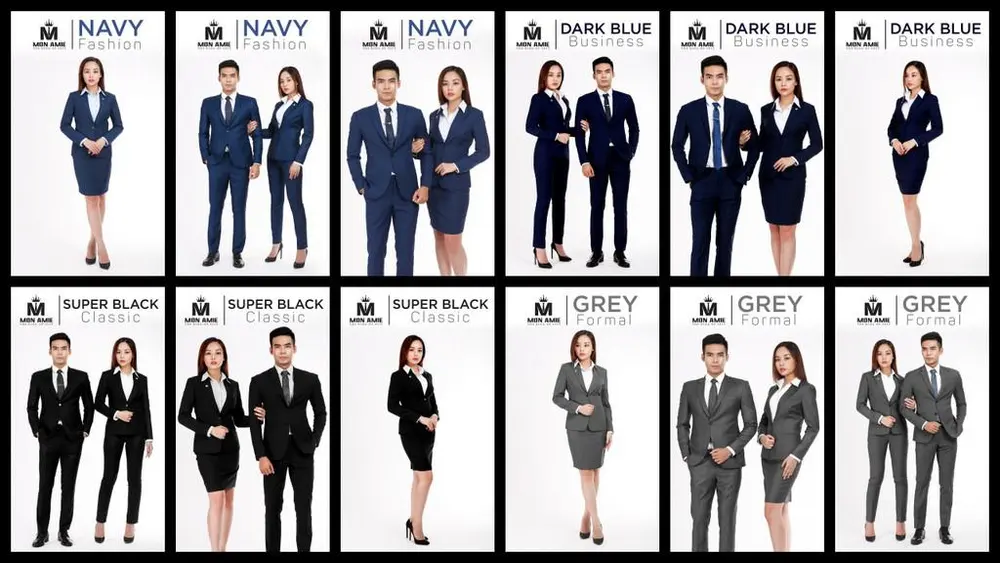
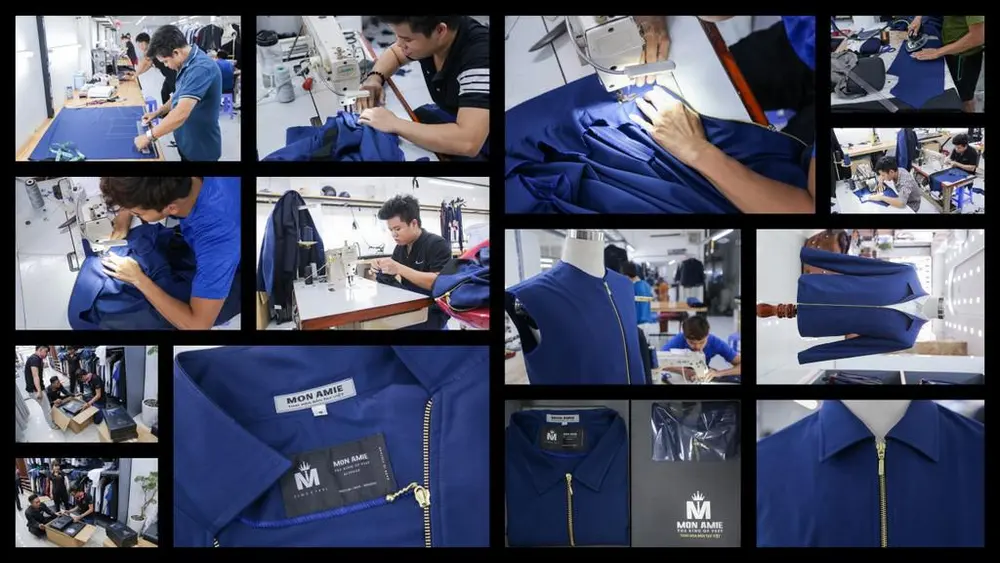
A smart, discerning customer is one who chooses a garment of value, of higher quality than the money they pay, rather than simply buying a cheap outfit. That brings this article to an end; see you in the next videos, and don't forget to like, share and subscribe to Mon Amie's news channel.
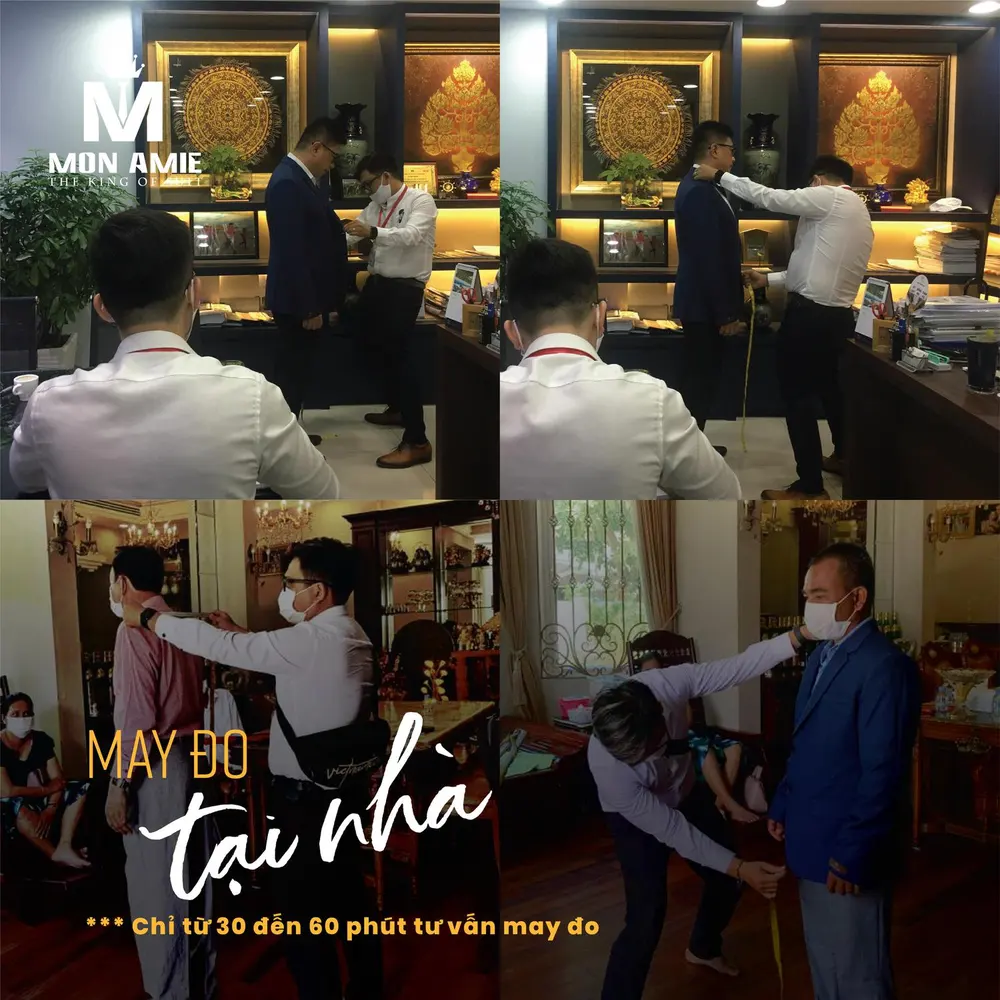
There are 3 ways to order products made to measure at Mon Amie: 1. Order in person at
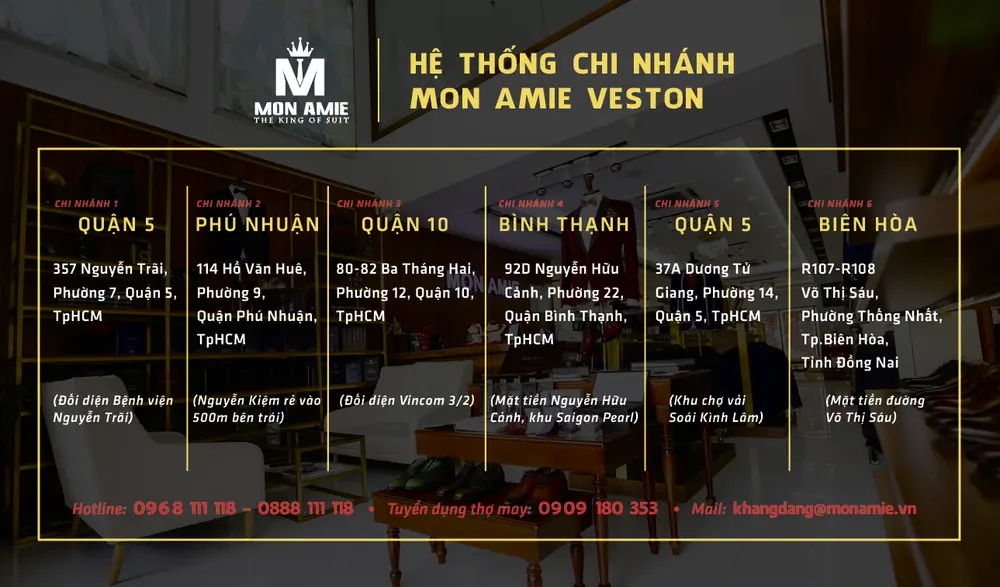
Besides visiting a Mon Amie branch in person, you can also buy online by choosing one of the following ways:
3. Order Made-to-Measure Online
If you live in a distant province or abroad, or for any other reason cannot order in person at Mon Amie, use the “Online Order” service.
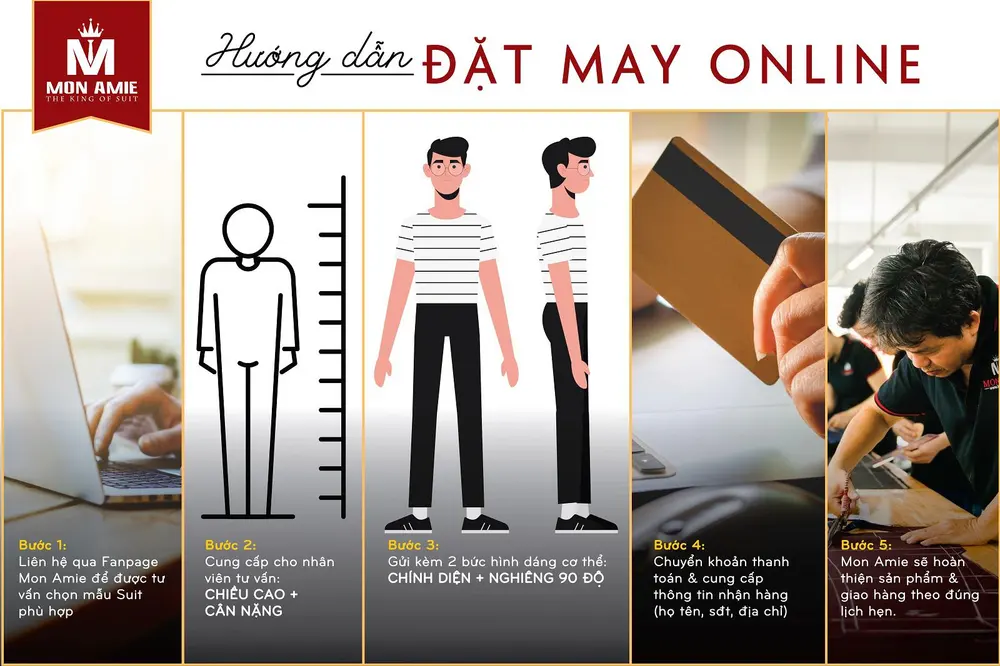
With just a few simple steps, you will receive a suit made to the same standard as one measured in person at the showroom:
1. Contact the online advisory team at Mon Amie for detailed advice on cut, style, cloth, colour, price and other important information.
- Facebook page: http://m.me/MonAmieShop
- Zalo: 0888.111.118 - 0968.111.118
- Viber / WhatsApp: +84968111118
2. Send Mon Amie your height and weight.
3. Send 2 photos of your figure (1 from the front and 1 from the side, at 90 degrees).
4. Pay by bank transfer and provide your details for delivery (name, phone number, address).
The product will be completed within 1–14 days (depending on your needs and what you agree with your adviser). Delivery takes 1–3 days for clients in Vietnam, and 3–6 days for clients living abroad.