
What is a safe dress code for meeting international partners is a question nearly every businessman has faced before an overseas trip or a high-stakes meeting. Unlike domestic events, meeting foreign partners means navigating dress standards that vary widely between cultures — and a safe, polished choice is always worth more than a showy one.
The short answer
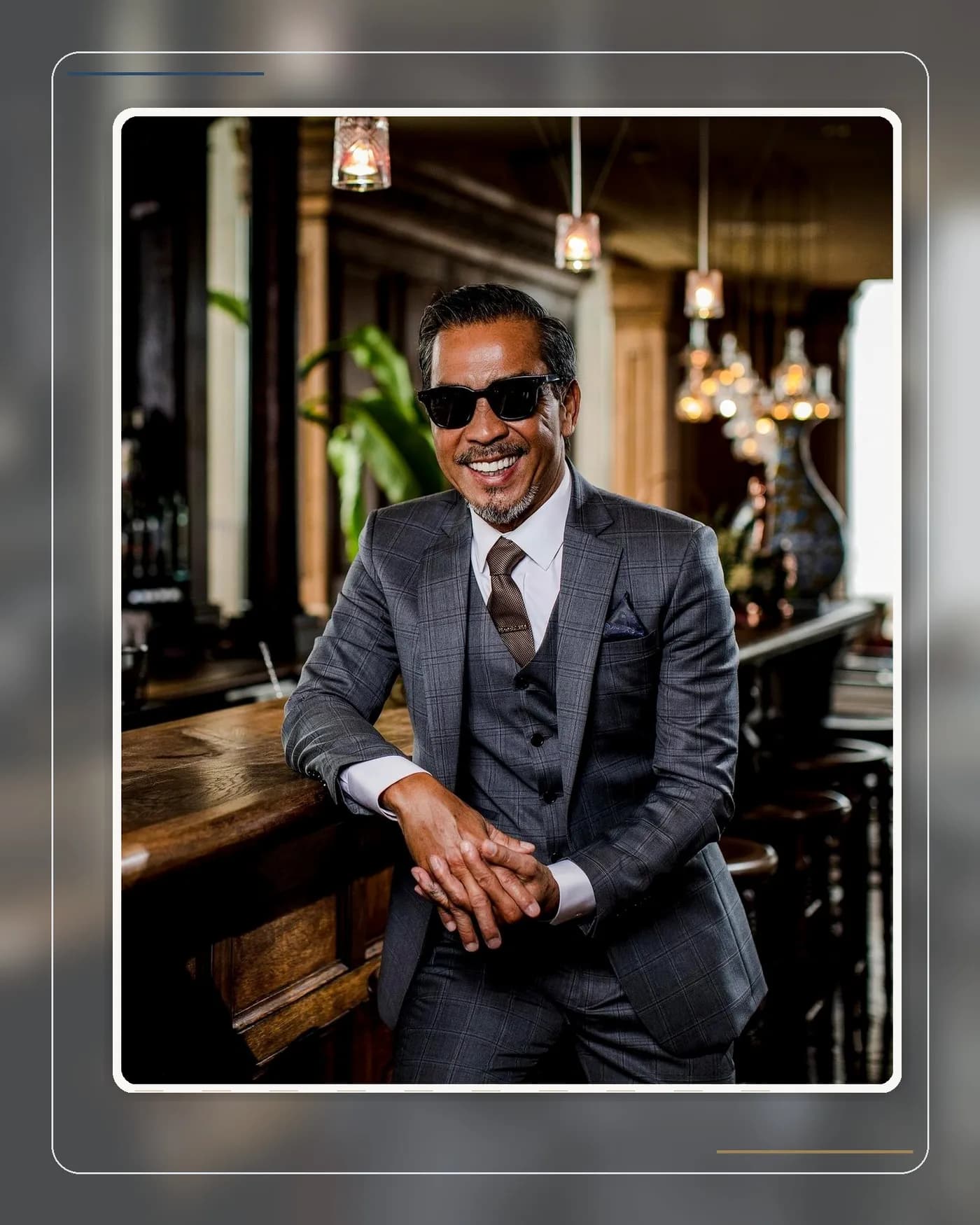
The safest formula for any international business meeting: a navy or charcoal suit, two buttons, moderate lapels; a white or light-blue shirt; a plain or subtly patterned dark tie; black or dark-brown oxford shoes. This formula is accepted from Tokyo to Frankfurt, Singapore to New York — no business culture reads it as disrespectful or excessive. The general rule: when in doubt, dress one notch more formal than you expect; taking a tie off is always easier than finding one to put on.
Read your partner's culture first
Every market has its own dress-code "temperature", and ten minutes of research spares you many awkward moments:
- Japan and South Korea: polish matters enormously — dark suit and tie are near-mandatory at a first meeting.
- Europe (Germany, Switzerland, the UK): traditional business standards; details like shoes and watches are noticed.
- The US and Australia: more relaxed, but suit up fully for the first meeting — you can ease off as the relationship warms.
- The Middle East: formal, modest, with fine fabrics well appreciated.
Why navy and charcoal are the top picks
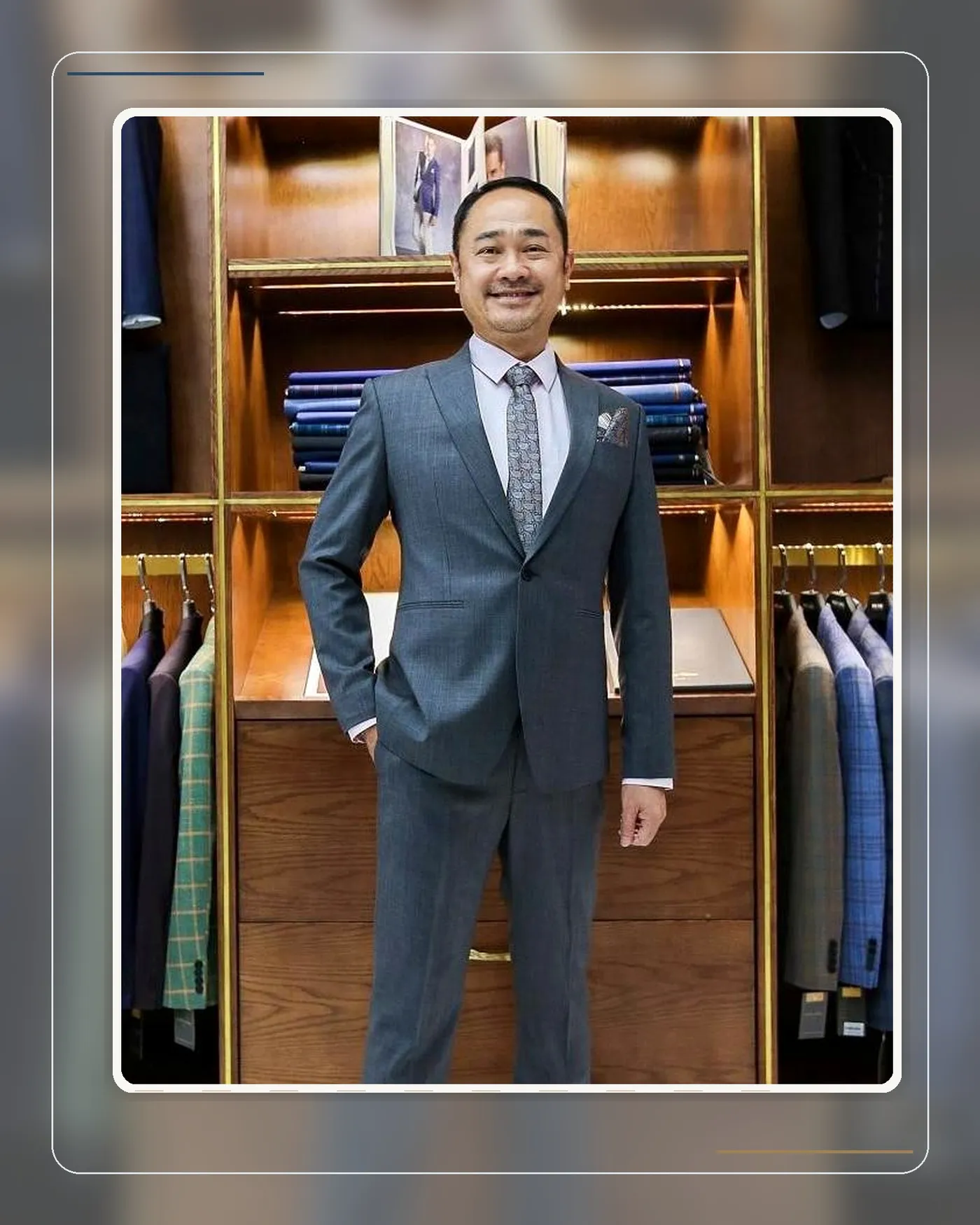
These two colors are culturally neutral: they carry no funeral connotation the way solid black does in some countries, and none of the informality of brown or bright blue. They also photograph well in any light — white-lit boardrooms, warm-lit dinners, or souvenir group shots. For a multi-day trip, one navy and one charcoal suit with three shirts keep you looking fresh every day while your luggage stays light.
Common mistakes
- Dressing down because you heard the partner is "casual" — always dress fully for the first meeting and adjust afterwards.
- Wearing a statement color or strong pattern to "make an impression" — in negotiations, trust outvalues visibility.
- Forgetting to check the suit in motion: a jacket that pulls at the shoulders during a handshake, or a shirt that gaps during a long meeting, quietly undermines a professional image.
A word from Mon Amie's artisans
For clients who travel internationally, Mon Amie's artisans recommend wools with natural stretch and strong wrinkle recovery — the suit must still look sharp after a long-haul flight and a full day of meetings. For gentlemen meeting Japanese or European partners for the first time, we cut a classic silhouette with moderate lapels and correct jacket length — these markets judge people by the precision of small details. A safe suit is not a boring suit; it is a suit with nothing to criticize.
Frequently asked questions
Should I wear a black suit to meet international partners? Better not — in many countries solid black reads as funeral or black-tie attire. Navy or charcoal is more professional for the boardroom.
The invitation says "business casual" — what's the safe play? A navy blazer, grey trousers and a shirt without a tie. Keep a tie in your bag — adding one is easier than lacking one.
How many suits for a week-long business trip? Two suits (navy and charcoal) with three to four shirts and two ties rotate through a full week without obvious repetition.
Conclusion
With international partners, a safe dress code is not dullness — it is a silent business card: a well-cut navy or charcoal suit says you respect the person opposite and understand the global rules of the game. If you need a business suit built to international standards, book an appointment with Mon Amie and see the tailoring process.