
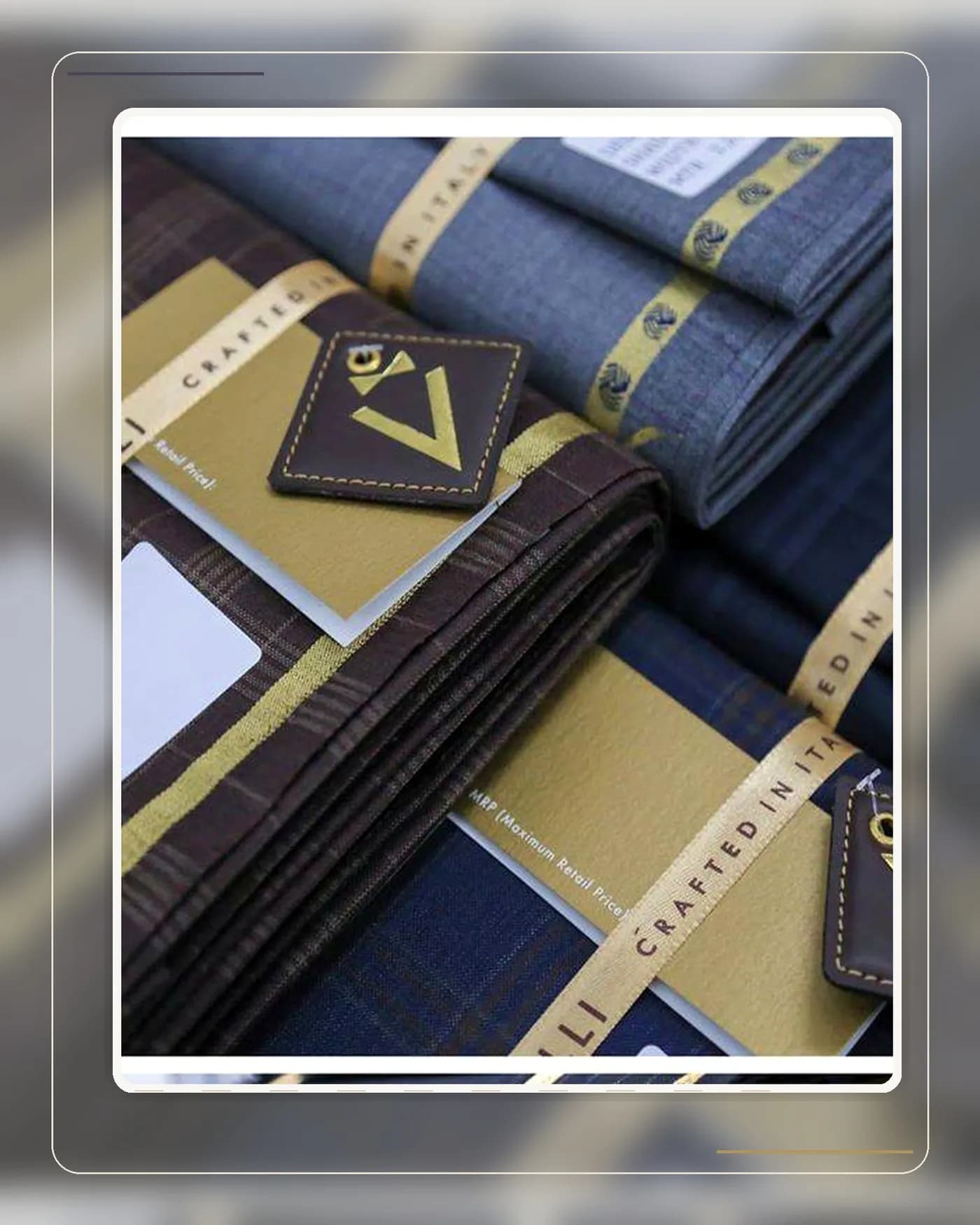
This is the question Mon Amie hears most often from first-time clients: "Should I commission one suit that works everywhere, or separate suits for work and for events?" The answer depends on where you stand in building your wardrobe — and how you want to allocate your budget.
The short answer
If this is your first suit: make it an "all-season" one — navy or charcoal, a mid-weight worsted around 250–280 g/m, minimal detailing — because it carries you from the boardroom to a wedding. But from the second suit onward, dividing by purpose is the smarter investment: durable, breathable cloth for the suit you wear often, finer and richer cloth for events. A suit that "does everything" never does any single thing as well as a suit built for it.
The all-season suit: your wardrobe's pioneer
In Ho Chi Minh City's climate, "all-season" really means "tropical year-round" — so Vietnam's all-season standard is lighter than Europe's. A qualifying suit typically has: 100% wool worsted around 250–280 g/m, deep navy or charcoal, moderate lapels, two buttons, no elaborate details. It handles 80% of a newcomer's suit occasions: interviews, partner meetings, friends' weddings, company events.
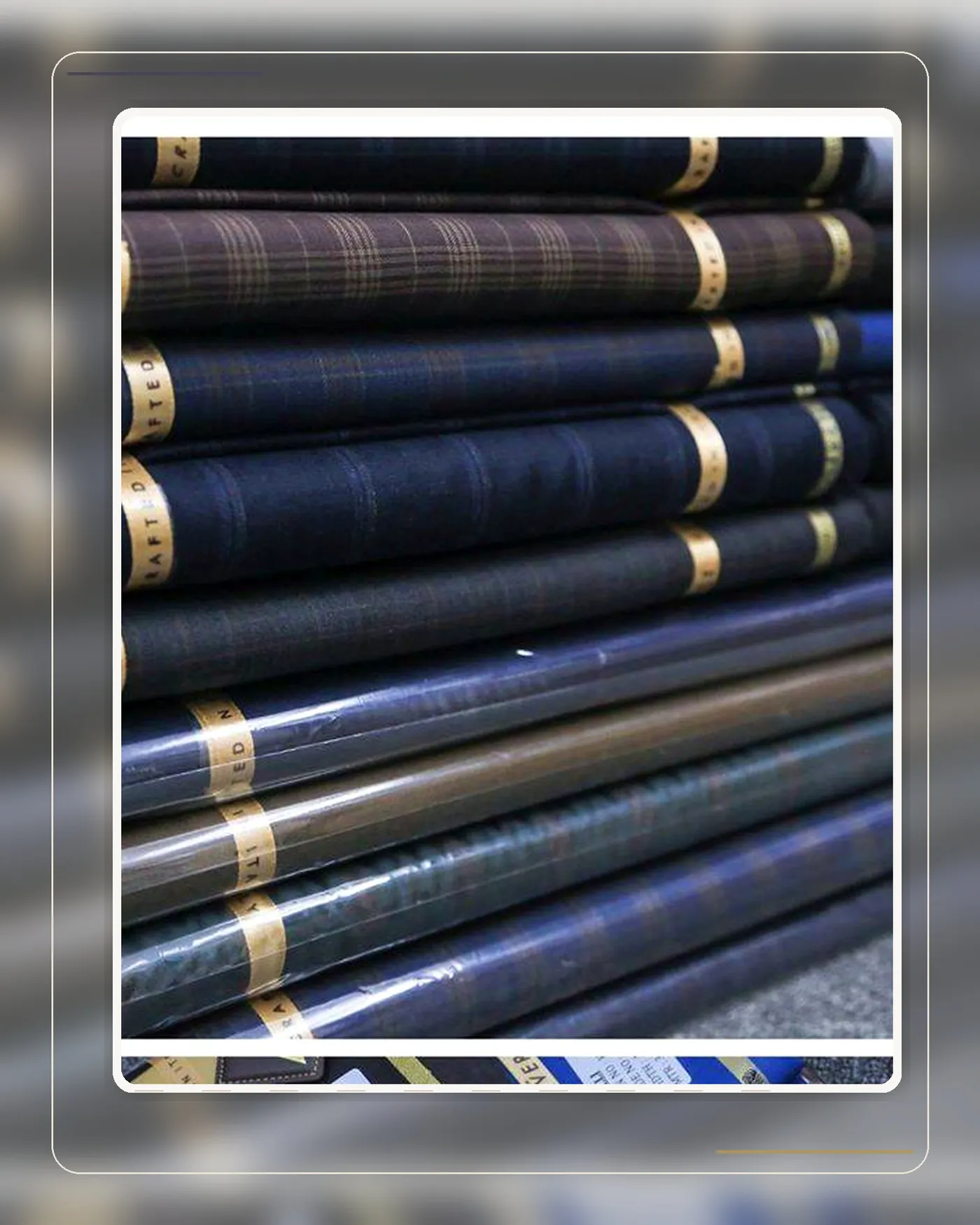
Its limits are just as clear: worn three or four times a week, the cloth soon shines at the knees and elbows; and at your own wedding, a "do-everything" suit will never feel special enough.
Dividing by purpose: the wardrobe grows up
As wear frequency rises, assigning each suit a job protects both your image and your wallet:
- The frequent suit (work): prioritise durable, breathable, wrinkle-resistant cloth — high-twist wool, hopsack. Keep two in rotation so the cloth can rest.
- The event and evening suit: finer cloth with a subtle sheen, rich dark colours, a closer cut — worn rarely, it can afford to put beauty before durability.
- The wedding suit (if one is coming): worth commissioning separately, matched to the ceremony — it is the most-photographed suit of your life.
This division also makes every suit last longer: wool needs 24–48 hours between wears to release moisture and recover its shape — something a suit "carrying the whole week" never gets.

Common mistakes
- Chasing one suit "perfect for every occasion", then feeling let down when it is merely adequate everywhere.
- Wearing a single suit five days a week and watching the cloth decline within a year.
- Dividing suits by colour whim instead of by your real calendar of occasions.
A word from Mon Amie's artisans
Before any talk of cloth, Mon Amie's artisans always ask one question: "How many times a month will you wear this, and which occasion matters most?" Your real wearing schedule is the first blueprint of the suit. Our experience: clients who commission by purpose return after two years with suits still looking sharp; clients who make one suit "fight on every front" tend to return sooner — for repairs, or to start over.
Frequently asked questions
What cloth weight suits an all-season suit in Vietnam? Around 250–280 g/m wool worsted is the sweet spot: enough body to hold its line, enough breathability for a hot, humid climate year-round.
If I own two suits, how should I divide them? One navy in durable, breathable cloth for work, one charcoal or deep blue in finer cloth for events — those two cover nearly every occasion.
How long does a work suit last before needing replacement? With two suits in rotation and good care, quality wool stays sharp for 3–5 years; worn continuously, its lifespan is roughly halved.
Unsure which suit to start with? Book an appointment and let Mon Amie's artisans advise you around your real wearing schedule, or explore the tailoring process.