
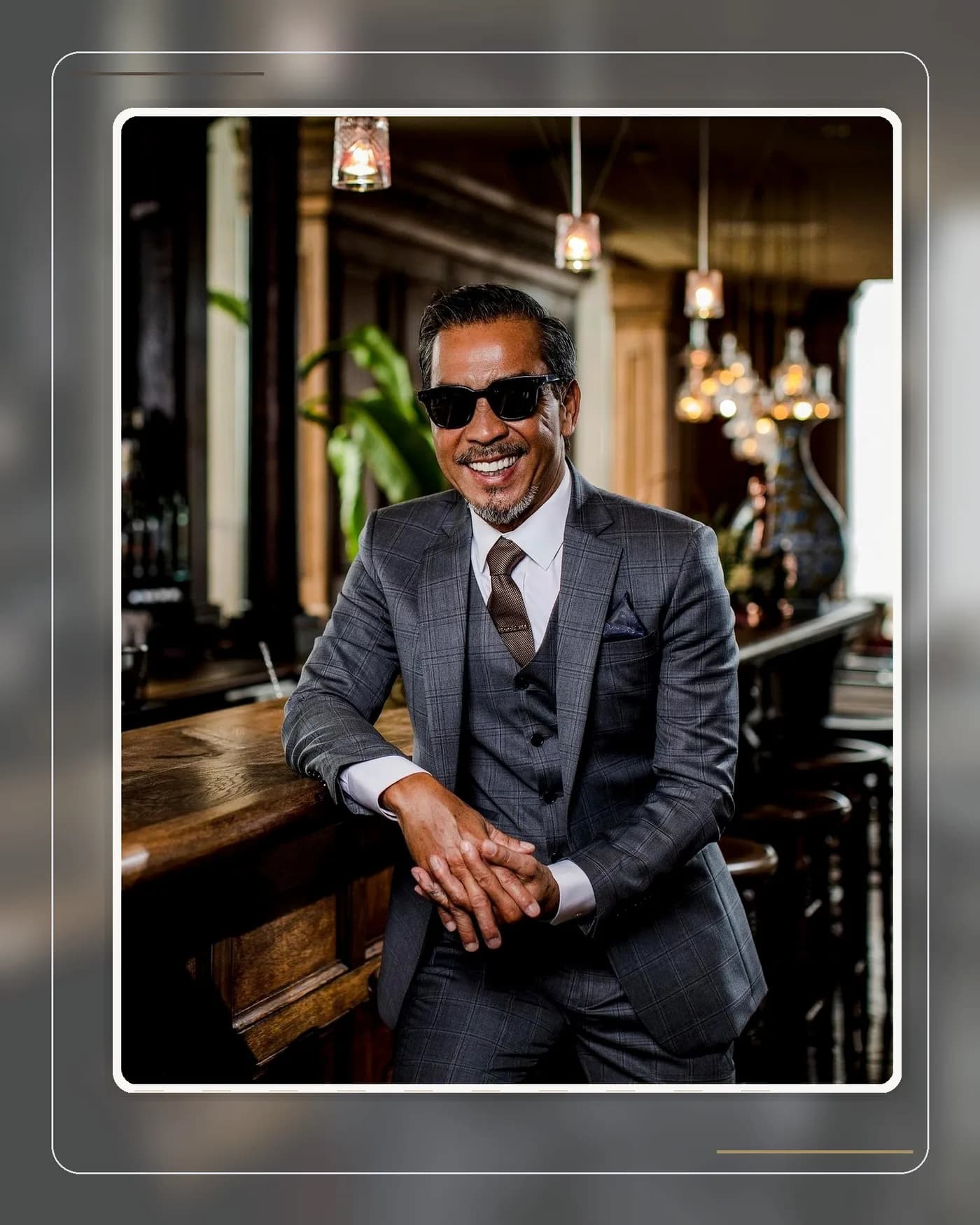
Is a black suit really the best first choice? It is a question Mon Amie hears almost every week from men stepping into the world of suits for the first time. Black looks "safe" on the rack — but safe on the rack and useful in real life are two different things.
The short answer
For most men, a black suit is not the best first choice. Your first suit should be navy or charcoal — two colors that work from the boardroom to a wedding, pair easily with shirts and shoes, and flatter Asian skin tones better. Black earns its place at formal evening events, black-tie occasions, or moments that call for absolute solemnity — and it should be your second or third suit, not your first.
Why black should not be the first suit
Black creates very strong contrast against the face. Under daytime office light, a black suit can wash out your complexion and make the whole look stiff — which is why, in Western and Vietnamese business settings alike, a black suit worn by day often reads as "wearing eveningwear to work". Navy and charcoal keep the formality while staying softer on the eye, photographing well in both natural light and warm indoor light.

There is also a practical reason: rotation. Navy pairs with white, light blue, or soft pink shirts; both brown and black shoes work. Charcoal is just as flexible. Black essentially only works with a white shirt and black shoes — your wardrobe gets locked into a single formula.
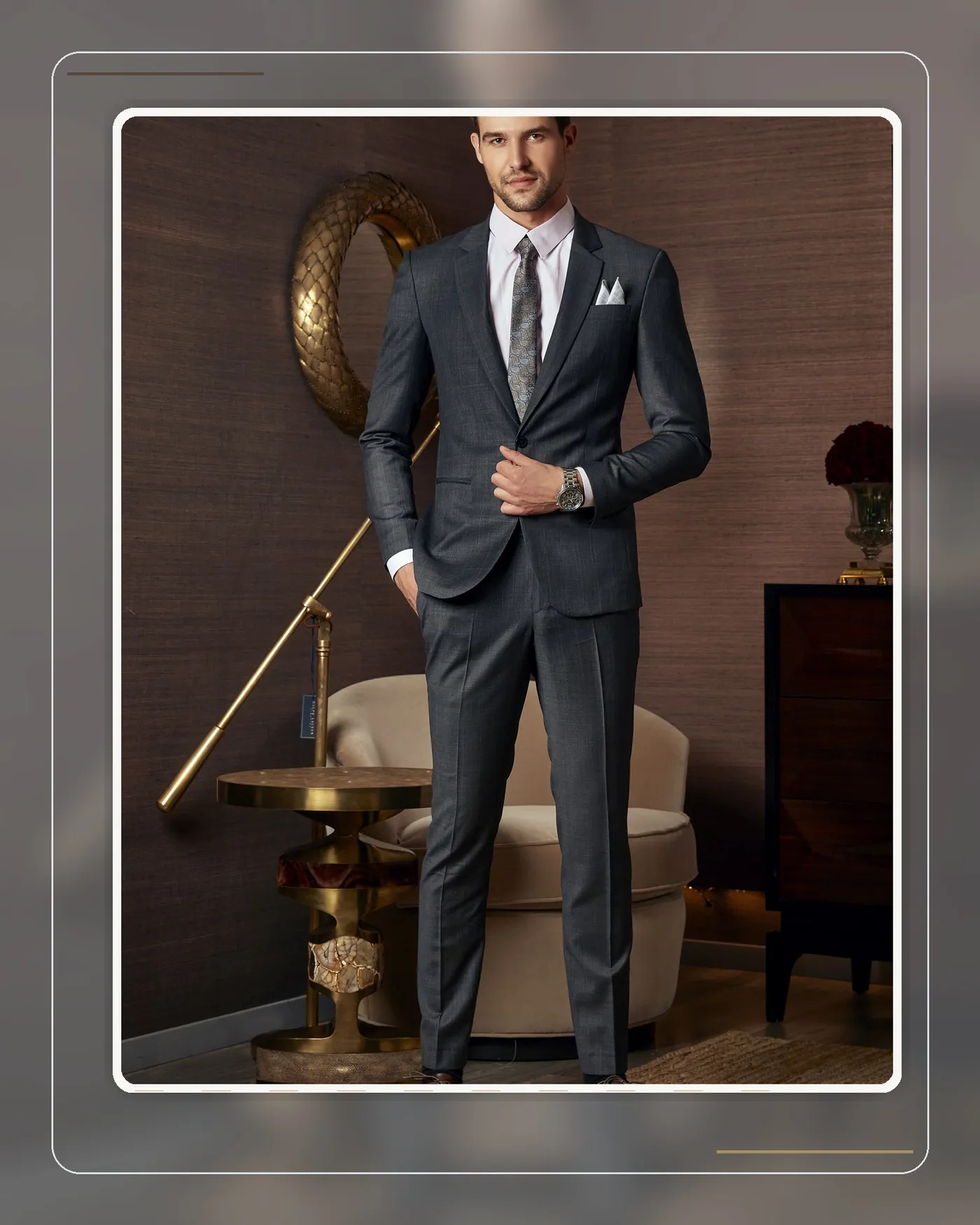
When a black suit is the right call
- Formal dinners, galas, black-tie events: warm evening light is black's home turf.
- Ceremonies demanding solemnity: funerals, diplomatic events, officiating roles.
- You already own navy and charcoal: at that point black completes the wardrobe rather than starting it.

Common mistakes
- Buying black as your only suit and wearing it everywhere — from daytime interviews to weekend coffee.
- Pairing a black suit with brown shoes or dark-colored shirts, which undermines black's formal strength.
- Choosing a color from online photos without trying it under the light where you will actually wear it.
A word from Mon Amie's artisans
In Mon Amie's fitting room, we always invite you to hold navy, charcoal, and black cloth next to your face before deciding — the same man gets three very different impressions from these three colors. Years of tailoring for Vietnamese clients tell us dark navy flatters more than eight in ten skin tones; we usually recommend a black suit once your wardrobe foundation is in place, or when your main occasions are evening events and ceremonies.
Frequently asked questions
What color should a first suit be? Dark navy is the safest and most versatile choice, followed by charcoal. Both work for business, weddings, and evening events.
Can I wear a black suit to the office every day? It is not ideal — in daylight, black looks heavy and unnatural. Office settings suit navy, charcoal, or mid-grey better.
How do I pair a black suit correctly? The classic formula is a white shirt, black shoes, and a black belt. It preserves the full formality of black.
Conclusion
A black suit is not wrong — it just rarely deserves the top of the list. Let navy or charcoal lead the way, then add black when your wardrobe and occasions call for it. To try the cloths against your own complexion, book an appointment with Mon Amie or explore the tailoring process.