
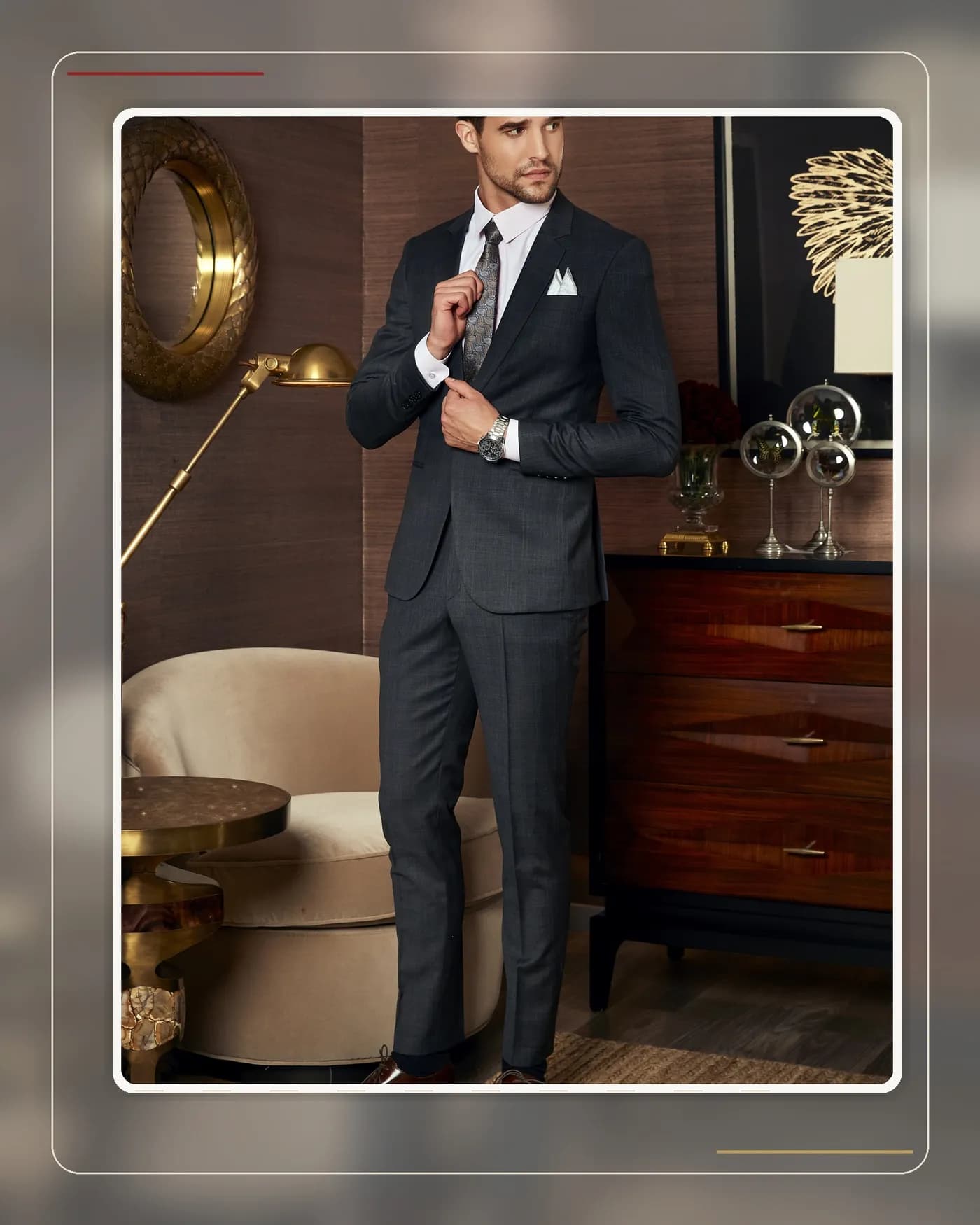
Many gentlemen come to Mon Amie with a very practical question: if I commission just one suit, how many occasions can it carry? The answer directly shapes how you choose the colour, the cloth and the budget — so it deserves a clear answer before scissors ever touch fabric.
The short answer
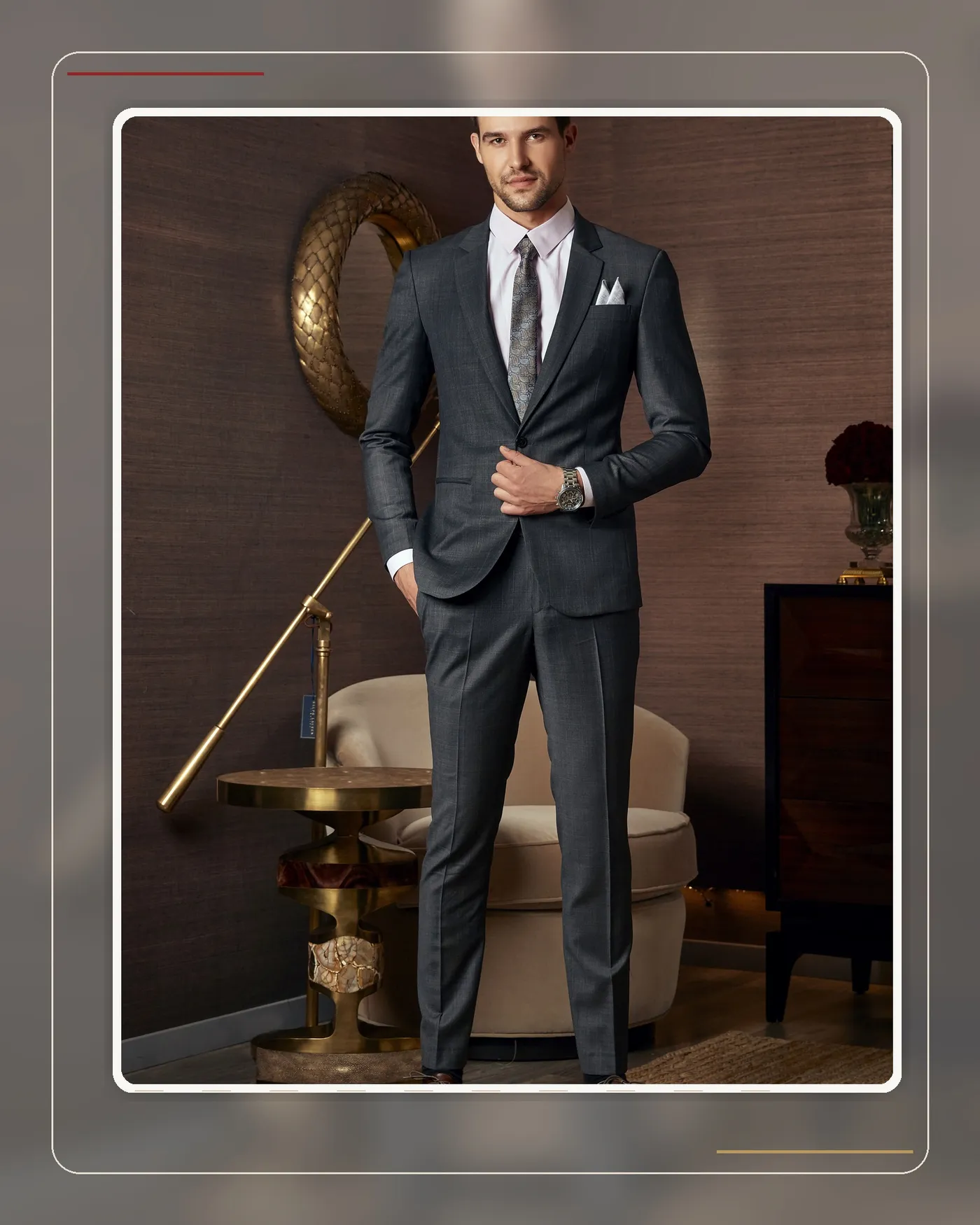
One good suit — navy or charcoal, plain or subtly textured cloth, two buttons with a moderate lapel, cut to your true measurements — can serve 5–7 different occasions: important meetings, contract signings, interviews, weddings as a guest, company events, evening functions and dates that call for polish. The secret is not the suit itself but the rotation built around it: change the shirt, tie, shoes and pocket square and you change the entire mood of the outfit.
Why the base colour decides versatility
Navy and charcoal are the two best "rotating" colours: they flatter most Vietnamese skin tones, pair with white, light blue and soft pink shirts, and are not locked into a single occasion the way black (too ceremonial) or brown (too casual-leaning) can be. A plain or faintly patterned wool around 260–300gsm suits Saigon's climate and doesn't read as strictly "party" or strictly "office".
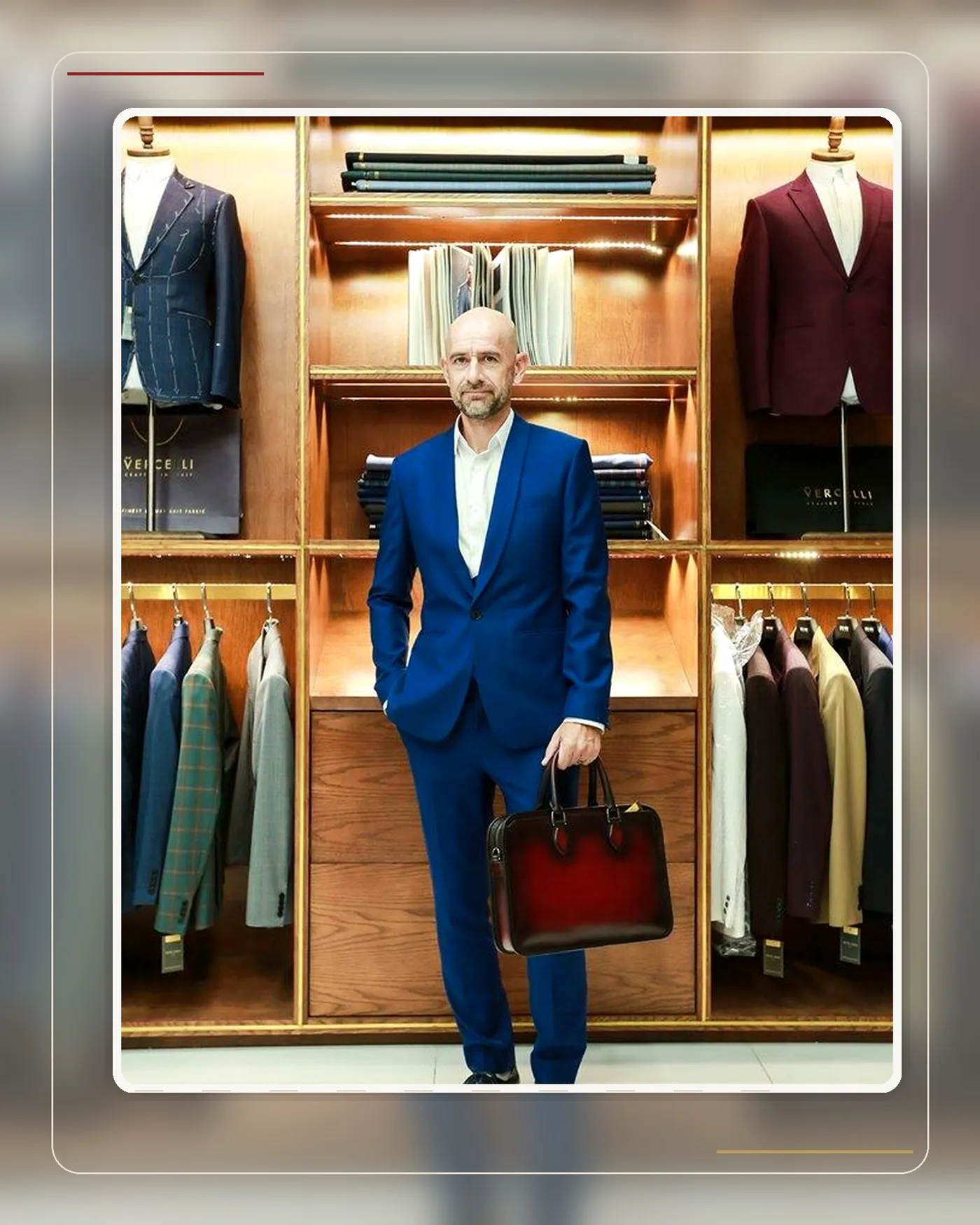
One detail often overlooked: a versatile suit should be restrained. Contrast buttons, an overly wide peak lapel, sporty patch pockets — every "personality" detail you add removes one occasion from the list.
One suit, seven ways to wear it
- Meetings, signings: white shirt, plain silk tie in deep blue or burgundy, black oxfords.
- Interviews, first meetings with partners: light blue shirt, small-pattern tie, belt and shoes in matching tone.
- Weddings as a guest: white shirt, a brighter tie or silk pocket square, dark brown shoes if the suit is navy.
- Company events, galas: drop the tie, open-collar white shirt, pocket square — still sharp, noticeably lighter.
- Dinners and dates: a fine-gauge crew-neck knit or dark polo underneath, loafers.
- Business travel: high-twist wool recovers its shape after a flight — one more reason to choose quality wool over a cheap blend.
Common mistakes
- Commissioning the first suit in your "favourite" colour (olive, burgundy, bold check) and discovering it only works once or twice a year.
- Owning a fine suit but no rotation: one pair of shoes, two shirts — a versatile suit that looks identical every time you wear it.
- Believing you need many suits before you need one right one: a single well-fitted suit covering seven occasions is worth more than three with sloppy shoulders.
A word from Mon Amie's artisans
When a client commissions his first suit, our master tailors ask three questions: which occasion do you dress for most often, which matters most, and what shoes and shirts do you already own. Only then do we settle the cloth colour and the formality of the details — because a versatile suit must be designed for versatility at the consultation table, not styled into it afterwards. One client has worn his plain navy two-button from our workshop for three years, from boardrooms to his brother's wedding, and still hasn't run out of occasions.
Frequently asked questions
Can one suit also serve as my own wedding suit? For an intimate reception, yes — but for a formal ceremony Mon Amie recommends the groom commission a dedicated suit, as the leading role calls for richer cloth and more distinctive details.
Is a black suit more versatile than navy? No. Black leans ceremonial and evening; navy and charcoal cover the widest span of daytime and evening occasions.
What is the minimum accessory set to rotate one suit across occasions? Roughly three shirts (white, light blue, one of your choice), two ties, one pocket square and two pairs of shoes (black oxfords plus brown loafers or derbies).
Conclusion
A good suit is measured not by its price but by the number of occasions it serves — and that is decided at the moment you choose colour, cloth and restraint of detail. If you are considering your first foundation suit, book an appointment with Mon Amie for a consultation built around your measurements and existing wardrobe, or read about the tailoring process first.